
Backpacking can be one of the most thrilling ways to connect with nature, but it also comes with its own set of risks. Knowing essential first aid tips can make all the difference when adventure takes an unexpected turn.
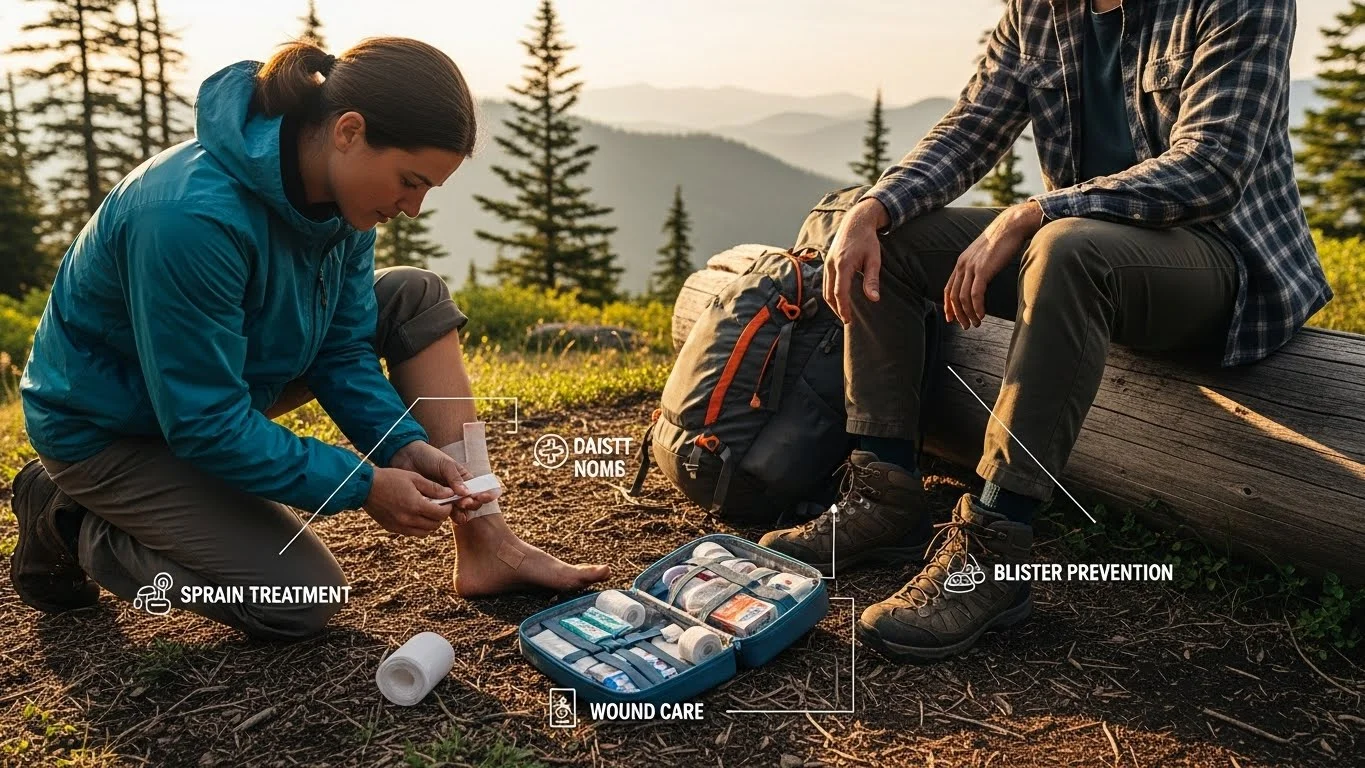
Understanding First Aid Basics for Backpacking
The Importance of First Aid Knowledge
When I first started backpacking, I was enamored by the beautiful landscapes, fresh air, and the thrill of exploring new trails. What I didn’t realize was that I also needed to be prepared for potential mishaps. Learning first aid became crucial not just for my safety but also for the safety of my fellow adventurers. I remember a trip where I had to help a friend who tripped and fell, scraping his knee. All I had were basic knowledge and a small first aid kit, but it was enough to clean and bandage the wound. It made me realize how vital first aid knowledge is. Not only can it help manage injuries, but it also gives you the confidence to tackle emergencies calmly. For parents, understanding first aid is equally important; check out Essential First Aid Tips for Kids with Allergies for more information.
Common Injuries and Illnesses While Backpacking
Backpacking brings a variety of physical challenges, and it’s essential to know what injuries or illnesses might occur. From my experience and many stories shared among friends, here are some common issues to be aware of:
- Cuts and Scrapes: Whether from branches or rocky trails, these are frequent and can lead to infections if not treated properly.
- Sprains and Strains: Uneven terrain often leads to twisted ankles or strained muscles; knowing how to deal with these can save a trip.
- Blisters: I’ve learned the hard way that a blister can turn a fun hike into a painful experience if not handled promptly.
- Dehydration: Spending hours under the sun can lead to dehydration, which I’ve experienced myself—it’s vital to recognize the signs early.
- Hypothermia and Heat Exhaustion: Depending on the weather, being too cold or too hot can both be a risk. I’ve found that staying aware of my body’s signals is key.
Having a basic understanding of these issues means you can enjoy your adventure knowing you’re prepared for the unexpected.
Essential First Aid Supplies for Your Backpack
Creating a Comprehensive First Aid Kit
Over the years, I’ve experimented with various first aid kits and have learned what’s essential for backpacking. The key is to have a kit that is compact yet comprehensive—something that doesn’t weigh you down but is still equipped for emergencies. I prefer to pack my first aid kit in a waterproof bag to keep everything dry. Here’s how I like to approach building my kit:
- Assess Your Needs: Think about the length of your trip, the number of people, and any specific medical conditions that may need addressing.
- Include Essentials: Basic supplies like adhesive bandages, antiseptic wipes, gauze pads, and tape should always be in your kit.
- Consider Personal Medications: If anyone in your group has allergies or requires medications, make sure to include those as well.
Building your own kit makes it personal and ensures you have what you need for your specific adventures. For additional guidance, you might find Essential First Aid Tips for Common Kids’ Injuries useful.
Recommended Items for Backpacking Kits
Through trial and error, I’ve come up with a list of items I recommend including in your backpacking first aid kit:
- Adhesive bandages of various sizes
- Antiseptic wipes or solution
- Gauze pads and adhesive tape
- Antihistamines for allergic reactions
- Pain relievers like ibuprofen or acetaminophen
- Thermometer
- Elastic bandage for sprains
- Hydrocortisone cream for rashes
- Burn cream or gel
- Safety pins, scissors, and tweezers
Keeping this list handy while organizing your kit can ensure you don’t miss anything important.
How to Customize Your Kit for Specific Trips
Every backpacking trip is different, and I’ve learned that customizing my first aid kit is essential. For instance, when I went on a trip to the desert, I made sure to include extra sunburn treatment and hydration salts. During a recent winter hike, I packed thermal blankets and more supplies for frostbite. Here are a few tips to help you customize:
- Consider the Environment: Research the area where you’ll be hiking. Different terrains can come with unique risks.
- Group Size: If you’re with a larger group, it might be wise to pack extra supplies.
- Duration of Trip: Longer trips may require more extensive supplies, including medications and food supplements.
Customizing your kit, based on your specific adventure, ensures that you’re always prepared for the unexpected. I can’t stress enough how much peace of mind it brings!
Basic First Aid Techniques Every Backpacker Should Know
How to Treat Cuts and Scrapes
In my early days of backpacking, I quickly learned that cuts and scrapes are almost inevitable. Whether it’s a small nick from a branch or a deeper gash from a rocky trail, knowing how to treat them can prevent infections and keep your adventure on track. Here’s how I handle these situations:
- Clean the Wound: First, I make sure to wash my hands, if possible, before touching the wound. Then, I rinse the area with clean water, removing any dirt or debris. I remember one hike where I didn’t clean a cut thoroughly and ended up with a nasty infection that sidelined me for weeks.
- Apply Antiseptic: Once the area is clean, I dab on some antiseptic wipes or solution to further reduce the risk of infection. This step is crucial for peace of mind.
- Cover It Up: I then apply a sterile bandage or gauze pad to protect the wound and help it heal. I always carry adhesive bandages in various sizes for flexibility.
- Monitor the Wound: I keep an eye on the injury over the next few days. If I notice increased redness, swelling, or any discharge, I know I have to take it more seriously.
Managing Burns and Sunburns
After a memorable trip to a sunny region, I learned the hard way about the importance of managing burns. Whether it’s a minor burn from campfire cooking or sunburn from a long day on the trail, knowing how to treat these is essential:
- For Minor Burns: I cool the burn under running water for about 10-15 minutes, which helps alleviate pain and reduce swelling. It’s amazing how quickly this can make a difference!
- Applying Cream: After cooling, I apply a burn cream or gel that I always keep in my kit. This not only eases discomfort but also promotes healing.
- Covering the Area: If needed, I gently cover the burn with a clean, non-stick bandage to prevent irritation while it heals.
- For Sunburns: I’ve found that aloe vera gel works wonders for sunburn relief. Staying hydrated and applying cool compresses also helps soothe the burning sensation.
Dealing with Insect Bites and Allergies
Insect bites can be a nuisance when we’re out in nature. I remember a camping trip where I got bitten by mosquitoes, and it spoiled a beautiful evening. Here’s how I handle bites and allergic reactions:
- Clean the Bite Area: I wash the area with soap and water to prevent infection.
- Apply Antihistamine: If the bite itches or swells, I often take an antihistamine that I have in my first aid kit. It helps alleviate the discomfort.
- Use Ice Packs: I’ve found that applying a cold pack or ice wrapped in a cloth also helps reduce swelling and pain.
- Be Cautious of Severe Reactions: If someone in my group shows signs of an allergic reaction, like difficulty breathing or swelling, we immediately use an epinephrine auto-injector if available and call for help.
Recognizing and Treating Hypothermia and Heat Exhaustion
I’ve experienced both extremes in weather during my backpacking trips, and knowing how to recognize and treat hypothermia and heat exhaustion is crucial:
- Hypothermia: This is often caused by prolonged exposure to cold and can sneak up on you. Signs include shivering, confusion, and extreme fatigue. If I notice these symptoms, I take action right away. I get the person to a warm place, remove wet clothing, and wrap them in warm blankets. Hot drinks can also help.
- Heat Exhaustion: On the flip side, I’ve also faced heat exhaustion during hot hikes. Symptoms include heavy sweating, weakness, and nausea. I find that moving to a shaded area, drinking plenty of water, and resting can help. If symptoms worsen, I keep an eye on it and, if necessary, seek medical attention.
Being aware of these conditions has allowed me to react effectively, ensuring that my trips remain enjoyable and safe.
Emergency Response Procedures in the Wild
How to Assess the Situation
When I first found myself in a situation where quick thinking was essential, I learned that assessing the situation is my first step. I remember hiking with friends when one of them slipped and fell, hitting their head. In moments like this, I take a deep breath and try to remain calm. I look for a few key signs: is the person conscious? Are they responsive? Can they move their limbs? I often ask simple questions like their name or what day it is to gauge their awareness. This not only helps me understand the seriousness of their condition but also keeps them engaged while I figure out the next steps.
Once I’ve assessed their responsiveness, I check the environment. Is it safe to stay where we are, or do we need to move to a safer location? I also consider the weather and any potential dangers around us, like steep cliffs or oncoming storms. Understanding the situation helps me decide the best actions to take next, whether that’s providing first aid or seeking help.
When to Call for Help
Knowing when to call for help has been one of the most important lessons I’ve learned during my adventures. There have been moments when I thought I could handle an injury or illness myself, only to realize later that professional help was necessary. For instance, if someone is unconscious, has difficulty breathing, or shows signs of severe allergic reactions, I don’t hesitate to call for help. I remember one hiking trip where a fellow backpacker experienced severe heat exhaustion. Despite my initial attempts to cool him down and hydrate him, his condition worsened quickly, and I knew it was time to reach out for medical assistance.
In cases of fractures or suspected serious injuries, it’s crucial to get professional help immediately. I always remind myself that it’s better to err on the side of caution. Besides, many outdoor areas have cell service, but if you find yourself in a remote location, it’s important to know how to signal for help using whistles, mirrors, or even by creating a signal fire if safe to do so.
How to Communicate in an Emergency
Being able to communicate effectively during a crisis is vital. I recall a trip where I had to relay information about an injury to emergency services, and I realized the importance of being concise and clear. When I call for help, I try to provide essential details: my location, the nature of the injury, the number of people involved, and any other relevant information. If I’m using a phone, I make sure to speak calmly and clearly, especially if I’m feeling anxious.
In situations where cell service is unavailable, I’ve learned to utilize other means of communication. For example, if I’m hiking with a group, we establish a communication plan beforehand. We might use whistles or hand signals to convey information. It’s also a good idea to have someone designated as the communicator, who keeps track of the injured party while others seek help. This way, I can ensure that someone remains by the person in need while others focus on getting assistance.
Specific First Aid Tips for Common Backpacking Scenarios
Handling Blisters and Foot Pain
Blisters are one of those pesky nuisances that can ruin an otherwise perfect hike. I learned this the hard way on my first multi-day trek. After a long day on the trail, I felt a stinging sensation on my heel that quickly turned into a painful blister. Since that experience, I’ve developed a few strategies to prevent and manage blisters. First and foremost, I always wear moisture-wicking socks and ensure my footwear is well-fitted. If I start to feel irritation, I apply blister pads before the situation worsens. I’ve found that catching it early makes a huge difference!
If I do end up with a blister, I carefully clean the area with antiseptic wipes and cover it with a blister-specific bandage. I learned that popping blisters can lead to infections, so I try to let them heal naturally whenever possible. Keeping the area clean and protected is key, and I usually take breaks to allow my feet to rest and recover.
First Aid for Wildlife Encounters
Encountering wildlife while backpacking can be one of the most exhilarating parts of the experience, but it also comes with its risks. I remember a moment when I stumbled upon a curious raccoon while setting up camp. While it was cute, I quickly realized that I needed to be cautious. In the event of an animal encounter, my first step is to stay calm and avoid sudden movements. If the animal appears aggressive or doesn’t back down, I make sure to create distance and make myself look larger—raising my arms and speaking in a firm voice.
For bites or scratches, I clean the wound thoroughly and apply antiseptic as soon as possible. I always keep an eye out for signs of infection in the days following a bite. If I ever encounter a snake, I remember that staying still may help avoid provoking it. If bitten, I know to keep the affected area immobilized and seek immediate medical attention.
Managing Waterborne Illnesses
Waterborne illnesses are a real concern while backpacking, especially if I’m drinking from natural water sources. I always carry a reliable water filter or purification tablets in my gear. I recall a trip where we filled our water bottles from a stream without treating it first, only to find out later that someone in our group developed gastrointestinal issues. Since then, I’ve been diligent about treating all water before drinking.
If I suspect I have a waterborne illness, I keep hydrated and monitor my symptoms closely. It’s important to stay aware of whether I’m experiencing nausea, diarrhea, or severe stomach cramps. If symptoms persist or worsen, I don’t hesitate to seek medical attention. Prevention, in this case, is much better than dealing with the aftermath!
Preventative Measures for Backpackers
Staying Hydrated and Nourished
From my personal experience, staying hydrated while backpacking is non-negotiable. I’ve been on trips where I underestimated the importance of water intake, and it quickly turned into a struggle. I always make it a point to drink water regularly, even if I don’t feel thirsty. Carrying a hydration bladder has been a game-changer for me, as it allows me to sip water easily while on the move. I also like to ensure I pack electrolyte tablets or powders to add to my water, especially on hotter days. This helps replenish the salts I lose through sweat.
Food is another crucial aspect. I’ve discovered that having a mix of lightweight, nutrient-dense snacks like nuts, energy bars, and dried fruits keeps my energy levels up. On longer hikes, I make sure to plan meals that are easy to cook and full of carbohydrates and proteins. I can’t tell you how much a warm meal at the end of a long day can lift my spirits!
Importance of Proper Footwear and Clothing
Wearing the right footwear has been one of my biggest lessons in backpacking. I learned the hard way that blisters and foot pain can ruin an entire trip. I always invest in a good pair of hiking boots or trail shoes that fit well and provide the support I need. I also recommend breaking them in before hitting the trails to ensure maximum comfort. When I choose my socks, I always opt for moisture-wicking materials to help keep my feet dry.
Clothing is equally important. Layering has been my go-to strategy, as it allows me to adapt to changing weather conditions. I’ve made it a habit to wear moisture-wicking base layers, insulating layers for warmth, and a waterproof outer layer to protect against rain. This way, I can enjoy my time outdoors without worrying if I’ll be too hot or too cold.
How to Avoid Injuries Through Preparation
Preparation truly makes a difference in preventing injuries. Before any trip, I always research my route and check the weather. Knowing the terrain helps me pack accordingly. I’ve learned to pay attention to trail conditions and plan for possible hazards. For example, I tend to avoid rocky trails after rain, as they can be slippery.
Another aspect of preparation is ensuring I’m physically ready for the hike. I like to train before my trips by doing shorter hikes and building my stamina. This not only helps me physically but also boosts my confidence. I’ve noticed that when I take the time to prepare, I’m less likely to encounter injuries and can enjoy my adventure more fully.
First Aid Training and Resources
Recommended First Aid Courses for Outdoor Enthusiasts
If there’s one thing I wish I had done sooner, it’s taking a first aid course specifically for outdoor enthusiasts. I enrolled in a wilderness first aid course a couple of years ago, and it was incredibly beneficial. Not only did I learn practical skills, but I also gained confidence in handling emergencies in remote areas. I recommend looking for courses offered by organizations like the American Red Cross or the National Outdoor Leadership School (NOLS). These courses often cover the specific scenarios we face while backpacking.
Online Resources and Guides
In addition to formal training, I’ve found various online resources to be extremely helpful. Websites like Wilderness Medical Society and the Red Cross provide valuable information on first aid techniques and safety tips. I also follow outdoor blogs and forums where fellow backpackers share their experiences and advice. These platforms can be a great way to stay updated on best practices and learn from others’ mistakes. For parents, Quick First Aid Tips for Kids: A Parent’s Guide can be an excellent resource.
Mobile Apps for First Aid in the Field
Technology can be a lifesaver when it comes to first aid. I’ve downloaded a couple of mobile apps that provide quick access to first aid guides and tips while I’m out in the field. Apps like “First Aid by American Red Cross” are user-friendly and can walk me through various treatments step-by-step. I find it comforting to have this information at my fingertips, especially in emergencies.
Final Thoughts
Backpacking is an incredible way to explore the great outdoors, but it’s essential to be prepared for whatever comes your way. From understanding basic first aid to customizing your supplies and knowing how to handle various scenarios, I’ve learned that preparation is key. By staying hydrated, wearing the right gear, and being aware of potential risks, we can enjoy our adventures with greater confidence. Let’s embrace the thrill of backpacking while keeping safety at the forefront of our journeys!
Frequently Asked Questions
What are some common injuries that can occur while backpacking?
Common injuries while backpacking include cuts and scrapes, sprains and strains, blisters, dehydration, hypothermia, and heat exhaustion.
What essential supplies should be included in a backpacking first aid kit?
A comprehensive backpacking first aid kit should include adhesive bandages, antiseptic wipes, gauze pads, tape, antihistamines, pain relievers, a thermometer, an elastic bandage, hydrocortisone cream, burn cream, safety pins, scissors, and tweezers.
How can I customize my first aid kit for specific backpacking trips?
To customize your first aid kit, consider the environment where you’ll be hiking, the size of your group, and the duration of your trip. Include specific items based on potential risks, such as extra sunburn treatment for desert hikes or thermal blankets for winter excursions.
What steps should I take to treat cuts and scrapes while backpacking?
To treat cuts and scrapes, clean the wound with clean water, apply antiseptic, cover it with a sterile bandage, and monitor it for signs of infection.
How do I manage burns and sunburns during a backpacking trip?
For minor burns, cool the area under running water, apply burn cream, and cover it with a non-stick bandage. For sunburns, use aloe vera gel, stay hydrated, and apply cool compresses.
What should I do if someone in my group shows signs of an allergic reaction?
If someone shows signs of an allergic reaction, clean the bite area, apply an antihistamine, use ice packs to reduce swelling, and if severe, administer an epinephrine auto-injector and call for help.
How can I recognize and treat hypothermia and heat exhaustion?
Signs of hypothermia include shivering, confusion, and fatigue; move the person to a warm place and provide hot drinks. Heat exhaustion symptoms include heavy sweating and weakness; move to a shaded area, hydrate, and rest.
What should I do in an emergency situation while hiking?
First, assess the situation by checking the person’s responsiveness and the environment’s safety. If needed, call for help, especially in cases of unconsciousness or severe injuries.
How can I prevent blisters while backpacking?
To prevent blisters, wear moisture-wicking socks, ensure proper footwear fit, and apply blister pads at the first sign of irritation. If blisters develop, clean and cover them without popping.
Where can I find first aid training specific to outdoor activities?
Consider enrolling in a wilderness first aid course offered by organizations like the American Red Cross or the National Outdoor Leadership School (NOLS) for practical skills and confidence in handling emergencies.