
As a parent, discovering that your child has allergies can feel overwhelming. Knowing how to handle allergic reactions and what first aid tips to use is essential for keeping them safe and healthy. For more information on emergency preparedness, check out our article on Essential First Aid Tips for Common Kids’ Injuries.
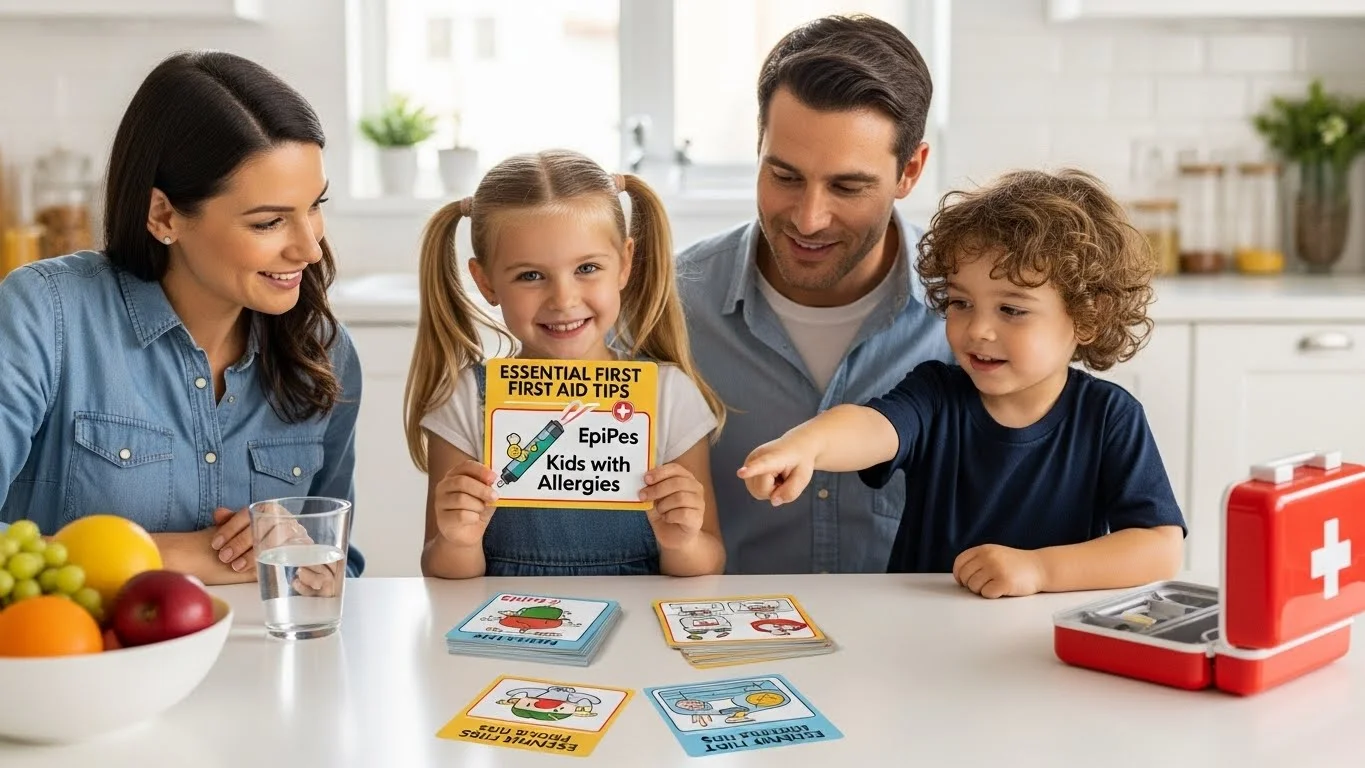
Understanding Allergies in Kids
Allergies in children can manifest in various forms and can range from mild to severe. Understanding what triggers these allergic reactions and how to identify them is crucial for every parent. I remember when my child had their first allergic reaction—it was both scary and confusing. Here’s what I’ve learned about allergies in kids and how we can be prepared.
Common Types of Allergies
Kids can be allergic to a wide array of substances. Some of the most common allergens include:
- Food Allergies: Peanuts, tree nuts, dairy, eggs, and shellfish are frequent culprits. The first time my child tried peanut butter, I had no idea it would send us on a rollercoaster of worry and vigilance.
- Environmental Allergies: Pollen, dust mites, mold, and pet dander can also trigger reactions. I’ve seen my child sneeze uncontrollably during spring, darting for tissues as if they were a lifeline.
- Insect Stings: A bee sting can lead to severe reactions in allergic kids. It’s something I became extra cautious about during our summer outings.
- Medication Allergies: Some children may react to certain medications, which makes it essential to monitor any new prescriptions they receive.
Symptoms of Allergic Reactions
Recognizing the symptoms of an allergic reaction can help in managing the situation effectively. Here are some signs to watch for:
- Skin Reactions: Hives, rashes, or redness can show up quickly. I recall my child developing hives after accidentally eating a cookie with nuts, which was alarming.
- Respiratory Issues: Wheezing, coughing, or difficulty breathing can indicate a serious reaction. I’ve had moments when my heart raced as I noticed my child struggling to catch their breath.
- Gastrointestinal Symptoms: Nausea, vomiting, or stomach pain may occur after exposure to an allergen.
Immediate vs. Delayed Reactions
Allergic reactions can happen immediately or may take hours to manifest. I remember thinking everything was fine until hours later, when my child suddenly broke out in a rash. Immediate reactions usually occur within minutes of exposure, while delayed reactions can surprise parents who believe their child is safe. Knowing this difference can be a game-changer in how we handle allergies day-to-day.
Essential First Aid Supplies for Allergic Reactions
Being prepared with the right first aid supplies can make all the difference when dealing with allergies. Here’s a list of essentials that I always keep on hand.
Antihistamines
Antihistamines are often the first line of defense against allergic reactions. They can help relieve mild symptoms like hives, sneezing, and itching. I always keep liquid and chewable options in my medicine cabinet, so I’m ready for any situation. Just remember to consult your pediatrician about the appropriate type and dosage for your child.
Epinephrine Auto-Injectors
For severe allergies, having an epinephrine auto-injector is crucial. I can’t stress this enough; it’s a lifesaver for those who are at risk of anaphylaxis. My child carries one at all times, and I make sure to check the expiration date regularly. If you haven’t already, I recommend discussing with your doctor about getting one tailored to your child’s specific allergies.
Inhalers for Asthma
If your child has asthma along with their allergies, an inhaler is essential. I learned this when my child faced both allergy and asthma symptoms at a birthday party. Having the inhaler nearby made a huge difference in calming their breathing issues.
Medical Alert Bracelets
These bracelets can be a lifesaver, especially if your child is old enough to be away from you. They alert others about your child’s allergies in case of an emergency. I remember purchasing one for my child and feeling relieved knowing that medical personnel would have immediate information if needed.
Understanding allergies in kids and being prepared with the right supplies are crucial steps in ensuring their safety. As parents, we can take proactive measures to handle allergic reactions effectively and calmly. For further guidance on emergency responses, you might find our article on Quick First Aid Tips for Kids: A Parent’s Guide helpful.
Recognizing an Allergic Reaction
Understanding how to recognize an allergic reaction can be a lifesaver. It’s one of those things that, as a parent, I never thought I would need to be an expert in. But after witnessing my child go through various reactions, I realized that being vigilant and educated can help us respond swiftly and effectively.
Mild Reactions: Symptoms and Responses
Mild allergic reactions can often be managed at home, but it’s essential to know what to look for. Common symptoms include:
- Itching: This is often the first sign, especially if it’s localized to a specific area like the skin or throat. I remember my child scratching their arm after coming into contact with a pet. I usually calmed them down and asked if they felt any other symptoms.
- Hives or Rash: These can appear quickly and usually look like raised, red welts on the skin. When my child first developed hives, I applied cold compresses to soothe the area, which greatly helped.
- Sneezing or Nasal Congestion: These symptoms can often be mistaken for a common cold. I keep a close eye on my child during allergy season, as this is when these symptoms are most likely to occur.
Severe Reactions: Anaphylaxis Signs
Severe allergic reactions, known as anaphylaxis, can occur suddenly and require immediate medical attention. I’ve learned to be aware of the following signs:
- Difficulties Breathing: This is often the most alarming symptom. If I notice my child’s breathing becomes labored or they start wheezing, I know it’s time to act quickly.
- Swelling of the Face or Throat: If I see any swelling around the lips or eyes, it sends me into high alert. This can make it difficult for them to swallow or breathe.
- Rapid Heart Rate: I’ve noticed that during severe reactions, my child’s heart rate can skyrocket, which can be frightening. It’s essential to stay calm in these situations.
- Loss of Consciousness: In the worst-case scenario, a child may faint or feel dizzy. This is a critical sign that immediate help is needed.
When to Seek Emergency Help
Knowing when to seek emergency help can be challenging, especially in the heat of the moment. From my experience, if any severe symptoms of anaphylaxis appear, I won’t hesitate to call 911. Additionally, if my child has already administered an epinephrine auto-injector but is still experiencing symptoms, getting them to a hospital is crucial. It’s all about being proactive rather than reactive.
Even if symptoms seem mild, if I feel uncertain or if they escalate, I trust my instincts and seek medical help. It’s better to be safe than sorry, and I’ve learned that nothing is more important than my child’s health and safety.
First Aid Steps for Managing Allergic Reactions
Once I recognize that my child is having an allergic reaction, knowing how to respond is vital. The following steps have guided me through managing different situations effectively.
Administering Antihistamines
If the reaction is mild, administering antihistamines is often the first step. I make sure to have both liquid and chewable antihistamines on hand for ease of use. The dosage is essential, so I always refer to the information provided by our pediatrician. As soon as my child shows symptoms, I try to remain calm and encourage them to take the medication. I’ve found that keeping a positive attitude helps ease their anxiety.
Using an Epinephrine Auto-Injector
For severe reactions, knowing how to use an epinephrine auto-injector can be a game-changer. After watching a few instructional videos, I felt more confident. When the time came to use it, I remembered to follow these steps:
- Remove the cap from the auto-injector.
- Hold the injector firmly and place it against the outer thigh.
- Press down to inject the medication.
Calming the Child and Monitoring Symptoms
Being calm is crucial when managing an allergic reaction. I try to reassure my child that everything will be okay. I keep an eye on their symptoms and watch for any changes. If they feel comfortable, I encourage them to take deep breaths, which can help ease anxiety. Monitoring their condition is essential until help arrives or symptoms subside.
With every allergic reaction my child experiences, I feel more prepared and knowledgeable. It’s all about staying calm, knowing the signs, and having a plan in place. Together, we can handle these situations and ensure they feel safe, even when facing allergies.
Prevention Strategies for Allergies
When it comes to allergies, I’ve learned that prevention is incredibly important. While it’s impossible to eliminate all risks, there are several strategies we can employ to reduce the chances of allergic reactions and make our lives a bit easier as parents.
Avoiding Known Allergens
One of the most straightforward and effective ways to prevent allergic reactions is to avoid known allergens. This was a hard lesson learned for me when my child had a severe reaction after accidentally consuming a food item containing peanuts. Since that day, I’ve become diligent about reading ingredient labels and asking questions when dining out. It’s essential to communicate with everyone involved in your child’s care about their allergies. This includes family members, caregivers, and teachers. I’ve found that sharing a detailed list of my child’s allergens helps everyone stay informed and vigilant.
In addition to food allergies, I’ve also had to be mindful of environmental allergens. For example, during allergy season, I try to keep windows closed, use air purifiers, and regularly wash bedding to reduce dust mites and pollen exposure. These small steps have made a noticeable difference in how my child feels during peak allergy times.
Creating an Allergy Action Plan
Developing an allergy action plan has been invaluable for our family. This plan outlines my child’s allergies, symptoms to watch for, and the steps to take in case of an allergic reaction. I remember sitting down with my pediatrician to create this plan and feeling a sense of relief knowing we had a clear outline to follow. I recommend keeping copies of this plan at home, in your child’s school, and with any caregivers.
When I created our action plan, I included specific instructions for different scenarios, such as what to do during playdates, school events, or trips. We even practiced role-playing various situations so my child knows what to expect and how to respond. I believe that being prepared gives both of us peace of mind and helps my child feel empowered to manage their allergies.
Educating Caregivers and Teachers
Education has played a significant role in managing my child’s allergies. I’ve taken the initiative to educate caregivers and teachers about my child’s specific allergies and how they can help keep them safe. It was important for me to have open conversations with teachers at the start of each school year and provide them with a copy of our allergy action plan. I’ve found that many teachers appreciate this information and are willing to work with us to create a safe environment.
In addition to teachers, I’ve organized small training sessions for babysitters and family members who may care for my child. These sessions cover recognizing allergy symptoms, administering medications, and how to handle emergency situations. This proactive approach has made me feel more confident knowing that those around my child are knowledgeable about their allergies.
Emergency Preparedness for Allergic Children
Even with the best prevention strategies in place, emergencies can still happen. Preparing for these scenarios has become a priority for our family, and I’ve learned a few key strategies that can help ensure we’re ready for anything.
Creating a First Aid Kit
I always keep a well-stocked first aid kit specifically for allergic reactions. Having the right supplies on hand can make a significant difference. In my kit, I include antihistamines, an epinephrine auto-injector, a rescue inhaler, and a list of my child’s allergies and emergency contacts. I also add items like cold packs and band-aids for any minor injuries. I check the kit regularly to ensure everything is up to date and in good condition. Knowing that I have this kit ready gives me peace of mind, especially when we’re out and about.
Emergency Contact Information
Keeping a list of emergency contacts is another essential element of our preparedness plan. I always make sure to include my child’s doctor, nearby family members, and trusted friends who are familiar with my child’s allergies. This list is stored both physically in our first aid kit and digitally on my phone for easy access. I’ve learned that having this information readily available can save precious time in an emergency.
Practicing Emergency Scenarios
Practicing emergency scenarios has been an eye-opener for both my child and me. We’ve role-played situations where my child might have an allergic reaction, including how to use the epinephrine auto-injector and what to say when calling for help. I’ve found that this practice not only helps them feel more comfortable but also allows me to gauge their understanding of how to manage their allergies. I encourage my child to ask questions during these practice sessions, which fosters open communication and boosts their confidence.
Being prepared for allergies is an ongoing journey. I’ve learned that by taking these preventive measures and practicing emergency protocols, I can create a safer environment for my child and help them navigate their allergies with greater ease. Together, we can face any challenges that come our way.
Resources and Support for Parents
As I navigated the world of allergies with my child, I quickly realized that I didn’t have to do it alone. There are numerous resources and support systems available that can make our journey easier and less daunting. Here are some of the most helpful ones I’ve discovered along the way.
Allergy Support Groups
Joining an allergy support group has been one of the best decisions I made as a parent. Sharing experiences with other parents who understand exactly what I’m going through has been incredibly comforting. In these groups, I’ve found a wealth of practical advice, emotional support, and encouragement. We share tips on how to manage daily life with allergies and even swap favorite allergy-friendly recipes. I remember one mom sharing her experience about a birthday party and how she successfully navigated a situation with snacks that triggered reactions. It inspired me to be proactive and confident in similar situations.
Consulting an Allergist
Working closely with an allergist has been a game-changer for our family. I can’t stress enough how beneficial it is to have a specialist who understands my child’s unique needs. Our allergist provided us with crucial information regarding allergy testing and treatment options, including possible desensitization therapy. I’ve learned to ask questions and advocate for my child’s health during our appointments. This collaboration has helped us create a personalized action plan that feels manageable and effective.
Educational Materials for Kids
Educating my child about their allergies has been essential. I’ve found several resources designed specifically for kids that explain allergies in a fun, relatable way. Books, videos, and interactive games have helped my child understand their allergies better. This knowledge empowers them to identify allergens, communicate their needs, and navigate social situations more confidently. I believe that the earlier we educate our kids about their allergies, the more equipped they will be to handle them as they grow older. For further reading on first aid, check out our article on Essential First Aid Tips for Newborns Every Parent Should Know.
Final Thoughts
As a parent, managing my child’s allergies has been a journey filled with challenges and triumphs. I’ve learned that staying informed, prepared, and proactive can make all the difference. Each experience, whether good or bad, has taught me something valuable about vigilance and compassion. I trust my instincts, rely on the support of others, and continually educate myself and my child. Together, we face every challenge that allergies throw our way, ensuring that they live a healthy, happy life despite their limitations. By sharing our experiences and supporting each other, we can create safer environments for our children and empower them to thrive.
Frequently Asked Questions
What are the common types of allergies in kids?
Common types of allergies in kids include food allergies (such as peanuts, tree nuts, dairy, eggs, and shellfish), environmental allergies (like pollen, dust mites, mold, and pet dander), insect sting allergies, and medication allergies.
What are some symptoms of allergic reactions in children?
Symptoms of allergic reactions in children can include skin reactions (hives, rashes, or redness), respiratory issues (wheezing, coughing, or difficulty breathing), and gastrointestinal symptoms (nausea, vomiting, or stomach pain).
How can parents recognize mild allergic reactions?
Mild allergic reactions can be recognized by symptoms such as itching, hives or rash, and sneezing or nasal congestion. Administering antihistamines as per a pediatrician’s advice can help alleviate discomfort.
What are the signs of a severe allergic reaction, or anaphylaxis?
Signs of a severe allergic reaction, or anaphylaxis, include difficulties breathing, swelling of the face or throat, rapid heart rate, and loss of consciousness.
When should parents seek emergency help for an allergic reaction?
Parents should seek emergency help if any severe symptoms of anaphylaxis appear, if their child has administered an epinephrine auto-injector but is still experiencing symptoms, or if they feel uncertain about the situation.
What essential first aid supplies should parents have for allergic reactions?
Essential first aid supplies for allergic reactions include antihistamines, epinephrine auto-injectors, inhalers for asthma, and medical alert bracelets.
How can parents prevent allergic reactions in their children?
Parents can prevent allergic reactions by avoiding known allergens, creating an allergy action plan, and educating caregivers and teachers about their child’s specific allergies.
What is an allergy action plan, and why is it important?
An allergy action plan is a document that outlines a child’s allergies, symptoms to watch for, and the steps to take in case of an allergic reaction. It is important as it provides clear guidelines for managing allergies in various situations.
What role do allergy support groups play for parents?
Allergy support groups provide parents with a community where they can share experiences, receive practical advice, emotional support, and encouragement in managing allergies.
How can parents educate their children about their allergies?
Parents can educate their children about their allergies through various resources designed for kids, including books, videos, and interactive games that explain allergies in a fun and relatable way.