
As a new parent, the world can feel overwhelming, especially when it comes to keeping your newborn safe. Knowing essential first aid tips can prepare you for unexpected emergencies and give you peace of mind. Read Interesting article: Top 10 Newborn Health Tips for First-Time Parents
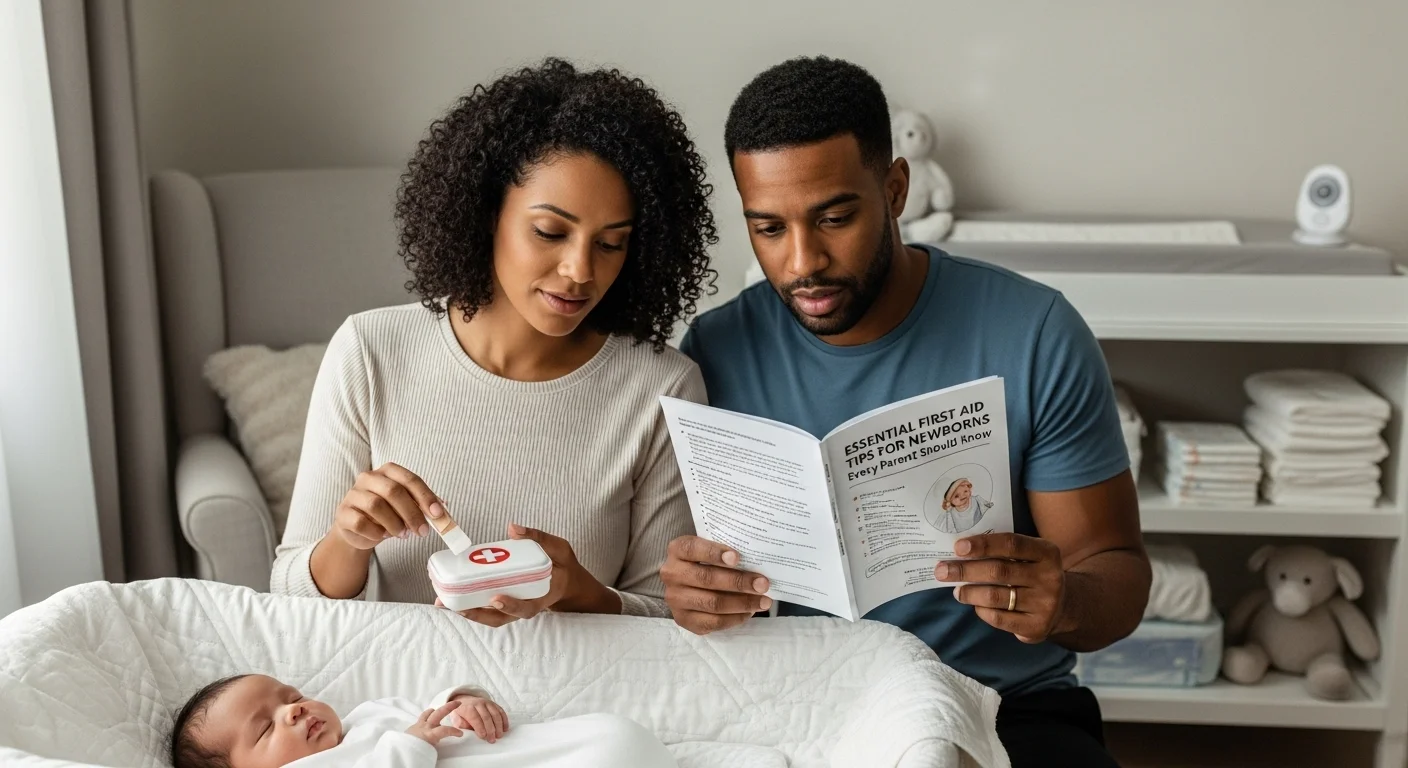
Understanding Newborn First Aid Basics
What is First Aid?
First aid is the immediate assistance provided to someone who is injured or experiencing a medical emergency. It includes basic medical care and support, aimed at stabilizing the individual until professional help arrives. For us as parents, understanding first aid is about being ready to handle minor emergencies and knowing how to act if something more serious occurs. It’s about being calm and collected, even when our hearts are racing.
Why First Aid is Crucial for Newborns
Newborns are incredibly delicate. Their small bodies and developing systems make them more vulnerable to injuries and illnesses. I remember feeling anxious about every little cough or sneeze my baby made, wondering if I should worry or what I could do to help. Learning first aid not only empowers us as parents but also helps us feel confident in our ability to care for our little ones in times of distress. First aid knowledge can make a huge difference in an emergency, ensuring we can provide immediate care and comfort when our newborns need it most.
Common Newborn Emergencies
Choking Hazards
Choking is one of the biggest fears for any parent. Babies are naturally curious and often explore the world by putting things in their mouths. I remember when my little one first discovered the joys of chewing on toys – it was adorable until I realized how easily they could choke. Knowing how to recognize the signs of choking, which can include coughing, gagging, or turning blue, is essential. I learned that if the baby can cough, it’s best to let them try to expel the object. But if they can’t breathe, we need to act quickly.
Breathing Difficulties
Breathing issues can arise from various causes, including allergies, asthma, or respiratory infections. It’s crucial to monitor your newborn’s breathing and be aware of any unusual sounds, like wheezing or grunting. I’ve found that keeping a close eye on my baby’s breathing patterns, especially during cold seasons, gives me peace of mind. If you notice any significant changes, seeking help promptly is key.
Fever in Newborns
A fever in a newborn can be concerning. In my experience, a temperature above 100.4°F (38°C) in a baby less than three months old requires immediate medical attention. I learned to always check my baby’s temperature using a digital thermometer, as it’s both accurate and easy to use. Monitoring their temperature regularly when they seem unwell can help us decide the best course of action.
Skin Rashes and Allergic Reactions
Newborns often have sensitive skin, which can lead to rashes or allergic reactions. I remember my baby breaking out in a rash after trying a new detergent. Skin reactions can range from mild to severe, so it’s important to recognize the difference. Keep an eye out for hives, redness, or swelling, and note any new products introduced to their routine recently. In such cases, I always recommend consulting a pediatrician to address the issue properly.
Injuries and Falls
As our babies grow, they become more mobile and adventurous, which can lead to falls and minor injuries. I experienced a moment of panic when my baby slipped off the couch while learning to crawl. Thankfully, they only had a minor scare, but it was a wake-up call. Always supervising your little one and keeping sharp objects and hard surfaces at bay is essential. In case of minor injuries, knowing how to clean a wound and apply a bandage can be helpful.
Essential First Aid Techniques for Newborns
How to Perform Infant CPR
Learning how to perform CPR on an infant can be lifesaving. I took a course, and it made a world of difference in my confidence level. The steps involve careful chest compressions and rescue breaths. It’s vital to stay calm and follow the guidelines, as every second counts in emergencies.
Dealing with Choking: Baby Heimlich Maneuver
The Heimlich maneuver for infants is different from that for older children and adults. As parents, we need to gently deliver back blows and chest thrusts to dislodge any object causing choking. I practiced this technique repeatedly until I felt comfortable, knowing I could act quickly if needed.
Recognizing and Responding to Fever
Taking a baby’s temperature can be daunting, but I found it to be essential in recognizing fever. If they have a high temperature, I learned to administer age-appropriate fever reducers only after consulting a doctor. Keeping the baby hydrated and comfortable is also crucial.
First Aid for Cuts and Scrapes
Minor cuts and scrapes are common for curious little explorers. I remember my baby getting a tiny scratch from a toy. I learned to clean the wound gently with soap and water, then cover it with a bandage. Keeping an eye on the wound for any signs of infection is essential for peace of mind.
Managing Allergic Reactions
For some babies, allergic reactions can happen quickly. I’ve learned to recognize the signs, such as hives or swelling, and have an antihistamine handy, prescribed by our pediatrician. Knowing when to seek help is just as important as managing the reaction at home.
When to Seek Professional Help
Signs of Serious Illness
As new parents, it’s essential to recognize when our little ones are unwell and require more than just home care. I remember feeling uneasy one evening when my baby had a persistent cough and appeared unusually lethargic. It’s easy to second-guess ourselves, but knowing the signs of serious illness is crucial. Look for symptoms like difficulty breathing, a high fever that doesn’t respond to treatment, or signs of dehydration such as a dry mouth or lack of wet diapers. I learned to trust my instincts; if something feels off, it’s always better to get a professional opinion. After all, it’s our responsibility to ensure our newborns are safe and healthy.
Emergency Situations That Require Immediate Care
There are times when our instincts point to an emergency, and I’ve found it helpful to know what situations require immediate care. If your baby experiences severe allergic reactions, has trouble breathing, or is unresponsive, it’s time to seek help without delay. I recall the panic I felt when my baby fell and hit their head hard. I was unsure if it was serious, but I remembered that any loss of consciousness or unusual behavior afterward warranted a trip to the ER. It’s always better to err on the side of caution, and having a plan for emergencies can help calm any fears we might have.
Understanding the Role of Pediatricians
Pediatricians are invaluable allies on our parenting journey, and I’ve learned to lean on their expertise. Regular check-ups help ensure our babies are growing and developing correctly. I remember my pediatrician explaining the importance of vaccinations and how they protect our little ones from serious diseases. If I have questions or concerns about my baby’s health, I don’t hesitate to contact them. They are there to provide guidance and reassurance, and I believe it’s vital to establish a good relationship with them so we feel comfortable discussing any worries, no matter how small.
First Aid Kit Essentials for Newborns
What to Include in Your Newborn First Aid Kit
Now that we know how to respond in emergencies, having a well-stocked first aid kit is crucial. I decided to create one for my baby, and it gave me a sense of security. Here’s what I found essential to include:
- Digital thermometer – for accurate temperature readings.
- Infant acetaminophen or ibuprofen – after consulting a pediatrician, of course.
- Antiseptic wipes and ointment – for cleaning and protecting cuts and scrapes.
- Adhesive bandages in various sizes – for those inevitable bumps and scrapes.
- Gauze pads and medical tape – to cover larger wounds.
- Antihistamines – for managing allergic reactions, as advised by your doctor.
- Saline nasal drops – to help with stuffy noses, especially during cold season.
- Infant CPR instructions – easy access to these guidelines is crucial.
Having these items organized and easily accessible has made a world of difference for me. I feel more prepared knowing that I can quickly grab what I need in an emergency.
How to Organize Your First Aid Supplies
Keeping your first aid kit organized is just as important as having the right supplies. I found that using a durable, clearly labeled container works wonders. I separated items into categories, such as medications, wound care, and emergency instructions. This way, when a situation arises, I can quickly find what I need without rummaging around. Plus, checking the kit regularly to replace expired items has become part of my routine, ensuring we’re always ready for whatever comes our way.
Preventive Measures for Newborn Safety
Creating a Safe Environment
Prevention is key to keeping our newborns safe, and I’ve learned that a safe environment starts at home. I made it a priority to baby-proof our living spaces. This meant securing furniture to walls, covering electrical outlets, and removing choking hazards from low areas. I also noticed that keeping small objects out of reach, like coins and batteries, was essential as my baby started crawling and exploring. It gives me peace of mind knowing that I’ve taken steps to protect my little one from potential dangers.
Safe Sleeping Practices
Safe sleep practices are vital for our newborns, and I found the recommendations from pediatricians super helpful. I learned to always place my baby on their back to sleep and to ensure their crib is free of soft bedding, pillows, or toys. The “ABC” rule—Alone, on their Back, in a Crib—became my mantra. I felt more at ease following these guidelines, knowing they significantly reduce the risk of SIDS (Sudden Infant Death Syndrome). Establishing a consistent sleep routine has also helped my baby feel secure and comfortable. Read Interesting article: Guide to Safe Sleeping for Newborns While Traveling
Importance of Vaccinations
Vaccinations are a crucial part of keeping our little ones safe from serious illnesses. I remember feeling a mix of emotions during my baby’s first vaccination appointment, but I understood how important it was. Following the recommended vaccination schedule helps protect not just our babies but also the community around us. I’ve also learned that staying informed about upcoming vaccines and discussing them with our pediatrician has helped me feel more confident in the decisions we’re making for our child’s health.
Resources for Parents
First Aid Courses for New Parents
One of the best decisions I made as a new parent was enrolling in a first aid course specifically designed for parents. Many community centers and hospitals offer classes that cover essential skills, including CPR and how to manage choking. I remember feeling nervous at first, but the hands-on practice made all the difference. It was reassuring to learn from seasoned instructors who understood our concerns as parents. I found that being part of a class with other new parents created a supportive environment where we could share our worries and experiences. I highly recommend searching for a local course; it not only builds confidence but also equips us with the skills we need in emergencies.
Recommended Books and Guides
In my quest for knowledge, I stumbled upon several books that became invaluable resources. One of my favorites is “The New Parent’s Survival Guide,” which covers various topics, including first aid. I appreciated how it broke down complex information into easy-to-understand language. Another great read is “Baby 411,” which answers many common questions about newborn care, including health concerns. I loved having these books handy for quick reference, especially during those late-night moments when I needed reassurance. I think every new parent would benefit from having a couple of go-to guides on hand for peace of mind.
Trusted Online Resources and Hotlines
In today’s digital age, the internet can be a treasure trove of information, but it’s essential to rely on trustworthy sources. I found the American Academy of Pediatrics (AAP) website to be a fantastic resource, offering guidelines on a variety of topics related to infant care and safety. They also provide information about local health resources and support. Additionally, knowing that I could call a pediatrician’s office for advice when I was unsure about something made me feel more secure. Many pediatricians have after-hours hotlines, which I’ve used on a couple of occasions. Just having that option gives me peace of mind, knowing I can reach out if I’m ever in doubt.
Another resource that I found helpful is the Poison Control Center hotline. Having the number saved on my phone gave me an extra layer of security. If I ever suspected my baby had ingested something harmful, I knew exactly who to call for immediate advice. This preparedness has helped ease my worries about potential accidents, especially as my little one grows more curious.
While I’ve learned a lot about first aid for newborns, I also recognized the importance of ongoing education. Parenting is a journey filled with constant learning, and I believe that staying informed is key to keeping our babies safe. Whether it’s through courses, books, or reliable online resources, taking the time to educate ourselves can make a world of difference for our little ones. Read Interesting article: Affordable Sleep Solutions: Tips for New Parents
Final Thoughts
Reflecting on my journey as a new parent, I realize how crucial it is to be prepared for any situation that might arise with our little ones. The thought of emergencies can be daunting, but I’ve found that arming myself with knowledge and skills in first aid has been incredibly empowering. It’s like having a safety net, ready to catch us when we might stumble.
I believe that the early days of parenthood are filled with many lessons, and each experience teaches us something new. The first time I had to use the skills I learned in a first aid course, I felt a rush of adrenaline, but I also felt a sense of calm knowing I was equipped to handle the situation. It’s about finding that balance between being cautious and trusting ourselves to act when it matters most.
Every parent has their own set of fears and challenges, but what I’ve learned is that we’re not alone. By sharing our experiences with each other, we can create a community of support. I’ve found that discussing first aid with friends and family has opened up conversations about safety and preparedness that we all benefit from. We can learn from each other’s stories and strengthen our collective knowledge.
As our babies grow, their needs change. It’s essential to stay informed about what to expect at different stages of development. I’ve created a mental checklist for myself that includes regular check-ins with our pediatrician, updates to our first aid kit, and refreshing my memory on first aid techniques as my baby reaches new milestones. Keeping that connection with healthcare professionals has been invaluable, and I encourage all parents to do the same.
Finally, I want to emphasize the importance of self-care as parents. The journey can be overwhelming, and it’s okay to feel that way. Making sure we’re taking care of ourselves ensures we can care for our newborns effectively. Whether it’s through taking a break, seeking help, or just having a moment to breathe, prioritizing our well-being is as vital as caring for our little ones.
In the end, parenting is a beautiful adventure filled with ups and downs. By preparing ourselves with first aid knowledge, creating safe environments, and staying connected to resources, I believe we can navigate this journey with confidence and grace. Let’s embrace the learning curve together and support each other along the way. After all, our little ones deserve the best start in life, and with the right knowledge and resources, we can help them thrive.
Frequently Asked Questions
What is first aid for newborns?
First aid is the immediate assistance provided to someone who is injured or experiencing a medical emergency. For parents, it involves knowing how to handle minor emergencies and acting calmly in more serious situations.
Why is first aid knowledge crucial for newborns?
Newborns are delicate and more vulnerable to injuries and illnesses. Knowing first aid empowers parents and helps them feel confident in caring for their little ones during emergencies.
What are common emergencies to be aware of for newborns?
Common emergencies include choking hazards, breathing difficulties, fever in newborns, skin rashes and allergic reactions, and injuries or falls.
What should I do if my newborn is choking?
If a baby shows signs of choking, such as coughing or turning blue, it’s essential to let them try to cough if they can. If they are unable to breathe, immediate action is required.
When should I seek professional help for my newborn?
Seek professional help if your baby exhibits signs of serious illness, such as difficulty breathing, a high fever that doesn’t respond to treatment, or signs of dehydration. Trust your instincts; if something feels off, get a professional opinion.
What are essential items to include in a newborn first aid kit?
Essential items include a digital thermometer, infant acetaminophen or ibuprofen, antiseptic wipes and ointment, adhesive bandages, gauze pads and medical tape, antihistamines, saline nasal drops, and infant CPR instructions.
How can I organize my newborn’s first aid supplies?
Using a durable, clearly labeled container to separate items into categories such as medications, wound care, and emergency instructions is effective. Regularly check the kit for expired items to ensure readiness.
What preventive measures can I take to ensure newborn safety?
Creating a safe environment involves baby-proofing your home, removing choking hazards, and ensuring safe sleeping practices, such as placing the baby on their back in a crib free of soft bedding.
How can I educate myself about first aid for newborns?
Enrolling in a first aid course for parents, reading recommended books, and utilizing trusted online resources and hotlines are excellent ways to educate yourself on newborn first aid.
What role do pediatricians play in my baby’s health?
Pediatricians provide invaluable support by offering guidance on your baby’s health, ensuring proper growth and development, discussing vaccinations, and being available for any concerns or questions you may have.