
Traveling with kids can be an adventure, but it also comes with its own set of challenges. One of the most important skills every parent should have is knowing basic first aid, especially when on a budget trip. Read Interesting article: Essential First Aid Tips for Backpacking Adventures
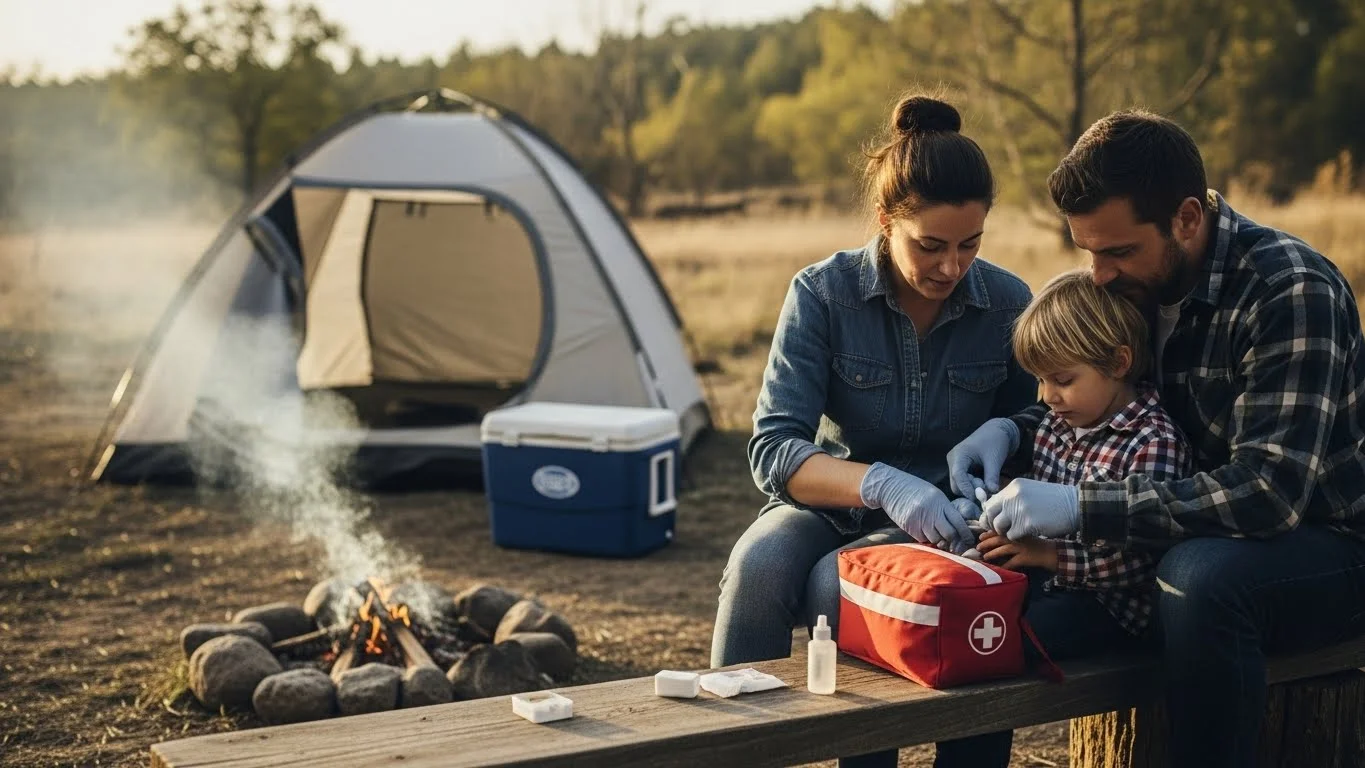
Understanding First Aid Basics
What is First Aid?
First aid is the immediate assistance provided to someone who is injured or becomes ill. It involves simple techniques that can save lives and reduce the severity of injuries. I remember the first time my child fell while we were on a family trip—my heart raced, but I quickly recalled what I had learned about basic first aid. It’s not just about having the right supplies; it’s about knowing how to use them effectively.
Importance of First Aid for Families
For families, having first aid knowledge is crucial. Kids are naturally curious and often get into situations where they could get hurt. Whether it’s a scraped knee from a fall or a bug bite while playing outside, being prepared can make a big difference. I feel that being equipped with first aid skills gives us, as parents, peace of mind. We can enjoy our trips without constantly worrying about what could go wrong. Plus, teaching our kids about safety and first aid empowers them to handle minor emergencies themselves. Read Interesting article: Essential First Aid Tips for Kids with Allergies
Common First Aid Scenarios for Kids
As a parent, I’ve encountered a variety of minor incidents during trips. Here are some common scenarios that I’ve faced, along with tips on how to handle them:
- Scrapes and Cuts: Kids are prone to minor injuries while exploring. I always carry antiseptic wipes and band-aids to clean and cover wounds quickly.
- Insect Bites: Bug bites can be itchy and uncomfortable. I’ve found that applying a cold compress can help soothe the irritation, and having antihistamine cream on hand is a lifesaver.
- Sunburn: If you’re traveling somewhere sunny, protecting your kids from sunburn is vital. I learned the hard way to apply sunscreen generously and often—especially on sensitive areas like the nose and shoulders.
- Allergic Reactions: If your child has known allergies, it’s essential to recognize and treat reactions quickly. I always carry an epinephrine auto-injector for my child who has a nut allergy, just in case.
- Minor Burns: Cooking or campfire accidents can lead to burns. I’ve found that running cool water over a burn immediately can help alleviate pain.
These experiences have taught me that being prepared for common injuries can make our travels smoother and less stressful. By knowing what to expect and how to respond, we can keep our kids safe while allowing them to enjoy their adventures.
It’s worth mentioning that while these situations can be handled at home, the urgency often feels heightened when you are away from your comfort zone. I’ve learned that each destination may present different risks, and understanding these can help in planning better safety measures.
In my experience, I’ve also realized that it’s not just the knowledge of first aid that matters, but also how quickly you can act. Keeping a calm demeanor can help reassure your child, allowing them to feel safe even in the face of minor mishaps. I remember a time when my youngest tripped and fell; I rushed to help them, but I made sure to speak soothingly, which helped them to relax.
Overall, knowing first aid basics can save time and reduce panic when accidents happen. It’s about being prepared and feeling confident in our ability to help our little ones, no matter where we are. As I look back on my own travel experiences, I can see how essential these skills have been for our family’s well-being. With a little preparation, we can turn potential crises into manageable moments, allowing us to focus on creating beautiful memories together.
Essential First Aid Supplies for Budget Trips
Must-Have First Aid Kit Items
When it comes to traveling with kids, having the right first aid supplies can make all the difference. I’ve learned that a well-stocked first aid kit doesn’t have to be fancy or expensive. Here are some must-have items that I keep in my kit:
- Adhesive Bandages: These are essential for minor cuts and scrapes. I always pack various sizes to cover different wound types.
- Antiseptic Wipes: I use these to clean wounds before applying bandages. It’s a small step that can prevent infections.
- Gauze Pads and Tape: For larger cuts, I find gauze pads and medical tape useful. They provide extra protection and absorb any bleeding.
- Antihistamines: Whether it’s for allergies or insect bites, having antihistamines on hand has saved us many uncomfortable nights.
- Pain Relievers: I always pack children’s acetaminophen or ibuprofen for those moments when a headache or fever strikes out of nowhere.
- Thermometer: It’s comforting to have a thermometer handy to check for fevers, especially when my kids seem a bit off.
- Instant Cold Packs: These are great for bumps and bruises. I’ve found that a cold pack can really help reduce swelling and pain.
- Burn Cream or Aloe Vera: After a sunburn incident, I make sure to include burn cream or aloe vera gel to soothe the skin.
These items form the backbone of my first aid kit. Each trip, I review the contents to ensure everything is stocked and ready to go, allowing me to feel confident we can handle any minor mishaps. Read Interesting article: Essential First Aid Tips for Common Kids’ Injuries
Budget-Friendly Alternatives for First Aid Supplies
Not everyone has the budget to splurge on high-end first aid kits, and I completely understand that. I’ve discovered some budget-friendly alternatives that work just as well. For instance, I often buy generic brands of supplies like band-aids and antiseptic wipes. They’re usually just as effective as the name brands but at a fraction of the cost.
Another tip I’ve learned is to repurpose items from home. Old pillowcases can be turned into soft cloths for cleaning wounds, and you can use a small ziplock bag to hold essential supplies. Even leftover prescription medications, if they are still valid, can be useful in case of emergencies. Just remember to label everything clearly!
When traveling, I also keep an eye out for local pharmacies to stock up on any essential items I might have forgotten. I’ve found that many places carry travel-sized versions of common first aid supplies, which save space and money.
How to Assemble a DIY First Aid Kit
Assembling your own DIY first aid kit can be fun and rewarding. I find it a great way to ensure I have just what I need without overspending. Here’s how I go about it:
- Start with a sturdy container: I use an old backpack or a small plastic bin. It’s important to have something durable, so we can easily transport it.
- Gather your supplies: Based on the must-have items mentioned earlier, I make a list of supplies to buy. I try to include both everyday items and a few extras for unique situations.
- Label everything: To make it easy to find what I need in a hurry, I label each compartment. I often include a small guide with instructions for common first aid scenarios.
- Check expiration dates: I’ve made it a habit to regularly check the expiration dates on medications and replace them as needed. This ensures that everything is effective when we need it.
- Involve the kids: I encourage my kids to help assemble the kit. This not only teaches them about safety but also allows them to know where everything is when they need it.
Creating a DIY first aid kit has been a great way for us to bond as a family while preparing for our adventures. Knowing we have a well-equipped kit gives me peace of mind as we traverse through our travels.
Basic First Aid Techniques Every Parent Should Know
CPR for Infants and Children
One of the most critical skills I believe every parent should be familiar with is CPR, especially for infants and children. I’ll never forget the day I took a CPR class. I was nervous but felt empowered knowing I could potentially save a life. For infants, the technique differs from that for older children and adults, so it’s essential to understand the specific steps. The general rule I learned is to use two fingers for chest compressions with infants and to keep the compressions gentle yet firm. For children, the heel of one hand is used for compressions, and the depth is a little more pronounced but still careful. In both cases, I remember that calling for emergency help is crucial while starting CPR. It’s a skill I hope I never have to use, but knowing it gives me peace of mind.
How to Treat Cuts and Scrapes
When it comes to cuts and scrapes, I’ve had my fair share of experiences—mostly with my kids! The first step is to stay calm and reassure them. I usually start by cleaning the wound with gentle soap and water. I remember during one of our trips, my youngest scraped their knee on the gravel. I cleaned it up and applied an antiseptic wipe, which I always keep handy. After that, I covered it with a bandage. It’s amazing how a simple bandage can bring comfort to a child. I’ve also found that letting them choose a fun band-aid can turn the whole experience into something more positive!
Managing Burns: Immediate Response
Burns can happen in a flash and can be quite frightening. I recall a family picnic where my oldest accidentally touched a hot grill. I quickly ran to her side and remembered that the first thing to do is to cool the burn with running water for at least 10 minutes. This helps alleviate the pain and reduce skin damage. After cooling the burn, I apply a burn cream if available, and if it’s severe, I always seek professional medical attention. It’s essential to teach kids to be careful around anything hot, but accidents happen, and knowing how to respond can really help in those moments.
Recognizing and Responding to Allergic Reactions
Allergic reactions can escalate quickly, and my personal experience has taught me the importance of being vigilant. I remember when my child had a mild reaction to a new food while traveling. The first signs were hives and itching, which I initially thought was just irritation. Understanding the symptoms can be life-saving. If you suspect an allergic reaction, I’ve learned to keep calm and assess the situation. For mild reactions, antihistamines can help, but for severe reactions, like difficulty breathing or swelling of the face, having an epinephrine auto-injector is crucial. I always keep mine accessible and am familiar with how to use it. It’s a step that can make all the difference.
Handling Sprains and Strains
Sprains and strains can happen on any family adventure, whether it’s running around at the park or hiking. I remember hiking with my kids when my youngest tripped and twisted her ankle. The first thing I did was to help her sit down and elevate her foot. I’ve learned that following the R.I.C.E. method—Rest, Ice, Compression, and Elevation—can be quite effective. I applied a cold pack (or a bag of frozen peas, which works just as well) to reduce swelling. I always keep an elastic bandage in my kit to wrap around the injury for compression. It’s important to keep the child calm and reassure them while addressing the injury. Knowing how to handle these situations makes a significant difference in how the child perceives the pain and discomfort.
These first aid techniques are just a few that I’ve found invaluable during our travels. Being prepared with the knowledge of how to respond in various situations helps me feel more at ease when my kids are out exploring. It’s not just about the supplies we carry but also about the confidence we build through learning and practicing essential first aid skills. I encourage every parent to seek out classes or resources to ensure that we can handle these situations effectively, giving us the peace of mind to enjoy family adventures fully.
Preventive Measures for Family Travel
Staying Safe While Traveling: Tips for Parents
As I’ve traveled with my kids, I’ve learned that prevention is the best medicine. Being proactive can help us avoid many accidents before they happen. I always make it a point to talk to my children about safety rules, especially when we’re in new environments. For instance, we discuss the importance of staying close to each other in crowded places, like amusement parks or busy streets. I often remind them to look both ways before crossing the road, and we practice this safely together. It’s amazing how much a little preparation can set the tone for a fun and safe adventure.
Another important tip is to keep an eye on the weather. Before heading out for the day, I check the forecast to ensure we’re dressed appropriately. Sunscreen, hats, and water bottles are must-haves for sunny days, while layers and rain jackets are essential for cooler or wet conditions. I remember one trip where I overlooked the weather, and we ended up soaked in a sudden downpour. Being prepared can make all the difference in keeping spirits high during our outings.
How to Avoid Common Injuries During Trips
Over the years, I’ve discovered some simple strategies to minimize common injuries while traveling. For starters, I always make sure my kids wear appropriate footwear. Sneakers or hiking shoes provide good support and help prevent trips and falls. I recall a family hike when my daughter wore flip-flops, which led to a nasty scrape. Since then, I’ve been adamant about proper footwear.
Additionally, I try to choose safe play areas when we’re out, like parks with soft surfaces or regulated playgrounds. If we’re exploring nature, we discuss the potential hazards, like avoiding steep cliffs or slippery rocks. It’s all about making informed choices together. I believe empowering my kids with knowledge about their surroundings helps them navigate safely.
Travel Health Insurance: Is It Worth It?
This is a topic that I’ve pondered quite a bit. I used to think health insurance was just an extra expense, but after a few close calls, I’m a firm believer in its value. When traveling, we’re often away from our usual healthcare providers, and accidents can happen. Having travel health insurance gives me peace of mind knowing that if something unexpected occurs, we have coverage. I remember a trip when my youngest needed medical attention for an allergic reaction. Luckily, we had insurance, which eased the financial burden of the visit. I recommend evaluating your family’s needs and considering travel health insurance as a worthwhile investment for peace of mind while exploring new places.
First Aid Resources for Parents on the Go
Mobile Apps for First Aid Guidance
In today’s digital age, I’ve found that having quick access to information can be a lifesaver. There are several mobile apps designed specifically for first aid guidance. One of my favorites is the American Red Cross First Aid app. It provides step-by-step instructions for various scenarios, which I find incredibly handy. I can quickly look up how to respond to a burn or allergic reaction while on the go. I also appreciate that many apps offer videos and quizzes, which make learning fun and engaging for both me and my kids.
When to Seek Professional Medical Help
Knowing when to seek professional medical help is crucial, and I’ve learned this lesson through experience. I remember a family vacation when one of my kids had a persistent fever that didn’t respond to over-the-counter medication. I hesitated, thinking it might be a passing illness, but eventually decided to seek help. It turned out to be a simple infection that needed treatment. Now, I trust my instincts and don’t hesitate to seek medical attention when something feels off. I believe it’s better to be safe than sorry, and having a plan for where to go for medical help while traveling is always wise.
Finding Nearby Medical Facilities While Traveling
One of the first things I do upon arriving at a new destination is to locate nearby medical facilities. I usually search online or ask at the hotel reception for the nearest clinic or hospital. Having this information on hand helps alleviate any anxiety about potential medical emergencies. I remember a time we were in a remote area, and I was grateful I had done this research ahead of time. Familiarizing myself with the local healthcare options has since become part of my travel prep routine.
Final Thoughts
Traveling with kids is one of the most rewarding experiences, but it does come with its own set of challenges. By arming ourselves with first aid knowledge, having the right supplies, and implementing preventive measures, we can ensure that our adventures are not only enjoyable but also safe. I think the key is preparation; taking the time to learn and plan gives us the confidence to handle any minor mishaps that may arise. I encourage all parents to invest in first aid education and resources, as these efforts will pay off during family travels. Let’s embrace the journey, cherish the memories we create, and feel empowered knowing we can care for our loved ones no matter where we go.
Frequently Asked Questions
What is first aid?
First aid is the immediate assistance provided to someone who is injured or becomes ill. It involves simple techniques that can save lives and reduce the severity of injuries.
Why is first aid knowledge important for families traveling with kids?
Having first aid knowledge is crucial for families because kids can often get into situations where they could get hurt. Being prepared can give parents peace of mind and help them enjoy their trips without constant worry.
What are some common first aid scenarios parents may encounter while traveling?
Common scenarios include scrapes and cuts, insect bites, sunburn, allergic reactions, and minor burns. Each of these requires specific responses to effectively manage the situation.
What essential items should be included in a first aid kit for budget trips?
Must-have items include adhesive bandages, antiseptic wipes, gauze pads and tape, antihistamines, pain relievers, a thermometer, instant cold packs, and burn cream or aloe vera.
How can parents assemble a DIY first aid kit?
To create a DIY first aid kit, start with a sturdy container, gather the essential supplies, label everything for easy access, check expiration dates regularly, and involve the kids in the assembly process.
What is the CPR technique for infants and children?
For infants, use two fingers for gentle chest compressions, while for children, use the heel of one hand with slightly deeper compressions. Always call for emergency help while starting CPR.
How should parents respond to a cut or scrape?
Parents should stay calm and reassure the child, clean the wound with soap and water, apply an antiseptic wipe, and cover it with a bandage. Letting the child choose a fun band-aid can help turn the experience positive.
What should be done immediately after a burn occurs?
The first response is to cool the burn under running water for at least 10 minutes, then apply burn cream if available. If the burn is severe, seek professional medical attention.
When should parents seek professional medical help while traveling?
Parents should seek medical help when they notice persistent symptoms that don’t improve, such as a fever that doesn’t respond to over-the-counter medication, or any other concerning signs that feel off.
How can parents find nearby medical facilities while traveling?
Upon arriving at a new destination, parents can locate nearby medical facilities by searching online or asking at the hotel reception for the nearest clinic or hospital.