
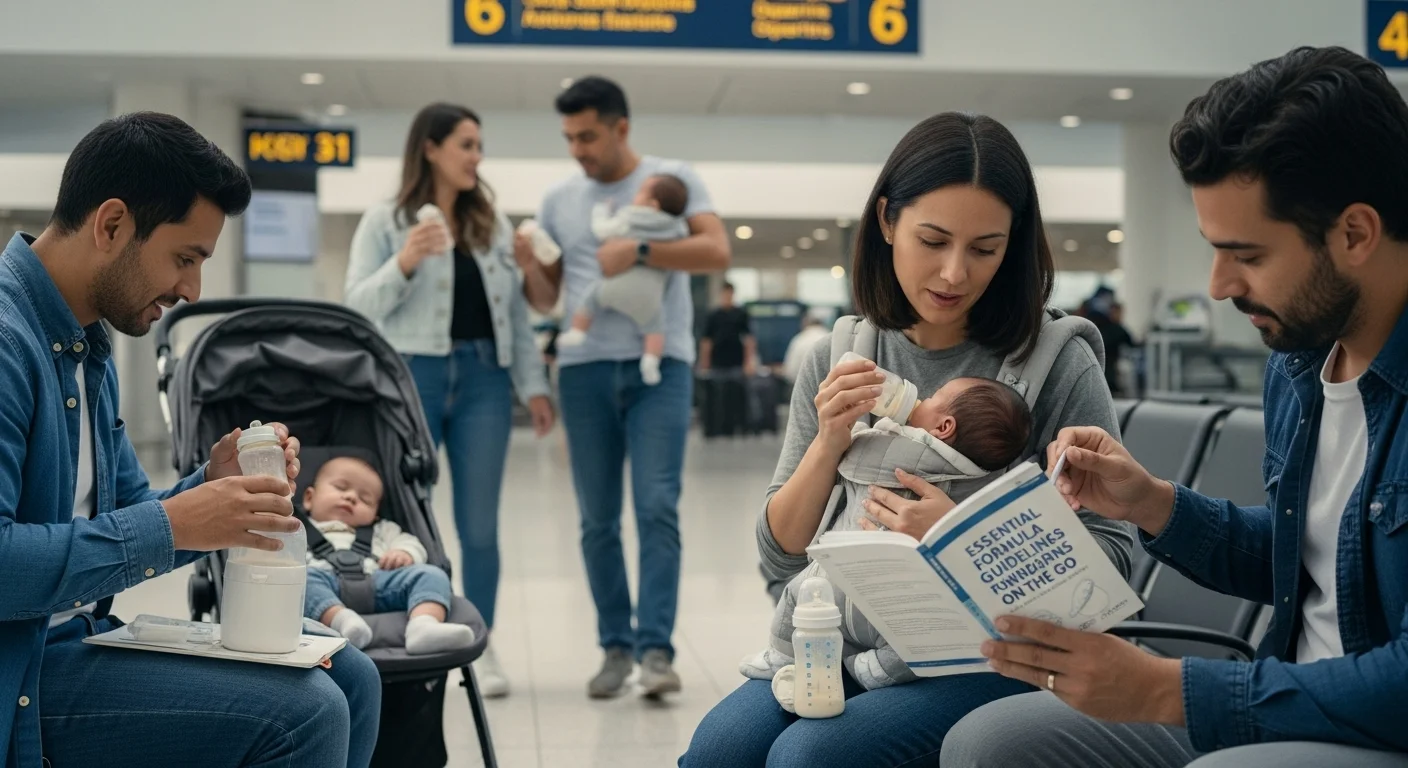
Formula feeding on the go can seem daunting for new parents, but with the right guidelines, it can be a smooth experience. Let’s dive into the essentials of formula feeding to keep your little one nourished and happy, no matter where life takes you! Read Interesting article: Breastfeeding Basics for Adventurous Backpacking Parents
Understanding Formula Feeding Basics
What is Formula Feeding?
When I first became a parent, I quickly learned that feeding my newborn was one of the most vital parts of our daily routine. Formula feeding refers to providing infants with a specially formulated milk substitute that meets their nutritional needs. Unlike breastfeeding, which is a natural source of nutrients, formula is created in a lab to mimic breast milk as closely as possible. For some parents, like myself, formula feeding is a choice; for others, it may be a necessity due to various reasons like challenges with breastfeeding or personal preferences. Regardless of the reason, understanding formula feeding is key to ensuring that our babies thrive.
Types of Infant Formula
There are several types of infant formula available on the market, and the variety can be overwhelming. I remember standing in the baby aisle, staring at rows of colorful boxes, unsure of which one to choose. Here’s a breakdown of the main types:
- Powdered Formula: This is the most economical option and requires mixing with water. I found this to be a great choice for home use, as I could prepare larger batches ahead of time.
- Liquid Concentrate: This formula needs to be diluted with water and is ideal for those who want something quick. I liked keeping a few of these on hand for outings.
- Ready-to-Feed Formula: This is the most convenient type, requiring no preparation. However, it can be pricier. I often relied on this for travel, as it was less messy and easier to manage on the go.
Choosing the Right Formula for Your Newborn
Choosing the right formula for your newborn can feel like a trial-and-error process, but it’s essential to find one that suits your baby’s needs. I learned that consulting with a pediatrician can be incredibly helpful. They can provide insights based on your baby’s health, growth rate, and any specific dietary needs. It’s also important to consider any allergies or sensitivities in your family. For example, some formulas are designed for babies with lactose intolerance or those who are allergic to cow’s milk protein. I remember when I switched formulas a couple of times until I found the one that agreed with my baby’s tummy. Pay attention to how your baby reacts after feedings; signs of discomfort or digestive issues might indicate it’s time for a change. Read Interesting article: Unraveling Labor Myths: Truths Every Parent Should Understand
Preparation for On-the-Go Formula Feeding
Essential Gear for Traveling with Formula
Preparing for on-the-go formula feeding requires some thoughtful gear. When we started traveling, I realized that packing the right items made all the difference. Some essentials I recommend include:
- Insulated Bottle Bag: This keeps your prepared formula at the right temperature. I loved mine during road trips!
- Formula Dispensers: These handy containers allow you to pre-measure servings. I found them to be lifesavers when you’re juggling a baby and other travel tasks.
- Portable Bottle Warmer: If your baby prefers warm formula, a bottle warmer designed for travel can be a great investment.
- Wipes and a Changing Mat: Keeping things clean is crucial, especially when you’re feeding in public. I always kept a stash of wipes and a portable changing mat in my diaper bag.
How to Store Formula Safely While Traveling
Storing formula safely while traveling is something I became quite diligent about. It’s important to avoid spoilage or contamination. For powdered formula, I always made sure to use an airtight container and keep it in a cool, dry place. If I was using ready-to-feed or prepared formula, I kept it chilled with ice packs in the insulated bag. I learned that it’s crucial to use prepared formula within two hours if it’s been at room temperature, or within 24 hours if stored in the fridge, so timing is everything when you’re on the move.
Preparing Formula in Different Settings
Preparing formula in different settings can be a challenge, but I found it becomes easier with practice. Whether you’re at a friend’s house or on a long car ride, having a plan helps. On road trips, I would pre-mix a few bottles before leaving, which allowed me to focus on enjoying the journey instead of stressing about feedings. When we were out and about, I would often look for family-friendly cafes or restaurants that had facilities where I could easily heat a bottle or prepare formula. Many places are accommodating, especially if you ask politely.
Feeding Guidelines for Newborns
Recommended Feeding Schedule for Newborns
When I first started formula feeding, I quickly discovered that establishing a feeding schedule was crucial. Newborns typically need to eat about every 2 to 3 hours, which can feel overwhelming at first. I remember feeling a bit like a human alarm clock, waking up in the middle of the night to make sure my baby was fed. It’s essential to pay attention to your baby’s cues and adjust the schedule as needed. Some days, it felt like my little one was hungry all the time, while others, they seemed content to stretch out their feedings. The key is to trust your instincts and remain flexible. Most pediatricians suggest feeding on demand, which means responding to your baby’s hunger cues rather than adhering strictly to the clock. This approach not only helps your baby get the nourishment they need but also strengthens the bond between you two.
Signs Your Newborn is Hungry
Identifying when your newborn is hungry can sometimes feel like deciphering a code. I found that learning to recognize the signs was a game-changer for us. Common hunger cues include rooting (turning their head and opening their mouth), smacking their lips, or putting their hands to their mouth. I remember the first time I noticed my baby quietly fussing before they cried. I realized it was easier to feed them before they got upset. As I got more familiar with these signals, it became second nature to respond quickly to their needs. Remember, feeding your baby promptly can help avoid unnecessary crying and ensure a more enjoyable feeding experience for both of you.
Proper Feeding Techniques
Feeding techniques play an important role in making the formula-feeding process smooth and comfortable for your baby. I learned that holding my baby in a semi-upright position not only made them feel secure but also helped prevent any choking hazards. It’s essential to keep the bottle at an angle that fills the nipple with formula to avoid air bubbles, which can cause gas. I often found it helpful to switch sides during feedings, similar to breastfeeding, to give my baby different views and prevent them from getting too comfortable on one side. Burping is also an important part of the process, which I’ll touch on shortly. Overall, creating a calm environment and making eye contact while feeding can foster a lovely bonding experience.
How to Burp Your Baby While Traveling
Burping my baby was something I initially underestimated. I quickly learned that it’s essential for preventing discomfort from gas. When we were out and about, I had to get creative with how I handled burping. I discovered that using a lightweight blanket or burp cloth made it easier to catch any spit-up. I’d either hold my baby upright against my shoulder or sit them on my lap, gently patting their back. It was a bit tricky at first, especially when I was in a crowded café or on a long car ride, but I found that staying calm and relaxed helped my baby feel secure during the process. Plus, it was a good excuse to take a break and snuggle a bit. I recommend keeping burping sessions brief but effective—just a few minutes can make all the difference, especially if you notice your baby seems fussy after a feeding.
Travel-Friendly Formula Feeding Tips
Using Pre-Mixed Formula vs. Powdered Formula
When it comes to choosing between pre-mixed and powdered formula during travel, I found that both options have their pros and cons. Pre-mixed formula is incredibly convenient; it’s ready to go and requires no preparation, which is great for those spontaneous trips. However, it can take up more space and often costs a bit more. On the other hand, powdered formula is more economical and lighter to carry, but it does require some prep time. During one of our family vacations, I decided to bring powdered formula for the travel days and pre-mixed for when we reached our destination. This way, I could enjoy the ease of ready-to-feed bottles during hectic moments while having the flexibility of powdered formula for longer trips.
Best Practices for Heating Formula on the Go
Heating formula while on the go can be a bit of a puzzle, but I learned a few tricks that made it much smoother. A portable bottle warmer was one of my best investments. I would fill it with hot water before leaving home, so I could warm the bottle whenever needed. If we were in a pinch, I’d also use a cup of warm water from a café to quickly heat the bottle. I found that some restaurants were happy to help, especially if I explained that it was for my baby. However, I made sure never to microwave the formula, as it can create hot spots that might burn my little one’s mouth. Keeping it simple and always having a backup plan eased my mind while traveling.
How to Feed Your Baby While in Transit
Feeding your baby while in transit can feel like a juggling act. I remember being on a long flight where I had to navigate feeding while seated in my cramped airplane seat. I quickly learned that having everything within arm’s reach was vital—so, I kept the formula, bottles, and wipes in the seat pocket. I also preferred to feed during takeoff or landing, as it helped with ear pressure and kept my baby calm. When we were on road trips, I would plan our stops around feeding times, ensuring we took breaks where I could comfortably feed my baby. It’s all about being prepared and adapting to the situation, and with a little practice, I found it became much easier to manage.
Common Challenges and Solutions
Dealing with Formula Spills During Travel
One of the most frustrating challenges I faced while formula feeding on the go was dealing with spills. I can’t tell you how many times I opened my diaper bag to find a bottle that had leaked everywhere. It was a mess! I learned a few tricks to minimize the chances of spills. First, investing in high-quality, leak-proof bottles made a world of difference. I also discovered that using a bottle with a wide mouth made it easier to clean and less likely to spill. When packing for trips, I would wrap each bottle in a small cloth or place it in a separate compartment of my bag to contain any potential mess. If a spill did occur, having extra wipes and a small towel handy allowed me to clean up quickly and efficiently. It’s all about being prepared and staying calm, even when things don’t go as planned.
Managing Baby’s Digestive Issues on the Road
Traveling with a baby can sometimes lead to digestive issues, and I found this to be especially true with formula feeding. I remember a particular road trip where my little one seemed uncomfortable and gassy, which made for a challenging few hours. I realized that some babies might react differently to changes in routine or diet, so keeping an eye on how my baby was doing was essential. If I noticed signs of discomfort, I would try to stick to a routine as much as possible, maintaining feeding times and methods that worked well at home.
Another thing I did was to bring along some tummy-friendly items. We discovered that having a few warm compresses or a small heating pad (used safely) could help soothe my baby’s tummy during road trips. Also, I learned to incorporate gentle tummy massages into our travel routine. This not only helped with digestion but also provided comfort and bonding time. If your baby has a known sensitivity or condition, like reflux, it’s crucial to consult with a pediatrician before traveling to ensure you have a plan in place.
Finding Clean Feeding Locations While Traveling
When it comes to feeding in public, I remember the first time I felt a bit anxious about finding a clean place to prepare formula. I quickly discovered that many locations are more accommodating than I initially thought. I would often scout out family-friendly cafes or restaurants that had changing tables and a clean environment. Many places have a policy to help parents, so if I asked, I usually found staff willing to assist with warming a bottle or giving me access to a clean area. Read Interesting article: Affordable Packing List for Labor and Delivery Travel
Another tip that worked well for us was to use apps or online maps that highlight baby-friendly locations. Some apps even have reviews from other parents, which can help find clean and comfortable spots. I would also pack a portable high chair or blanket to create a clean feeding space wherever we ended up. It’s all about being resourceful and open to new experiences while ensuring my baby gets fed in a safe and tidy environment.
Health and Safety Considerations
Keeping Formula Clean and Safe
Ensuring the cleanliness and safety of formula was something that weighed heavily on my mind during our travels. I learned that maintaining strict hygiene practices is key to preventing contamination. When preparing bottles, I would always wash my hands thoroughly before handling any feeding supplies. I also carried hand sanitizer for those moments when soap and water weren’t readily available.
In terms of storage, I made sure to keep formula containers sealed and stored in a clean, dry area. I also learned to regularly check the expiration dates on my formula and supplies to avoid any unpleasant surprises. If I ever had any doubts about the cleanliness of a bottle or container, I would wash it again just to be safe. Following these practices gave me peace of mind while on the go.
Traveling with Allergies or Sensitivities
If your baby has allergies or sensitivities, traveling can add another layer of complexity to formula feeding. I remember being particularly cautious about this when we were out and about. It’s essential to thoroughly read labels on any formula or food you might be using, ensuring that it aligns with your baby’s dietary restrictions. I also carried a list of ingredients and potential allergens in case I needed to refer to it while on the road.
Another great strategy I found was to reach out to the places we planned to visit ahead of time. I would call restaurants to inquire about their food preparation practices, especially if they had options for babies or were willing to accommodate specific dietary needs. This proactive approach helped me feel more comfortable and prepared during our travels.
When to Consult a Pediatrician About Formula Feeding
There were times during our travels when I felt uncertain about the best practices for formula feeding, especially if my baby seemed off or had any unusual reactions. Consulting with a pediatrician is always a good idea if you have any concerns. I learned that it’s essential to reach out if your baby experiences persistent digestive issues, signs of allergy, or if you’re unsure whether a specific formula is right for them. Having that support can offer reassurance and guidance, especially when navigating the challenges of travel. Seeking advice before heading out can also help make your journey smoother, ensuring that you’re well-prepared for any bumps along the way.
Frequently Asked Questions
What is formula feeding?
Formula feeding refers to providing infants with a specially formulated milk substitute that meets their nutritional needs. It is created in a lab to mimic breast milk and can be a choice or necessity for parents due to various reasons.
What are the types of infant formula?
The main types of infant formula are powdered formula, which is economical and requires mixing with water; liquid concentrate, which needs to be diluted with water; and ready-to-feed formula, which requires no preparation but is pricier.
How can I choose the right formula for my newborn?
Choosing the right formula can involve trial and error. Consulting with a pediatrician can provide insights based on your baby’s health, growth rate, and dietary needs. Additionally, consider any family allergies or sensitivities.
What essential gear do I need for traveling with formula?
Essential gear for on-the-go formula feeding includes an insulated bottle bag, formula dispensers for pre-measuring servings, a portable bottle warmer, wipes, and a changing mat to keep everything clean.
How should I store formula safely while traveling?
To store formula safely while traveling, use airtight containers for powdered formula and keep it in a cool, dry place. For ready-to-feed or prepared formula, keep it chilled with ice packs and use it within specified time limits to avoid spoilage.
What are the recommended feeding guidelines for newborns?
Newborns typically need to eat about every 2 to 3 hours. It’s important to pay attention to your baby’s hunger cues and adjust the feeding schedule as needed, often feeding on demand rather than strictly adhering to the clock.
How can I identify when my newborn is hungry?
Common hunger cues in newborns include rooting, smacking their lips, or putting their hands to their mouth. Learning these signals can help you respond quickly to your baby’s needs and avoid unnecessary crying.
What are some tips for feeding my baby while in transit?
When feeding your baby while in transit, keep all feeding supplies within arm’s reach, consider feeding during takeoff or landing on flights, and plan road trip stops around feeding times for comfort.
How can I manage formula spills during travel?
To manage formula spills, invest in high-quality, leak-proof bottles, use bottles with wide mouths for easier cleaning, and pack bottles carefully in your bag. Having extra wipes handy can help clean up any spills quickly.
When should I consult a pediatrician about formula feeding?
Consult a pediatrician if your baby experiences persistent digestive issues, signs of allergy, or if you’re unsure whether a specific formula is right for them. It’s also helpful to seek advice before traveling for added reassurance.