
Traveling while pregnant can be both exciting and challenging, especially when it comes to staying hydrated. As we embark on our journeys, understanding how to maintain proper hydration is essential for both our health and our baby’s well-being. Additionally, considering Quick and Healthy Meal Plans for Pregnant Backpackers can enhance your travel experience.
Understanding Hydration During Pregnancy
The Importance of Staying Hydrated
Staying hydrated during pregnancy is crucial for various reasons. Personally, I’ve always viewed hydration as a foundation for overall health, but during pregnancy, it takes on a new level of importance. Water helps to form amniotic fluid, supports nutrient transportation, and aids in the development of the placenta. I remember during my pregnancy, when I was well-hydrated, I felt more energetic and less fatigued. It’s incredible how something as simple as water can impact our well-being so significantly.
How Pregnancy Affects Hydration Needs
As our bodies change, so do our hydration needs. Pregnancy naturally increases our blood volume and metabolic rate, which means we need more water than we might have before. I learned that, on average, pregnant women should aim for about 10 cups of fluids a day, but this can vary based on individual circumstances. Factors like climate, activity level, and dietary choices can all influence how much we need to drink. For me, staying aware of these changes helped me adjust my hydration habits accordingly. For more insights on nutrition, I recommend checking out Essential Healthy Meal Plans for Pregnant Travelers.
Pre-Travel Hydration Planning
Consulting with Your Healthcare Provider
Before embarking on any travel, consulting with my healthcare provider was a game-changer. I felt reassured knowing I could discuss my travel plans and ask questions about hydration. They provided personalized advice based on my health and pregnancy journey. If you’re planning a trip, I highly recommend reaching out to your provider to ensure you’re set for your adventure.
Assessing Your Hydration Needs Before Travel
Understanding your hydration needs is a critical step in pre-travel planning. I took some time to assess how much water I typically consumed daily and how that might change with travel. Sometimes, it’s easy to underestimate our needs when we’re busy or in new environments. I found it helpful to keep a water bottle handy and track my intake, especially when I was away from home. This helped me stay on top of my hydration goals and ensured that I didn’t get caught off guard.
Choosing the Right Beverages While Traveling
Water: The Best Choice for Hydration
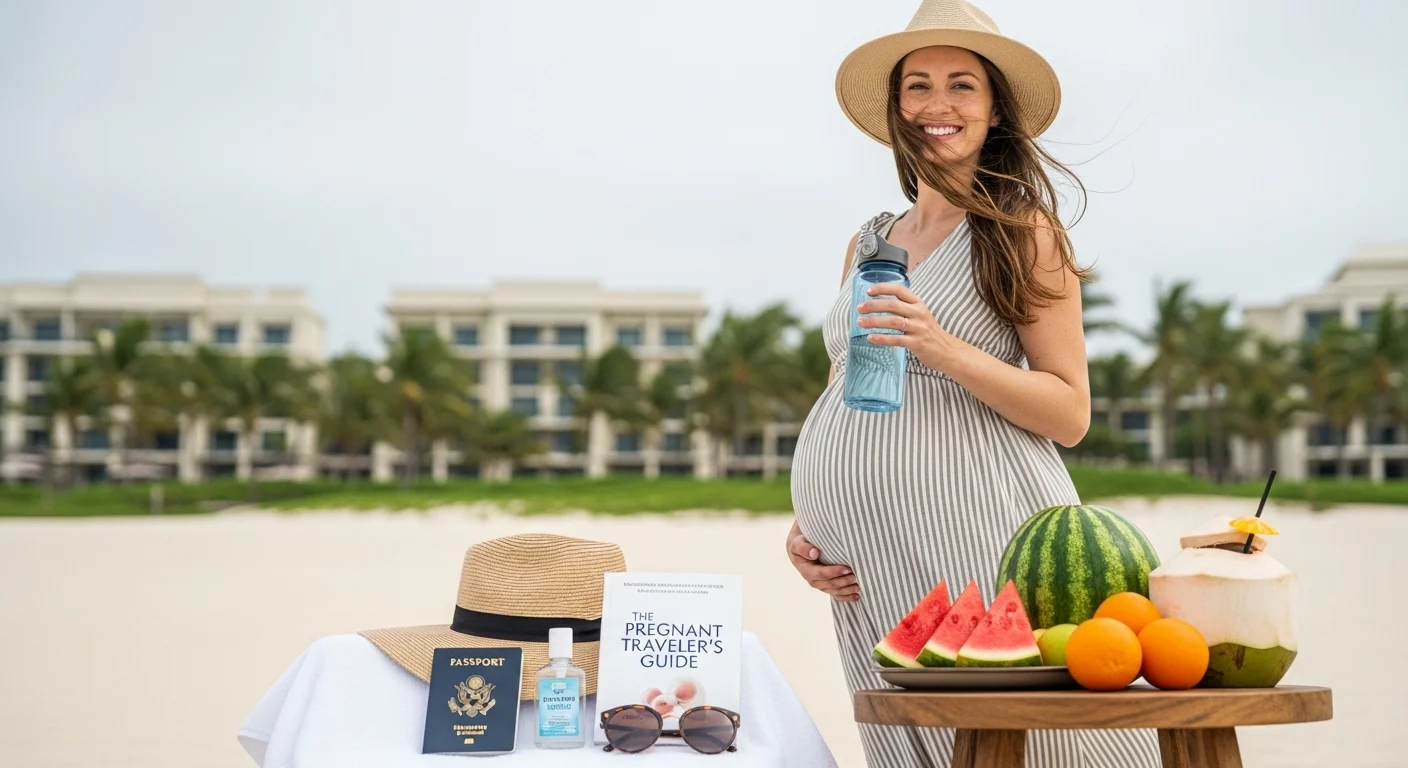
When it comes to hydration, water is my absolute favorite choice. It’s pure and effective. During my travels, I prioritized drinking water, especially when I was in hot climates. I always made it a point to have a refillable water bottle with me, which made it easy to drink frequently. I discovered that many places have water refill stations, so I could keep my bottle filled without having to buy bottled water constantly. It’s not just eco-friendly but also cost-effective!
Electrolyte Drinks and Their Benefits
Sometimes, especially during long trips, I found myself needing something a little different. That’s where electrolyte drinks come into play. They can help replenish lost minerals and maintain hydration, particularly if you’re sweating more than usual. I remember trying a few different brands and found that coconut water was an enjoyable and natural option. It felt refreshing and hydrating at the same time.
Avoiding Caffeinated Beverages
I used to love my morning coffee, but during pregnancy, I became more mindful of my caffeine intake. Caffeine can lead to dehydration, so I made a conscious decision to limit my coffee and soda consumption while traveling. Instead, I opted for herbal teas or decaf options, which I found to be soothing and hydrating. It’s all about finding alternatives that work for you while ensuring you stay hydrated.
Alcohol and Pregnancy: What You Need to Know
This topic is one I took very seriously during my travels. I learned that there’s no known safe amount of alcohol during pregnancy, so I avoided it entirely. It felt empowering to make choices that prioritized my health and my baby’s health. If you’re traveling and find yourself in social situations where alcohol is present, don’t hesitate to order non-alcoholic drinks. Mocktails can be delicious and refreshing, and I enjoyed discovering new recipes while exploring different cultures.
Hydration Strategies for Different Travel Modes
Air Travel: Staying Hydrated in the Sky
Flying can be particularly dehydrating. I noticed that the cabin air is often very dry, so I made it a priority to drink water before and during the flight. I brought my refillable water bottle onboard, and I asked the flight attendants for water regularly. They were always accommodating, which made it easier to stay hydrated. I also took moisturizing lip balm and lotion to combat dryness, which I found helped me feel more comfortable during the journey.
Road Trips: Easy Hydration Solutions
Road trips are such a fun way to explore, but they can get a little hectic. I discovered that packing a cooler with water bottles and hydrating snacks made a huge difference. Every time we stopped for a break, I made sure to refill my bottle and encourage my travel companions to do the same. I found that carrying snacks like fruits with high water content, such as watermelon and oranges, helped us all stay hydrated and energized for the journey ahead.
Cruise Travel: Hydration on the High Seas
Cruising can be a unique experience when it comes to hydration. I remember feeling a bit overwhelmed with all the dining options. I made it a point to choose water over sugary beverages during meals. Many cruise lines offer water stations, which I took advantage of. I also learned that staying hydrated while lounging by the pool was essential, so I made sure to keep my drink close by while soaking up the sun.
Tips for Maintaining Hydration on the Go
Using Reusable Water Bottles Effectively
One of the best decisions I made while traveling was investing in a good reusable water bottle. I found that having it with me made it so much easier to stay hydrated. I chose a bottle that was easy to carry and had a wide mouth for quick filling. I often filled it up at restaurants, airports, and hotels, ensuring that I always had water on hand. It was comforting to know that I could hydrate whenever I needed to, without relying on purchasing bottled water. Plus, it felt good to contribute to reducing plastic waste! I even decorated my bottle with stickers to make it feel more personal, which was a fun way to keep me motivated to drink more water.
Snack Choices That Promote Hydration
While traveling, I realized that what I ate was just as important as how much I drank. Hydrating snacks became my best friends. I remember carrying things like cucumbers, strawberries, and grapes with me. These snacks are not only refreshing but also packed with water. When we stopped for a picnic or a quick bite, I made sure to choose foods that contributed to my hydration. I found that keeping snacks like yogurt or smoothies handy also helped, as they provided a delicious way to keep my fluid intake up. Eating these hydrating foods not only quenched my thirst but also kept my energy levels stable during long days of exploration. For additional insights, you can refer to Essential Dietary Tips for Pregnant Backpackers Abroad.
Setting Reminders to Drink Water
In the hustle and bustle of travel, it’s easy to forget to drink water. I’ve been there! To combat this, I started setting reminders on my phone. Every couple of hours, I would get a nudge to take a sip. I also used apps that track water intake, which turned drinking water into a little game. It was satisfying to see my progress over the day and encouraged me to keep going. When traveling with friends or family, I made it a group effort. We would remind each other to drink up, turning hydration into a fun challenge. These small tweaks made a big difference in how I felt throughout the day.
Identifying Signs of Dehydration
Common Symptoms to Watch For
Staying in tune with my body while traveling was something I made a priority. I learned to recognize the signs of dehydration early on. For me, the first symptoms I experienced were dry mouth and feeling a bit more fatigued than usual. I also noticed that I was less focused and didn’t have the same energy for activities. Another symptom was dark urine, which I learned is a clear indicator that I needed to drink more water. I remember one afternoon, I felt unusually dizzy while sightseeing. It turned out that I hadn’t been drinking enough water! Listening to these signals from my body helped me quickly take action to rehydrate.
When to Seek Medical Attention
While minor dehydration can often be managed easily, I realized that there are times when it’s important to seek medical attention. If you experience persistent symptoms like extreme thirst, confusion, or dizziness, it’s a good idea to check in with a healthcare professional. I once found myself feeling unwell after a long day in the sun, and I knew it was time to take it seriously. Hydration is crucial, especially during pregnancy, and I learned that being proactive can prevent more serious issues. If you ever feel concerned about your hydration status or your health in general, don’t hesitate to reach out for help.
Hydration Tips for Different Climates
Traveling in Hot Weather
Traveling to hot destinations can be both thrilling and challenging for hydration. I remember my trip to a tropical location where the sun was relentless. I made it a point to drink water even before I felt thirsty, as I learned that by the time you feel thirsty, you’re already dehydrated. I also took frequent breaks in the shade whenever possible, which helped keep my body cool. Another tip I found helpful was wearing lightweight, breathable clothing that kept me comfortable while exploring. Keeping an eye on my hydration levels during those hot days was crucial for enjoying my trip to the fullest!
Staying Hydrated in Cold Weather
On the flip side, traveling to colder climates presented its own unique challenges. I used to think I didn’t need to drink as much water in winter, but I quickly learned that the dry air and indoor heating can lead to dehydration just as easily. I made a conscious effort to carry warm herbal teas or broth in a thermos, which kept me warm and hydrated at the same time. I also kept a water bottle in my bag to remind myself to sip regularly, even if I didn’t feel thirsty. Staying hydrated in cold weather was key to keeping my energy levels up and feeling my best while enjoying the winter wonderland.
Hydration and Travel Safety
Choosing Safe Drinking Water Sources
One of the most critical aspects of staying hydrated while traveling is ensuring the water you drink is safe. I learned this lesson the hard way during a trip abroad when I accidentally drank tap water. To avoid similar situations, I always opted for bottled water or asked locals about the safety of the water. I also carried water purification tablets just in case I found myself in a pinch. It gave me peace of mind knowing I had a backup plan. Staying safe while hydrating is essential for a worry-free travel experience.
Avoiding Contaminated Water While Traveling
Being cautious about where I got my water was key to a healthy trip. Aside from avoiding tap water in uncertain areas, I steered clear of ice in drinks unless I was confident it was made from purified water. Street food is delicious, but sometimes the water used in prep can be questionable. I learned to stick with well-cooked foods and peelable fruits, which helped minimize my risk of getting sick. It’s all about being mindful and making informed decisions to keep both myself and my baby healthy while exploring new places.
Practical Hydration Tips for Pregnant Travelers
Pack Hydration Essentials
Packing for a trip while pregnant involves a bit more thought, especially when it comes to hydration. I learned that having the right hydration essentials can make a world of difference. I always made sure to include a high-quality reusable water bottle in my bag. It wasn’t just any bottle, though; I chose one that kept my drinks cold for hours. It was like having a little piece of home with me, reminding me to drink more water throughout the day. I also packed electrolyte packets that I could easily mix with water, which came in handy during long outings. These small additions made staying hydrated feel effortless, even during busy days of exploring.
Hydration While Sightseeing
When I was out and about sightseeing, I realized that staying hydrated often took a back seat to the excitement of discovering new places. I made it a habit to plan hydration breaks into my itinerary. I found that stopping at cafes or parks not only allowed me to rest my legs but also gave me a chance to refill my water bottle and enjoy a refreshing drink. I discovered that many museums and attractions had water fountains, so I made sure to take advantage of those as well. Carrying a small backpack with snacks and my water bottle became my go-to strategy, ensuring I had everything I needed at my fingertips. This way, I could enjoy the scenery and stay hydrated without any worries.
Staying Hydrated at Accommodations
I always checked in advance if my accommodations offered complimentary bottled water or if there were water stations available. During my travels, I discovered that many hotels and hostels provide guests with easy access to filtered water, which made my life so much easier. I filled my bottle every morning before heading out. I also learned to keep a glass of water by my bedside. It became a delightful ritual for me to sip water first thing in the morning and before going to bed. Staying hydrated while at my accommodations helped me maintain energy levels, and I felt more refreshed after a good night’s sleep.
Finding Balance Between Adventure and Hydration
Don’t Overdo It on the Side Activities
When traveling, it’s easy to get swept up in all the exciting activities. I found myself sometimes overcommitting to tours and excursions. I started to realize that my hydration levels could suffer if I didn’t pace myself. So, I began to prioritize activities that allowed for breaks where I could hydrate. For example, instead of booking back-to-back excursions, I would leave some time in between to rest and drink water. This approach not only helped me stay hydrated but also allowed me to enjoy each experience more fully without feeling rushed.
Listen to Your Body
One of the most valuable lessons I learned while traveling pregnant was to listen to my body. I became more attuned to the signals my body was sending me. If I felt even slightly fatigued or noticed a dry mouth, I would take a moment to drink some water. I started carrying a small notepad to jot down how I felt throughout the day, which included my hydration levels. This simple practice helped me stay accountable to myself and ensure that I was meeting my hydration goals.
Staying Flexible
Travel plans can change in an instant, and I learned to remain flexible. Sometimes the weather didn’t cooperate, or I discovered a new place that piqued my interest. During those times, I made sure to adapt my hydration strategy. If I found myself unexpectedly walking longer distances, I would seek out nearby cafes or convenience stores to grab a bottle of water. Keeping a flexible mindset helped me maintain my hydration without feeling stressed about potential changes to my plans.
Hydration and Your Health
Understanding Your Body’s Needs
Every pregnancy is unique, and I realized that my hydration needs might differ from others. I took the time to educate myself about how hydration affected my body. I learned about the signs of overhydration as well, which can be just as concerning. I found that being informed allowed me to make better choices. I kept track of how I felt each day—this reflection helped me maintain a healthy balance in my fluid intake.
The Role of Hydration in Mood and Energy
Staying hydrated impacted not just my physical health but also my emotional well-being. I noticed that when I was properly hydrated, I felt more energetic and even-tempered. Traveling can sometimes be overwhelming, and I realized that dehydration could lead to irritability or mood swings. Making hydration a priority helped me navigate the ups and downs of travel while pregnant. It was empowering to take control of my health in such a simple way.
Frequently Asked Questions
Why is staying hydrated during pregnancy important?
Staying hydrated during pregnancy is crucial as it helps form amniotic fluid, supports nutrient transportation, and aids in the development of the placenta. Proper hydration can also contribute to increased energy levels and reduced fatigue.
How much water should pregnant women aim to drink daily?
On average, pregnant women should aim for about 10 cups of fluids a day. However, this amount can vary based on individual circumstances such as climate, activity level, and dietary choices.
What should I do before traveling while pregnant?
It is recommended to consult with your healthcare provider before traveling. They can provide personalized advice regarding hydration and address any concerns about your travel plans.
What are the best beverages for hydration while traveling?
Water is the best choice for hydration while traveling. Additionally, electrolyte drinks can help replenish lost minerals, especially during long trips or in hot climates.
How can I stay hydrated during air travel?
To stay hydrated during air travel, drink water before and during the flight. Bringing a refillable water bottle and asking flight attendants for water frequently can be helpful. Using moisturizing lip balm and lotion can also combat dryness in the cabin air.
What types of snacks can promote hydration while traveling?
Hydrating snacks such as cucumbers, strawberries, and grapes can help maintain hydration levels. Foods with high water content, like yogurt or smoothies, are also beneficial for keeping fluid intake up.
What symptoms indicate dehydration?
Common symptoms of dehydration include dry mouth, fatigue, reduced focus, dark urine, and dizziness. It’s important to listen to your body and drink water when you notice these signs.
What should I do if I experience severe dehydration symptoms?
If you experience persistent symptoms such as extreme thirst, confusion, or dizziness, it is advisable to seek medical attention. Being proactive about hydration during pregnancy is essential for your health and that of your baby.
How does climate affect hydration needs while traveling?
Traveling in hot weather requires more frequent hydration as you may sweat more. Conversely, in cold weather, dry air and indoor heating can lead to dehydration, so it’s important to drink water even if you don’t feel thirsty.
What are some practical tips for maintaining hydration while sightseeing?
Plan hydration breaks into your itinerary, take advantage of water fountains, and carry a small backpack with snacks and a water bottle to ensure you stay hydrated while exploring new places.