
As new parents, watching our little ones grow and develop is truly magical. Understanding motor skills milestones can help us support our newborn’s growth effectively and joyfully. Read Interesting article: Navigating Newborn Physical Milestones: What to Expect
Understanding Motor Skills Milestones
Definition of Motor Skills
Motor skills refer to the actions that involve the movement of muscles in the body. These skills are essential for everyday activities and come in two forms: gross motor skills and fine motor skills. As I navigated the early days with my newborn, I quickly realized how crucial these skills were for their overall development. The fascinating part is how these skills evolve over time, shaping their ability to interact with the world.
Categories of Motor Skills
There are two main categories of motor skills that I learned about while observing my baby’s growth:
- Gross Motor Skills: These involve larger movements using the arms, legs, and entire body. Think of kicking a ball or rolling over. I remember the excitement my partner and I felt when we saw our baby take their first wobbly steps. It felt like witnessing a little miracle!
- Fine Motor Skills: These are smaller movements, particularly involving the hands and fingers. Activities like grasping a toy or bringing their hands to their mouth are early signs of developing fine motor skills. I found it amazing how quickly our little one learned to pick up and explore objects, reaching for things with such curiosity.
Importance of Motor Skills in Development
The development of motor skills is pivotal for several reasons. First, these skills are foundational for achieving independence as children grow. I remember feeling a mix of pride and nostalgia when my baby began to sit up unassisted. It not only marked a developmental milestone but also opened up new avenues for exploration.
Moreover, motor skills play a significant role in cognitive and social development. When babies learn to move, they can explore their environment, which encourages problem-solving and interaction with others. I saw this firsthand when my baby would reach for a toy, only to discover that they could roll over to get it. This simple act sparked joy, laughter, and a sense of accomplishment for both of us. Read Interesting article: Traveling Smart: Cognitive Milestones in Newborns Explained
Lastly, recognizing and supporting these milestones can build a strong foundation for later learning. Activities that involve movement can enhance brain development, too. I often engaged my baby in tummy time and play sessions, noticing how their ability to grasp and hold objects improved over time. It’s a beautiful journey, watching them grow stronger and more coordinated day by day.
Key Motor Skills Milestones by Age
Birth to 3 Months
In the earliest months, my newborn primarily focused on reflexes. At this stage, they might grasp my finger or turn their head toward sounds. I found it fascinating how even tiny movements were significant milestones. By around three months, they started to push up while lying on their tummy, which, in my experience, was a precursor to so much more.
3 to 6 Months
Between three to six months, I noticed remarkable changes. My baby began reaching for toys and bringing them to their mouth—a sign of developing fine motor skills. They could also roll from tummy to back and vice versa. Each successful roll brought smiles and giggles as they explored their surroundings with newfound mobility.
6 to 9 Months
By the time my little one reached six to nine months, I was amazed at their increasing independence. Sitting without support was a huge milestone! I also noticed them beginning to crawl, which opened up a whole new world of discovery. I remember baby-proofing our home in preparation for this new phase—this crawling stage felt like the start of a big adventure.
9 to 12 Months
As my baby approached the one-year mark, walking became the focus. Some babies take their first steps as early as 9 months, while others may take a little longer. I often cheered them on, celebrating each wobble and tentative step. The joy of seeing them stand up and try to walk was unforgettable. It was a true testament to their hard work and determination, and I felt so proud to be part of their journey.
Types of Motor Skills Milestones
Gross Motor Skills
Gross motor skills have always fascinated me because they encompass those large movements that allow our little ones to navigate their world. I remember watching my baby push up onto their hands and knees, and then rock back and forth, which was such a thrilling moment for me. Gross motor skills include actions like crawling, standing, and walking, and these skills continue to develop as children grow. For instance, by the time they are around two years old, they start running, climbing, and even jumping. Each of these movements is a stepping stone toward greater physical independence. It’s incredible how these skills can boost their confidence, leading them to explore further and try new challenges. I often found myself cheering them on during these milestones, feeling a sense of pride as they accomplished each one.
Fine Motor Skills
Fine motor skills are equally important, focusing on the smaller movements involving the hands and fingers. I noticed that my baby started to grasp objects deliberately, which was such a delightful sight! These skills enable tasks like holding a spoon, stacking blocks, or even drawing. I remember being amazed when I saw my little one pick up small toys using their thumb and forefinger, a skill known as the pincer grasp. This milestone not only showed me how much control they were gaining but also hinted at their growing ability to engage in more complex activities. I found that providing various textures and objects for them to explore helped enhance their fine motor skills. It felt like we were on a little journey together, discovering and learning through play.
Adaptive Motor Skills
Adaptive motor skills, which I initially hadn’t paid much attention to, are crucial for helping children learn how to interact with their environment effectively. These skills involve using both gross and fine motor skills to adapt to different situations. For example, I noticed that as my baby began to walk, they also started to understand how to navigate stairs or uneven surfaces. I often found myself holding my breath as they cautiously took their first few steps on the grass or tried to climb onto the couch. It was exciting to see how they learned to adjust their movements based on their surroundings. Encouraging adaptive motor skills not only helps with physical abilities but also fosters problem-solving skills that are vital for their overall development.
Factors Influencing Motor Skills Development
Genetics and Heredity
One of the more intriguing aspects of motor skills development is the role that genetics and heredity play. I’ve often wondered how much of our baby’s abilities were influenced by our own traits. From my understanding, genetics can determine how quickly and efficiently a child develops their motor skills. For example, I’ve seen some children who seem to be naturally coordinated and agile, while others may need a bit more time to find their footing. This realization helped me to appreciate the individuality of each child’s journey, including my own little one. I learned to celebrate their unique progress without comparing them to others, which was a valuable lesson in parenting.
Environmental Factors
The environment in which babies grow also holds significant sway over their motor skills development. I’ve noticed how providing a safe space for my baby to explore encouraged their movement. Open areas with safe play items allowed them to practice crawling, pulling up, and walking without too much restriction. I also learned that engaging with them during playtime, like showing them how to roll a ball or stack blocks, creates opportunities for them to practice their skills while building our bond. It’s amazing to see how even the simplest activities can foster their development and spark their curiosity.
Physical Health and Nutrition
Another important factor is physical health and nutrition. I’ve always believed that a well-nourished child is more likely to reach their motor skills milestones effectively. I paid close attention to my baby’s diet, ensuring they received a mix of nutrients to support their growth. I learned that things like calcium and vitamin D are essential for developing strong bones and muscles, which are crucial for those pivotal gross motor skills. Regular check-ups with our pediatrician also helped us ensure our little one was growing as they should. I came to realize that supporting their physical health goes hand-in-hand with encouraging their motor skills development.
Common Red Flags in Motor Skills Development
Delayed Milestones
As I continued to follow my baby’s progress, I became aware of the common red flags that might indicate delays in motor skills development. While every child is unique and develops at their own pace, I learned that missing key milestones might warrant a closer look. For instance, if my baby wasn’t rolling over by six months or not sitting up by nine months, I would want to consult with a pediatrician. It’s essential to remember that early intervention can make a significant difference. Recognizing these signs early on allows parents to provide the necessary support or resources that may help in their child’s development.
Signs of Concern in Gross Motor Skills
I found that being aware of specific signs related to gross motor skills was essential. If my child was unable to crawl by 12 months or wasn’t walking by 15 months, I would pay attention to that. These could be indications that something wasn’t progressing as it should. I remember speaking to other parents about their experiences, and it was comforting to know that I wasn’t alone in my concerns. Sharing these feelings and observations can lead to better support for our little ones.
Signs of Concern in Fine Motor Skills
Fine motor skills also have their own set of red flags to consider. I learned that if my baby wasn’t able to pick up small objects or use a pincer grasp by the time they reached 12 months, it might be worth discussing with a professional. I often engaged in activities that helped promote these skills, but I realized that if I didn’t see progress, it was important to seek advice. Ultimately, I wanted to ensure my child had the best possible foundation for future learning and development.
Activities to Promote Healthy Motor Skills Development
Age-Appropriate Tummy Time
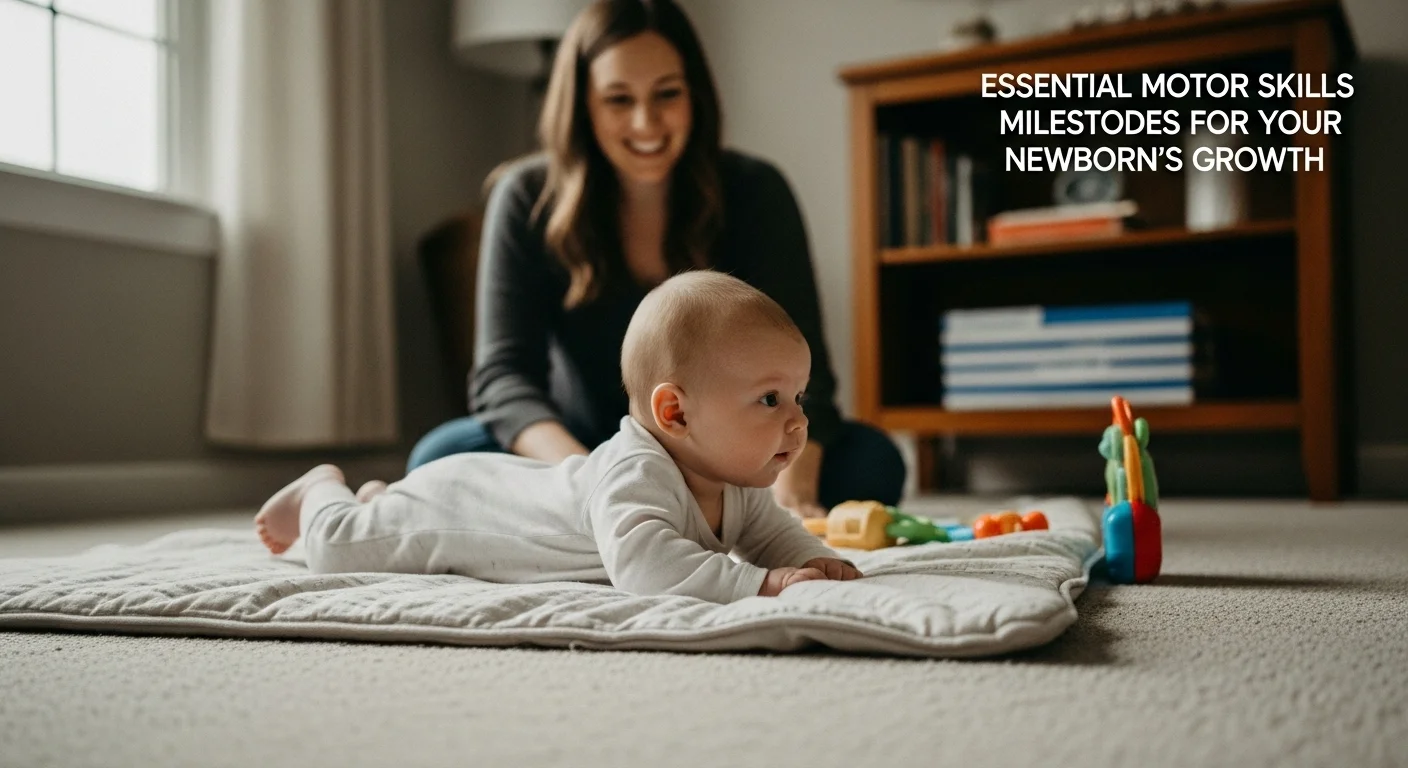
Tummy time was one of the first activities I learned about when it came to promoting my baby’s motor skills. I remember placing my little one on their tummy for short periods every day, and it quickly became a special bonding time for us. This simple activity helped strengthen their neck, back, and shoulder muscles, which are essential for future milestones like rolling over and crawling. Initially, my baby would protest a bit, but as they grew stronger, I could see their determination. They started lifting their head higher and even reaching for toys placed just out of reach. It was such a joy to witness their progress! I found that gradually increasing tummy time as they got older really made a difference in their strength and coordination.
Interactive Play and Toys
Choosing the right toys can significantly influence motor skills development. I discovered that toys designed for their age group could keep my little one engaged while promoting their skills. Soft blocks, stacking rings, and colorful rattles became staples in our playtime. I particularly loved watching my baby experiment with different textures and shapes. As they grasped, shook, and eventually stacked these toys, I could see their fine motor skills evolving right before my eyes. I also found that toys that encouraged movement, like push toys or activity gyms with hanging objects, motivated my baby to reach, crawl, and eventually walk. It was fun to see how excited they would get as they made new discoveries during play.
Encouraging Movement and Exploration
Creating a safe environment for my baby to explore was essential for their motor skills development. I remember setting up a designated play area filled with soft mats and pillows, which allowed my little one to practice rolling, crawling, and eventually standing. I often found myself on the floor with them, demonstrating how to crawl toward a favorite toy or encouraging them to pull up on furniture. Every little success was a cause for celebration, and I felt that my encouragement fueled their motivation to keep trying. I also learned that incorporating movement into our daily routines, like dancing together or going for walks in a stroller, could help develop their gross motor skills while making memories. It often felt like a delightful adventure as we explored the world around us together.
When to Consult a Pediatrician
Understanding Normal vs. Abnormal Development
As a parent, I learned that understanding the timeline of motor skills development can help us identify when something might be amiss. Each child is unique, and while I appreciated that there’s a range of normal, I also recognized that certain patterns can indicate the need for further evaluation. For instance, if my baby wasn’t hitting key milestones, like rolling over by six months or walking by 15 months, I would want to discuss this with our pediatrician. I’ve found it helpful to keep track of their progress in a journal, noting their achievements and any concerns that arise. This approach not only helped me stay informed but also gave me the confidence to speak up if I felt something wasn’t right.
Questions to Ask Your Pediatrician
When it came time to consult our pediatrician about my baby’s motor skills, I made sure to prepare a list of questions. I wanted to know if my baby’s development was on track and what specific milestones we could expect next. I also asked about activities that could promote their growth and how to best support my little one at home. I appreciated that my pediatrician encouraged my questions and provided reassurance, which helped ease my worries. It’s so important to have open communication with healthcare professionals, and I learned that seeking advice early can lead to the best outcomes for my child.
Resources for Support and Guidance
In my journey of supporting my baby’s motor skills development, I discovered various resources that were incredibly helpful. Local parenting groups and online communities offered a wealth of information and support. I often turned to books and websites that focused on child development, finding tips and activities tailored to different age ranges. I learned about developmental screenings and programs available in my area that provided additional support if needed. Read Interesting article: Understanding Your Newborn’s Key Physical Milestones It was reassuring to know that I wasn’t alone and that there were many resources to help guide me through this exciting yet sometimes challenging phase of parenting.
Final Thoughts
Reflecting on our journey through motor skills development, I feel a profound sense of gratitude. Each milestone my baby achieved brought us closer together and filled our days with joy and laughter. I’ve come to understand that supporting our little ones as they grow is not just about guiding them through physical milestones; it’s also about nurturing their confidence and curiosity. Watching them discover their abilities has been one of the most rewarding experiences of my life.
Throughout this journey, I learned the value of patience. Each child develops at their own pace, and I found solace in celebrating even the smallest achievements. I remember the first time my baby reached out for a toy, and it felt like they were saying, “Look what I can do!” Those moments remind me that every effort they make is a step towards independence.
Creating a positive environment has been crucial in our experience. I realized that simple activities like singing songs, playing games, or reading together could significantly contribute to their development. These moments not only promote motor skills but also strengthen our bond. I often think of those days fondly and how they shaped our relationship.
As I navigated this path, I found it essential to stay informed. I’ve sought resources, from books to online forums, connecting with other parents who shared similar experiences. Their stories provided encouragement and different perspectives, reminding me that I wasn’t alone in this parenting adventure. I also learned that reaching out to healthcare professionals, whether for advice or reassurance, is an important part of the journey. They can provide insights that help us understand our child’s development better.
Lastly, I feel it’s important to remember that every child is unique. Comparing our little ones to others can lead to unnecessary anxiety. Instead, I embraced the idea of each child having their own timeline. I’ve learned to celebrate those differences, knowing they are what make each child special. Supporting their development is not just about meeting milestones but fostering a love for learning and exploration.
In closing, I hope my experiences resonate with fellow parents navigating this beautiful yet challenging journey. By understanding motor skills development and actively engaging with our newborns, we can help guide them towards a world full of possibilities. Let’s cherish every moment, celebrate every milestone, and support our little ones as they grow into confident, capable individuals.
Frequently Asked Questions
What are motor skills?
Motor skills refer to the actions that involve the movement of muscles in the body. They are essential for everyday activities and come in two forms: gross motor skills and fine motor skills.
What are gross motor skills?
Gross motor skills involve larger movements using the arms, legs, and entire body. Examples include kicking a ball, rolling over, crawling, and walking.
What are fine motor skills?
Fine motor skills are smaller movements, particularly involving the hands and fingers. Activities like grasping a toy, stacking blocks, or bringing hands to the mouth are early signs of developing fine motor skills.
Why are motor skills important for development?
The development of motor skills is pivotal as they are foundational for achieving independence, play a significant role in cognitive and social development, and support later learning and brain development.
What milestones should I expect from my baby between birth and 3 months?
In the earliest months, newborns focus on reflexes, such as grasping fingers or turning their head toward sounds. By around three months, they may start to push up while lying on their tummy.
When should I be concerned about my baby’s motor skills development?
If your baby misses key milestones, such as not rolling over by six months or not walking by 15 months, it may be worth consulting with a pediatrician.
What activities can promote healthy motor skills development?
Activities such as tummy time, interactive play with age-appropriate toys, and encouraging movement and exploration in a safe environment promote healthy motor skills development.
How does nutrition impact motor skills development?
A well-nourished child is more likely to reach their motor skills milestones effectively. Nutrients like calcium and vitamin D are essential for developing strong bones and muscles, which are crucial for gross motor skills.
What role does environment play in motor skills development?
The environment in which babies grow can significantly influence their motor skills development. Providing a safe space for exploration and engaging with them during playtime encourages movement and skill practice.
What should I discuss with my pediatrician regarding my child’s motor skills?
When consulting your pediatrician, consider asking about your baby’s development timeline, specific milestones to expect, and activities that could promote their growth.