
As a parent, ensuring our kids get the right nutrition can feel like a daunting task. Understanding essential nutrients and how they contribute to a balanced diet is key to supporting our children’s growth and health. For more guidance, check out Top Tips for Balanced Diets: Feeding Your Toddler on a Budget.
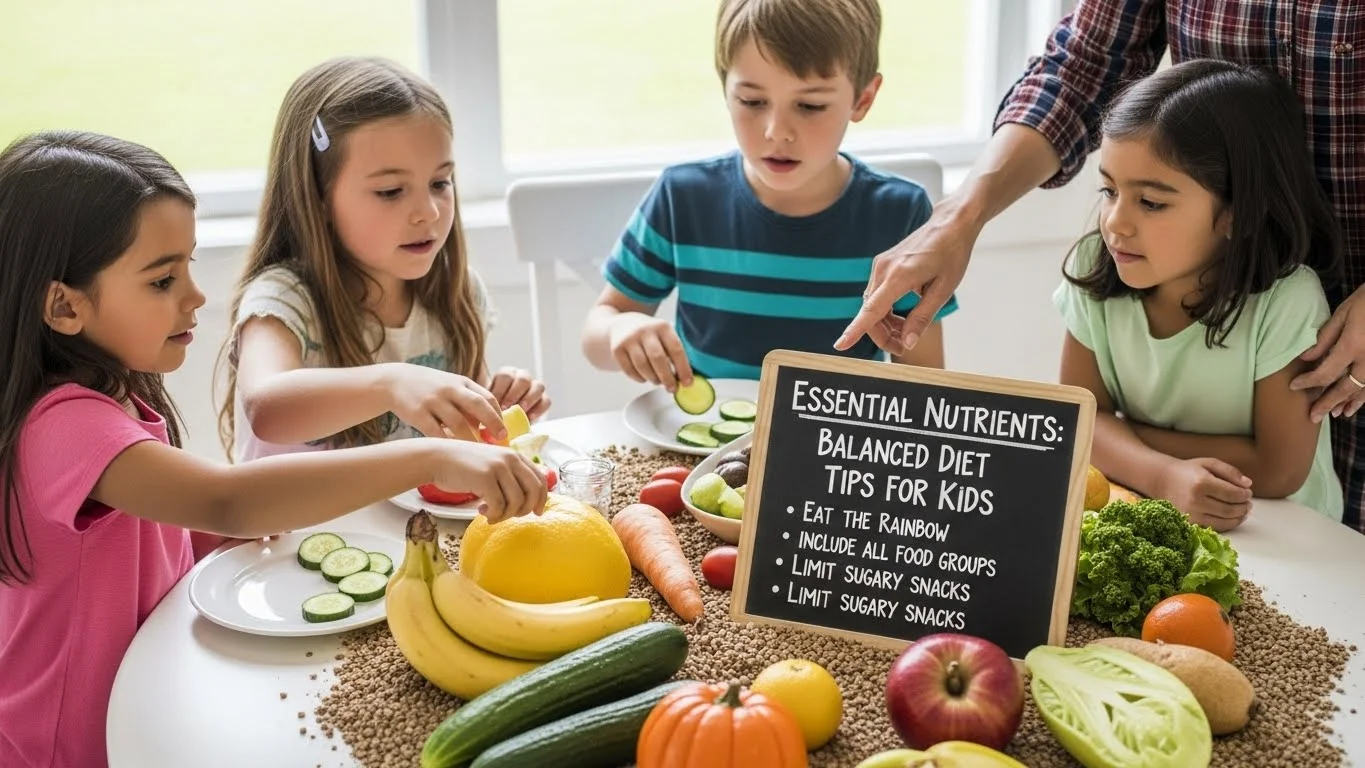
Understanding Essential Nutrients for Kids
What Are Essential Nutrients?
Essential nutrients are the building blocks our bodies need but cannot produce on their own. For kids, these nutrients are crucial because they support growth, development, and overall health. I remember when I first started looking into this for my own children; it opened my eyes to how much these nutrients impact our little ones’ lives. We often think of food in terms of taste or convenience, but there’s so much more at play.
Importance of Nutrients in Childhood Development
During childhood, our bodies and brains undergo rapid changes. Nutrients like proteins, vitamins, and minerals help facilitate these changes, laying the foundation for a healthy future. I’ve often noticed that when my kids eat a well-balanced meal, they seem more energetic and focused. It’s amazing how the right food can impact their mood and energy levels.
Types of Essential Nutrients
There are two main categories of essential nutrients: macronutrients and micronutrients. Understanding these can help us make better food choices for our kids.
Macronutrients
Macronutrients include proteins, fats, and carbohydrates. These are the nutrients that provide the bulk of our energy and help our kids grow. For example, I always make sure to include a source of protein in my kids’ meals, like chicken or beans, because I know it helps with muscle development. Carbohydrates, like whole grains, give them the energy they need to run around and play, which is crucial for their active lifestyle.
Micronutrients
Micronutrients, on the other hand, are vitamins and minerals that our bodies need in smaller amounts, but they are just as important. These nutrients support a variety of bodily functions, including our immune system and bone health. I remember when my daughter started school and kept getting sick; I realized I needed to pay more attention to her vitamin intake, especially vitamin C and D.
Key Nutrients for a Balanced Diet
Proteins: Building Blocks for Growth
Proteins are crucial for growth, repair, and maintenance of tissues. They are made up of amino acids, which are the building blocks of our body’s cells. I often incorporate lean meats, fish, eggs, and plant-based proteins like beans and lentils into my kids’ meals to ensure they’re getting enough protein. It’s also a fun way to experiment with different recipes and flavors!
Carbohydrates: Energy Sources for Active Kids
Carbs provide energy and are essential for kids who are active. I’ve seen how my kids can power through their playtime when they have a good carbohydrate source like whole grain bread or pasta. I make it a point to choose complex carbohydrates, which provide longer-lasting energy compared to simple sugars. This helps prevent those dreaded sugar crashes, leading to cranky kids! For more snack ideas, see Snack Time Tips: Healthy Choices for Active Kids.
Fats: Healthy Fats for Brain Development
Fats are essential for brain development and overall health. Not all fats are created equal, though. I aim to include healthy fats from sources like avocados, nuts, and fish, which are packed with omega-3 fatty acids. I’ve learned that a little bit of fat can make meals more satisfying and nutritious. Plus, my kids love avocado toast—it’s a win-win!
Vitamins: Essential for Immunity and Overall Health
Vitamins play a vital role in keeping our kids healthy. They support everything from immunity to energy production. I try to keep my kitchen stocked with a rainbow of fruits and vegetables to ensure my kids get a variety of vitamins. I remember one time when my son refused to eat any green veggies; I found that blending them into smoothies made it much easier for him to enjoy them!
Vitamin A
Vitamin A is important for vision and immune function. Foods like carrots and sweet potatoes are great sources. I love making vegetable soups that include these ingredients, which my children enjoy.
Vitamin C
This vitamin is crucial for a healthy immune system and skin. Citrus fruits and berries are rich in vitamin C. I often pack orange slices in my kids’ lunches as a refreshing treat.
Vitamin D
Vitamin D supports bone health and helps the body absorb calcium. Sunlight is a natural source, but I also look for fortified foods to ensure my kids receive enough. I’ve noticed how a little time outdoors can boost their mood and energy, too!
Minerals: Supporting Vital Functions
Minerals like calcium, iron, and magnesium are essential for various bodily functions. I try to include dairy products or fortified alternatives for calcium, which is vital for bone growth. Iron-rich foods are also a staple in our home since they help with oxygen transport in the blood. I once learned that pairing iron-rich foods with vitamin C can enhance absorption, so I often combine spinach salads with strawberries!
Calcium
Calcium is crucial for strong bones and teeth. Dairy products, leafy greens, and fortified plant-based milks are excellent sources. I make smoothies with yogurt and spinach, which my kids surprisingly love!
Iron
Iron is important for energy levels and preventing fatigue. Lean meats, beans, and fortified cereals are great options. I remember how adding a bit of lemon juice to iron-rich foods helped improve absorption, making meals even more effective.
Magnesium
This mineral supports muscle and nerve function. Foods like nuts, seeds, and whole grains are high in magnesium. I like to keep a variety of nuts on hand for quick snacks, which my kids enjoy munching on after school.
Creating a Balanced Diet for Kids
Understanding Food Groups
When it comes to feeding our kids, understanding food groups is fundamental. It helps us ensure they are getting a variety of nutrients essential for their growth and well-being. I remember the first time I learned about the food pyramid—it was like a light bulb went off in my head! I realized that meals should be colorful and diverse, not just focused on a few favorites.
Fruits and Vegetables
Fruits and vegetables are packed with vitamins, minerals, and fiber. I always aim to fill half of my kids’ plates with these food groups. I’ve found that if I make fruits and veggies visually appealing, they are more likely to try them. For instance, creating a fruit salad with a rainbow of colors can be a fun way to make them excited about healthy eating. My kids love it when I let them pick their favorite fruits for a smoothie; it gives them some ownership over their food choices!
Whole Grains
Whole grains are another vital component of a balanced diet. They provide energy and important nutrients like fiber, which is great for digestion. I used to think that all bread was equal, but I learned that choosing whole grain options makes a big difference. My family enjoys whole grain pasta, brown rice, and oatmeal. I even sneak oats into pancakes for a healthier breakfast option, which my kids devour without a second thought!
Lean Proteins
Lean proteins are essential for growth and muscle development. Incorporating a variety of protein sources is key. I often rotate between chicken, turkey, fish, beans, and tofu. I remember one week we decided to have “Taco Night” with different protein options. It was a hit! My kids had fun choosing their toppings, and they didn’t even realize they were enjoying healthy food.
Dairy and Dairy Alternatives
Dairy products provide calcium and vitamin D, essential for bone health. While I love classic yogurt and cheese, I also explore alternative options like almond milk or soy yogurt if my kids are feeling adventurous. I’ve discovered that smoothies made with yogurt are not only delicious but also a sneaky way to pack in additional nutrients. Plus, it’s a great way to involve my kids in the kitchen and let them experiment!
Portion Sizes and Serving Recommendations
Understanding portion sizes can be a game-changer. I often find myself questioning how much food my kids actually need. I’ve learned that a good rule of thumb is to serve them a portion size that is appropriate for their age and activity level. It helps to use smaller plates to prevent overwhelming them with too much food. I also encourage them to listen to their bodies and stop eating when they feel full. It’s a learning experience for all of us!
Meal Planning Tips for Parents
Meal planning may sound tedious, but for me, it has made a significant difference in our family’s eating habits. Setting aside some time each week to plan meals helps reduce stress during busy days. I often sit down with my kids to brainstorm meal ideas and let them pick a few favorites. This not only makes them feel involved but also gives me insight into what they actually want to eat. For more information, check out Essential Tips for Toddler Meal Planning on a Budget.
Incorporating Variety
Variety is crucial in keeping meals interesting. I try to rotate different foods throughout the week to ensure my kids get a broad range of nutrients. For example, I might have chicken tacos one night and then switch it up with a veggie stir-fry the next. This way, they’re less likely to get bored and are more open to trying new things!
Planning Nutrient-Dense Snacks
Snacks are a significant part of my kids’ daily diet, so I focus on making them healthy. Instead of reaching for chips or cookies, I like to keep options like cut-up veggies with hummus, fruit with nut butter, or yogurt with granola. I find that having ready-to-eat snacks on hand makes it easier for my kids to make smart choices. It’s all about creating a healthy environment for them to thrive!
Healthy Eating Habits for Kids
Encouraging Mindful Eating
Mindful eating has become a buzzword in recent years, but for me, it’s about teaching my kids to appreciate food rather than just consume it mindlessly. I remember when I first started practicing mindful eating at our family dinners. We’d sit down together, and I encouraged my kids to take a moment to observe their meals—the colors, the smells, and the textures. I found that when they focused on their food, they enjoyed it more and were less likely to rush through their meals. It’s fascinating to see them savor each bite, and I believe it fosters a healthier relationship with food.
Involving Kids in Meal Prep
Getting my kids involved in meal prep has been one of the best decisions I made. Not only does it lighten my workload, but it also teaches them valuable skills in the kitchen. I usually start by assigning simple tasks, like washing vegetables or stirring ingredients. I remember one weekend when we decided to make homemade pizzas together. My kids had a blast choosing toppings and even rolling out the dough. It was a fun way to bond, and they were so proud of the meal we created together that they devoured it without any fuss! This hands-on approach has made them more willing to try new foods and appreciate the effort that goes into cooking.
Establishing Regular Meal Times
Having regular meal times has been a game-changer for our family. I noticed that when we ate at consistent times, my kids were less likely to snack aimlessly throughout the day. We always aim to sit down for breakfast, lunch, and dinner together whenever possible. It’s a time for us to connect and talk about our day, and I find that it helps everyone feel more settled. My children know what to expect, which reduces their anxiety around food. Plus, I’ve found that when we have a routine, they’re more likely to eat what’s served without fussing about it.
Limiting Sugary Snacks and Beverages
It’s no secret that kids are naturally drawn to sugary snacks and drinks. I know my kids can easily get caught up in the sweet stuff, so I make a conscious effort to limit sugary options in our home. Instead of soda or juice, I encourage water and unsweetened beverages. I remember one afternoon when I decided to make homemade fruit-infused water. My kids loved choosing their favorite fruits to add, and it turned out to be a refreshing treat without the added sugar. I always keep an eye on snacks, too. While I allow occasional treats, I focus on providing healthier options like yogurt, nuts, or homemade granola bars. This way, they learn to enjoy sweets in moderation without feeling deprived.
Common Nutritional Deficiencies in Children
Signs of Nutritional Deficiencies
As parents, we want to ensure our kids are getting everything they need for optimal growth and health. I’ve learned that some signs of nutritional deficiencies can be subtle. For instance, my son was always tired and irritable, and it took me a while to realize his diet was lacking in iron. Other signs can include pale skin, frequent illnesses, or even behavioral changes. I recommend paying attention to your child’s overall mood and energy levels. A visit to the pediatrician can help identify any potential deficiencies and create a plan to address them.
How to Address Nutritional Gaps
Once I recognized that my kids might have some nutritional gaps, I took it as a cue to be proactive. I started by adding more variety to their meals, focusing on nutrient-dense foods. For example, I’ve found that incorporating leafy greens into smoothies has not only masked their taste but also added a bunch of vitamins. Making small changes like adding beans to soups or switching to whole grain options has made a noticeable difference. I also encourage my kids to try new foods—they’re often surprised by what they enjoy! Sometimes, it’s all about the approach and making it fun, like using a dip for veggies or creating colorful plates.
Supplements vs. Whole Foods
In my journey of ensuring my kids receive proper nutrition, I’ve often wondered whether supplements are necessary. While whole foods are my primary focus, I understand there may be times when supplements can help fill the gaps. For instance, if my kids are picky eaters or have allergies preventing them from consuming certain foods, I consider adding a multivitamin. However, I always consult our pediatrician before introducing any supplements, as they can provide tailored advice based on my kids’ specific needs.
Consulting with a Pediatric Nutritionist
If you’re feeling overwhelmed by your child’s nutritional needs, I highly recommend consulting a pediatric nutritionist. I did this when I was unsure about the right balance for my kids. They provided invaluable insights and tailored advice that made a world of difference. A nutritionist can help create a personalized meal plan and address any specific concerns you might have. It’s comforting to have a professional guide you in the right direction, ensuring my kids receive the nutrients they need for healthy growth.
Tips for Picky Eaters
Strategies to Encourage Healthy Eating
Dealing with picky eaters can be quite the challenge, and I can speak from experience on this one! I remember the countless dinner times when my kids would turn their noses up at anything green. Over time, I discovered that patience and persistence were my best allies. One strategy that worked for us was involving them in the meal planning process. When they had a say in what we were eating, they seemed more excited to try new dishes. I found that asking them to select a new vegetable or fruit each week encouraged them to be adventurous in their eating habits.
Creative Presentation of Foods
I’ve learned that how food looks can make a big difference in whether my kids are willing to try it. I started experimenting with fun presentations, turning meals into colorful rainbows on their plates. For instance, I’ve made smiley faces with fruits and veggies, or I’ve arranged their food in fun shapes using cookie cutters. It’s amazing how a little creativity can spark interest! One time, I made a “rainbow wrap” with colorful veggies, and my kids were eager to dig in because it looked like a work of art.
Introducing New Foods Gradually
Introducing new foods to kids can feel intimidating, but I’ve found that taking it slow works wonders. I often try to incorporate just one new food at a time alongside their favorites. This way, they’re more likely to accept it without feeling overwhelmed. For example, when I introduced quinoa, I mixed it with their usual rice to make the transition smoother. Over time, they became accustomed to the new taste and texture. I also encourage them to take just one bite of something new, which often leads to them discovering they actually like it!
Resources for Parents
Guidelines from Nutrition Experts
As parents, it’s essential to seek out reliable resources to guide us in our journey toward better nutrition for our kids. I’ve turned to websites like the USDA’s ChooseMyPlate.gov, which provides helpful guidelines for serving sizes and balanced meals. I also found the American Academy of Pediatrics to be a fantastic resource for tips on children’s nutrition. Their insights have helped me feel more confident in what I am feeding my kids.
Useful Apps for Meal Planning
When it comes to meal planning, I’ve discovered that using apps can be a game changer. I love using apps like “Mealime” and “Paprika” to help me organize our meals and find new recipes. These apps allow me to customize meal plans based on dietary preferences and even generate shopping lists, which saves me so much time! I remember one hectic week when I relied solely on the Mealime app, and it made grocery shopping and meal prep a breeze.
Books on Healthy Eating for Kids
I believe that reading can inspire kids to embrace healthy eating, so I’ve collected a few fun and engaging books about nutrition. One of my favorites is “The Very Hungry Caterpillar” by Eric Carle. It’s a delightful story that introduces kids to various foods while keeping them entertained. I also found “Eat a Rainbow” to be a hit in our house, as it teaches children about colorful fruits and veggies in an engaging way. Sharing these stories during family reading time has created a positive association with healthy food choices.
Final Thoughts
Navigating the world of nutrition for our kids is undoubtedly a journey filled with ups and downs. I’ve learned that the key is to remain patient and flexible while encouraging healthy habits. It’s all about striking a balance between providing nutritious meals and allowing room for enjoyment and exploration. As parents, we play a crucial role in shaping our children’s relationship with food, and I believe that fostering a positive environment around eating can lead to lifelong healthy choices. So let’s keep experimenting, have fun in the kitchen, and most importantly, enjoy this journey together as a family!
Frequently Asked Questions
What are essential nutrients?
Essential nutrients are the building blocks our bodies need but cannot produce on their own. They are crucial for children’s growth, development, and overall health.
Why are nutrients important during childhood?
Nutrients facilitate rapid changes in the body and brain during childhood, laying the foundation for a healthy future. They help improve energy levels, focus, and mood in children.
What are the two main categories of essential nutrients?
The two main categories of essential nutrients are macronutrients and micronutrients. Macronutrients include proteins, fats, and carbohydrates, while micronutrients consist of vitamins and minerals.
What role do proteins play in a child’s diet?
Proteins are crucial for growth, repair, and maintenance of tissues in children. They are made up of amino acids, which are the building blocks of the body’s cells.
How can parents encourage healthy eating habits in kids?
Parents can encourage healthy eating habits by involving kids in meal prep, establishing regular meal times, and limiting sugary snacks and beverages. Making meals visually appealing can also help.
What are some key vitamins important for children’s health?
Key vitamins for children’s health include Vitamin A for vision and immune function, Vitamin C for a healthy immune system and skin, and Vitamin D for bone health.
How can parents address nutritional deficiencies in their children?
Parents can address nutritional deficiencies by adding variety to meals, focusing on nutrient-dense foods, and consulting with a pediatrician to identify any specific needs.
What is the significance of whole grains in a child’s diet?
Whole grains provide energy and important nutrients like fiber, which are essential for digestion and overall health. They should be included as a vital component of a balanced diet.
How can parents help picky eaters try new foods?
Parents can encourage picky eaters to try new foods by involving them in meal planning, presenting foods creatively, and introducing new items gradually alongside familiar favorites.
What resources can parents use for guidance on children’s nutrition?
Parents can seek guidance from reputable resources such as the USDA’s ChooseMyPlate.gov, the American Academy of Pediatrics, meal planning apps, and engaging children’s books about nutrition.