
Navigating the nutritional landscape for school-aged kids can feel like a daunting task. But understanding their essential nutritional needs can empower us to support their growth, learning, and overall well-being. Read Interesting article: Mastering Food Labels: Essential Tips for Kids’ Nutrition
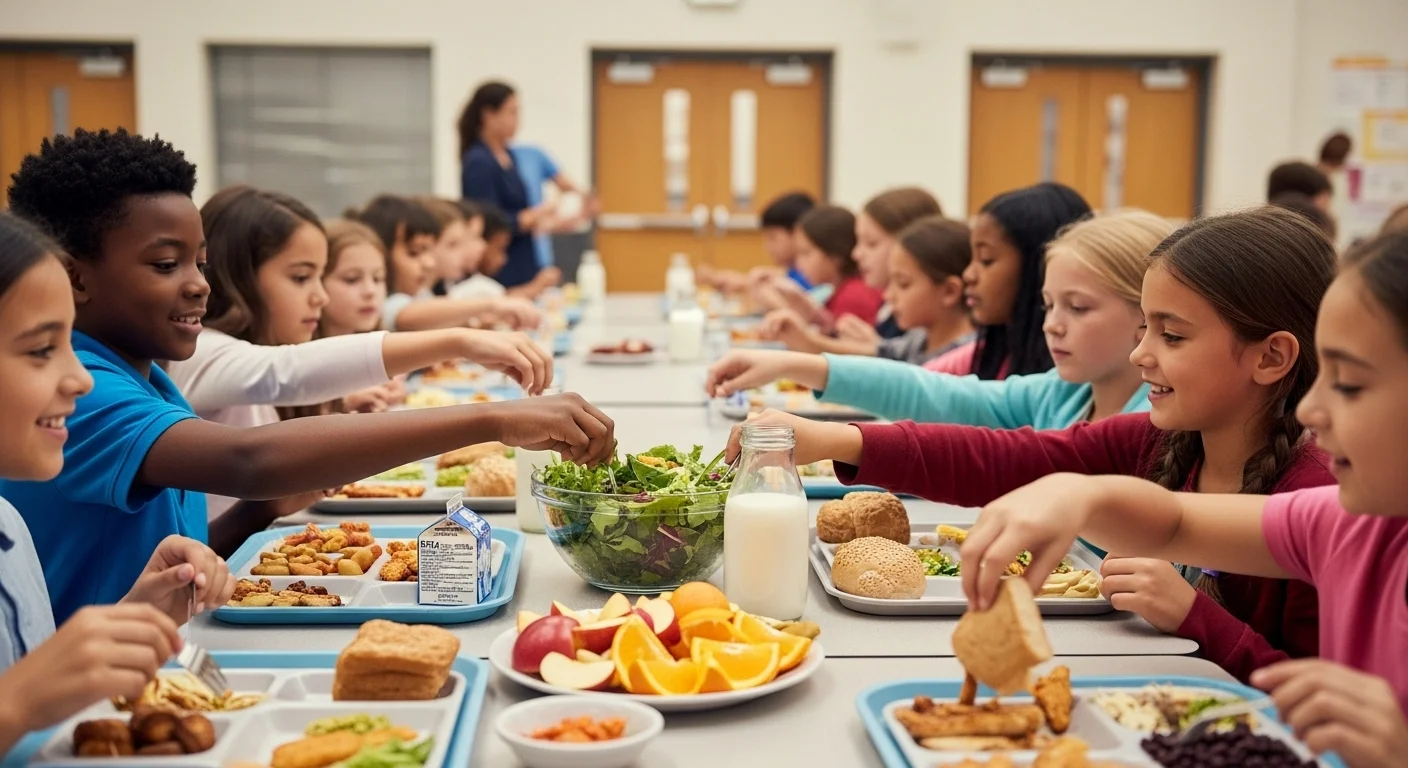
Understanding Nutritional Needs for School-Aged Kids
As a parent, I’ve often marveled at how quickly my kids grow. One minute they’re in toddler shoes, and the next, they’re asking for bigger sizes! This growth spurt is not just physical; it influences their cognitive development, emotional well-being, and energy levels. That’s why I believe it’s crucial to understand the nutritional needs of school-aged kids. They need a balanced diet to fuel their bodies and brains, especially during this formative stage of life.
Importance of Nutrition in Childhood Development
Nutrition plays a pivotal role in childhood development. Research shows that the right nutrients can positively impact a child’s cognitive abilities, behavior, and even their immune system. For instance, I remember when my child started school; I noticed how a nutritious breakfast helped him concentrate better in class. On days when he skipped it, he’d often seem restless and unfocused. This highlights how essential it is to provide the right fuel for their busy days.
Additionally, a balanced diet can help prevent chronic diseases later in life. We all want the best for our children, and that includes setting them up for a healthy future. I’ve learned that instilling good eating habits early can lay the groundwork for a lifetime of healthy choices. Read Interesting article: 10 Budget-Friendly Healthy Snacks for School Kids
Key Nutritional Guidelines for Children
There are several key nutritional guidelines that I’ve found helpful for ensuring my kids are getting what they need. The USDA recommends that children consume a variety of foods from all food groups, including fruits, vegetables, grains, protein sources, and dairy. The focus should be on whole foods rather than processed options. I’ve made it a habit to involve my kids in grocery shopping to help them understand and appreciate whole foods. It’s been a fun bonding experience and educational too!
Portion sizes are equally important. I often refer to the MyPlate guidelines that suggest filling half of the plate with fruits and vegetables. This visual reminder has made it easier for my family to create balanced meals. I also pay attention to their individual activity levels, as more active kids may require more calories and nutrients. It’s about finding the right balance that fits our lifestyle.
Essential Nutrients for School-Aged Kids
When it comes to essential nutrients, I’ve learned that not all foods are created equal. Each nutrient plays a distinct role in supporting my kids’ health and development. Let’s break down some of the most crucial ones.
Proteins
Protein is vital for growth and repair. I try to include a variety of protein sources in my kids’ diets, such as lean meats, fish, eggs, beans, and dairy. I remember when I introduced them to chickpeas in a salad; they loved it! It’s amazing how excited they can get about trying new foods when they’re involved in the meal-making process. I aim for at least two servings of protein daily for each child, especially after school when they need energy for homework or activities.
Carbohydrates
Carbohydrates are our body’s main source of energy. I prefer whole grains like brown rice, quinoa, and whole wheat bread over refined grains. My kids enjoy whole grain pancakes on weekends, and I sneak in some flaxseeds for added fiber. Keeping a variety of carbohydrates keeps their energy levels stable throughout the day, which I’ve noticed positively impacts their mood and focus.
Fats
Healthy fats are another essential part of their diet. I’ve learned that incorporating sources like avocados, nuts, seeds, and olive oil is beneficial for their brain health. I often make smoothies with Greek yogurt and a spoonful of peanut butter, and my kids think it’s a treat! It’s fascinating how we can make nutritious food enjoyable.
Vitamins and Minerals
Vitamins and minerals are crucial for various bodily functions. For instance, vitamin A supports vision, while vitamin C boosts the immune system. I try to include colorful fruits and vegetables, which naturally provide these vitamins. I’ve found that when kids see vibrant colors on their plates, they’re more likely to try them.
Vitamin A
Foods rich in vitamin A, like carrots and sweet potatoes, are staples in our home. I often roast them together with a sprinkle of olive oil and herbs – a simple yet delightful way to get my kids to eat their veggies!
Vitamin C
For vitamin C, citrus fruits and bell peppers are favorites in our family. Adding a slice of orange to breakfast or packing bell pepper strips in lunches ensures they are getting this essential nutrient.
Calcium
Calcium is vital for strong bones. Milk, yogurt, and leafy greens are excellent sources. I’ve discovered my kids love smoothies made with spinach and bananas – it’s a great way to sneak in nutrients while making it delicious!
Iron
Iron supports energy levels and cognitive function. I focus on including lean meats, legumes, and fortified cereals in their diet. Pairing these with vitamin C-rich foods helps with absorption, which I learned after doing some research.
Water and Hydration
Lastly, hydration is often overlooked. I’ve seen my kids get distracted and forget to drink water, especially during busy school days. I encourage them to carry reusable water bottles and set reminders to take sips throughout the day. Staying hydrated helps them maintain their energy levels and focus, especially during physical activities.
Daily Caloric Requirements
Caloric Needs by Age and Activity Level
Understanding the daily caloric requirements for school-aged children has been an eye-opener for me. Each child is unique, and their caloric needs typically vary based on their age, gender, and activity level. For example, I learned that younger kids (ages 4 to 8) generally need about 1,200 to 1,800 calories per day, while older kids (ages 9 to 13) might require anywhere from 1,400 to 2,600 calories, depending on how active they are. This was particularly enlightening for me as I noticed that my more active child always seemed hungrier than the other. By paying attention to their activity levels, I could better assess their caloric needs and adjust portions accordingly.
One weekend, we decided to hike a local trail as a family. I packed snacks and lunches, anticipating that my active kids would need extra fuel. Afterward, I realized that their appetites were much higher after a day of outdoor fun. This experience taught me the importance of aligning their caloric intake with their energy expenditure. It’s a simple yet effective way to keep their energy levels stable and maintain a healthy weight.
Understanding Portion Sizes
Portion sizes are something I’ve struggled with over the years. It’s easy to serve too much or too little, especially when kids are involved in the meal prep. I’ve learned that using visual guides, like the MyPlate method, can help. When I serve meals, I try to fill half of the plate with fruits and vegetables, a quarter with whole grains, and the remaining quarter with protein. This method not only simplifies my decision-making but also encourages my kids to experiment with a variety of foods.
Sometimes, I’ll portion out snacks in small bowls instead of letting them dig into a large bag. This way, they can have a healthy amount without going overboard. I often tell them that it’s not just about eating—it’s about learning to recognize when they’re full. This approach has made me more mindful about serving sizes, which ultimately benefits their understanding of nutrition as well.
Balanced Meals: What to Include
Breakfast Ideas for School-Aged Kids
Breakfast has always been a priority in our house. I can’t stress enough how a good breakfast sets the tone for the day. My kids enjoy a rotation of options, from oatmeal with fruit to whole grain toast with avocado and an egg. One of my favorites is a smoothie bowl topped with nuts and seeds. Not only is it colorful and fun, but it also packs in a lot of nutrients. When they help choose their breakfast, they tend to be more excited about eating it!
On busy mornings, I’ve found that making breakfast burritos in advance and freezing them works wonders. I fill them with scrambled eggs, veggies, and cheese, and just heat them up in the morning. It’s a simple solution that keeps everyone satisfied and energized for the day ahead.
Healthy Lunch Options
When it comes to lunch, I focus on creating balanced meals that are easy to prepare. I often pack whole grain wraps filled with lean protein, like turkey or chicken, along with plenty of veggies. My kids love to help choose their fillings, which makes them more likely to eat everything in their lunchboxes. I also include a piece of fruit, like a banana or an apple, and sometimes a small treat like yogurt or a homemade muffin. I learned that making the food visually appealing can make a huge difference—cutting fruits and veggies into fun shapes has been a hit!
Nutritious After-School Snacks
After school, my kids often come home buzzing with energy, and I’ve found that having healthy snacks ready makes a big difference. I typically keep a stock of nuts, cut-up fruits, and veggies with hummus on hand. My kids love making their own mini fruit salads, which is a great way to encourage them to eat healthy while having fun. I’ve also introduced simple energy bites made from oats, honey, and nut butter—they’re a hit!
Dinner: Building a Balanced Plate
Dinner is our family time, and I strive to make it as balanced as possible. I usually prepare a protein, like grilled chicken or baked fish, along with a whole grain side like quinoa or brown rice, and a couple of servings of vegetables. One night, we tried a stir-fry with a rainbow of veggies, and it turned out to be a family favorite! I’ve realized that involving my kids in the cooking process makes them more willing to try new dishes. They often surprise me with how adventurous their tastes can be when they feel part of the process.
Special Dietary Considerations
Allergies and Intolerances
As a parent, navigating food allergies and intolerances can feel overwhelming at times. I’ve had my share of moments when I discovered that one of my kids was allergic to nuts. It was a wake-up call that made me realize how important it is to be informed about food allergies, not just for my child but for any child. Understanding the signs of allergic reactions, like hives or difficulty breathing, is crucial. I remember the first time we had to read labels carefully; it felt like a whole new world opened up. I’ve learned that many food products now clearly state allergen information, which makes it easier to shop.
When planning meals or snacks, I always try to think about alternatives. There are so many delicious options out there! For instance, if we’re making cookies, we can use applesauce as a substitute for eggs or try oat flour instead of regular flour. Involving my kids in these substitutions not only empowers them but also helps them feel included in the meal-making process, even when they have dietary restrictions.
Vegetarian and Vegan Diets
Adopting a vegetarian or vegan diet can be a healthy choice for kids, but it does require careful planning. I have a close friend who raised her kids vegetarian, and she shared some great tips with me. One of the first things I learned is that plant-based diets can provide all the nutrients children need if they’re well-balanced. I found that including a variety of legumes, grains, nuts, and seeds ensures that they get sufficient protein and essential nutrients.
We’ve experimented with meatless Mondays in our house. It’s been a fun challenge to create delicious vegetarian meals that the whole family enjoys. I discovered that lentil tacos were a hit! I also learned to focus on essential nutrients like iron and B12, which can be harder to come by in a vegetarian or vegan diet. I often include fortified plant milks or cereals and make sure to pair iron-rich foods with vitamin C sources to enhance absorption.
Managing Childhood Obesity
In today’s world, where fast food is readily available, I’ve noticed that childhood obesity is a growing concern. I feel it’s essential to approach this topic with sensitivity and care. My goal is to focus on healthy habits rather than strict dieting. I’ve experienced that incorporating more fruits and vegetables into our meals is a positive step. It’s less about cutting out certain foods and more about making healthier choices.
One approach that worked for my family was to create a “family activity night.” We dedicate one night a week to fun physical activities like dancing, biking, or even a family workout video. It’s a great way to bond while keeping everyone active. I find that when my kids see exercise as a fun part of our family routine, they’re more likely to make it a habit as they grow older.
Additionally, I’ve learned to be mindful of portion sizes and to model healthy eating behaviors. I try to avoid labeling foods as “good” or “bad,” focusing instead on balance and moderation. Encouraging my kids to listen to their bodies and recognize when they’re hungry or full has been crucial in promoting a healthy relationship with food.
Encouraging Healthy Eating Habits
Involving Kids in Meal Planning
One of the most effective ways I’ve found to encourage healthy eating is by involving my kids in meal planning. We sit down together each week and brainstorm dinner ideas. I love seeing their faces light up when they suggest their favorite dishes. This engagement not only makes them more excited about eating but also helps them learn about nutrition and portion sizes. They start to understand what makes a balanced meal, which is a valuable lesson.
Moreover, I’ve found that allowing them to pick a new recipe to try each week has opened our kitchen to various cuisines and flavors. They feel a sense of ownership over their meals, which often leads to them being more willing to try new things. Just the other day, my daughter suggested we explore Mediterranean dishes, and we ended up making stuffed bell peppers. It turned out to be a delightful family dinner!
Making Nutrition Fun
Making nutrition fun is another way to ensure that my kids enjoy healthy foods. I often turn cooking into a playful experience. For example, we’ve had themed cooking nights where we all dress up according to the cuisine we’re making. It’s silly, but it adds an exciting twist to our meals. I’ve noticed that when we have fun while cooking, my kids are much more willing to try new ingredients and dishes.
Crafting colorful fruit kabobs or smoothie bowls has also been a hit. My kids love the creative aspect of arranging colorful fruits on skewers, and the best part is they’re eating healthy while having fun! I believe that when they see nutrition as an enjoyable adventure rather than a chore, they develop a lifelong appreciation for healthy eating.
Setting a Routine for Healthy Eating
Establishing a consistent routine around meal times has been a game changer for our family. I’ve found that having set meal and snack times creates structure. It reduces the chances of constant snacking and helps my kids learn to recognize their hunger cues. We’ve made it a practice to sit down together for dinner as often as we can. This time together not only allows us to connect but also fosters discussions about our day, making the meal more meaningful.
Additionally, I’ve noticed that when we have a routine, my kids are less likely to reach for unhealthy snacks. We’ve made it a rule to have healthy snacks available between meals, and this has really helped. I like to keep a bowl of fruits on the kitchen counter, so it’s the first thing they see when they’re looking for a snack. It’s small changes like these that make a big difference in reinforcing healthy eating habits.
Frequently Asked Questions
What are the essential nutritional needs for school-aged kids?
School-aged kids need a balanced diet that includes a variety of foods from all food groups, such as fruits, vegetables, grains, protein sources, and dairy. This diet supports their growth, cognitive development, and overall well-being.
Why is nutrition important for childhood development?
Nutrition plays a pivotal role in childhood development by positively impacting cognitive abilities, behavior, and the immune system. A nutritious diet helps children concentrate better and prevents chronic diseases later in life.
What are some key nutritional guidelines for children?
The USDA recommends that children consume a variety of whole foods from all food groups, focusing on balanced meals. Portion sizes are important, with the MyPlate guidelines suggesting that half of the plate should consist of fruits and vegetables.
What are the essential nutrients that school-aged kids need?
Essential nutrients include proteins for growth and repair, carbohydrates for energy, healthy fats for brain health, and various vitamins and minerals such as vitamin A, vitamin C, calcium, and iron, which support different bodily functions.
How can I ensure my kids are staying hydrated?
Encouraging kids to carry reusable water bottles and setting reminders to drink water throughout the day can help maintain their hydration. Staying hydrated is crucial for energy levels and focus, especially during physical activities.
What are some healthy breakfast ideas for school-aged kids?
Healthy breakfast options include oatmeal with fruit, whole grain toast with avocado and an egg, or smoothie bowls topped with nuts and seeds. Preparing breakfast burritos in advance can also provide a quick and nutritious option on busy mornings.
How can I create balanced lunch options for my kids?
Balanced lunch options can include whole grain wraps filled with lean protein and plenty of veggies, along with a piece of fruit and a small treat. Making the food visually appealing can encourage kids to eat everything in their lunchboxes.
What strategies can help manage childhood obesity?
To manage childhood obesity, focus on healthy habits rather than strict dieting. Incorporating more fruits and vegetables, engaging in family physical activities, and modeling healthy eating behaviors can promote a positive relationship with food.
How can I involve my kids in meal planning?
Involving kids in meal planning can be done by brainstorming dinner ideas together each week and allowing them to pick new recipes to try. This engagement makes them more excited about eating and helps them learn about nutrition.
What are some fun ways to make nutrition engaging for kids?
Making nutrition fun can involve themed cooking nights, crafting colorful fruit kabobs, or creating smoothie bowls. When cooking is turned into a playful experience, kids are more willing to try new ingredients and appreciate healthy foods.