Raising vegan kids can be a rewarding journey filled with compassion and health awareness. Understanding their nutritional needs is crucial for their growth and development. For more insights, you can check out Essential Nutritional Needs for School-Aged Kids.
Essential Nutritional Needs for Vegan Kids Explained
Understanding Vegan Nutrition for Children
When I first decided to raise my children on a vegan diet, I was excited but also a bit overwhelmed. I knew that children have specific nutritional needs, and I wanted to make sure they were met without the inclusion of animal products. Vegan nutrition for children is not just about cutting out meat and dairy; it’s about ensuring they receive a balanced and varied diet that supports their growth and development.
The Importance of a Balanced Diet
A balanced diet is essential for everyone, but for growing children, it’s especially critical. They need a wide range of nutrients to support their rapidly developing bodies and minds. I learned that a healthy vegan diet can provide all the necessary nutrients, but it requires careful planning. In my experience, it’s important to include foods from all major food groups: fruits, vegetables, grains, legumes, nuts, and seeds. This variety helps ensure that kids get the vitamins and minerals they need.
I remember when my kids were younger, I would often set aside time each week to plan our meals. I found that the more diverse the meals, the more my kids enjoyed their food. Plus, it became a fun family activity! I encourage parents to explore different vegan recipes and try new ingredients to keep meals exciting. For more ideas, you can refer to Mastering Food Labels: Essential Tips for Kids’ Nutrition.
Key Nutritional Differences in Vegan Diets
One thing I noticed early on was that vegan diets often have different nutrient profiles compared to omnivorous diets. For instance, while meat and dairy are rich sources of certain nutrients, we had to find alternative sources. I discovered that some nutrients are particularly vital for vegan kids, and I focused on ensuring these were included in our family meals.
For example, I learned that while vegan diets can be lower in calories and protein, they can also be higher in fiber and certain vitamins. This is great for overall health, but it’s important to pay attention to those nutrients that might be lacking. I remember reading a lot about how to bridge these gaps, and it became an important part of our daily routine.
Essential Nutrients for Vegan Kids
With my focus on a balanced diet, I made sure to understand which essential nutrients my kids needed. Here are the key nutrients I prioritized for their health:
Protein Sources
Protein is crucial for growth and development, especially for active kids. I learned that there are plenty of plant-based protein sources available. Lentils, chickpeas, quinoa, tofu, and tempeh became staples in our meals. It was interesting to see how versatile these ingredients could be. I remember making lentil burgers and quinoa salads that my kids absolutely loved!
Additionally, I found that combining different protein sources can enhance the quality of protein. For instance, pairing rice with beans can create a complete protein. This was a fun thing to experiment with in the kitchen!
Iron-rich Foods
Iron is another nutrient I became very mindful of. I learned that plant-based iron, known as non-heme iron, is not absorbed as well as the iron found in meat. To boost absorption, I paired iron-rich foods like leafy greens, lentils, and fortified cereals with vitamin C-rich foods like oranges, strawberries, and bell peppers. I remember packing a spinach and strawberry salad for picnics, and it was a hit!
Calcium and Vitamin D
Calcium is vital for strong bones and teeth. While dairy is a common source of calcium, I found plenty of plant-based alternatives. Almond milk, fortified plant milks, tofu, and leafy greens became part of our daily diet. In my opinion, it’s essential to check the labels for fortified options to ensure kids are getting enough calcium.
Vitamin D is also important, especially for kids who live in areas with limited sunlight. I learned about the benefits of fortified foods and even considered supplements after discussing it with our pediatrician. It felt good to be proactive about their health!
Vitamin B12: Why It Matters
Vitamin B12 is something I paid close attention to since it’s primarily found in animal products. I discovered that fortified foods, like nutritional yeast and some plant milks, can help meet the needs of vegan kids. I also found that a B12 supplement might be necessary, and I felt reassured after consulting with a nutritionist about it.
Omega-3 Fatty Acids
Omega-3 fatty acids play a crucial role in brain development. I learned that while fish is a common source, there are vegan options too! Flaxseeds, chia seeds, and walnuts became regular additions to smoothies and oatmeal. I loved how creative we could get with these nutritious ingredients!
Zinc for Growth and Immune Function
Zinc is essential for growth and immune function, and I made sure to include zinc-rich foods like beans, nuts, seeds, and whole grains in our meals. I remember baking whole grain breads with sunflower seeds and watching my kids devour them. It felt great to know they were getting essential nutrients while enjoying their food!
Meal Planning for Vegan Kids
Meal planning became one of my favorite parts of raising my vegan kids. It was an opportunity for creativity, teamwork, and ensuring that my children received balanced nutrition. I quickly realized that with a little organization, I could make healthy meals that were both delicious and appealing to my kids. Here’s how I approached meal planning for our family.
Creating Balanced Meals
When it came to creating balanced meals, I focused on incorporating a variety of foods that met their nutritional needs. I would often start with a protein source, add some whole grains, and load up on veggies. I remember one evening, we made a colorful Buddha bowl with quinoa, roasted chickpeas, kale, and a rainbow of bell peppers topped with a tahini dressing. The kids were not only excited to eat it, but they also enjoyed helping to assemble their bowls.
In my experience, keeping meals visually appealing can make a big difference. I learned that kids are more likely to eat foods that look fun and vibrant. I often arranged meals in a way that showcased different food colors, which sparked their interest and curiosity about what they were eating.
Snack Ideas for Vegan Kids
Snacks are a big part of kids’ diets, and I found creating healthy vegan snacks to be both fun and fulfilling. I wanted to make sure the snacks were not only nutritious but also something my kids would enjoy. I experimented with various recipes, and some favorites quickly emerged.
Energy Balls: I made simple energy balls using oats, nut butter, and dried fruits. These were a hit and great for on-the-go snacking.
Veggies and Hummus: I loved serving a plate of colorful veggies like carrots, cucumber, and bell peppers paired with homemade hummus.
Fruit Smoothies: Smoothies became a staple in our house. I mixed fruits with spinach or kale and added some flaxseeds for extra nutrients. It was a fun way for my kids to sneak in their greens!
Having a variety of snacks available helped us avoid the temptation of unhealthy options. I often involved my kids in the snack-making process, which made them more excited about eating healthy. For more snack ideas, check out Explore Allergy-Friendly Snacks: Safe Choices for Kids.
Incorporating Variety
One of the most important aspects of meal planning that I embraced was variety. I learned that kids can sometimes get bored with repetitive meals, so I aimed to keep things fresh and exciting. Each week, I would try to introduce at least one new recipe or ingredient. This not only kept our meals interesting but also encouraged my kids to explore new flavors and textures.
For example, I remember the first time we tried jackfruit as a substitute for pulled pork in tacos. We topped them with avocado, salsa, and fresh cilantro, and they were a massive hit! I was amazed at how open my kids were to trying something new, and it helped to expand their palates.
We also had themed nights, like “Meatless Monday” or “Taco Tuesday,” where we would get creative with different vegan dishes. This made meal planning feel more like an adventure than a chore, and it became something our family looked forward to each week.
Common Nutritional Concerns
As I continued on this journey of raising vegan kids, I encountered some common nutritional concerns that many parents face. Understanding these challenges helped me better support my children’s health.
Addressing Protein Deficiency
Initially, I worried about whether my kids were getting enough protein. I knew that protein is essential for growth, so I made a conscious effort to include a variety of plant-based protein sources in our meals. I found that by focusing on legumes, whole grains, nuts, and seeds, I could easily meet their protein needs without much hassle.
On days when I felt unsure, I would check in with our pediatrician to discuss their dietary intake. This reinforced my confidence in the meals I was preparing and helped me stay informed about their nutritional status.
Managing Iron Levels
Iron was another nutrient that I kept a close eye on. I learned that, due to the nature of plant-based diets, kids might be at a higher risk of iron deficiency. To counteract this, I made it a habit to include a rich source of vitamin C alongside iron-rich foods. I noticed that when my kids enjoyed a glass of orange juice with their lentil stew, they were absorbing iron more effectively.
Also, I started using cast iron cookware; I read somewhere that cooking in cast iron can increase the iron content in meals. This little trick made me feel like I was doing even more to support their health.
Vitamin B12 Deficiency Risks
Vitamin B12 was a nutrient I couldn’t overlook, especially since it isn’t found naturally in plant foods. I made sure to include fortified foods in our diet, and I also sought guidance from a nutritionist. She recommended a B12 supplement for my kids, which I felt was a smart step to ensure they were getting what they needed. This proactive approach gave me peace of mind, knowing that I was addressing a potential deficiency before it could become an issue.
Healthy Vegan Recipes for Kids
Creating meals for my kids that are both nutritious and tasty has been one of the most enjoyable parts of our vegan journey. I discovered that when kids are involved in the cooking process, they’re often more excited about eating what they’ve helped to create. Here are some of my favorite vegan recipes that my children love, and I think yours will too!
Breakfast Ideas
Breakfast is such an important meal, as it sets the tone for the day. I found that starting the morning with a healthy, filling breakfast made a significant difference in my kids’ energy levels and focus.
Overnight Oats: This has become a staple in our house! I combine rolled oats with almond milk, chia seeds, and a touch of maple syrup. In the morning, we top it with fresh fruits like bananas, berries, and a sprinkle of nuts. My kids love picking their favorite toppings!
Vegan Pancakes: I make fluffy pancakes using whole wheat flour, mashed bananas, and plant milk. Sometimes, I sneak in some ground flaxseed for added nutrition. They’re so delicious that my kids often ask for seconds!
Tofu Scramble: For a savory option, I whip up a tofu scramble with spices, veggies, and nutritional yeast. It’s a great way to get protein in the morning, and I love serving it on whole-grain toast.
Lunchbox Favorites
Packing lunches can be a fun challenge. I learned that variety is key to keeping my kids excited about their meals. I often rotate through a few favorites to keep things interesting.
Vegan Wraps: I fill whole grain wraps with hummus, shredded carrots, cucumbers, and spinach. I cut them into bite-sized pieces, making them easy for my kids to eat. They love the colorful presentation!
Chickpea Salad: This hearty salad is made with mashed chickpeas, diced celery, vegan mayo, and a sprinkle of dill. I serve it in a whole grain pita for a satisfying lunch. It’s a recipe I often find myself making in a larger batch so that I can enjoy it too!
Quinoa Salad: Combining cooked quinoa with black beans, corn, diced bell peppers, and a lime dressing makes for a filling and tasty option. I love that it’s high in protein and can be served warm or cold.
Dinner Recipes
Dinner is when we all come together as a family, and I cherish this time to share meals. I aim for dinners that are nutritious and easy to prepare.
Vegetable Stir-Fry: I toss a mix of colorful vegetables, tofu, and a delicious sauce made from soy sauce, ginger, and garlic in a hot pan. We serve it over brown rice or quinoa. This meal is quick to prepare, and I find that my kids enjoy picking out their favorite veggies!
Vegan Chili: A hearty chili made with kidney beans, black beans, tomatoes, and spices is a family favorite. I love serving it with whole grain bread or cornbread. We often make a large pot to have leftovers for the next day.
Spaghetti with Lentil Bolognese: I replace traditional meat sauce with a lentil-based version. This dish is packed with flavor and nutrients. My kids are usually thrilled to twirl their spaghetti and ask for more!
Fun and Nutritious Snacks
Snacks should be more than just fillers; they can be an opportunity to sneak in nutrition! I’ve found that preparing healthy snacks in advance makes it easier for us all to stick to healthy choices.
Veggie Sushi Rolls: We enjoy making our sushi rolls with rice, nori, and a variety of veggies like cucumber, carrots, and avocado. It’s a fun family activity, and my kids love dipping them in soy sauce!
Yogurt Parfaits: We use dairy-free yogurt layered with granola and fruits for a sweet treat. It’s a favorite of my kids, and I feel good knowing they’re getting probiotics and fiber.
Popcorn: Air-popped popcorn sprinkled with nutritional yeast makes for a delicious and healthy snack. I often prepare a big bowl for family movie nights, and it’s a hit every time!
Consulting with Professionals
As I navigated the world of vegan parenting, I quickly realized that consulting with professionals was invaluable. I wanted to ensure that I was making the best dietary choices for my kids, especially since they were growing and developing. Seeking out the expertise of a pediatrician or a nutritionist became part of our routine.
When to See a Pediatrician or Nutritionist
It’s important to establish a good relationship with a pediatrician who understands the nuances of vegan diets. I remember my first visit after going vegan. I was nervous about how the doctor would view our lifestyle. To my relief, my pediatrician was supportive and encouraged me to be proactive about nutrition. She emphasized the importance of regular check-ups to monitor growth and development.
If you notice any signs that might indicate nutritional deficiencies—like fatigue, irritability, or unusual eating habits—I recommend reaching out to a healthcare provider sooner rather than later. They can provide tailored advice and may suggest blood tests to check for deficiencies in vitamins like B12, iron, and others. From my experience, early intervention makes a significant difference.
Importance of Regular Health Check-ups
Regular health check-ups offered us peace of mind. During these visits, we could discuss my children’s growth patterns, eating habits, and any concerns I had about their vegan diet. I appreciated how the pediatrician could provide insights specific to their needs. I felt empowered knowing I was doing everything I could to support their health.
In our case, we made it a point to schedule annual check-ups plus any additional visits as needed. I also learned that consulting with a nutritionist could further enhance our understanding of vegan nutrition. They provided guidance on meal planning and creative ways to incorporate all the essential nutrients without feeling restricted. Their expertise helped us feel more confident in our dietary choices.
Resources and Support for Vegan Families
As I dove deeper into vegan parenting, I discovered a plethora of resources that made the journey easier and more enjoyable. Finding community and support was essential, and I found that many others were on a similar path.
Books and Guides on Vegan Nutrition
Reading up on vegan nutrition became a passion of mine. I found several books and guides that specifically cater to families raising vegan kids. These resources provided not only nutritional information but also practical meal ideas and recipes that my kids would love. Some of my favorites included cookbooks written by well-known vegan chefs who focus on family-friendly meals. It was inspiring to see how diverse and creative vegan cooking could be!
Online Communities and Forums
Joining online communities and forums was another game-changer for us. These spaces allowed me to connect with other vegan parents who shared tips, stories, and support. I remember posting questions about meal ideas or how to handle certain challenges we faced. The responses were heartwarming and filled with encouragement. It helped to know we weren’t alone in our journey.
Apps for Meal Planning and Nutrition Tracking
Technology also played a role in simplifying our meal planning. I found several apps that help track nutrition and plan meals effectively. They allowed me to input ingredients and generate meal ideas based on what we had at home. It felt like having a personal nutritionist right in my pocket! I also appreciated how some apps could remind me to keep track of essential vitamins and nutrients, ensuring my kids stayed on the right path.
Final Thoughts
Raising vegan kids has been one of the most fulfilling experiences of my life. It’s not without its challenges, but the rewards far outweigh them. I’ve seen my children thrive on a plant-based diet, filled with energy, curiosity, and a love for diverse foods. Each meal has become an opportunity for us to bond, and I cherish the creativity we bring to the kitchen together. By focusing on nutrition, seeking professional guidance, and utilizing resources, we’ve built a healthy, compassionate lifestyle. I hope our journey inspires other families to embrace the joys of raising vegan kids!
Frequently Asked Questions
What are the key components of a balanced vegan diet for children?
A balanced vegan diet for children should include a variety of foods from all major food groups: fruits, vegetables, grains, legumes, nuts, and seeds. This variety helps ensure that kids receive necessary vitamins and minerals for their growth and development.
How can parents ensure their vegan kids get enough protein?
Parents can ensure their vegan kids get enough protein by incorporating a variety of plant-based protein sources such as lentils, chickpeas, quinoa, tofu, and tempeh into their meals. Combining different protein sources, like rice with beans, can also enhance protein quality.
What are some important nutrients to monitor in a vegan diet for children?
Important nutrients to monitor in a vegan diet for children include protein, iron, calcium, vitamin D, vitamin B12, omega-3 fatty acids, and zinc. Each of these nutrients plays a vital role in growth and development.
How can iron absorption be improved in a vegan diet?
Iron absorption can be improved by pairing iron-rich foods, such as leafy greens and lentils, with vitamin C-rich foods like oranges, strawberries, and bell peppers. Additionally, using cast iron cookware can increase the iron content in meals.
Why is vitamin B12 important for vegan kids?
Vitamin B12 is crucial for vegan kids because it is primarily found in animal products. To meet their needs, parents should include fortified foods and consider B12 supplements after consulting with a nutritionist.
What are some healthy snack ideas for vegan kids?
Healthy snack ideas for vegan kids include energy balls made with oats and nut butter, colorful veggies with hummus, and fruit smoothies mixed with spinach or kale. Involving kids in the snack-making process can also make them more excited about healthy eating.
How can meal planning benefit families raising vegan kids?
Meal planning can benefit families by promoting creativity, teamwork, and ensuring that children receive balanced nutrition. It allows parents to organize meals, introduce variety, and make healthy eating enjoyable for kids.
What role do pediatricians and nutritionists play in vegan parenting?
Pediatricians and nutritionists play a vital role in vegan parenting by providing tailored advice, monitoring growth and development, and addressing any nutritional concerns. Regular check-ups can help ensure that vegan kids are meeting their dietary needs.
What resources are available for families raising vegan kids?
Resources for families raising vegan kids include books and guides on vegan nutrition, online communities and forums for support, and apps for meal planning and nutrition tracking. These tools can help parents navigate the challenges of vegan parenting.
How can variety in meals enhance a vegan child’s diet?
Variety in meals can enhance a vegan child’s diet by preventing boredom with repetitive foods and encouraging them to explore new flavors and textures. Introducing new recipes or ingredients weekly can keep meals exciting and enjoyable.
Are you looking to enhance your child’s nutrition? Plant-based supplements might be the game changer you need. Let’s explore how these options can support your child’s growth and overall health. Read Interesting article: Top 5 Plant-Based Supplements for Kids’ Health
Boost Your Child's Nutrition with Plant-Based Supplements
Understanding Plant-Based Nutrition for Children
What Are Plant-Based Supplements?
When I first heard about plant-based supplements, I was intrigued but also a little skeptical. Could these products really provide the nutrients my kids need? Plant-based supplements come from natural sources like fruits, vegetables, grains, and legumes. They offer vitamins, minerals, and other essential nutrients that can help fill the gaps in our children’s diets. Unlike their animal-based counterparts, these supplements often come without the added hormones and antibiotics that can be found in some animal products. In my experience, choosing plant-based options has been a fantastic way to introduce more diversity into my kids’ nutrition.
The Importance of Nutrition in Child Development
I’ve always believed that nutrition plays a crucial role in child development. Children are in a constant state of growth and development, which means they require an array of nutrients to support their physical and cognitive functions. I remember reading how a well-balanced diet can impact everything from a child’s ability to concentrate in school to their immune response. It’s clear that providing proper nutrition can set the foundation for lifelong health.
When I started focusing on my children’s nutrition, I noticed a difference in their energy levels and mood. They were more active and engaged, and I knew that the right nutrients could help them thrive. That’s why I became passionate about plant-based supplements—because they can be a wonderful addition to a healthy diet, helping to ensure that our kids are getting everything they need to grow strong and healthy.
Key Nutrients for Growing Kids
In my journey to optimize my children’s nutrition, I learned about several key nutrients that every growing child needs. Here are some of the essentials that I focus on:
Protein: It’s vital for growth and development. I often look for plant-based protein sources like peas, hemp, and brown rice.
Omega-3 Fatty Acids: These are important for brain development. I found that algae-based supplements are a great source without the fishy taste.
Iron: Essential for energy and concentration, I realized that beans and leafy greens can be a great plant source.
Calcium and Vitamin D: Important for bone health, I learned to look for fortified plant milks and leafy greens.
Vitamins A, C, and E: These vitamins support healthy immune function and skin. I love incorporating colorful fruits and vegetables into meals.
With the right knowledge, I felt empowered to choose supplements that complemented these key nutrients. I also recognized that while supplements can help, they should not replace a balanced diet rich in whole foods. Read Interesting article: Guide to Pregnancy Supplements: What You Really Need
Benefits of Plant-Based Supplements
Improved Digestibility Compared to Animal Products
One of the first things I noticed when I introduced plant-based supplements into my children’s diet was how easy they were to digest. Unlike some animal proteins, which can be heavy and hard on the stomach, plant-based options are often lighter and gentler on the digestive system. I found that my kids experienced fewer tummy aches and discomfort after meals, which made me feel relieved.
Rich in Antioxidants and Phytochemicals
Another significant benefit is the abundance of antioxidants and phytochemicals found in plant-based supplements. These compounds help protect the body from oxidative stress and support immune health. I noticed that my kids seemed to have fewer colds and felt more energetic, likely due to the powerful nutrients in these supplements. It was exciting to see how small changes in our diet led to noticeable improvements in their overall health.
Support for Immune System Health
As a parent, I often worry about my kids getting sick, especially during the school year. I learned that plant-based supplements can provide a significant boost to their immune systems. The vitamins and minerals packed into these supplements support overall health and help fight off infections. Watching my kids stay healthy and active has been one of the most gratifying outcomes of investing in their nutrition.
Choosing plant-based supplements has not only supported my children’s growth but also made me feel good about what I’m putting into their bodies. I believe that with the right approach, we can help our kids develop healthy eating habits that last a lifetime. Read Interesting article: Top 5 Supplements Every Pregnant Woman Should Consider
Types of Plant-Based Supplements for Children
Protein Supplements
When I first began exploring plant-based nutrition for my kids, protein was one of my biggest concerns. Kids need adequate protein for their growth and muscle development, and I wanted to ensure they were getting enough. That’s when I discovered plant-based protein supplements. They come in various forms—powders, bars, or ready-to-drink shakes. I often opt for those made from peas, hemp, or brown rice. Not only are these sources free from the allergens often found in dairy and soy, but they also provide a complete amino acid profile, which is essential for growing bodies. I remember adding a scoop of pea protein powder to smoothies, and the kids loved it! It felt great knowing I was fueling their bodies with high-quality nutrition.
Omega-3 Fatty Acids
Next on my list was omega-3 fatty acids. I learned how crucial they are for brain development and overall health, especially for children. While fish oil is a common source of omega-3s, I wanted a plant-based alternative that would suit our lifestyle. That’s when I found algae-based omega-3 supplements. They provide the same essential fatty acids without the fishy aftertaste. My kids take these soft gels or liquid forms, and I’ve noticed a positive change in their focus and clarity, especially during school. It’s reassuring to know that I’m supporting their cognitive development while sticking to plant-based principles.
Vitamins and Minerals
I’ve always been aware of the importance of vitamins and minerals in a child’s diet, but with busy schedules and picky eaters, it can be hard to ensure they get everything they need. Plant-based vitamin supplements became a great ally for us. I particularly look for those that provide a range of essential vitamins, like B12, D, and iron, which can sometimes be lacking in a plant-based diet. I love how these supplements come in chewable forms or gummies, making them more appealing to my kids. They think it’s a treat, and I feel confident that they’re getting the nutrients necessary for their growth and wellness.
Probiotics for Gut Health
Gut health is something I’ve become increasingly aware of as I’ve learned more about nutrition. Probiotics play a crucial role in maintaining a healthy digestive system, and I wanted to incorporate them into my children’s routine. Plant-based probiotics are available in various forms, including powders and capsules. I often sprinkle a probiotic powder into their smoothies or mix it into yogurt. I noticed that since adding probiotics to their diet, my kids have had fewer digestive issues, and they seem to feel better overall. It’s amazing how much gut health can impact their mood and energy levels!
Choosing the Right Plant-Based Supplements
Identifying Quality and Sourcing
Finding the right supplements can be overwhelming, especially with so many options on the market. I’ve learned that it’s essential to prioritize quality and sourcing. I always look for brands that are transparent about their ingredient sourcing and manufacturing processes. I prefer products that are organic and non-GMO whenever possible. Reading reviews and researching the brand’s reputation has also helped me feel more confident in my choices. I remember when I switched to a brand that emphasized quality; I noticed a significant improvement in how my kids responded to the supplements, which reinforced the importance of doing my homework.
Reading Labels: What to Look For
Label reading has become part of my routine when selecting supplements. I pay close attention to the ingredient list and nutritional information. It’s crucial to look for supplements that have minimal added sugars, artificial colors, and preservatives. I believe that if I wouldn’t want my kids to eat it in food, it shouldn’t be in their supplements either. I often read that the simpler the ingredient list, the better. This practice has not only guided my supplement choices but has also encouraged my kids to develop a habit of mindful eating.
Avoiding Allergens and Additives
As a parent, I’m always cautious about allergens. Allergies can be common in children, and I’ve learned the hard way to avoid any potential allergens in supplements. That’s why I make it a point to choose hypoallergenic options. I also steer clear of unnecessary additives and fillers. I think it’s essential to provide my children with a product that supports their health without introducing anything harmful. This has helped me create a safe environment where I don’t have to worry about adverse reactions, allowing me to focus on their overall well-being.
How to Incorporate Supplements into Your Child’s Diet
Mixing Supplements into Meals and Snacks
Incorporating supplements into my kids’ daily routine has been a fun adventure. I’ve found that mixing them into meals and snacks is the best way to ensure they get their nutrients without fuss. For example, I often add protein powder to pancakes or oatmeal, or I blend omega-3 oil into smoothies. I’ve learned that creativity is key! The kids don’t even realize they’re consuming supplements, and it makes me feel great knowing they’re getting all those added benefits in a tasty way.
Creative Recipes for Plant-Based Supplements
Speaking of creativity, I love experimenting with recipes that incorporate plant-based supplements. One of our family favorites is energy balls made with oats, nut butter, and a scoop of protein powder. They’re a perfect snack for after school or sports practice. I also make smoothies packed with fruits, greens, and a sprinkle of probiotics. It’s become a family ritual to create new recipes together, which not only makes nutrition fun but also encourages my kids to take an active interest in their health.
Timing and Dosage Recommendations
Getting the timing and dosage right is another essential piece of the puzzle. I’ve found that giving supplements with meals helps with absorption, and it also feels more natural for the kids. I usually follow the recommended dosages on the labels, but I also consult with our pediatrician to tailor the amounts specifically for my children’s needs. It’s been a learning experience, and I’m grateful for the guidance that has helped us find the right balance.
Potential Concerns and Considerations
Consulting with Healthcare Professionals
As I dove deeper into the world of plant-based nutrition for my children, I quickly realized the importance of seeking professional advice. Consulting with our pediatrician became a priority for me. They helped me understand how to tailor our dietary choices to fit my kids’ individual needs. I remember the first time I voiced my concerns about whether a plant-based diet could meet all of their nutritional requirements. My doctor reassured me that with careful planning, it absolutely could. They guided me in identifying the right plant-based supplements to support my children’s growth while ensuring they weren’t missing out on vital nutrients. I believe that involving healthcare professionals is crucial for any parent considering significant dietary changes for their kids. Their expertise can help us navigate any potential pitfalls and tailor our approach to better suit our family’s health goals.
Understanding Possible Side Effects
While I absolutely love the benefits of plant-based supplements, I’ve learned that it’s equally important to be aware of potential side effects. Just like any supplement, plant-based options can affect children differently. I remember when I first introduced a new type of probiotic to my kids. Initially, they seemed to have a bit of an upset stomach, which made me rethink whether I had made the right choice. After consulting with our pediatrician, we decided to scale back the dosage, and it made a world of difference. This experience taught me to start with smaller doses when introducing new supplements and gradually increase them if needed. I think it’s essential for parents to monitor their children for any unusual reactions and communicate with their healthcare provider to ensure everything is on track.
Balancing Supplements with Whole Foods
One of the biggest lessons I’ve learned on this journey is that while supplements can be incredibly beneficial, they should never replace whole foods. I’ve always believed that nature provides the best nutrition, and I think it’s essential to strike a balance between supplements and a diverse diet rich in fruits, vegetables, grains, and legumes. I remember a time when my children seemed to be relying too heavily on their supplements, and I knew I needed to step in. We started focusing on creating colorful, nutrient-dense meals together as a family. Not only did this reinforce healthy eating habits, but it also encouraged my kids to be more adventurous with their food choices. I feel that supplements should enhance our diet, not become the main source of nutrition. Finding that balance has been key in ensuring my kids get the full spectrum of nutrients they need for growth and development.
Success Stories: Parents’ Experiences
Case Studies of Improved Nutrition
I’ve been fortunate enough to connect with other parents who have embraced plant-based nutrition for their kids. Hearing their success stories has been inspiring! One friend shared how her daughter, who had struggled with frequent colds and low energy, experienced a significant turnaround after incorporating plant-based supplements into her diet. They started with a focus on adding more fruits and vegetables, and then introduced a quality multivitamin. Within a few months, her daughter was not only healthier but also more energized and engaged in activities she once avoided. It was a beautiful reminder that small changes can lead to significant improvements in our children’s health.
Testimonials from Nutritionists and Dietitians
Along my journey, I’ve also had the chance to speak with nutritionists and dietitians who specialize in plant-based diets for children. One nutritionist I spoke with emphasized how parents often underestimate the power of whole foods combined with smart supplementation. She shared a testimonial about a family she worked with who transitioned to a mostly plant-based diet. They reported noticeable changes in their children’s behavior, focus, and overall health. It was heartening to hear that by thoughtfully selecting plant-based supplements and prioritizing whole foods, they were able to create a nourishing environment for their kids. These experiences have reinforced my belief that with the right knowledge and support, we can all enhance our children’s nutrition in meaningful ways.
Resources for Further Exploration
Books and Guides on Plant-Based Nutrition
If you’re curious to learn more about plant-based nutrition, let me share some resources that have been incredibly helpful for me. There are several fantastic books and guides that delve deep into this topic. One of my favorites is “How Not to Die” by Dr. Michael Greger, which offers insights into the benefits of a plant-based diet and how it can improve overall health. I’ve also found “The Plant-Based Diet for Beginners” to be a great starting point for families. These books provide practical advice, recipes, and deeper insights into the science behind plant-based nutrition, making it easier for us to navigate our journey.
Online Communities and Support Groups
Connecting with other parents who share similar interests has been a huge support for me. I discovered various online communities and support groups focused on plant-based nutrition for families. Platforms like Facebook and Reddit have groups where parents share recipes, tips, and experiences. I’ve gained so much from these interactions, whether it’s learning new meal ideas or finding encouragement during tough times. Being part of a community has helped me feel less alone on this journey and has provided a wealth of shared knowledge.
Websites for Reliable Supplement Recommendations
When it comes to finding the right supplements, I always recommend checking out reputable websites that offer reliable product recommendations. Sites like NutritionFacts.org provide science-backed information about various supplements and their benefits. Additionally, ConsumerLab.com reviews and tests different supplements, which has helped me make informed choices. I feel much more confident when I have access to trustworthy resources, ensuring that I’m selecting safe and effective products for my children.
Frequently Asked Questions
What are plant-based supplements?
Plant-based supplements come from natural sources like fruits, vegetables, grains, and legumes. They provide vitamins, minerals, and other essential nutrients that can help fill the gaps in children’s diets, often without the added hormones and antibiotics found in some animal products.
Why is nutrition important for child development?
Nutrition plays a crucial role in child development as children are in a constant state of growth and development. A well-balanced diet can impact various aspects including concentration in school and immune response, laying a foundation for lifelong health.
What key nutrients should growing kids focus on?
Key nutrients for growing kids include protein, omega-3 fatty acids, iron, calcium, vitamin D, and vitamins A, C, and E. These nutrients support growth, brain development, bone health, and immune function.
What are the benefits of plant-based supplements?
Plant-based supplements can improve digestibility compared to animal products, are rich in antioxidants and phytochemicals, and provide significant support for immune system health, helping children stay healthy and energetic.
What types of plant-based supplements are available for children?
Types of plant-based supplements for children include protein supplements (like those made from peas, hemp, or brown rice), omega-3 fatty acids (like algae-based supplements), vitamins and minerals (such as B12, D, and iron), and probiotics for gut health.
How can parents choose the right plant-based supplements?
Parents should prioritize quality and sourcing by looking for brands that are transparent about their ingredients and manufacturing processes. It’s also important to read labels for added sugars and allergens, and to choose hypoallergenic options when necessary.
How can supplements be incorporated into a child’s diet?
Supplements can be mixed into meals and snacks, such as adding protein powder to pancakes or smoothies. Creative recipes, like energy balls or smoothies with added nutrients, can make the incorporation of supplements fun and appealing for children.
What should parents consider when introducing supplements?
Parents should consult with healthcare professionals to tailor dietary choices to their children’s needs and be aware of potential side effects. Starting with smaller doses and monitoring for any unusual reactions is advised when introducing new supplements.
How can supplements complement whole foods in a child’s diet?
Supplements should enhance a diet rich in whole foods rather than replace them. Balancing supplements with a diverse diet of fruits, vegetables, grains, and legumes is crucial to ensure children receive a full spectrum of nutrients for growth and development.
What resources are available for further exploration of plant-based nutrition?
Helpful resources include books like “How Not to Die” by Dr. Michael Greger and “The Plant-Based Diet for Beginners,” online communities for support, and websites like NutritionFacts.org and ConsumerLab.com for reliable supplement recommendations.
As a parent, navigating the world of nutrition for our children can feel overwhelming, especially with so many options available. Plant-based supplements have gained popularity, and understanding their role in our kids’ diets is key to making informed decisions. Read Interesting article: Boost Your Child’s Nutrition with Plant-Based Supplements
A Parent's Guide to Safe Plant-Based Supplements for Children
Understanding Plant-Based Supplements
What Are Plant-Based Supplements?
Plant-based supplements are derived from plants and can come in various forms, including powders, capsules, gummies, and liquids. These supplements aim to provide essential nutrients that may be lacking in a child’s diet. When I first explored this option for my kids, I was amazed at the variety available. From vitamins and minerals to herbal extracts, there’s a supplement for almost every need. I found that understanding what these products are made of helped me make better choices for my family.
Benefits of Plant-Based Supplements for Children
There are several benefits to incorporating plant-based supplements into children’s diets. One of the primary advantages is that they often contain nutrients that are easier for kids to digest compared to synthetic options. I remember when my daughter was struggling with her iron levels; we switched to a plant-based iron supplement, and not only did it help her, but she also enjoyed the taste!
Another benefit is the variety of antioxidants found in plant-based supplements. Antioxidants are crucial for protecting our children from oxidative stress, which can impact their overall health. I noticed that since we started using these supplements, my kids seemed to have more energy, which was a huge plus for our busy family life. Top 5 Plant-Based Supplements for Kids’ Health have also been beneficial in this regard.
Moreover, many plant-based supplements are rich in fiber and promote digestive health. As I learned more about gut health, I realized how important it is for children to have a balanced digestive system to support their immune function and nutrient absorption. I often recommend plant-based probiotics to friends, as I’ve seen firsthand the positive changes it made for my children.
Common Types of Plant-Based Supplements
When I started looking into plant-based supplements, I quickly discovered that there are several common types that parents often choose for their children. Here’s a rundown of some of the most popular ones:
Multivitamins: These are great for covering a broad spectrum of nutrients that kids may not get enough of through their diet alone. I typically look for ones that include essential vitamins like A, C, D, and E.
Omega-3 Fatty Acids: Sourced from algae, these fatty acids are important for brain development. We’ve used algae-based omega-3 supplements, and they’ve made a noticeable difference in my kids’ focus and concentration.
Probiotics: Essential for gut health, these friendly bacteria can aid digestion. I started giving my son probiotics after he had some stomach issues, and they really helped him feel better.
Iron and Calcium: Plant-based sources of these minerals can support growth and bone health. I often include foods rich in these nutrients, but I’ve found supplements can be a helpful addition, especially during growth spurts.
Herbal Supplements: Some parents opt for herbal supplements to address specific health concerns, such as chamomile for calming or ginger for digestive support. While I’ve been cautious with herbs, I think they can be beneficial when used appropriately.
Understanding these types of supplements was an eye-opening experience for me. It helped me recognize not just what my children might need but also how to choose the right products for their specific requirements. I encourage parents to pay close attention to their children’s diets and consider these supplements if they notice any deficiencies.
Ultimately, I’ve learned that plant-based supplements can be a wonderful addition to a child’s diet when chosen carefully. They can offer support for growth, development, and overall wellness. However, it’s crucial to understand their role and to complement them with a varied and balanced diet. My journey into this world taught me the importance of being an informed parent, and I hope to share that knowledge with others navigating similar choices. Read Interesting article: Guide to Pregnancy Supplements: What You Really Need
Safety Considerations for Children’s Supplements
Quality Control and Regulation
One of the first things I learned when exploring plant-based supplements for my kids was the importance of quality control and regulation. Unlike medications, dietary supplements are not as tightly regulated by the FDA. This means that not all products on the market meet the same safety and efficacy standards. It made me realize that I needed to do my homework before choosing any supplement for my children. I began looking for brands that have undergone third-party testing, which can provide some assurance that the product contains what it claims and is free from harmful contaminants. I recommend checking for certifications from organizations like NSF International or the US Pharmacopeia, which ensure quality in supplements.
Potential Allergens in Plant-Based Supplements
Another aspect I became more aware of was the potential for allergens in plant-based supplements. Just because a supplement is plant-based doesn’t mean it’s free from allergens. Common allergens like soy, nuts, and gluten can sometimes be present. I remember my friend’s child had a severe peanut allergy, which made her cautious about the supplements she chose. I started reading labels more carefully, keeping an eye out for allergen statements and cross-contamination warnings. It’s crucial for parents to know their child’s allergens and to choose products that are safe for them. If there’s ever any doubt, consulting with a healthcare professional is a smart move.
Dosage Guidelines for Children
Understanding dosage guidelines was another important lesson for me. I have always believed that more isn’t necessarily better, and this holds true for supplements as well. Each supplement has a recommended daily dosage, which is especially important for children because their bodies are still developing. I recall a time when I thought I could give my kids a little extra just to be safe, but I learned that exceeding the recommended dosage could lead to adverse effects. I now make it a habit to follow the dosing instructions provided on the label or as advised by our pediatrician. This helps me feel confident that I’m supporting their health without risking any negative side effects.
Popular Plant-Based Supplements for Children
Plant-Based Multivitamins
In my search for the right supplements, plant-based multivitamins quickly became a staple in our household. They offer a convenient way to fill in nutritional gaps in my children’s diets. I learned that these multivitamins often come in fun shapes and flavors, which make them more appealing to kids. I look for ones that have a good balance of vitamins and minerals, especially those that support immune function and energy levels. My kids love the gummy versions, and I appreciate that they’re getting essential nutrients without a struggle!
Omega-3 Fatty Acids from Algae
Omega-3 fatty acids were another supplement I prioritized for my children. Since we don’t consume a lot of fish, I discovered that algae-based omega-3s are a fantastic plant-based alternative. I noticed a significant improvement in my kids’ concentration and mood after adding these to their routine. It was exciting to learn that these supplements could help support brain development. The best part is that they come in easy-to-swallow capsules or even liquid forms, making them versatile for different age groups and preferences.
Probiotics for Digestive Health
Probiotics quickly became another essential part of our supplement regimen after I noticed my son often had tummy troubles. I found that a good-quality plant-based probiotic can really support gut health, which is crucial for overall wellness. The balance of good bacteria helps with digestion and can even boost the immune system. I often look for probiotics that contain a variety of strains, as I’ve learned that diversity is key for gut health. Since we started using probiotics, my son’s digestive issues have significantly improved, and I feel relieved knowing his gut health is better supported.
Iron and Calcium Sources from Plants
I was particularly focused on ensuring that my children got enough iron and calcium, especially since we lean towards a plant-based diet. Plant-based sources of iron, like lentils and leafy greens, were helpful, but I also turned to supplements to make sure they were hitting their daily requirements. I found that plant-based iron supplements are often easier on the stomach and less likely to cause constipation than traditional ones. Similarly, calcium from fortified plant milks or supplements has been a game-changer for supporting their growing bones. I always pair these supplements with vitamin C-rich foods to enhance iron absorption, making it a win-win!
Herbal Supplements: What Parents Should Know
Herbal supplements are another area I explored with caution. While I’ve seen some parents successfully use herbs like chamomile for calming or ginger for digestive support, I always recommend doing thorough research on any herbal product. I remember being hesitant at first, but after learning about the potential benefits, I decided to try a mild herbal supplement for my daughter’s occasional restlessness. It’s essential to use herbal remedies responsibly and to consult with healthcare professionals, especially since not all herbs are suitable for children. I learned that understanding the specific herb’s properties, potential side effects, and recommended dosages is key to safely incorporating them into our family’s routine.
When to Consider Plant-Based Supplements
Signs Your Child May Need Supplements
As I began my journey into plant-based supplements, I started paying closer attention to my children’s eating habits and health. There were several signs that led me to consider adding supplements to their diets. One of the first things I noticed was their energy levels. If my kids seemed more fatigued than usual or if they were frequently getting sick, I would think about whether they were getting enough vitamins and minerals from their food. I learned that signs like poor concentration, unusual cravings, or even changes in mood could also indicate that they might benefit from extra nutritional support.
For example, I remember when my daughter had trouble focusing on her homework. I realized she wasn’t eating enough fruits and vegetables regularly. After some research, I discovered that certain deficiencies, like those in omega-3s or B vitamins, could affect cognitive function. I decided to talk to her pediatrician, who suggested we might try a multivitamin, and it made a noticeable difference. I encourage other parents to observe their children’s behaviors and talk with their doctors if they notice any concerning signs. It’s always wise to be proactive when it comes to health!
Consulting with Healthcare Professionals
Finding the right balance of nutrition can be tricky, and that’s why consulting healthcare professionals can be so helpful. I remember being hesitant at first, thinking I could figure everything out on my own. However, after discussing my concerns with our pediatrician and a registered dietitian, I realized how valuable their insights were. They helped me understand which nutrients my children might need more of and how to safely incorporate supplements into their diets.
I recommend reaching out to a healthcare professional who understands plant-based nutrition. They can guide you on the appropriate types of supplements for your child’s specific needs. For instance, if your child is a picky eater, they might suggest focusing on certain vitamins or minerals that are often lacking in restrictive diets. Plus, having a professional involved can offer peace of mind, knowing that you’re making informed decisions for your family’s health.
Balancing Supplements with a Healthy Diet
One thing I have come to realize is that supplements should not replace a healthy diet. I believe they’re most effective when used as an addition to, not a substitute for, good nutrition. I often remind myself that whole foods provide a wealth of nutrients that supplements simply cannot replicate. Fruits, vegetables, whole grains, and legumes should be the foundation of our children’s diets.
In our home, we try to make meals colorful and diverse. I find that involving my kids in meal prep makes them more excited about eating healthy foods. We whip up smoothies together that include spinach, berries, and a scoop of plant-based protein powder; or we bake sweet potato fries seasoned with herbs. These practices not only help provide nutrition but also create family bonding moments. I’ve found that when my kids enjoy the meals we prepare together, they are more likely to eat them and get the nutrients they need. Supplements can then serve as a safety net, ensuring they’re covered when their diets don’t hit all the marks.
Choosing the Right Plant-Based Supplements
Reading Labels: What to Look For
Getting comfortable with reading supplement labels was a game changer for me. Initially, I felt overwhelmed by all the information, but I soon learned to focus on key aspects. I look for the ingredient list to ensure all components are plant-based and free from unnecessary fillers or artificial additives. It’s also essential to check for the recommended dosage, especially for children. I’ve noticed that some products contain added sugars, so I try to choose options with minimal sugars and natural ingredients.
Additionally, I pay attention to the types of nutrients included. For example, if I’m looking for a multivitamin, I prefer one that lists all necessary vitamins and minerals, emphasizing those my kids might be lacking. I also like to see if the product has any certifications, such as being non-GMO or organic, which adds an extra layer of assurance for me.
Trusted Brands and Certifications
Another aspect I consider when choosing supplements is the brand’s reputation. Over time, I’ve found a few brands I trust based on their transparency and commitment to quality. I recommend looking for brands that provide clear information about their sourcing and manufacturing processes. Certifications can also be a helpful indicator of quality. When I see a product that has been certified by third-party organizations, like NSF or USP, it gives me confidence that it has been tested for quality and accuracy.
It’s worth doing a bit of research online to read reviews and ask for recommendations from other parents or healthcare professionals. I’ve found that joining online forums or local parenting groups can provide valuable insights into which brands have worked for others. Finding a reputable brand can save a lot of time and stress when navigating the supplement aisle!
Price vs. Quality: Making Smart Choices
When it comes to supplements, I’ve learned that price does not always correlate with quality. At first, I assumed that if I spent more, I would get a better product. However, I discovered several affordable options that were just as effective as their pricier counterparts. I think it’s essential to evaluate a product’s value based on its ingredients and the benefits it offers rather than just the price tag.
To make smart choices, I often compare different products side by side, considering both quality and cost. I’ve found that buying in bulk or looking for sales can also help save money. Plus, if I can find a brand that offers a subscription service, it often saves a bit on the overall cost. I also keep an eye out for promotions or discounts when I purchase supplements, helping us stick to our budget while ensuring my kids get what they need.
Frequently Asked Questions
What are plant-based supplements?
Plant-based supplements are derived from plants and come in various forms, including powders, capsules, gummies, and liquids. They aim to provide essential nutrients that may be lacking in a child’s diet.
What are the benefits of plant-based supplements for children?
Benefits include easier digestion compared to synthetic options, a variety of antioxidants for protecting against oxidative stress, and support for digestive health through fiber and probiotics.
What common types of plant-based supplements are available for children?
Common types include multivitamins, omega-3 fatty acids, probiotics, iron, calcium, and herbal supplements, each addressing different nutritional needs.
How should parents approach the quality control of children’s supplements?
Parents should look for brands that have undergone third-party testing for safety and efficacy. Certifications from organizations like NSF International or the US Pharmacopeia can provide assurance of quality.
What should parents be aware of regarding allergens in plant-based supplements?
Plant-based supplements can still contain common allergens like soy, nuts, and gluten. It’s essential to read labels carefully and consult with a healthcare professional if there are any concerns.
What are the dosage guidelines for children’s supplements?
Each supplement has a recommended daily dosage, and it is crucial to follow these instructions to avoid adverse effects. Consulting with a pediatrician can help ensure safe usage.
When should parents consider giving their children plant-based supplements?
Parents should consider supplements if they notice signs such as fatigue, frequent illness, poor concentration, or unusual cravings, indicating potential nutritional deficiencies.
What role do healthcare professionals play in supplement decisions?
Consulting with healthcare professionals can provide valuable insights into which nutrients may be needed and how to safely incorporate supplements into a child’s diet.
How can parents balance supplements with a healthy diet?
Supplements should complement a healthy diet rich in whole foods. Involving children in meal prep can encourage healthy eating habits while ensuring they receive necessary nutrients.
What should parents look for when reading supplement labels?
Parents should check the ingredient list for plant-based components, recommended dosage, added sugars, nutrient types, and certifications that indicate quality, such as non-GMO or organic labels.
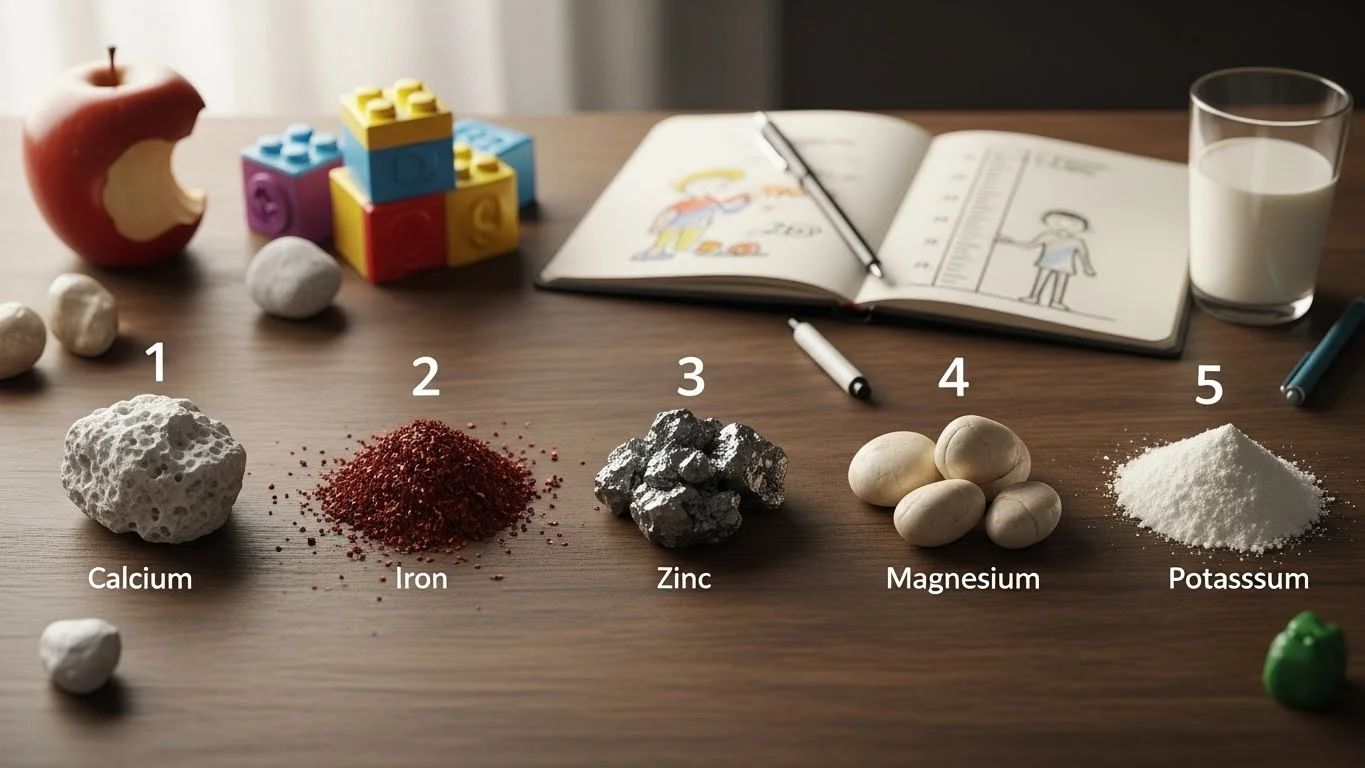
Ensuring our children grow up healthy and strong often starts with understanding the vital minerals they need. In this article, I’ll share the top five essential minerals that play a crucial role in your child’s growth and development. Read Interesting article: Top 10 Essential Vitamins for Kids’ Healthy Growth
Top 5 Essential Minerals for Your Child's Growth
Understanding the Importance of Minerals in Child Development
What Are Essential Minerals?
Essential minerals are inorganic substances that our bodies need in small amounts to function properly. Unlike vitamins, minerals come from the earth and are found in soil, water, and the foods we eat. They are crucial for various bodily functions, including building strong bones, making hormones, and regulating heartbeat. I remember when I first learned about the importance of these minerals in my child’s diet; it felt like unlocking a treasure chest of knowledge that I couldn’t wait to share with others.
The Role of Minerals in Growth and Development
As a parent, I’ve always been aware of how vital it is for my children to have a balanced diet. Minerals play a significant role in their overall health and development. They help form the structure of bones and teeth, support the immune system, facilitate muscle function, and even contribute to cognitive development. I learned that a deficiency in these minerals could lead to serious health issues, which made me even more committed to ensuring my kids get their daily needs met. It’s fascinating to see how these tiny elements can have such a profound impact on a child’s journey from infancy through adolescence.
Top 5 Essential Minerals for Your Child’s Growth
1. Calcium
Importance of Calcium for Bone Health
Calcium is arguably the superstar mineral for growing kids. It’s essential for developing strong bones and teeth, which is something I always keep in mind as my kids grow. I remember my pediatrician stressing the importance of calcium during their growth spurts, especially when they start to get taller and more active. Adequate calcium intake can help prevent osteoporosis later in life, so it’s a long-term investment in their health.
Sources of Calcium
When it comes to incorporating calcium into my kids’ diet, I focus on a variety of sources. Dairy products like milk, cheese, and yogurt are well-known calcium sources. But I also discovered that leafy greens, almonds, and fortified plant-based milk can be great alternatives, especially if you have a child who is lactose intolerant. I’ve even found some fun recipes for smoothies that sneak in spinach and yogurt, making it easy to boost their calcium intake without them even noticing!
Recommended Daily Intake
For children aged 1 to 3 years, the recommended daily intake of calcium is about 700 mg. This increases to 1,000 mg for children aged 4 to 8 years, and further up to 1,300 mg for ages 9 to 18. I keep track of my kids’ calcium intake through a simple food diary, which has made me more mindful of their nutritional needs.
2. Iron
Role of Iron in Cognitive Development
Iron is another critical mineral that I’ve made a priority in my children’s diets. It plays a vital role in cognitive development, helping to form hemoglobin in red blood cells that carry oxygen throughout the body. I learned that without enough iron, kids may experience fatigue and difficulty concentrating in school, which is something every parent wants to avoid!
Sources of Iron
When it comes to getting iron into their diet, I try to include both heme and non-heme sources. Heme iron, found in animal products like red meat, poultry, and fish, is more easily absorbed by the body. Non-heme iron, found in plant foods like beans, lentils, and fortified cereals, is also important. I love to make a hearty lentil stew that not only tastes great but is packed with iron! Read Interesting article: Essential Vegan Nutrients Your Kids Need for Growth
Signs of Iron Deficiency
I’ve seen firsthand how vital it is to watch for signs of iron deficiency, which can include fatigue, weakness, irritability, and pale skin. If I notice any of these symptoms in my kids, I make sure to consult our doctor. Regular check-ups have helped us stay on top of their iron levels, ensuring they’re thriving.
3. Zinc
Zinc’s Contribution to Immune Function
Zinc is another mineral that’s become a staple in our family’s diet. It’s crucial for maintaining a healthy immune system, which is something we all want for our children, especially during cold and flu season. I remember when my child got sick; I learned how zinc could help reduce the duration of common illnesses. This gave me a new perspective on its importance.
Food Sources Rich in Zinc
Some of the best sources of zinc include meat, shellfish, legumes, seeds, nuts, dairy, and whole grains. I often prepare dishes with chickpeas and pumpkin seeds, which are not only delicious but also full of this essential mineral. It’s great to know that we can support our immune health through what we eat!
How Much Zinc Do Children Need?
For children, the recommended daily intake of zinc varies by age. For example, toddlers aged 1 to 3 need about 3 mg, while kids aged 4 to 8 require around 5 mg. My goal is to ensure my children get enough zinc through a balanced diet, but I also keep an eye on any signs of deficiency, such as delayed wound healing or frequent infections.
4. Magnesium
Magnesium’s Role in Muscle and Nerve Function
Magnesium is another mineral that I feel is often overlooked. It plays a significant role in muscle and nerve function, energy production, and even regulating mood. I’ve noticed that when my kids are active or stressed, ensuring they have enough magnesium can help with muscle recovery and relaxation.
Food Sources of Magnesium
You can find magnesium in foods like nuts, seeds, whole grains, and leafy green vegetables. I love adding almonds to our snack routine, and incorporating whole grain bread into our meals has been an easy way to boost their magnesium intake. I always feel good knowing I’m supporting their health in such a simple way.
Symptoms of Magnesium Deficiency
Signs that my kids might not be getting enough magnesium can include muscle cramps, fatigue, and even anxiety. I always keep this in mind, especially during busy times like school exams or sports seasons when they need that extra support.
5. Potassium
Importance of Potassium for Heart and Muscle Health
Last but not least, potassium is crucial for heart and muscle health. It helps regulate blood pressure and fluid balance in our bodies, which is especially important for growing kids. I remember being surprised at how many foods contain potassium, making it easier to include in our meals.
Foods High in Potassium
Bananas, oranges, potatoes, spinach, and avocados are just a few examples of potassium-rich foods. I often make banana smoothies or serve baked potatoes topped with yogurt and herbs, both of which my kids love. It’s amazing how delicious and healthy food can come together!
Recommended Daily Intake of Potassium
Children need different amounts of potassium depending on their age, but generally, kids aged 1 to 3 should aim for about 2,000 mg, while those aged 4 to 8 need around 2,300 mg. Paying attention to their potassium intake has allowed me to support their heart and muscle health effectively.
How to Ensure Your Child Gets Enough Essential Minerals
Balanced Diet Recommendations
When it comes to ensuring that my children get all the essential minerals they need, I’ve found that focusing on a balanced diet is key. I like to think of their meals as colorful plates filled with a variety of foods. Each color often represents different nutrients and minerals. For example, I aim for vibrant fruits and veggies, whole grains, and proteins. I remember the first time I introduced a “rainbow plate” concept to them; it turned mealtime into an exciting adventure rather than a chore.
Incorporating a mix of these food groups helps cover the bases for their mineral requirements. I’ve learned that whole grains, like brown rice and quinoa, not only provide energy but also deliver magnesium and zinc. Pairing these grains with legumes like beans or lentils adds a boost of iron and fiber. For snacks, I make sure to keep a supply of nuts and seeds on hand, which are great sources of various minerals. I feel good knowing that I’m not just filling their stomachs but also fueling their growing bodies.
Use of Supplements: When Are They Necessary?
Supplements can be a tricky subject. I’ve often questioned whether they’re necessary for my kids. From my experience, I believe that whole foods should always be the priority. But there are times when supplements can be helpful, especially if my children have dietary restrictions or specific health needs. I remember when one of my kids was a picky eater; I consulted our pediatrician about whether a multivitamin might be beneficial. Thankfully, it was reassuring to know that a well-chosen supplement could serve as a safety net, just to make sure they weren’t lacking in anything essential.
It’s crucial to remember that not all supplements are created equal. I always do my research and look for reputable brands with clear ingredient lists. A doctor’s guidance is invaluable here, so I recommend reaching out to a healthcare professional before starting any supplement routine. They can help determine what, if any, supplements are necessary based on my children’s specific dietary habits and health status.
Monitoring Mineral Intake
Keeping track of my kids’ mineral intake has been an eye-opening experience. I started with a simple food diary, jotting down what they eat daily. This practice not only helps me visualize their diets but also allows me to spot gaps in their nutrition. I remember the first few weeks of keeping this diary; it really opened my eyes to how many snacks and processed foods were creeping into their meals. Since then, I’ve become more intentional about planning their meals.
To ensure they’re getting enough essential minerals, I also pay attention to their energy levels and overall health. If one of my kids seems more fatigued than usual or is frequently getting sick, it prompts me to reevaluate their diet. Regular check-ups with our doctor have also been beneficial. They often provide insights into my children’s nutritional needs and can recommend adjustments based on their growth patterns. It’s comforting to know I have support in this journey of ensuring they receive optimal nutrition.
Common Myths About Minerals and Child Growth
Myth 1: All Minerals Are Equally Important
One common misconception I’ve encountered is that all minerals are created equal. While I understand the importance of having a balanced intake, I’ve learned that certain minerals play more critical roles during different growth phases. For instance, calcium is crucial during bone development, while iron is essential for cognitive function. This realization helped me prioritize which minerals needed more attention in my children’s diets at various stages of their growth.
Myth 2: Supplements Can Replace a Healthy Diet
Another myth I’ve come across is the belief that supplements can replace a healthy diet. I feel strongly that while supplements can be helpful in certain cases, they cannot replicate the benefits of whole foods. There’s something special about the way nutrients work together in foods that can’t be duplicated in a pill. Plus, I’ve noticed that my kids enjoy the flavor and variety of meals more when we focus on real food rather than just relying on vitamins.
Myth 3: Vegetarians Can’t Get Enough Minerals
Finally, I’ve heard people say that vegetarian diets can’t provide enough essential minerals. From my experience, that simply isn’t true! With careful planning, a vegetarian diet can be rich in all the essential minerals. I’ve discovered countless plant-based sources of calcium, iron, and zinc that I love incorporating into our meals. I think it’s about being creative and educated on what foods to include, making sure my children are still getting all the nutrients they need. Read Interesting article: Essential Nutritional Needs for Vegan Kids Explained
Supporting Your Child’s Growth Through Nutrition
The Role of Nutrition in Overall Well-being
Nutrition goes beyond just providing essential minerals; it’s the foundation of our children’s overall health and well-being. I’ve come to realize that what my kids eat can influence everything from their energy levels to their mood and even their ability to focus in school. When I make an effort to provide nutritious meals, I notice that my children are more energetic and engaged, whether they’re at home or out with friends.
In my experience, it’s crucial to create a positive relationship with food. I find that when I involve my children in meal planning and preparation, they become more excited about trying new foods. We often have family cooking nights where we explore different cuisines, which not only makes mealtime fun but also introduces them to a variety of essential minerals they may not otherwise consider. This hands-on approach has definitely led to more adventurous eaters in my household!
The Importance of Hydration
I’ve also learned that hydration plays a vital role in my children’s health. While we often focus on solid foods, I believe that fluids are equally important for mineral absorption and overall bodily functions. Water helps transport minerals in the body, making it essential for effective nutrient utilization. I always encourage my kids to drink water throughout the day, especially during physical activities. We even make it a game by tracking how much water we each drink and celebrating when we hit our goals!
On hot days or after sports, I sometimes offer coconut water or homemade fruit-infused water as a tasty alternative. This way, they can hydrate while also getting a little extra boost of minerals, like potassium, which is necessary for muscle function.
Creating a Routine for Healthy Eating
Establishing a routine around healthy eating has been a game changer for us. I’ve found that consistency helps my kids understand the importance of nutrition. We have designated meal times that allow everyone to sit down together, which fosters not only better eating habits but also encourages conversations about the foods we’re eating and why they matter. I love asking my kids what minerals they think are in their meals, and it sparks interesting discussions.
For breakfast, I always aim for something hearty and nutritious, like oatmeal topped with fruits and nuts or yogurt with seeds. These meals not only keep them satisfied but also set a positive tone for the day ahead. I’ve noticed that having a solid breakfast can significantly affect their focus and energy levels, especially during school hours.
Encouraging Variety
One thing I’ve learned is the importance of variety in their diets. It’s easy to fall into a routine of making the same meals over and over, but I’ve found that introducing new foods can be exciting for everyone. I try to encourage my kids to pick out a new fruit or vegetable at the store each week. This simple practice has led us to discover some new favorites and has kept our meals interesting.
For instance, I was surprised when my kids fell in love with quinoa and kale, which I had initially thought they wouldn’t enjoy. By presenting these foods in fun and creative ways, like making colorful salads or mixing them into their favorite dishes, I’ve seen them become more open to trying things outside their comfort zone. It’s all about finding ways to make healthy eating enjoyable!
Seeking Professional Guidance
Sometimes, despite our best efforts, I realize that we could all benefit from professional guidance. I’ve found it incredibly helpful to consult a registered dietitian when I have specific concerns about my kids’ diets. They can provide tailored advice and help me make informed decisions about meal planning. I remember a time when I was worried about my child’s iron levels; having an expert’s input reassured me and gave me actionable steps to take.
Regular check-ups with our pediatrician have also been beneficial, as they can assess growth and nutritional needs over time. This proactive approach has not only helped me feel confident in my parenting but also ensured that my children are on the right path toward growing up healthy and strong.
Building a Supportive Environment
Lastly, I believe that creating a supportive environment at home plays an essential role in promoting healthy eating habits. I try to lead by example by making mindful food choices myself. When my kids see me enjoying fruits, vegetables, and whole grains, they’re more likely to follow suit. I also encourage them to share their thoughts and preferences about food, making them feel involved in the process.
When family and friends visit, I make it a point to offer healthy snacks and meals. I think that when healthy eating is showcased as a fun and enjoyable part of our lives, it helps instill those values in my children. In my heart, I know that the habits formed now will stay with them for years to come.
Frequently Asked Questions
What are essential minerals?
Essential minerals are inorganic substances that our bodies need in small amounts to function properly. They come from the earth and are found in soil, water, and the foods we eat, playing crucial roles in various bodily functions such as building strong bones and regulating heartbeat.
Why are minerals important for child development?
Minerals are vital for overall health and development in children. They help form the structure of bones and teeth, support the immune system, facilitate muscle function, and contribute to cognitive development. A deficiency in these minerals can lead to serious health issues.
What is the recommended daily intake of calcium for children?
The recommended daily intake of calcium is about 700 mg for children aged 1 to 3 years, 1,000 mg for children aged 4 to 8 years, and 1,300 mg for children aged 9 to 18 years.
What are some good sources of iron for children?
Good sources of iron include heme iron from animal products like red meat, poultry, and fish, as well as non-heme iron from plant foods such as beans, lentils, and fortified cereals.
How can I ensure my child gets enough zinc?
To ensure adequate zinc intake, include foods rich in zinc such as meat, shellfish, legumes, seeds, nuts, dairy, and whole grains in your child’s diet. The recommended daily intake varies by age, with toddlers needing about 3 mg and children aged 4 to 8 requiring around 5 mg.
What are the signs of magnesium deficiency in children?
Signs of magnesium deficiency can include muscle cramps, fatigue, and anxiety. It’s important to monitor these symptoms, especially during busy times like school exams or sports seasons.
What foods are high in potassium?
Foods high in potassium include bananas, oranges, potatoes, spinach, and avocados. These foods can easily be incorporated into meals and snacks to support heart and muscle health.
When are supplements necessary for children?
Supplements may be necessary if children have dietary restrictions or specific health needs. Whole foods should always be the priority, but consulting a healthcare professional can help determine if a supplement is needed.
How can I monitor my child’s mineral intake?
Keeping a food diary can help visualize your child’s diet and spot gaps in nutrition. Regular check-ups with a doctor can also provide insights into your children’s nutritional needs and health status.
What myths exist about minerals and child growth?
Common myths include the belief that all minerals are equally important, that supplements can replace a healthy diet, and that vegetarian diets cannot provide enough essential minerals. Each of these misconceptions can lead to misunderstandings about nutrition.
If you’re looking for delicious, budget-friendly vegan meals that kids will actually enjoy, you’re in the right place! I’ve gathered some fantastic recipes that are not only easy on the wallet but also full of flavor and nutrition. Read Interesting article: Budget-Friendly Vegan Meals: Planning for Your Family
10 Budget-Friendly Vegan Meals for Kids That They'll Love
Understanding Veganism for Kids
When I first considered raising my kids on a vegan diet, I was filled with curiosity and a touch of apprehension. I wanted to ensure they got all the nutrients they needed while keeping meals exciting and enjoyable. Understanding veganism for children can seem daunting, but it’s really about finding balance and making the right choices.
Benefits of Vegan Diets for Children
One of the most significant benefits I found in adopting a vegan diet for my kids is the variety of foods they get to experience. I learned that a vegan diet can be rich in fruits, vegetables, grains, and legumes, which are packed with essential nutrients. My children have developed a taste for diverse foods that I never thought they would enjoy. Plus, they often ask for second helpings of meals like lentil soup or stuffed peppers!
Another advantage is teaching them the importance of compassion and sustainability. I believe that instilling these values early on helps them grow into empathetic individuals who care about the environment, animals, and their health. It has opened up conversations in our home about where food comes from and why we make the choices we do.
Nutritional Considerations for Growing Kids
While I am a firm believer in the benefits of a vegan diet, I also understand the importance of paying attention to nutritional needs. Kids are always on the go, and they need a variety of nutrients to support their growth and development. In my experience, focusing on key nutrients like protein, iron, calcium, and vitamin B12 is essential.
To ensure my kids get enough protein, I incorporate legumes, nuts, and seeds into most meals. For instance, I’ve found that adding chickpeas to salads or making black bean tacos is a hit with my kids. Iron-rich foods like lentils and spinach are also staples in our household. Pairing them with vitamin C-rich foods, like bell peppers or oranges, helps with absorption, which is something I learned through a bit of research.
Calcium is another biggie, especially for growing bones. I make sure to include fortified plant-based milks and leafy greens in our diet. And let’s not forget about vitamin B12! It’s crucial for energy and proper brain function, so I opt for fortified foods or supplements when necessary, ensuring my kids stay healthy and energized.
Budget-Friendly Vegan Meal Ideas
Now that we’ve touched upon veganism for kids and their nutritional needs, let’s dive into some of my favorite budget-friendly vegan meal ideas. These meals are not only affordable but are sure to please even the pickiest eaters! Read Interesting article: Master Vegan Meal Planning for Families Without Breaking Bank
1. Veggie-Packed Pasta Primavera
This dish has become a family favorite in our home. I cook whole wheat pasta and toss it with a mix of colorful veggies like bell peppers, zucchini, and carrots. I sauté them in olive oil with garlic and a splash of lemon juice for added zing. My kids love the vibrant colors, and I love how easy it is to make!
2. Black Bean and Sweet Potato Tacos
These tacos are a weekly staple for us. I roast sweet potatoes until they’re tender and mix them with canned black beans. I season them with cumin and chili powder for a tasty kick. We pile it all into corn tortillas and top with avocado salsa. The kids enjoy assembling their tacos, which makes it even more fun!
3. Chickpea Salad Sandwiches
Whenever I have leftover chickpeas, I mash them up and mix them with vegan mayo, celery, and a bit of mustard. I serve it on whole grain bread with lettuce and tomato. My kids think it’s a treat to have “chickpea sandwiches” for lunch, and I love that they’re getting a protein-packed meal.
4. Homemade Vegetable Fried Rice
This is my go-to for using up leftover vegetables. I cook rice and stir-fry it with whatever veggies we have on hand, like peas, carrots, and bell peppers. I add soy sauce and a sprinkle of sesame oil for flavor. It’s quick, easy, and my kids enjoy it every time!
5. Lentil and Vegetable Soup
This soup is comforting and packed with nutrients. I simmer lentils with carrots, celery, and tomatoes, adding spices like thyme and bay leaf. It’s hearty and filling, perfect for chilly nights. My kids love helping me stir the pot and even ask for seconds!
6. Quinoa and Black Bean Stuffed Peppers
I love to stuff bell peppers with a mixture of quinoa, black beans, corn, and spices. After baking them until tender, they come out delicious and colorful. It’s a complete meal in one, which makes it easy for me, and my kids think it’s fun to dig into their own pepper!
7. Peanut Butter Banana Oatmeal
This breakfast is a hit. I cook oats and mix in peanut butter and sliced bananas. It’s warm, filling, and gives my kids the energy they need for the day. Sometimes, I let them add a sprinkle of cinnamon or some chopped nuts for extra flavor.
8. Vegan Pizza with Homemade Tomato Sauce
Making pizza is a fun family activity! We use whole wheat pita bread as the base and top it with homemade tomato sauce, lots of veggies, and dairy-free cheese. The kids love customizing their pizzas, and it’s a great way to sneak in veggies.
9. Zucchini Noodles with Avocado Sauce
This dish is not only healthy but also fun to eat! I spiralize zucchini and toss it with a creamy avocado sauce made from blended avocado, garlic, lemon juice, and a touch of olive oil. My kids love the twisty noodles, and it’s a great way to get more greens into their diet.
10. DIY Vegan Sushi Rolls
Making sushi at home has become a fun weekend activity for us. We use sushi rice, nori sheets, and fill them with cucumbers, carrots, and avocado. My kids love rolling their sushi and dipping it in soy sauce. It’s a delicious way to explore new flavors!
Shopping Tips for Budget-Friendly Vegan Meals
When I first started shopping for vegan ingredients, I quickly realized that being budget-conscious is key. It’s easy to get carried away with the plethora of options available, but a little planning goes a long way. Here are some of my favorite shopping tips for keeping costs low while still enjoying delicious, nutritious meals. Read Interesting article: Family Vegan Meal Planning: Affordable Recipes & Tips
Buying in Bulk: Saving Money on Staples
Buying in bulk has become one of my best strategies for saving money. I’ve noticed that purchasing items like grains, beans, and nuts in larger quantities can significantly cut costs. Many stores offer bulk bins where you can scoop out exactly how much you need. For example, I buy quinoa, brown rice, and lentils this way, which allows us to enjoy these staples without breaking the bank. Plus, I find that storing these items in glass jars keeps them fresh and organized in my pantry, making meal prep smoother.
Another great benefit of buying in bulk is that it encourages me to experiment with new recipes. With a variety of grains and legumes on hand, I often find myself trying new dishes that I might not have explored otherwise. This not only saves money but also adds excitement to our meals!
Seasonal Produce: How to Choose Affordable Veggies
One of the biggest revelations I had was how much money I could save by buying seasonal produce. I remember walking through the farmers’ market and realizing that the fruits and vegetables were not only fresher but also much cheaper. Eating with the seasons not only supports local farmers but also means we get to enjoy produce at its peak flavor.
For example, in the summer, I load up on zucchini, tomatoes, and corn—perfect for grilling or tossing into salads. In the fall, we enjoy squash, pumpkins, and hearty greens that are great for soups and stews. I often plan our meals around what’s in season, which helps me create a more varied and interesting menu while keeping our grocery bills down.
Store Brands vs. Name Brands: What’s Best?
I’ve always been a bit skeptical about store brands, but I decided to give them a chance after hearing friends rave about their quality and affordability. To my surprise, many store-brand products are just as good as, if not better than, their name-brand counterparts. This applies to things like canned beans, pasta, and even plant-based milks.
When I switched to store brands, I noticed my grocery bill decrease significantly without sacrificing quality. I recommend trying a few products to see what works best for your family. It’s worth it to compare ingredient lists; I’ve found that many store brands have minimal ingredients, just like the more expensive options. It’s a small change that can lead to big savings over time.
Making Meals Kid-Friendly
I’ve learned that making meals appealing for kids can be a game changer. If my children enjoy their food, they are more likely to try new things and eat what’s on their plates. Here are some strategies that have worked wonders for our family.
Involving Kids in Meal Preparation
One of the most effective ways I’ve found to get my kids excited about their meals is to involve them in the cooking process. Whether it’s washing veggies or mixing ingredients, my kids love being hands-on. I often set aside a day during the weekend for us to cook together, and I let them choose recipes from a cookbook or online. This not only makes them feel important but also sparks their curiosity about different foods.
For instance, when we made the DIY vegan sushi rolls, they were thrilled to pick out the fillings. Seeing their excitement as they rolled their sushi is a memory I cherish. I’ve noticed that when they help prepare the meals, they’re more likely to eat them without fussing!
Creative Presentation Tips to Make Meals Fun
Presentation is everything, especially for kids. I’ve found that making meals visually appealing can turn ordinary dishes into something special. For example, I love to create “rainbow” plates, where I arrange a variety of colorful fruits and vegetables in a fun pattern. I’ve even used cookie cutters to shape sandwiches and fruits, which always gets a giggle and a smile from my kids.
Another fun idea is to create themed dinners, like taco night or pizza night, with all the toppings laid out like a buffet. This not only adds excitement but allows kids to customize their meals, which I’ve found encourages them to try new ingredients. The more fun we have with our food, the more they enjoy eating it!
Addressing Common Concerns
Ensuring Adequate Protein Intake
One of the most common concerns I’ve encountered when discussing a vegan diet for kids is protein intake. I remember feeling a bit anxious about it myself. After all, we often hear that protein is essential for growth and development. However, I learned that there are plenty of plant-based sources of protein that can easily be incorporated into our meals.
For my kids, I focus on including legumes such as lentils, chickpeas, and beans in our meals. I’ve made it a habit to create a variety of dishes that showcase these ingredients. For example, I whip up lentil burgers or chickpea curry, which not only taste great but also provide a hefty dose of protein. Nuts and seeds are also excellent sources; I often sprinkle chia seeds or hemp seeds into smoothies or oatmeal for an extra boost.
I also found that whole grains like quinoa and farro offer a good amount of protein too. When I prepare dishes like quinoa bowls topped with veggies and beans, I feel confident that my kids are getting the nutrition they need. I make sure to balance their meals with different protein sources throughout the day, so they’re not solely reliant on one food group. This approach provides a well-rounded intake and keeps our meals interesting!
Handling Picky Eaters
Let’s be real: every parent faces the challenge of picky eaters at some point. I certainly have! My kids have gone through phases where they refuse to try anything new, which can be frustrating when you’re trying to introduce healthy meals. What I’ve found helpful is to keep an open mind and a bit of patience.
One strategy that works for us is offering small portions of new foods alongside their favorite dishes. For instance, when I serve veggie-packed pasta, I might add a side of roasted Brussels sprouts or a salad. This way, they can taste a little without feeling overwhelmed. I’ve noticed that over time, they become more comfortable with these foods and are often willing to give them a try.
Another tactic is to create a “try it” rule in our house. I tell my kids that they need to take at least one bite of something new before they can decide if they like it or not. Surprisingly, this has led to some unexpected favorites! I think it’s all about making mealtime a low-pressure experience and encouraging them to explore different flavors without the fear of it being a “bad” choice.
Allergies and Dietary Restrictions
Dealing with allergies and dietary restrictions can feel daunting, especially when trying to keep meals vegan. I’ve been there too. Understanding what works for my family has been a learning experience, but it’s completely doable with a little planning. My first step was to learn about the common allergens in plant-based foods. For example, I discovered that nuts are often a concern, so I needed to find alternatives for snacks and meals that wouldn’t trigger any reactions.
In our case, we’ve had to avoid nuts, but that hasn’t stopped us from enjoying protein-rich meals. I’ve leaned on seeds, like sunflower seeds or pumpkin seeds, as great alternatives. They add texture and nutrition without the nut allergy risk. Additionally, I’ve learned to use legumes and whole grains as the backbone of our meals.
If you have a child with dietary restrictions, I recommend exploring alternative ingredients together. For instance, we’ve experimented with different flours for baking or made plant-based milk from oats instead of soy or almond. The exploration itself becomes an exciting activity, and discovering new foods can open doors to creative meal ideas. I’ve found that involving kids in this process allows them to feel more in control of their diet and encourages them to embrace the foods that work for them.
Additional Resources for Vegan Families
Recommended Cookbooks for Vegan Kids
As I dove into vegan cooking, I discovered a treasure trove of cookbooks that not only cater to adults but also have kid-friendly recipes. One of my favorites is “Vegan with a Vengeance” by Isa Chandra Moskowitz. It features accessible recipes that are both fun and delicious, perfect for family cooking sessions. Another gem is “The Super Easy Vegan Slow Cooker Cookbook” by Toni Okamoto, which is great for busy days when I want to set it and forget it.
For kids, “Sweet Vegan: Passive Income for Your Inner Kid” by Hannah Kaminsky is fantastic. It includes desserts and snacks that are sure to excite little taste buds. I often find myself flipping through these cookbooks with my kids, letting them pick recipes they want to try. It’s a fun way to get them involved in the kitchen and explore new flavors together.
Online Communities and Support Groups
Connecting with other families who are navigating a vegan lifestyle has been invaluable for me. I’ve found online communities where we can share tips, recipes, and experiences. Facebook groups such as “Vegan Families” and “Plant-Based Parents” have been great for finding support and inspiration. I’ve benefited from discussions on meal planning, dealing with picky eaters, and discovering new products.
Another resource I recommend is following vegan influencers on Instagram or YouTube. They often share quick recipes, cooking hacks, and tips that resonate with families. I’ve learned so much from watching their cooking videos and have even adapted some of their ideas for my own meals. These communities have made the journey feel less isolating, and I love that we’re all in this together, supporting each other along the way.
Frequently Asked Questions
What are some benefits of a vegan diet for children?
A vegan diet for children can provide a variety of foods rich in essential nutrients, promote compassion and sustainability, and help instill healthy eating habits from a young age.
How can I ensure my kids get enough protein on a vegan diet?
To ensure adequate protein intake, incorporate legumes like lentils, chickpeas, and beans into meals. Additionally, include nuts, seeds, and whole grains like quinoa to provide a well-rounded protein source.
What are some budget-friendly vegan meal ideas?
Some budget-friendly vegan meal ideas include Veggie-Packed Pasta Primavera, Black Bean and Sweet Potato Tacos, Chickpea Salad Sandwiches, and Homemade Vegetable Fried Rice.
How can I make meals more appealing to kids?
Involve kids in meal preparation and use creative presentation techniques, such as arranging colorful fruits and vegetables into fun patterns or creating themed dinners, to make meals more enjoyable for them.
What shopping tips can help save money on vegan groceries?
Buying in bulk, choosing seasonal produce, and opting for store brands instead of name brands are effective strategies to save money while shopping for vegan ingredients.
How can I handle picky eaters when introducing vegan meals?
Offer small portions of new foods alongside favorite dishes and implement a “try it” rule, encouraging kids to taste new foods without pressure, which can help them become more open to trying different flavors.
What resources are available for vegan families?
Recommended resources include cookbooks like “Vegan with a Vengeance” and “The Super Easy Vegan Slow Cooker Cookbook,” as well as online communities and social media groups for vegan families to share tips and experiences.
How can I ensure my kids receive enough calcium on a vegan diet?
Include fortified plant-based milks and leafy greens in your kids’ diet to ensure they are getting enough calcium for their growing bones.
What should I consider when addressing allergies in a vegan diet?
Be aware of common allergens in plant-based foods and explore alternatives, such as using seeds instead of nuts for snacks and meals, to accommodate dietary restrictions while maintaining a nutritious vegan diet.
What are some fun vegan meal ideas for family cooking activities?
Fun meal ideas include making DIY Vegan Sushi Rolls, creating personalized Vegan Pizza with homemade sauce, and preparing Zucchini Noodles with Avocado Sauce, which can all involve the kids in the cooking process.
Uninvolved parenting, also known as neglectful parenting, is a style characterized by a significant lack of responsiveness and engagement with a child's emotional and developmental needs [1]. This...
5Permissive and authoritative parenting represent two distinct styles that significantly impact child development [1]. Permissive parenting is characterized by high warmth and low boundaries, while...