
As parents, we all want the best for our little ones, especially when it comes to their nutrition. Understanding what your growing toddler needs can help lay the foundation for a healthy lifestyle. For more detailed insights, check out the Ultimate Guide to Toddler Nutrition: Age-Specific Needs.
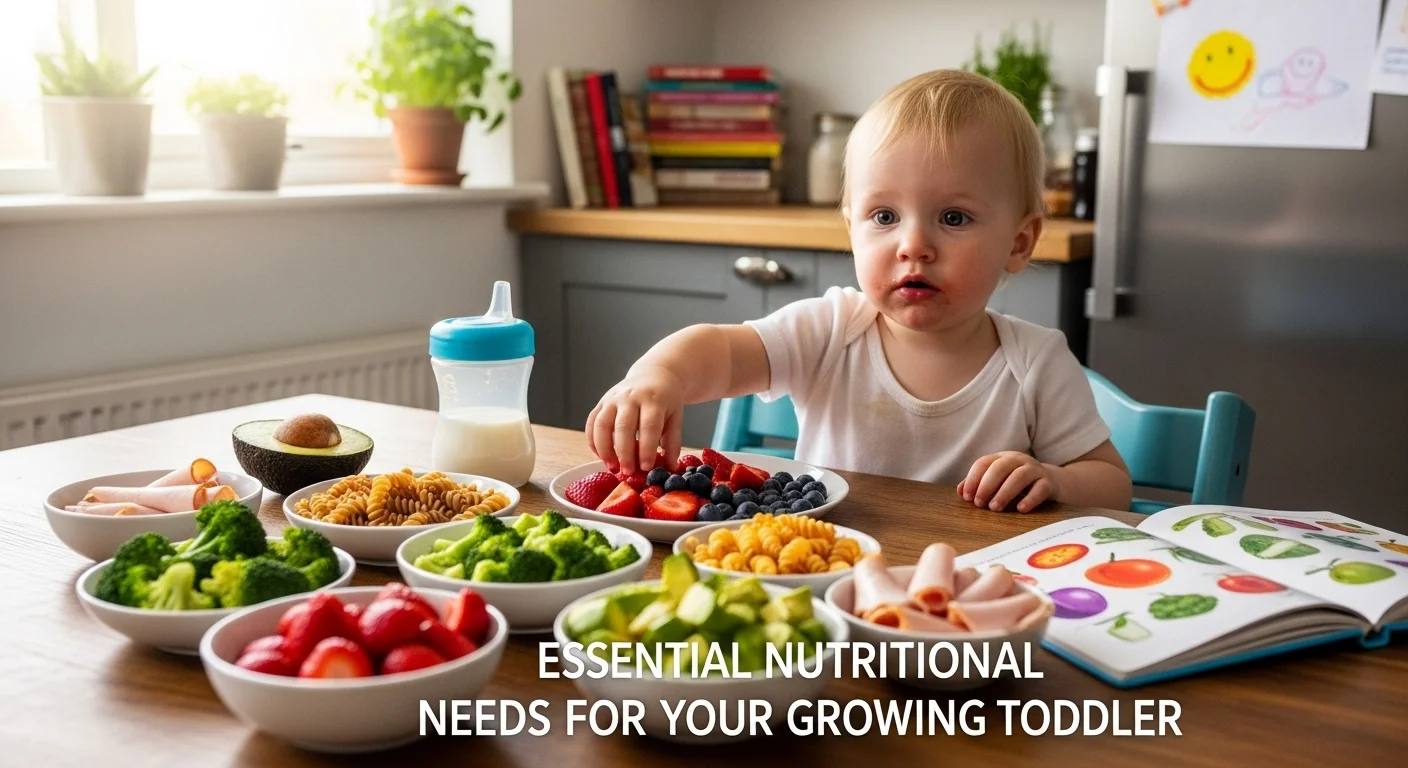
Understanding Toddler Nutrition
The Importance of Proper Nutrition for Toddlers
Nutrition plays a crucial role in a toddler’s growth and development. I remember the first time my child transitioned from baby food to solid meals; it felt overwhelming yet exciting. At this stage, toddlers are not just growing taller but also experiencing significant brain development, which requires a well-rounded diet. The right balance of nutrients can influence their mood, energy levels, and overall health.
Proper nutrition is essential for a strong immune system, healthy bone development, and cognitive growth. I often find it fascinating how what my child eats can affect everything from their attention span to their ability to fight off colds. Toddlers are naturally curious and adventurous, so their diet should reflect that same spirit. This is the time to introduce a variety of foods to ensure they get all the essential nutrients needed for optimal growth.
Key Nutrients Every Toddler Needs
There are several key nutrients every toddler needs to thrive. I’ve come to learn that focusing on a mix of proteins, carbohydrates, fats, vitamins, and minerals makes a huge difference in my child’s development. Here’s a deeper look at these essential nutrients:
Essential Nutrients for Growing Toddlers
Proteins: Building Blocks of Growth
Protein is vital for building and repairing tissues. It’s the building block of muscles and plays a significant role in creating enzymes and hormones. I always include protein sources in my toddler’s meals, like chicken, fish, eggs, and beans. I’ve noticed that when my child has enough protein, they seem more energetic and active throughout the day.
Carbohydrates: Energy for Active Bodies
Carbohydrates are the primary source of energy for toddlers. They fuel those endless bursts of energy and help keep little bodies moving. Whole grains like brown rice, oats, and whole wheat bread are fantastic options. I love how versatile carbs can be—whether it’s oatmeal for breakfast or whole grain pasta for dinner, they provide the necessary energy my child needs to explore and play.
Fats: Supporting Brain Development
Healthy fats are crucial for brain development. I’ve learned that incorporating sources like avocados, nuts, and olive oil can aid in cognitive development. These fats not only provide energy but also support the growth of brain cells. I often mix avocados into smoothies or spread them on toast for a nutritious treat. It’s amazing to see how even small changes in fat sources can make a big difference.
Vitamins and Minerals: Micronutrients for Overall Health
Vitamins and minerals are the unsung heroes of toddler nutrition. They support everything from immunity to bone health. I’ve found that making sure my child gets a colorful variety of fruits and vegetables is the best way to ensure they’re getting these micronutrients. Here are a few particularly important ones:
Vitamin D: Importance for Bone Health
Vitamin D is essential for calcium absorption, which is vital for developing strong bones. I remember reading about how much sun exposure toddlers need to synthesize Vitamin D, and I’ve made it a point to play outside regularly. In winter months, I consider fortified foods or discuss supplements with my pediatrician.
Iron: Preventing Anemia
Iron is crucial for healthy blood and energy levels. I’ve noticed that when my child’s iron intake is low, they can get tired easily. I try to include iron-rich foods like lean meats, beans, and spinach in their diet. Pairing these with vitamin C-rich foods, like oranges or strawberries, can enhance iron absorption, which has worked wonders for us!
Calcium: Building Strong Teeth and Bones
Calcium is a superstar for tooth and bone health. Dairy products are the most well-known sources, but there are plenty of other options like fortified plant-based milks and leafy greens. I often add yogurt to smoothies or serve it as a snack, which my toddler loves. It’s a fun way to ensure they’re getting enough calcium without it feeling like a chore.
Fiber: Promoting Healthy Digestion
Fiber is another important nutrient that aids in digestion. I’ve learned just how crucial it is for keeping things running smoothly. Incorporating fruits, vegetables, and whole grains provides the fiber needed for a healthy digestive system. I often serve whole grain toast or add chia seeds to my child’s yogurt to sneak in extra fiber—it’s a little trick I enjoy sharing!
Recommended Daily Allowances (RDA) for Toddlers
Age-Specific Nutritional Guidelines
As I’ve navigated the world of toddler nutrition, I’ve discovered that understanding the recommended daily allowances (RDA) for different age groups can be incredibly helpful. For toddlers aged 1 to 3 years, the guidelines suggest specific amounts of each nutrient to support their rapid growth and development. Knowing these numbers has helped me ensure that my child is getting everything they need.
For instance, toddlers aged 1-3 years typically need:
- Protein: About 13 grams per day.
- Carbohydrates: Roughly 130 grams per day.
- Fats: Around 30-40% of their total daily calories.
- Calcium: About 700 mg per day.
- Iron: Approximately 7 mg per day.
These numbers may seem daunting, but I found that by focusing on a variety of foods, meeting these RDA targets becomes manageable. I often refer to these guidelines when planning meals, and it’s reassuring to have a framework to work with. For more tips on meal planning, consider reading Smart Toddler Meal Planning for Family Backpacking Trips.
How to Calculate the Right Portions
Calculating the right portions for toddlers can be a little tricky at first. I remember feeling overwhelmed by the sheer number of options and unsure how much was enough. A practical approach I’ve found helpful is using my child’s palm as a guide. Generally, a serving size can be about the size of their palm for protein sources, half a palm for grains, and a fist for fruits and veggies. This method simplifies portioning and makes meals feel less rigid.
Another tip I learned is to offer a variety on the plate. Instead of focusing on strict portion sizes, I encourage my little one to taste different foods. This way, they can listen to their hunger cues, and I can introduce new flavors without pressure. I find that this approach not only promotes a balanced diet but also fosters a positive relationship with food.
Food Groups to Incorporate in a Toddler’s Diet
Fruits and Vegetables: Colorful Choices for Health
Fruits and vegetables are essential for toddlers, and I’ve seen firsthand how colorful choices can make meals more appealing. I love arranging fruits and veggies in fun shapes or colors on the plate, which makes them visually exciting for my child. I’ve found that when I involve them in the selection process—like letting them pick out their favorite fruits at the grocery store—they’re often more willing to try new things.
Incorporating fruits and veggies into snacks is an easy win. I often blend spinach into smoothies or offer apple slices with peanut butter. It’s a sneaky way to boost their intake without the fuss! I believe that the more variety I introduce, the more adventurous my toddler becomes with their eating habits.
Whole Grains: Energy Sources for Active Toddlers
Whole grains have become a staple in our meals. I learned that they not only provide energy but also essential nutrients like fiber. I often opt for whole grain bread, brown rice, and quinoa as the base for our meals. I’ve found that my toddler enjoys whole grain pancakes topped with fruit for breakfast, and it feels great knowing they’re starting their day with a healthy option.
Experimenting with different grains has been fun too. We’ve tried farro and barley, and I’ve noticed that my child is more willing to try new things when I present them in creative ways, like grain salads or baked goods. Whole grains are a great way to keep our energy levels up, especially during those busy, active days!
Dairy Products: Importance of Calcium-Rich Foods
Dairy is a crucial part of my toddler’s diet. Not only are dairy products packed with calcium, but they also offer protein and essential vitamins. I often choose yogurt and cheese as snacks, and I’ve found flavored yogurt can be a hit. However, I make sure to check the sugar content to ensure it’s not too high.
Sometimes, we make homemade smoothies using yogurt and frozen fruits. It’s a refreshing way to combine nutrients while also being a fun activity we do together. I’ve realized that incorporating dairy in various forms, like smoothies, cheese sticks, or even homemade pizzas, makes it easier for my child to enjoy these essential foods!
Protein Sources: Meat, Fish, and Plant-Based Alternatives
Protein is another building block that I focus on daily. I try to include a variety of protein sources in my toddler’s diet, such as lean meats, fish, eggs, and plant-based options like beans and lentils. I remember my child was initially hesitant about trying fish, but by introducing it in the form of fish sticks, they enjoyed it without even realizing they were eating something new!
Getting protein into our meals doesn’t have to be complicated. I find simple preparations, like grilled chicken strips or scrambled eggs, work well. I also encourage my child to help with meal prep, which has turned them into a little chef. When my toddler helps cook, they are more inclined to eat the food they’ve made!
Healthy Meal Ideas for Toddlers
Breakfast: Nutritious Start to the Day
Breakfast has always been a big deal in our home. I think it sets the tone for the entire day, and I’ve discovered a few go-to recipes that are both nutritious and appealing to my toddler. One of my favorites is oatmeal topped with fresh fruit and a drizzle of honey or maple syrup. Oatmeal is full of fiber, which helps keep little tummies satisfied until snack time. On busy mornings, I often prepare overnight oats, combining rolled oats, yogurt, and fruits in a jar. It’s so easy to grab and go, and my child loves the different flavors we create!
Pancakes are another breakfast staple. I like to make whole grain pancakes and sneak in some mashed bananas or blueberries for added nutrition. Sometimes, I even turn them into fun shapes with cookie cutters. I remember my child giggling at the star-shaped pancakes, which made breakfast feel like a treat. Pairing pancakes with a side of yogurt or scrambled eggs adds a healthy protein boost to the meal!
Lunch: Balanced Midday Meals
Lunch can be a bit tricky, especially if my toddler is feeling picky. I’ve learned that creating a “toddler lunch box” can be an exciting way to present a variety of foods. I usually include a protein source, some whole grains, and plenty of colorful veggies. For instance, I might pack turkey and cheese roll-ups, whole grain crackers, and carrot sticks with hummus. The fun part is letting my child pick what they want to eat first, which often leads to them trying different combinations.
Another option I love is mini quesadillas made with whole wheat tortillas, cheese, and beans. I can easily throw in some spinach or bell peppers, which my toddler doesn’t even notice! These quesadillas are quick to make and can be served with a side of salsa or guacamole for some added flavor. It’s a win-win when I can sneak in some veggies and my child enjoys the meal!
Dinner: Wholesome Evening Dishes
Dinner often feels like a family event in our house. I try to make it a balanced meal that includes protein, grains, and vegetables. One of my go-to dishes is baked chicken with sweet potatoes and steamed broccoli. I find that roasting the sweet potatoes until they’re caramelized makes them sweeter and more appealing to my toddler. I also encourage my child to help out in the kitchen, whether it’s washing veggies or stirring ingredients. This involvement often makes them more excited to eat what we’ve prepared together!
Another favorite dinner is homemade vegetable stir-fry with brown rice. I can easily mix in whatever veggies we have on hand, and it feels good to clear out the fridge while making a tasty meal. I often add tofu or lean beef for protein, and the vibrant colors of the veggies make the dish visually appealing. My child loves picking out their favorite veggies and feels proud to have helped create dinner!
Snacks: Healthy Options Between Meals
Snacks are a big part of my toddler’s routine, and I’ve realized how important it is to make them healthy yet enjoyable. I like to keep a variety of options on hand. For instance, fruit slices with nut butter are a great combination of healthy fats and carbs. I often prepare apple or banana slices, which my child loves to dip into peanut or almond butter. It’s a simple snack, but it keeps them satisfied and energized.
Another favorite is yogurt with granola and berries. I sometimes let my toddler help layer the ingredients in a small cup, which makes it feel like a special treat rather than just another snack. I also keep a stash of whole grain crackers and cheese sticks for on-the-go snacking. These are perfect for our outings or when we need a quick bite before mealtime. I’ve found that having healthy snacks readily available helps prevent those “hangry” moments!
Overall, I’ve discovered that variety and presentation go a long way in keeping meal times enjoyable for my toddler. I think it’s all about balance and creativity, and I love experimenting with new recipes to keep things fresh and exciting! Each meal is an opportunity for my child to explore flavors and textures, and I cherish these moments together, knowing that I’m laying the groundwork for a lifetime of healthy eating habits.
Common Nutritional Challenges for Toddlers
Picky Eating: Strategies to Encourage Variety
Picky eating is something I’ve definitely encountered with my toddler. It can be frustrating when they suddenly refuse to eat foods they once enjoyed. I’ve learned that it’s a normal phase many children go through, and finding ways to encourage variety has become part of our mealtime routine. One strategy that works for us is to involve them in the cooking process. When my child helps wash vegetables or mix ingredients, they seem more interested in trying the final dish.
Another approach I’ve found helpful is to offer meals in a fun and engaging way. For instance, I sometimes create a “taste-testing” platter with small portions of various foods. This way, my toddler can explore different flavors without feeling overwhelmed. Staying patient and persistent has also been key; I’ve discovered that introducing a new food multiple times can increase the chances of acceptance. It’s all about making mealtimes enjoyable and low-pressure!
Food Allergies: Understanding and Managing Risks
Food allergies can be a serious concern for many families. I remember feeling anxious when my toddler first started exploring new foods. To manage this, I decided to introduce new foods one at a time, which helped me monitor any reactions closely. I also made it a point to educate myself about common allergens, like peanuts, tree nuts, dairy, and eggs.
Consulting with our pediatrician was invaluable. They provided guidance on what to look for and when to seek help. If allergies are a concern for your family, I recommend keeping an emergency plan handy and having allergen-free alternatives available. It’s all about creating a safe and comfortable eating environment for our little ones while still encouraging them to try new foods.
Transitioning from Baby Food to Table Food
The transition from baby food to table food was a significant milestone for us. I remember being unsure about how to make this shift. I started by offering soft, easy-to-chew foods that my toddler could handle. Foods like mashed sweet potatoes, small pieces of cooked veggies, and soft fruits were great options. Gradually, I introduced more textures and flavors while ensuring everything was cut into toddler-friendly sizes.
It helped to observe my child’s cues as they learned to self-feed. I encouraged them to use their hands when they wanted, which made mealtime more interactive. I’ve found that the more I embrace this transition and offer a variety of healthy options, the more adventurous my toddler becomes with their eating habits. It’s a journey of discovery that I truly cherish!
Monitoring Your Toddler’s Nutritional Health
Recognizing Signs of Nutritional Deficiencies
Keeping an eye on my toddler’s nutritional health is essential. I’ve learned to recognize signs of deficiencies, like unusual fatigue or irritability. If my child seems more tired than usual or has trouble concentrating, it prompts me to evaluate their food intake. I also pay attention to their growth patterns, as significant changes can be a red flag. I think being proactive about their health helps me address any potential issues early on.
Consulting Pediatricians and Nutritionists
Whenever I have concerns about my toddler’s nutrition, I don’t hesitate to reach out to our pediatrician or a nutritionist. They provide invaluable insights tailored to my child’s specific needs. During check-ups, I make it a point to ask about growth trends and any adjustments we might need to make in their diet. I believe that having a professional’s guidance can make a huge difference, especially when navigating the complexities of toddler nutrition.
Using Growth Charts to Track Development
Growth charts have been a helpful tool in monitoring my toddler’s development. I appreciate how they provide a visual representation of growth over time, helping me see if my child is on track. I remember being reassured when my pediatrician explained how to interpret the charts and what the different percentiles mean. It empowers me to take an active role in ensuring my child is growing healthily, which ultimately keeps me motivated to focus on nutrition.
Supplementation: When and What to Consider
Multivitamins: Are They Necessary?
As I’ve learned more about toddler nutrition, the topic of multivitamins has come up. I’ve often wondered if they’re necessary for my child. While I believe that a balanced diet is best, I also understand that some toddlers may have dietary restrictions or preferences that make it challenging to get all the nutrients they need. After discussing this with our pediatrician, we decided to consider a multivitamin as a supplement, especially during periods of picky eating.
Probiotics: Benefits for Digestive Health
Probiotics have also been on my radar, especially since I’ve read about their benefits for digestive health. I noticed that my toddler occasionally experiences tummy troubles, so I began incorporating yogurt with live cultures into their diet. It’s been great to see positive changes in their digestion, and it’s something I’d recommend if you’re looking for gentle ways to support your little one’s gut health.
Creating a Positive Eating Environment
Involving Toddlers in Food Preparation
Creating a positive eating environment has made a world of difference in our household. One of my favorite strategies is involving my toddler in food preparation. Whether it’s washing veggies or stirring ingredients, I enjoy watching their enthusiasm grow. I’ve found that when they feel like they’re part of the process, they’re more likely to be excited about trying new foods.
Establishing Regular Meal and Snack Times
Establishing regular meal and snack times has also been beneficial. I’ve noticed that having a routine helps my toddler understand when it’s time to eat. It reduces the chaos surrounding meals and makes them feel more secure. We often gather around the table as a family, which not only strengthens our bond but also encourages positive eating habits.
Encouraging Mindful Eating Habits
Mindful eating has become a practice we’re working on together. I encourage my toddler to pay attention to their hunger cues and enjoy their food without distractions. We talk about the flavors and textures on their plate, which fosters a deeper appreciation for what they’re eating. I find that being present during meals makes it a more enjoyable experience for both of us, enhancing our connection through food.
Final Thoughts
Through my journey of navigating toddler nutrition, I’ve discovered that it’s all about balance, creativity, and patience. Each child is unique, and what works for one may not work for another. I’ve learned to embrace the challenges and celebrate the successes along the way. By focusing on a diverse diet, involving my little one in food preparation, and maintaining open communication with healthcare professionals, I feel more equipped to provide the best nutrition for my child. It’s a rewarding experience, and I’m grateful for the opportunity to lay the foundation for a healthy relationship with food.
Frequently Asked Questions
1. Why is proper nutrition important for toddlers?
Proper nutrition is crucial for a toddler’s growth and development. It supports a strong immune system, healthy bone development, and cognitive growth, influencing their mood, energy levels, and overall health.
2. What are the key nutrients every toddler needs?
Toddlers need a mix of proteins, carbohydrates, fats, vitamins, and minerals. These nutrients are essential for their growth, energy, brain development, and overall health.
3. How much protein do toddlers need daily?
Toddlers aged 1-3 years typically need about 13 grams of protein per day to support their growth and development.
4. What are some recommended sources of healthy fats for toddlers?
Healthy fats for toddlers can be found in avocados, nuts, and olive oil. These fats support brain development and provide energy.
5. How can I encourage my toddler to eat a variety of foods?
Involving toddlers in the cooking process, offering meals in a fun way like taste-testing platters, and being patient with repeated introductions of new foods can encourage variety in their diet.
6. What should I do if my toddler is a picky eater?
If your toddler is a picky eater, try involving them in food preparation and presenting meals in engaging ways. Additionally, offer new foods multiple times to increase the chances of acceptance.
7. How can I monitor my toddler’s nutritional health?
Monitor your toddler’s nutritional health by recognizing signs of deficiencies such as fatigue or irritability, consulting with pediatricians or nutritionists, and using growth charts to track development.
8. Are multivitamins necessary for toddlers?
While a balanced diet is ideal, some toddlers may benefit from multivitamins, especially if they have dietary restrictions or are picky eaters. Consulting with a pediatrician can help determine if supplementation is needed.
9. What role does fiber play in a toddler’s diet?
Fiber is important for promoting healthy digestion in toddlers. It can be found in fruits, vegetables, and whole grains, helping to keep their digestive system running smoothly.
10. How can I create a positive eating environment for my toddler?
Create a positive eating environment by involving your toddler in food preparation, establishing regular meal and snack times, and encouraging mindful eating habits to enhance their relationship with food.