
Planning a backpacking trip with kids is an adventure filled with excitement and exploration. But ensuring they have the right nutrition is crucial for a successful journey. Let’s dive into what makes a healthy backpacking experience for our little adventurers. Read Interesting article: Backpacking with Lactose Intolerance: Essential Tips & Tricks
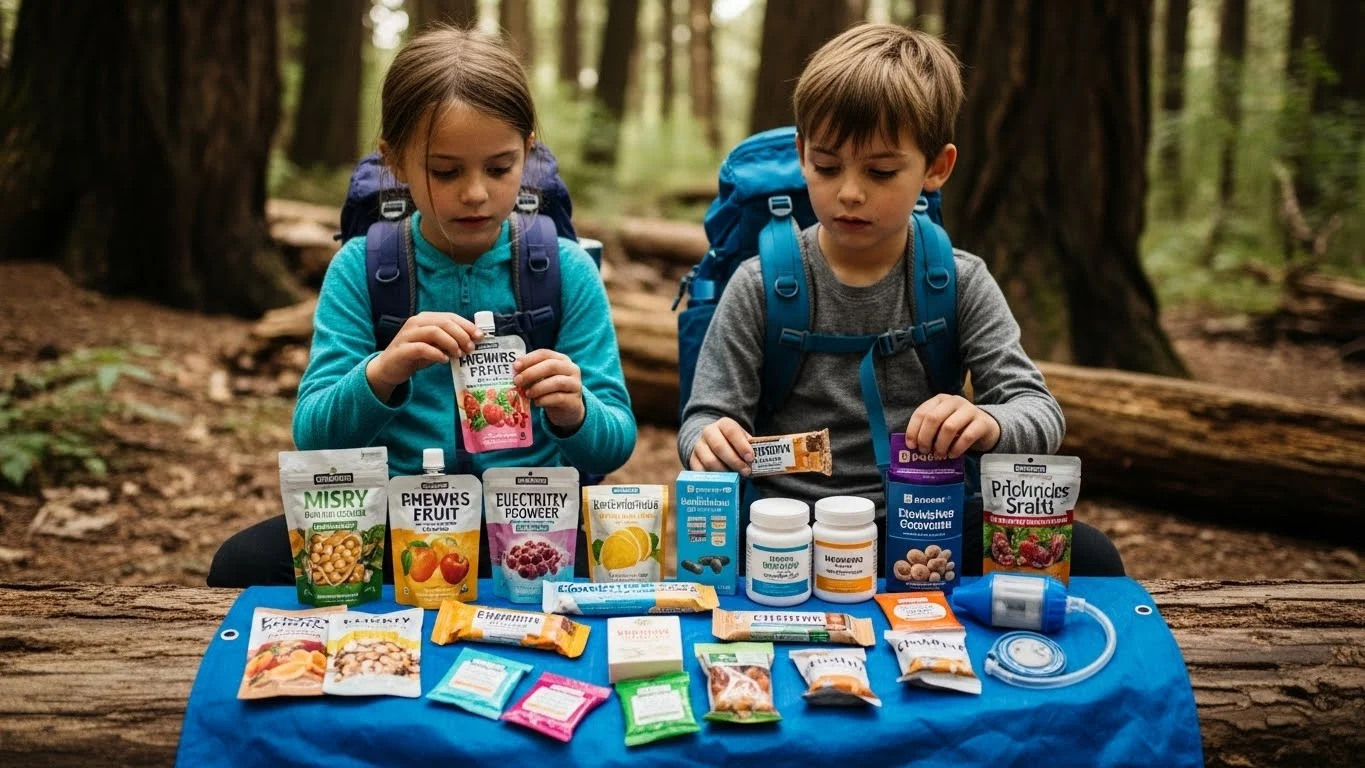
Understanding Nutritional Needs for Active Children
Importance of Nutrition During Backpacking
When I first took my kids on a backpacking trip, I quickly realized how vital proper nutrition is for their energy and mood. Kids are naturally active, and when hiking, they expend a lot of energy. Their bodies require adequate fuel to keep going, especially when navigating challenging terrains or long distances. I remember my children getting tired and cranky during hikes when their nutrition wasn’t on point. It made me understand that food isn’t just about filling their stomachs; it’s about fueling their adventures.
Key Nutritional Components for Kids
To keep our kids energized and happy on the trail, we need to focus on a few key nutritional components. I found that a balanced diet containing carbohydrates, proteins, fats, vitamins, and minerals is essential. Carbohydrates provide quick energy, which is crucial for hiking. I usually pack whole grains, fruits, and nut butters. Proteins are also essential for muscle repair and growth. Lean meats, beans, and dairy products are great sources. Healthy fats, like those found in avocados and nuts, help with long-lasting energy. Vitamins and minerals are necessary for overall health and to support their immune systems while outdoors. Read Interesting article: Essential Supplements for Happy, Healthy Backpacking Toddlers
How Backpacking Affects Children’s Energy Levels
Backpacking can be a physically demanding activity, and I’ve noticed that children’s energy levels can fluctuate throughout the day. Early in the morning, they’re usually full of enthusiasm, but as the day progresses, they can start to feel fatigued, especially if they weren’t eating properly. I’ve learned that packing little snacks to boost their energy can help. For instance, trail mix with nuts, seeds, and dried fruits works wonders. It’s not only nutritious but also fun for them to munch on while we take breaks to enjoy the scenery. Staying hydrated is equally important, as even mild dehydration can sap their energy. I always carry plenty of water and encourage my kids to drink frequently.
Essential Nutritional Supplements
Multivitamins
Sometimes, despite our best efforts, it’s hard to provide all the nutrients kids need through food alone, especially on a backpacking trip. I’ve found that a good multivitamin can help fill in the gaps. When I started giving my kids multivitamins before our trips, I noticed they seemed to have more energy and were less prone to minor ailments like colds. It’s a simple way to ensure they’re getting a variety of essential vitamins and minerals.
Protein Supplements
Protein is critical for active children, and on backpacking trips, it can be challenging to ensure they’re getting enough through meals alone. I’ve tried protein bars and powders, which are easy to pack and consume. My kids enjoy mixing protein powder into their smoothies or yogurt for a tasty treat after a long hike. It’s a convenient way to keep their protein levels up without needing to carry bulky food items.
Electrolyte Powders
During our trips, I’ve noticed that we often sweat more than we realize, especially when trekking uphill. Electrolytes are essential for hydration and can help prevent fatigue and cramping. I began adding electrolyte powders to our water bottles, and my kids love the fruity flavors. It’s a fun way to keep them hydrated while ensuring they replace lost minerals.
Omega-3 Fatty Acids
Omega-3s are important for brain health and overall development. I often worry about my kids getting enough of these beneficial fats, especially when we’re eating away from home. I started using fish oil supplements, which are easy to pack and swallow. Just a quick tip: I always check the quality and source of the fish oil to ensure it’s safe and pure.
Probiotics
Backpacking can sometimes lead to digestive issues, especially when meals are not as regular. I discovered probiotics can be beneficial for maintaining gut health during our adventures. I started giving my kids probiotic gummies, which they think are candy! This way, their digestive systems stay balanced, even with all the changes in diet and environment.
Vitamin D
Vitamin D is another crucial supplement, especially if we’re not getting enough sunlight during our trips. I usually give my kids a vitamin D supplement to support their immune systems and bone health. It’s a simple addition, but I’ve found it makes a noticeable difference in their overall well-being.
Calcium Supplements
Calcium is vital for growing bones, and while dairy products are great sources, they can be tricky to pack on outdoor trips. I often turn to calcium supplements to ensure my kids are getting enough of this essential nutrient. Chewable calcium tablets are easy and enjoyable for the kids, making it a seamless part of our routine.
Choosing the Right Supplements
Age-Appropriate Supplements
Finding the right supplements for our kids can feel a bit overwhelming, especially with so many options out there. I’ve learned that age-appropriate supplements are crucial because children’s needs change as they grow. For younger kids, I often choose gummy vitamins or chewable options, which are not only easier for them to take but also more enjoyable. As my kids have gotten older, I’ve introduced more complex supplements, like omega-3 capsules and protein powders, that are tailored for their age group. It’s always important to read the labels to ensure that the dosage aligns with their age and weight. I feel much more confident knowing I’m giving them what they truly need at each stage of their development.
Allergies and Dietary Restrictions
Food allergies and dietary restrictions are something that many families, including mine, face. Before choosing any supplements, I always consider my kids’ allergies. For instance, one of my children is allergic to nuts, which made selecting protein bars a challenge. I look for options that are labeled as allergen-free or made without common allergens. I’ve also found that there are plenty of plant-based protein supplements that cater to different dietary needs. It’s a great feeling to know that I can provide them with the necessary nutrients without compromising their safety. Always check the ingredient lists and consider consulting with a dietitian if you’re unsure about which products to select for your child.
Quality and Safety Standards
When it comes to supplements, quality is key. I remember the first time I went shopping for vitamins; I was overwhelmed by the choices. Now, I always look for brands that adhere to high safety and quality standards. I usually opt for products that are third-party tested. This means an independent organization has verified that the supplement contains what it claims and is free from harmful substances. I also pay attention to certifications like GMP (Good Manufacturing Practices) to ensure that the manufacturing process is up to par. Trusting the product we give our kids provides peace of mind, especially when we’re out in the wilderness. Read Interesting article: Essential Nutritional Needs for Your Growing Toddler
When to Use Nutritional Supplements
Pre-Trip Preparation
Before heading out on our backpacking adventures, I make sure to prepare my kids’ bodies with the right nutrients. A few days before the trip, I usually start introducing more fruits, vegetables, and whole grains into their meals to build up their energy reserves. I also incorporate their daily multivitamin and any other supplements they’ve been taking. It feels like setting the stage for success. I find that this pre-trip preparation makes a significant difference in their energy levels and overall health on the trail.
During the Backpacking Trip
Once we’re out in nature, I want to ensure my kids continue to receive essential nutrients. I pack their multivitamins and any protein or electrolyte supplements in easy-to-reach pockets of our backpacks. I’ve found that having these readily available during breaks encourages them to take them. For example, after a long stretch of hiking, we often stop for a snack, and I remind them to take their electrolytes mixed in water. This routine helps them stay hydrated and energized as we continue our journey. I also listen to their bodies; if they seem tired, I offer extra snacks or supplements to help them recover quickly.
Post-Trip Recovery
After our trips, recovery is just as important as preparation. I’ve noticed that my kids can sometimes feel fatigued after a long hike, and I want to help them bounce back. I continue to give them their multivitamins and protein supplements for a few days after the trip to aid in recovery and muscle repair. Meals during this time are rich in nutrients to help replenish what they may have lost. I find that this post-trip routine helps them feel rejuvenated and ready for our next adventure. It’s all about nurturing their bodies, ensuring they’re healthy, and keeping their spirits high.
How to Incorporate Supplements into Meals
Shake and Smoothie Recipes
One of my favorite ways to sneak in nutritional supplements is by making shakes and smoothies. The kids love helping me blend different ingredients, which makes them more excited to consume whatever we’re making. I usually start with a base of their favorite fruits, like bananas or berries, and then add some spinach for a nutrient boost. I toss in a scoop of protein powder or omega-3 oil, and they don’t even notice! I’ve found that this is a fun way to get creative and ensure they’re getting vital nutrients while satisfying their taste buds.
Mixing Supplements with Snacks
Another way I incorporate supplements is by mixing them into snacks. Trail mix, for example, is a great canvas. I often add a scoop of protein powder or sprinkle some powdered probiotics into our homemade mix. The kids love munching on it during hikes, and I love knowing they’re getting that extra nutrition. I also like to blend yogurt with their calcium supplements and top it with some granola and fruit. It’s a tasty snack that fuels their adventures while ensuring they’re meeting their nutritional needs.
Hydration Solutions with Electrolytes
Staying hydrated is essential, especially during outdoor activities. I’ve learned that incorporating electrolyte powders into their water bottles not only enhances the flavor but also encourages my kids to drink more water. They enjoy the fruity flavors, which makes hydration feel less like a chore. I try to make it a habit to refill their bottles with electrolyte-rich water throughout the day, especially after strenuous hikes. This simple addition has made a significant difference in how well they maintain their energy levels and overall hydration during our backpacking trips.
Potential Risks and Considerations
Over-Supplementation Concerns
As I dove deeper into the world of nutritional supplements for my kids, I realized that while they can be incredibly beneficial, there are also potential risks. Over-supplementation is something I became aware of after reading about instances where children took more vitamins than necessary. It can sometimes lead to harmful side effects, especially with fat-soluble vitamins like A, D, E, and K, which the body doesn’t easily flush out. I learned to stick to the recommended dosages and monitor my kids closely. Keeping a checklist of what they’re taking daily helped me avoid any unintentional overlaps, ensuring that I’m meeting their needs without overdoing it.
Understanding Supplement Interactions
Another point I found essential was understanding how different supplements can interact with each other and with medications. For example, I read about how some supplements can inhibit the absorption of others, like calcium interfering with iron. This made me think carefully about the timing of when to give them. I typically space out their supplements, ensuring they have time to work effectively. I also keep a list of all the supplements my kids take, just in case we ever need to consult a healthcare provider. This way, we can make informed decisions and avoid any potential interactions that could impact their health.
Consulting a Pediatrician
Before embarking on any supplement journey, I found it incredibly helpful to consult our pediatrician. The first time I brought up the idea of adding supplements to my kids’ diets, my doctor provided valuable insights tailored to our family’s unique needs. They helped me identify which nutrients my kids might be lacking based on their diet and activity levels. I recommend doing this, especially if you’re unsure about the right types or dosages. Having a professional’s guidance not only eased my worries but also equipped me with the knowledge to make better choices for my children’s health.
Real-Life Experiences and Testimonials
Parents’ Insights on Supplement Use
Talking to other parents about their experiences with supplements has been enlightening. I’ve heard stories of families who struggled with picky eaters and turned to supplements to fill in the gaps. One friend mentioned how her son, who was notoriously difficult with vegetables, thrived after starting a multivitamin regimen. This made me realize that I’m not alone in wanting the best for my kids. I also learned about the importance of tailoring supplements to individual needs. For instance, some kids may need more vitamin D if they’re not getting enough sunlight, while others may benefit from additional probiotics during travel. Hearing these experiences helped me understand that every child’s nutritional journey is unique.
Children’s Feedback on Supplements
When I asked my kids about the supplements they take, their responses surprised me! They often mention how much they like the gummy vitamins, and one of my children even exclaimed that taking their multivitamin feels like eating candy. This positive feedback reassured me that they’re not only getting essential nutrients but also enjoying the process. I’ve also noticed that when they feel better and have more energy, they are more enthusiastic about our outdoor adventures. It’s heartening to see them connect the dots between what they consume and how they feel, which I believe fosters a healthy relationship with food and nutrition.
Alternative Nutritional Sources
Whole Foods for Backpacking
While supplements can be a great addition, I always emphasize the importance of whole foods. I’ve found that packing nutritious snacks on our trips can provide the energy kids need without relying solely on supplements. For example, I love preparing homemade energy bars with oats, nut butter, honey, and seeds. These bars are packed with nutrients and perfect for a quick energy boost on the trail. I also bring along whole fruits, like apples and bananas, which are easy to pack and require no preparation. They keep my kids satisfied and provide essential vitamins and minerals.
Snack Ideas Rich in Nutrients
In addition to energy bars and fruits, I often make trail mix with a variety of nuts, seeds, and dried fruits. This mix is not only delicious but also provides healthy fats, fiber, and protein. I get my kids involved in creating their own custom mixes, which keeps them excited about what they’re eating. Another favorite is nut butter packets paired with apple slices or whole-grain crackers. These snacks are not only nutritious but also enjoyable, giving my kids something to look forward to during our hikes.
Meal Prepping for Backpacking Trips
Meal prepping is something I’ve come to love before our trips. I usually plan a couple of hearty meals that are easy to prepare and carry, like quinoa salad with beans and lots of veggies. Preparing meals in advance not only saves time but also ensures that my kids are getting balanced nutrition while we’re out exploring. I often make extra so that we have leftovers that can be eaten cold or warmed up over a campfire. This practice has made our backpacking experiences much smoother and more enjoyable.
Frequently Asked Questions
Why is nutrition important during backpacking trips with kids?
Proper nutrition is vital for children’s energy and mood during backpacking trips. Kids expend a lot of energy while hiking, and adequate fuel helps them navigate challenging terrains and long distances without becoming tired or cranky.
What key nutritional components should be included in a backpacking diet for children?
A balanced diet for kids on backpacking trips should include carbohydrates, proteins, fats, vitamins, and minerals. Carbohydrates provide quick energy, proteins are essential for muscle repair, healthy fats offer long-lasting energy, and vitamins and minerals support overall health and immune function.
How can I keep my kids energized during backpacking hikes?
To keep kids energized, pack little snacks like trail mix with nuts, seeds, and dried fruits. Staying hydrated is also crucial, so carrying plenty of water and encouraging frequent drinking can help maintain their energy levels.
What types of nutritional supplements are recommended for kids on backpacking trips?
Recommended nutritional supplements for kids include multivitamins, protein supplements (like bars and powders), electrolyte powders, omega-3 fatty acids, probiotics, vitamin D, and calcium supplements. These help fill nutritional gaps during outdoor activities.
How can supplements be incorporated into meals for kids?
Supplements can be incorporated into meals by adding them to shakes and smoothies, mixing them into snacks like trail mix or yogurt, and enhancing hydration solutions with electrolyte powders to encourage kids to drink more water.
What are the potential risks of over-supplementation for children?
Over-supplementation can lead to harmful side effects, particularly with fat-soluble vitamins like A, D, E, and K, which the body does not easily flush out. It’s important to stick to recommended dosages and monitor children’s intake to avoid unintentional overlaps.
Why is it important to consult a pediatrician before giving supplements to children?
Consulting a pediatrician is important to identify which nutrients children may be lacking based on their diet and activity levels. A doctor can provide tailored insights and help determine the right types and dosages of supplements for each child.
What should parents consider when choosing nutritional supplements for their kids?
Parents should consider age-appropriate supplements, allergies and dietary restrictions, and the quality and safety standards of the products. It’s essential to select options that meet children’s specific needs without compromising their safety.
What are some whole food alternatives to supplements for backpacking trips?
Whole food alternatives include nutritious snacks like homemade energy bars, whole fruits, and trail mix made with nuts, seeds, and dried fruits. These options provide essential nutrients and energy without relying solely on supplements.
How can meal prepping benefit backpacking trips with kids?
Meal prepping ensures kids receive balanced nutrition during backpacking trips by planning easy-to-prepare meals in advance. It saves time and allows for nutritious options that can be eaten cold or warmed up over a campfire, enhancing the overall experience.