
Watching your newborn grow is one of the most fulfilling experiences. Understanding their physical milestones helps us support their journey and celebrate each little victory along the way.
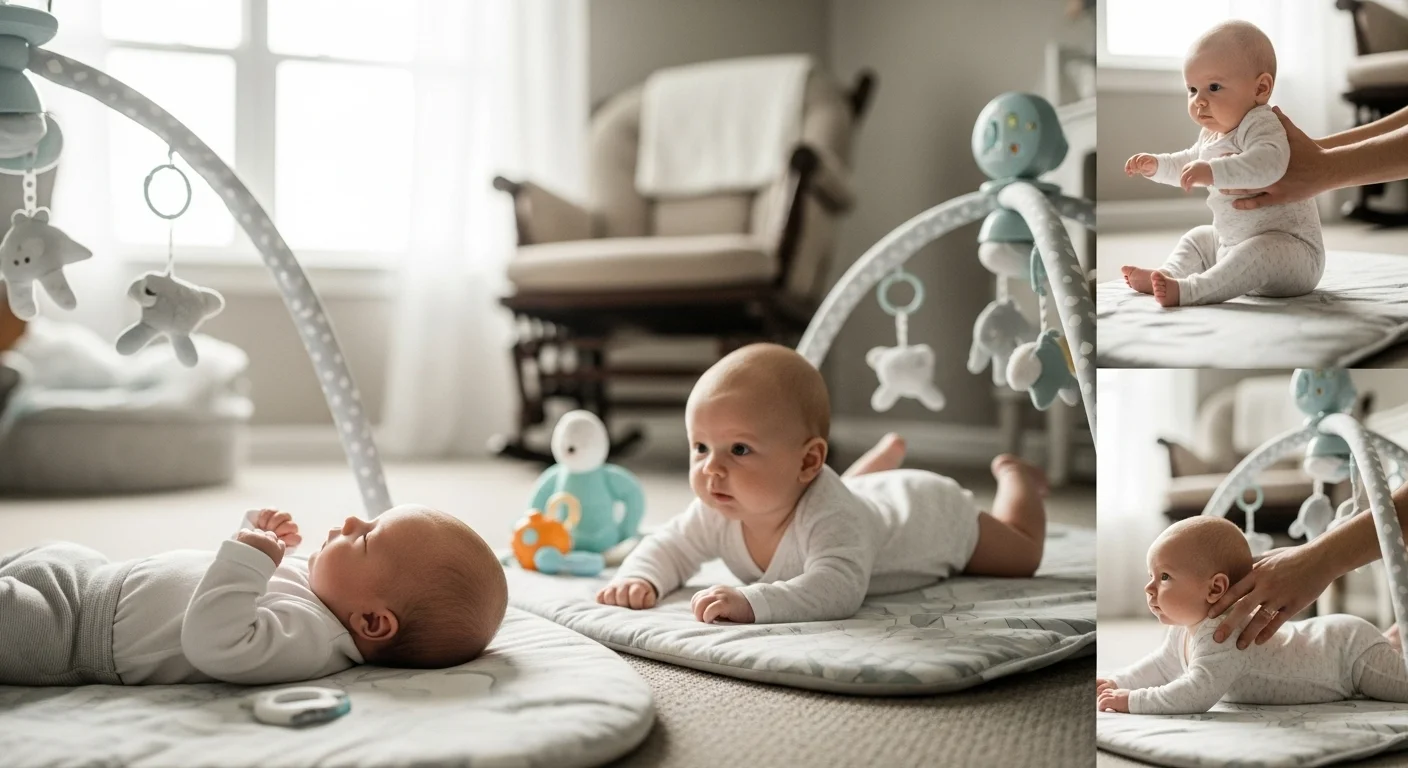
Understanding Newborn Physical Milestones
Definition of Physical Milestones
Physical milestones are specific skills or abilities that most children reach by a certain age. These milestones cover a wide range of activities, from basic reflexes to more complex movements. I remember when my little one first managed to hold their head up; it felt like a huge victory! These milestones can include anything from rolling over to walking and everything in between. Each milestone is a stepping stone in your child’s development, and recognizing them can provide a sense of reassurance and joy for us parents.
Importance of Tracking Growth
Tracking physical milestones is essential for several reasons. First, it helps parents to understand where their child stands developmentally. I found it incredibly helpful to keep a milestone chart to monitor my child’s progress. This not only allowed me to celebrate achievements, but also helped me notice if my child was lagging behind in any area. Understanding these growth markers can also provide early indications of potential developmental issues. If a baby is not reaching certain milestones within the expected time frame, it might be a sign that they need extra support or guidance. I remember a friend who noticed her baby wasn’t rolling over by six months; she brought it up at the pediatrician’s appointment, leading to early intervention that made a significant difference. By tracking these milestones, we can be proactive rather than reactive, giving our little ones the best start possible. Read Interesting article: Top Symptoms of Newborn Illness: What to Watch For
Key Developmental Phases in the First Year
0-3 Months: Early Reflexes and Movements
The first three months are all about reflexes. Newborns have several involuntary reflexes that are quite fascinating to watch. For example, the grasp reflex is when a baby automatically grips anything placed in their palm. I still vividly remember the day my baby wrapped their tiny fingers around my own—it was such a heartwarming moment! During this phase, we can also expect movements like jerky arm and leg motions as they start exploring their new world. While they may not have control yet, their bodies are beginning to wake up and respond to stimuli. Tummy time becomes essential during this period, as it helps strengthen their neck and shoulder muscles. I learned that just a few minutes of tummy time each day could make a significant difference in their development.
3-6 Months: Strengthening Muscles and Coordination
Between three to six months, babies start to gain muscle strength and better coordination. During this phase, you might notice your little one attempting to roll over. I can’t describe the joy I felt watching my baby flip for the first time! This is also the time when they begin to push up on their arms during tummy time. I found that placing interesting toys just out of reach encouraged my baby to stretch and reach, which was not only fun to watch but also crucial for their physical development. As they grow stronger, you’ll see them start to sit with support, which is a clear indication that they are developing core strength. Read Interesting article: Recognizing Newborn Illness: A Parent’s Quick Guide
6-9 Months: Sitting Up and Crawling
As we move into the 6-9 month range, things really start to pick up! Most babies can sit up unassisted by six months, which opens up a whole new world of exploration. I was amazed at how much my child loved to sit and play with toys, discovering textures and sounds. Around this time, many babies also start to crawl, which can be a monumental milestone. Crawling is not just about mobility; it’s crucial for developing coordination and strength. I remember getting down on the floor to crawl alongside my baby, and it was such a bonding experience. Encouraging crawling by creating safe, open play spaces can help your little one master this skill. You might find that they also start to pivot and reach for objects while sitting, showcasing their growing dexterity.
9-12 Months: Standing and First Steps
The final stretch of the first year is filled with excitement as babies usually start to stand and even take their first steps. I can still recall the day my baby pulled up to standing for the first time—what an exhilarating moment! By nine months, many babies can stand with support, which is a fantastic sign of their growing strength. Once they start cruising along furniture, it’s only a matter of time before they take those first independent steps. I found that providing sturdy furniture for them to hold onto made it easier and safer for them to practice. Each little wobble and fall only added to the adventure, and every small victory felt like a major milestone for us both.
Essential Physical Milestones by Age
Milestones at 1 Month
At one month, your newborn is still adjusting to the world outside the womb. During this time, you might notice them turning their head towards sound and light, which is their way of beginning to engage with their environment. They may also demonstrate the start of reflex movements, like grasping your finger if you place it in their palm. I remember marveling at how instinctively my baby would grip my finger tightly, as if they knew I was there to support them. This reflex is a sign of their developing nervous system, and while they might seem unresponsive at times, these little movements are their first steps toward growth.
Milestones at 2 Months
By two months, things start to get a bit more exciting. Babies begin to exhibit more control over their movements. I was thrilled when my baby could hold their head up briefly while lying on their tummy. They may also start to push up with their arms when on their stomach, which helps strengthen their neck and back. At this age, social smiles become more common, and it’s such a joy to see that first real smile directed at you. It made my heart melt every time my baby looked into my eyes and smiled back, creating that special bond that I cherish.
Milestones at 3 Months
At the three-month mark, many babies can lift their head 45 degrees while on their stomach. This is when I first noticed my baby showing interest in toys, reaching out for them with curiosity. It’s a beautiful moment as they begin to explore their surroundings. They might also begin to coo and make more vocal sounds, which can be so delightful to hear. I remember trying to mimic their sounds, and we ended up having little “conversations.” This phase is all about beginning to engage with the world in a more interactive way.
Milestones at 4 Months
Four months brings even more remarkable changes. Babies usually start to roll over from their tummy to their back, which is a significant milestone. I can recall the surprise and happiness in my baby’s eyes the first time they rolled over completely! They also gain better control of their arm and leg movements, and you might see them reach for toys or shake them to create sounds. Their hand-eye coordination starts to improve, and tummy time becomes more effective as they push up higher and higher.
Milestones at 5 Months
At five months, babies often become fascinated with their own reflection and might even laugh and squeal more. Their ability to control their movements continues to improve, allowing them to grab and shake toys with excitement. I remember how my baby would giggle when they discovered their reflection in a mirror—such a cute and funny moment! They might also start to sit up with support, which is a sign that their back muscles are strengthening nicely. This opens up a whole new world of play for them.
Milestones at 6 Months
By six months, most babies can sit up without support for short periods. I was overjoyed to see my little one sitting upright, taking in everything around them. This age is often when they start to try solid foods, which can be an exciting adventure for both babies and parents. Watching my baby experiment with different tastes and textures was a delightful experience. They may also begin to rock back and forth on their hands and knees, a precursor to crawling, which is just around the corner!
Milestones at 7 Months
Seven months is typically when babies start to crawl—what a game changer! I remember how determined and focused my baby was as they began to explore their environment. They might also start to pull themselves up to a standing position using furniture for support. This developmental leap can often lead to a lot of curiosity and exploration, which means we have to keep a watchful eye! The newfound mobility can be both thrilling and a bit daunting.
Milestones at 8 Months
At eight months, you might notice your baby can sit well without support and may even start to bounce when standing with assistance. I found it adorable how my baby would bounce excitedly, especially when music was playing. They could also be more vocal, making a variety of sounds, which is such a joy to hear. This is a great time to encourage them to explore different textures and shapes through toys or safe household items.
Milestones at 9 Months
As we approach the nine-month mark, many babies can crawl efficiently and even start to cruise along furniture. I remember how proud I was when my baby first moved from the couch to the coffee table! This milestone not only boosts their confidence but also improves their coordination and balance. They may also start to understand the concept of “object permanence,” which means they realize that things still exist even when they can’t see them. This is a crucial cognitive development stage.
Milestones at 10 Months
At ten months, babies often become little explorers! They might be able to stand without support for a moment or two, and many will start taking their first steps while holding onto furniture. I remember cheering on my baby as they shuffled around the living room, holding onto every surface they could reach. Their fine motor skills also improve, allowing them to pick up smaller objects using a pincer grasp, which is fascinating to witness.
Milestones at 11 Months
By eleven months, your baby may be standing independently for a few seconds, showing off their strength and balance. They’re also likely to be more adept at using their hands, engaging in more complex play with toys. I loved seeing how my baby would manipulate blocks and other toys, figuring out how they fit together. This age is also when they might start to say a few simple words, which can be such a rewarding experience for us parents.
Milestones at 12 Months
Finally, at one year old, many babies take their first independent steps, and the joy that comes with this milestone is indescribable. I can still remember the moment my baby wobbled toward me, arms outstretched, and it felt like the world stood still. They’re also likely to be able to say a couple of words and might even understand simple commands. This is such an exciting time as they become more mobile and communicative, opening up a world of possibilities for exploration and learning.
Key Physical Skills to Monitor
Gross Motor Skills
Gross motor skills involve large muscle groups and are essential for movements like crawling, walking, and jumping. As I watched my baby grow, I realized how vital these skills are for their overall mobility and confidence. I remember how excited I felt when my little one first learned to crawl. It was not just a milestone; it opened a door to exploration that transformed our home into a vast playground. To monitor gross motor skills, we can observe if our babies can perform actions like rolling over, sitting up, crawling, and eventually standing and walking unassisted. Each of these steps is a testament to their growing strength and coordination, and celebrating these achievements encourages them to keep trying new things.
Fine Motor Skills
Fine motor skills are all about the smaller movements that involve the hands and fingers. These skills develop as babies learn to grasp, manipulate, and explore objects. I remember the joy of watching my baby pick up small toys, like blocks or rattles, and bring them to their mouth. This phase is crucial for their ability to feed themselves and eventually write and draw as they grow older. To support fine motor development, I often provided toys that encouraged grasping and shaking, such as soft balls or textured objects. It was amazing to see how quickly their dexterity improved—tiny fingers working hard to achieve big goals!
Hand-Eye Coordination
Hand-eye coordination is the ability to coordinate visual input with hand movements. This skill is vital for a range of activities, from reaching for a toy to catching a ball later on. I noticed my baby starting to develop this skill around the six-month mark when they would reach for toys with purpose. It was fascinating to see how they learned to track moving objects with their eyes and then coordinate their hand movements to grab them. Simple activities like playing with colorful balls or encouraging them to reach for objects while sitting up can help enhance this skill. I found that engaging in play that involved throwing or rolling a ball was not just fun but also a great way to boost hand-eye coordination.
Common Concerns and When to Seek Help
Signs of Delayed Development
As much as we celebrate milestones, it’s essential to be aware of signs that indicate potential delays in development. I often found myself comparing my baby’s progress to those of friends’ children, and while it’s natural to do so, I learned that each child develops at their own pace. If you notice that your little one isn’t meeting key milestones—like not rolling over by six months or not standing by twelve months—it may be worth having a conversation with your pediatrician. I remember a moment of worry when my child wasn’t crawling by eight months, which led me to seek advice. It turned out they were just taking their time, but it’s always best to stay informed and proactive.
When to Consult a Pediatrician
Consulting a pediatrician can be a daunting thought for some parents, but it’s vital when it comes to your child’s health and development. I learned that if you have any concerns about your baby’s growth or abilities, it’s better to err on the side of caution. Signs that warrant a visit include lack of interest in toys, not making eye contact, or not responding to sounds by the expected age. I found comfort in knowing that pediatricians are there to support us and provide essential guidance. They can help identify if your child requires additional resources or therapies to aid their development.
Common Developmental Disorders
While most children develop typically, some may face challenges that can affect their growth. Conditions like developmental coordination disorder, cerebral palsy, or autism spectrum disorder can impact physical milestones. It was eye-opening for me to learn about these disorders and how they manifest in young children. If you suspect that your child may be experiencing developmental delays or challenges, early intervention is key. I remember reading about how many resources were available to help families navigate these concerns, and accessing support can make a significant difference in your child’s journey.
Supporting Your Newborn’s Growth
Nutrition and Feeding Practices
Nutrition plays a critical role in supporting physical development. From my experience, breastfeeding or formula feeding in the early months provides essential nutrients for growth. As my baby transitioned to solid foods around six months, I discovered how to introduce a variety of textures and flavors. I remember how proud I felt when my baby eagerly tried new foods, and I learned that a balanced diet rich in vitamins and minerals is vital for supporting their growing body. Making mealtime a fun and engaging experience promotes healthy eating habits early on. Read Interesting article: Essential First Aid Tips for Newborns Every Parent Should Know
Safe Sleep Practices
Sleep is another critical component of healthy development, especially in the first year. I found that establishing a consistent sleep routine helped my baby feel secure and rested. Safe sleep practices, like placing them on their back to sleep and ensuring a clear crib, are essential to reducing the risk of Sudden Infant Death Syndrome (SIDS). I remember how much I cherished the quiet moments as my baby slept peacefully, knowing that their little bodies were working hard to grow and develop.
Encouraging Movement and Play
Encouraging movement and play is one of the most delightful ways to support your baby’s growth. I loved creating a safe space where my baby could explore and practice new skills. Simple activities like tummy time, playing with soft toys, and even dancing together were not just fun, but they also aided in strengthening muscles and improving coordination. I remember how my little one would giggle as we rolled a ball back and forth, turning playtime into an opportunity for learning. Engaging in active play each day fosters both physical and cognitive development while creating precious bonding moments.
Resources for Parents
Books on Child Development
There’s a wealth of information out there for parents looking to understand their child’s development better. I found several books on child development incredibly helpful. Titles focusing on milestones and growth can give you insights and tips to support your baby’s journey. I remember reading “The Whole-Brain Child” and finding it enlightening, as it helped me understand how to nurture my child’s developing brain.
Online Support Communities
Connecting with other parents can be invaluable. Online support communities provide a space to share experiences, ask questions, and gain encouragement. I joined a few parenting forums and found them to be a great source of comfort and information. Engaging with other parents going through similar experiences made me feel less alone on this journey.
Consulting with Specialists
If you ever find yourself feeling uncertain about your baby’s development, consulting with specialists can be beneficial. We consulted a pediatric occupational therapist when we had questions about play and motor skills. They provided tailored strategies and activities that helped us support our child’s growth effectively. I learned that seeking help is a sign of strength and a commitment to giving your child the best opportunities for success.
Frequently Asked Questions
What are physical milestones in newborns?
Physical milestones are specific skills or abilities that most children reach by a certain age. They range from basic reflexes to more complex movements, including actions like rolling over, sitting up, and walking.
Why is it important to track physical milestones?
Tracking physical milestones helps parents understand their child’s developmental progress, celebrate achievements, and identify any potential developmental issues early on. It allows for proactive support rather than reactive measures.
What are some key developmental phases for newborns during the first year?
The first year is divided into several key phases: 0-3 months focuses on early reflexes and movements; 3-6 months is about strengthening muscles and coordination; 6-9 months involves sitting up and crawling; 9-12 months is marked by standing and taking first steps.
What gross motor skills should I monitor in my newborn?
Gross motor skills involve large muscle groups and include actions like rolling over, sitting up, crawling, standing, and walking. Monitoring these skills is essential for your child’s overall mobility and confidence.
What fine motor skills should I observe in my baby?
Fine motor skills involve smaller movements with the hands and fingers, such as grasping and manipulating objects. Observing your baby’s ability to pick up and explore toys is crucial for their development.
When should I be concerned about my baby’s development?
If your baby isn’t meeting key milestones—like not rolling over by six months or not standing by twelve months—it may be worth discussing with your pediatrician. Each child develops at their own pace, but awareness is important.
What signs indicate that I should consult a pediatrician?
Signs that warrant a visit to a pediatrician include lack of interest in toys, not making eye contact, or not responding to sounds by the expected age. Consulting a pediatrician can provide essential guidance and support.
How can I support my newborn’s growth through nutrition?
Nutrition plays a critical role in physical development. Breastfeeding or formula feeding provides essential nutrients, and as your baby transitions to solid foods, introducing a variety of textures and flavors is important for growth.
What safe sleep practices should I follow for my newborn?
Establishing a consistent sleep routine is essential for your baby’s development. Safe sleep practices include placing your baby on their back to sleep and ensuring a clear crib to reduce the risk of Sudden Infant Death Syndrome (SIDS).
What activities can I do to encourage my baby’s movement and play?
Encouraging movement and play can be done through tummy time, playing with soft toys, and even dancing together. Engaging in active play fosters both physical and cognitive development while creating bonding moments.