
Traveling with a newborn can be both thrilling and daunting. Ensuring their safety and comfort, especially during sleep, is crucial for a smooth journey and a happy family experience. For more guidance, check out Top Safe Sleep Practices for Your Backpacking Baby.
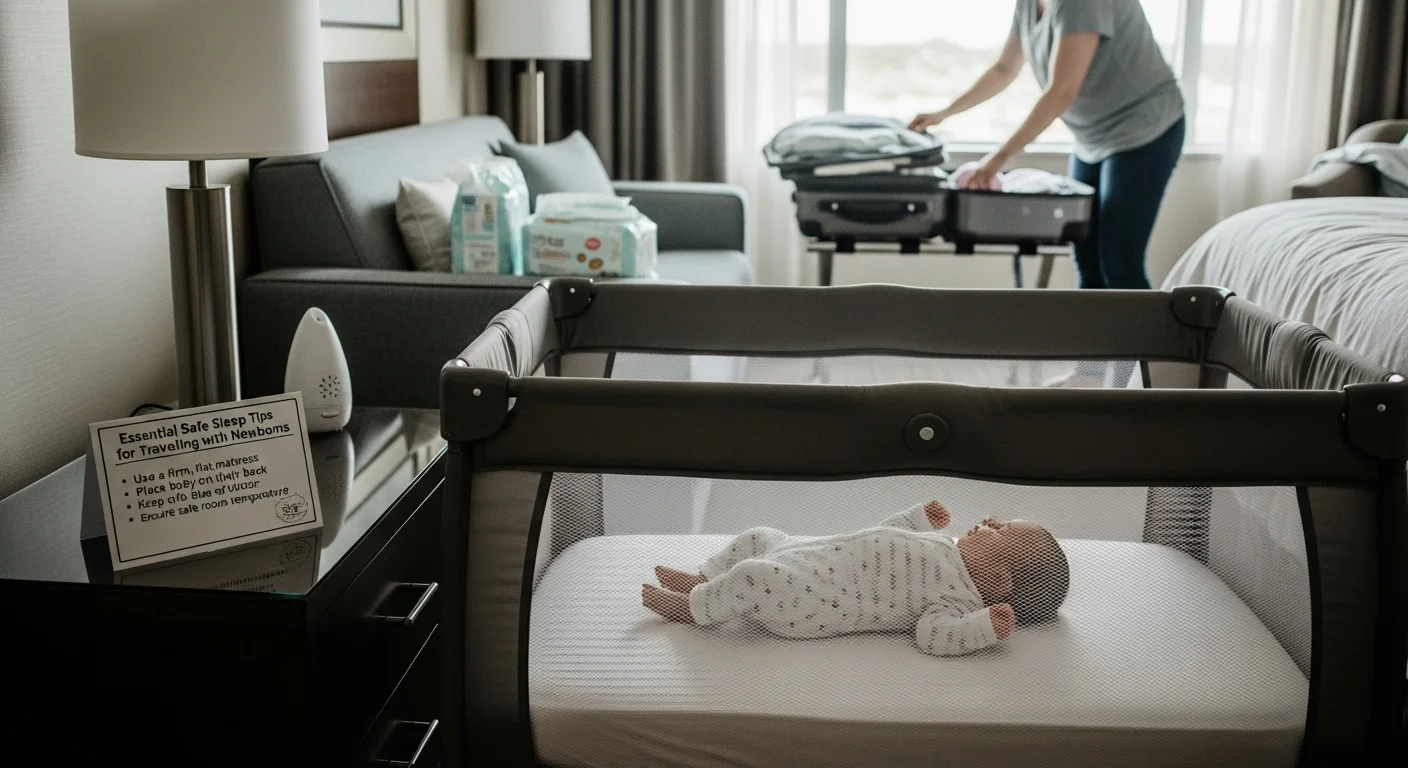
Understanding Safe Sleep for Newborns
What is Safe Sleep?
Safe sleep refers to the practices that help ensure that babies sleep in an environment that minimizes risks of sleep-related injuries or fatalities. For newborns, this means creating a secure sleep space that supports their fragile needs. I remember my first days as a parent; I was overwhelmed with advice and information. One thing that stood out to me was the importance of placing my baby on their back to sleep. It’s a simple step, but it makes a big difference in keeping them safe.
Importance of Safe Sleep Practices
Safe sleep practices are vital to reduce the risk of Sudden Infant Death Syndrome (SIDS) and other sleep-related incidents. I learned that babies are particularly vulnerable during their first year, and ensuring a proper sleep environment can significantly lower these risks. We all want to protect our little ones, and following safe sleep guidelines is one of the most effective ways to do so. It reassures us that they are safe while resting, and that peace of mind is priceless for any parent.
Common Sleep Hazards for Newborns
Throughout my journey as a parent, I discovered several common hazards that can affect a newborn’s sleep. One major risk is soft bedding. I remember when I first set up the crib, I was tempted to add plush blankets and toys to make it cozy, but I quickly learned that it’s best to keep the sleep area free from these items. Stuffed animals, loose blankets, and pillows can obstruct a baby’s breathing and pose a suffocation risk.
Another hazard is overheating. It’s easy to assume that bundling up a baby will keep them cozy, but too much warmth can be dangerous. I found that dressing my newborn in lighter layers and monitoring the room temperature helped keep them at a safe and comfortable level. Additionally, I learned that co-sleeping with my baby, while tempting, can increase the risk of accidental suffocation or falls. Following these tips helped me create a safer sleep environment, and I felt much more confident when traveling.
Preparing for Travel with a Newborn
Choosing the Right Travel Crib or Bassinet
When preparing for travel with a newborn, selecting the right travel crib or bassinet is essential. I remember spending hours researching options, trying to find one that was lightweight and portable yet safe. A good travel crib should meet current safety standards, and I found it helpful to look for models that are easy to set up and take down, as these features made my life much easier on the go.
Also, I recommend choosing a crib with a firm mattress and a fitted sheet, as this setup mimics the conditions of a traditional crib. We decided on a travel crib that folded easily and fit into our car trunk, allowing us more flexibility. Knowing we had a safe sleeping space waiting for us made traveling feel less daunting. For more information on establishing a consistent sleep routine, see How to Establish a Consistent Sleep Routine for Your Newborn.
Essential Sleep Gear for Traveling
Aside from a travel crib, there are several essential sleep gear items I found crucial for our trips. For instance, I always packed a portable white noise machine or a sleep app on my phone. I noticed that familiar sounds helped my baby fall asleep more easily, even in new environments. It’s amazing how much comfort simple things can bring.
Another must-have for us was a comfortable sleep sack. I learned that sleep sacks provide warmth and security while also keeping my baby safe, as they eliminate the need for loose blankets. Keeping things simple and familiar helped my newborn adjust to different sleeping situations, which made all the difference during our travels.
Creating a Sleep-Friendly Environment
When we traveled, I quickly realized the importance of creating a sleep-friendly environment. Whether we were at a hotel or staying with family, I made it a priority to set up a cozy sleeping area. I would use blackout curtains or a travel blackout shade to block out any unwanted light, making it easier for my baby to fall asleep. I think this small step significantly improved our nighttime routine, and it’s something I recommend to every parent.
Additionally, I learned to keep noise levels down during naps and bedtime. If we were in a busy location, I would politely ask others to respect the sleep zone we created. Establishing boundaries helped us maintain a peaceful atmosphere for our newborn, and I felt more relaxed knowing I was doing my best to protect their sleep needs.
Safe Sleep Tips During Travel
Maintaining a Consistent Sleep Routine
One of the most valuable things I learned while traveling with my newborn was the importance of maintaining a consistent sleep routine, even when we were away from home. I remember feeling nervous about disruptions to our usual schedule, but I found that sticking to familiar sleep cues made a huge difference. For instance, we always followed the same bedtime rituals: a warm bath, some quiet time, and a calming book before sleep. This routine not only helped my baby understand that it was time to wind down, but it also provided me with a sense of normalcy in an otherwise chaotic environment.
Whenever we traveled, I tried my best to adjust our day’s activities so we could keep to this routine. If we had a late outing, I would plan to make it back in time for that soothing bedtime ritual. I believe that consistency in sleep routines, even in new places, helped ease the transition for my little one. It reassured us both that, despite being away, we were still in control of our little world. For additional tips on sleep strategies, check out Transform Your Newborn’s Sleep: Easy Routine Strategies.
Safe Sleep Positions for Newborns
Another key point I became very aware of while traveling was the importance of safe sleep positions. I always made sure to place my newborn on their back for sleep, adhering to the guidelines I learned early on. I remember reading that this position significantly reduces the risk of SIDS, and it became a non-negotiable rule for me. Everywhere we went, I made it a priority to ensure the sleeping arrangement supported this practice.
In the travel crib, I would double-check to ensure there were no soft toys or loose bedding that could compromise safety. I felt a sense of peace knowing I was doing everything I could to keep my baby safe, even in unfamiliar surroundings. It’s a simple but crucial aspect of traveling with a newborn that I highly recommend to other parents.
Monitoring Sleep Environment Temperature
Keeping an eye on the temperature of the sleep environment is something that I learned to prioritize during our travels. Newborns are particularly sensitive to temperature changes, and I found that making minor adjustments could keep my baby comfortable and safe. I remember one time we were in a hotel room that felt a bit stuffy, and I quickly realized that the heat could be too much for my little one.
I began to carry along a small, portable thermometer to help me monitor the room’s temperature wherever we went. Ideally, I aimed for a comfortable range between 68°F and 72°F (20°C to 22°C). If the room was too warm, I would adjust the thermostat or open a window if it was safe to do so. I learned that dressing my baby in breathable fabrics and lighter layers helped, too. This constant awareness of the sleep environment’s temperature allowed me to create a more comfortable and safer space for my newborn.
Using Sleep Sacks vs. Blankets
In my quest for safe sleep, I quickly became a fan of sleep sacks. I realized that using a sleep sack instead of loose blankets offered an extra layer of safety. I remember the first time I put my baby in a sleep sack while traveling—it was a game changer! It provided the warmth my baby needed without the risk associated with traditional blankets.
Whenever we packed for a trip, sleep sacks were always among my essentials. They kept my baby snug and secure, which in turn made it easier for them to settle down in new environments. I found that sleep sacks came in various materials suitable for different climates, so I could adjust according to the weather. This little piece of gear became a staple that I couldn’t recommend enough for parents on the move.
Traveling by Different Modes of Transportation
Air Travel Safety Tips
When it came to air travel, I was initially apprehensive about how my newborn would handle the journey. I remember the first flight we took together; it felt like an adventure filled with uncertainty. However, I learned a few safety tips that made the experience smoother. First, I made sure to book a direct flight whenever possible. Less time in transit meant fewer opportunities for complications, and I felt more at ease knowing we wouldn’t have to rush through connecting flights.
Bringing our travel crib on board was another decision I made to ensure my baby had a safe sleeping space while in transit. I was surprised to discover that many airlines allow parents to bring a small crib or bassinet for infants, and I took advantage of that. During takeoff and landing, I made sure my baby was securely in my arms, which eased my worries about their safety. I also packed snacks and familiar toys to keep my little one entertained during the flight, reducing any stress I felt as a new parent in a crowded cabin.
Car Travel Safety Guidelines
Car travel also posed its own set of challenges, but I quickly adapted my approach to ensure safety. I invested in a reliable infant car seat that met all safety standards and provided the proper fit for my newborn. I remember the first time we placed our baby in the car seat; it took some practice to get everything right. However, I felt much more confident knowing that they were secure and safe for the journey ahead.
During our trips, I made it a point to plan for regular stops. I learned that taking breaks allowed my baby to stretch and change positions, which helped avoid discomfort during long drives. I always made sure to keep a close eye on the temperature in the car, adjusting the air conditioning or heat as necessary to ensure my little one was comfortable. It’s amazing how these small precautions can make a world of difference in the travel experience.
Train or Bus Travel Considerations
Traveling by train or bus presented a different scenario, but I found it equally manageable. I remember taking a train ride during one of our family vacations and appreciating the space to move around. However, I also took certain precautions to create a safe sleeping environment for my newborn. Always bringing a lightweight blanket and the travel crib made it easier to set up a comfortable sleeping area on the train.
I discovered that many train services are accommodating for families, offering spaces where parents can care for their little ones. I took advantage of these areas, making it a point to ask staff for assistance if needed. I also learned to secure my baby in their car seat or carry them in a comfortable baby carrier when moving through crowded areas. This made navigating stations and boarding trains much easier. In my experience, being prepared for the unique challenges of different travel modes helped make our journeys enjoyable and safe.
Staying at Different Accommodations
Hotels: Ensuring a Safe Sleep Space
Staying in hotels can be an exciting part of traveling, but it also comes with its own set of challenges when you have a newborn. I remember checking into our first hotel with the baby. The excitement of being in a new place was quickly overshadowed by my concerns about creating a safe sleep environment. I made it a priority to inspect the room thoroughly. I looked for anything that could pose a danger, like loose cords, sharp edges, or small items that could be hazardous.
One tip I found useful was to ask for a crib or bassinet from the hotel staff if they offered them. Sometimes, they have safety-approved options available, which I appreciated. However, I always tested the crib for firmness and checked for any gaps that could trap my newborn. I also took along my own fitted sheet to ensure cleanliness and familiarity. It might seem like a small detail, but having a piece of home with us made my baby feel more secure.
Another thing I learned was the importance of blocking noise. I often called ahead to request a quieter room, away from elevators or busy areas. Bringing along a white noise machine also proved beneficial—it helped drown out any unfamiliar sounds, making it easier for my baby to settle down for the night.
Rentals: Setting Up a Safe Sleep Area
When we opted for rental accommodations, like Airbnb or vacation homes, I discovered the added flexibility and space they provided. However, setting up a safe sleep area required a bit more planning. I remember walking into a rental and instantly assessing the sleeping arrangements. I made sure to choose a room for the baby that was away from any potential hazards, like stairs or windows.
To create a sleep-friendly environment, I usually set up the travel crib in a quiet corner, away from any distractions. I took care to check for any choking hazards or loose items that might have been left behind by previous guests. I also packed my own blankets and sleep gear to maintain consistency, which I found comforting for my little one.
In addition, I learned to use the space effectively. If the rental had a living area, I would try to keep it dark and quiet during naptime. I would even drape a light blanket over furniture or use a travel blackout shade to create a cozy nook for my baby. These small adjustments made a substantial difference in helping my newborn feel at ease in a new setting.
Camping with a Newborn: Safety Tips
Camping with a newborn might sound daunting, but I found it to be an amazing experience that brought us closer to nature. However, it required careful planning to ensure my baby’s safety and comfort. I remember our first camping trip; I was excited yet nervous about how my little one would fare in the great outdoors. One of the first things I did was research how to create a safe sleeping area in a tent.
I decided on a portable crib that could easily fit into our tent. I made sure it was set up on a flat surface, away from any potential hazards like water or steep drops. Using a sleeping pad beneath the crib added an extra layer of insulation and comfort. I also packed a cozy sleeping bag and a couple of sleep sacks to keep my baby warm through the night.
Another tip I found helpful was to be mindful of the temperature. Camping can involve significant temperature fluctuations, so I made sure to monitor the weather closely. During colder nights, I dressed my baby in layers and kept a close eye on them to ensure they were warm enough without overheating. I also made sure to have a reliable source of light, like a headlamp, to check on my baby easily during the night. These precautions allowed us to enjoy our camping trip while keeping my newborn safe and comfortable.
Frequently Asked Questions
What is safe sleep for newborns?
Safe sleep refers to practices that ensure babies sleep in an environment that minimizes risks of sleep-related injuries or fatalities. This includes placing the baby on their back to sleep and creating a secure sleep space.
Why are safe sleep practices important?
Safe sleep practices are vital to reduce the risk of Sudden Infant Death Syndrome (SIDS) and other sleep-related incidents, especially during a baby’s first year when they are particularly vulnerable.
What are common sleep hazards for newborns?
Common sleep hazards for newborns include soft bedding (such as plush blankets and toys), overheating, and co-sleeping, which can increase the risk of suffocation or falls.
How can I choose the right travel crib or bassinet for my newborn?
When selecting a travel crib or bassinet, look for options that are lightweight, portable, meet current safety standards, and have a firm mattress with a fitted sheet. Easy setup and takedown features are also beneficial.
What essential sleep gear should I pack for traveling with a newborn?
Essential sleep gear includes a portable white noise machine or sleep app, and a comfortable sleep sack, which provides warmth and security while keeping the baby safe from loose blankets.
How can I create a sleep-friendly environment while traveling?
To create a sleep-friendly environment, use blackout curtains or travel blackout shades to block light, maintain low noise levels, and establish boundaries to help your baby sleep peacefully.
What tips can help maintain a consistent sleep routine during travel?
Maintaining a consistent sleep routine involves following familiar sleep cues and bedtime rituals, such as a warm bath and quiet time, even when away from home to ease the transition for your baby.
What is the safest sleep position for newborns?
The safest sleep position for newborns is on their back. This practice significantly reduces the risk of SIDS and should be maintained in any sleeping arrangement.
How can I monitor the temperature of my baby’s sleep environment while traveling?
Keep an eye on the temperature by carrying a portable thermometer and aiming for a comfortable range between 68°F and 72°F (20°C to 22°C). Adjust the room temperature as necessary and dress your baby in breathable fabrics.
What should I consider when staying in hotels with a newborn?
When staying in hotels, inspect the room for hazards, request a crib or bassinet, test its safety, bring your own fitted sheet, and consider using a white noise machine to block out noise for a safer sleep environment.