
Traveling with a newborn can be both exciting and daunting. Ensuring your little one sleeps safely while on the go is crucial for a smooth journey and a happy family experience. For tips on this topic, check out Budget Backpacking with Baby: Safe Sleep Tips You Need.
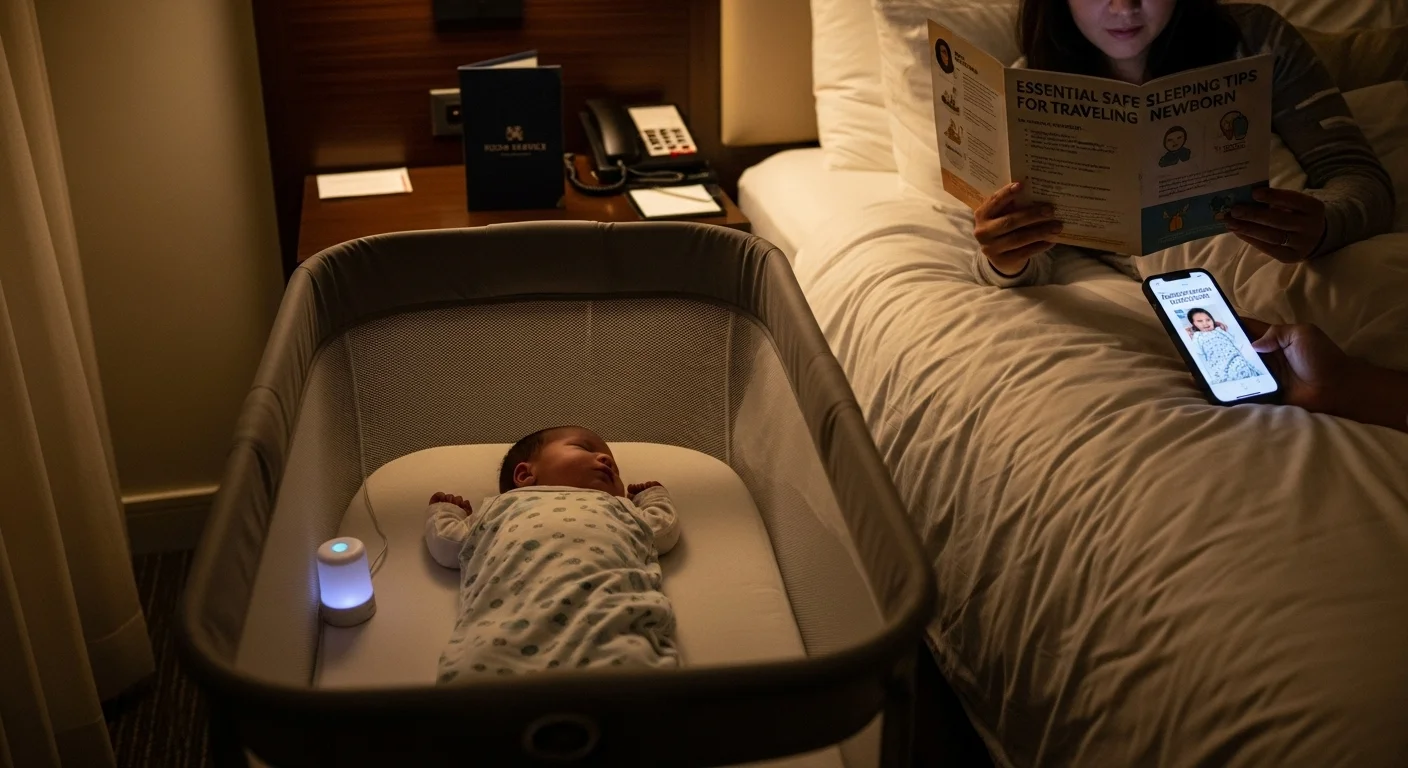
Understanding Safe Sleep Guidelines for Newborns
The Importance of Safe Sleep for Infants
When I first became a parent, I quickly learned that sleep—especially safe sleep—is a top priority for my newborn. Infants are incredibly vulnerable, and their sleep environment can significantly impact their health and well-being. Safe sleep practices help reduce the risk of Sudden Infant Death Syndrome (SIDS), which every parent fears. I remember feeling overwhelmed by the information available, but I found that understanding the basics made all the difference.
Creating a safe sleep environment involves ensuring that my baby sleeps on a firm mattress, free from soft bedding, pillows, and toys. I’ve learned to keep the sleeping area clear, which not only provides a safe space but also eases my mind as I watch my little one snooze. It’s essential to prioritize these practices, especially when traveling, where new environments can pose additional risks.
Overview of the American Academy of Pediatrics Recommendations
The American Academy of Pediatrics (AAP) offers clear guidelines that I found helpful during my parenting journey. They recommend that infants sleep on their backs for every sleep time, whether it’s overnight or during naps. I followed this advice diligently, and it has become second nature for me. Additionally, the AAP suggests using a crib or bassinet that meets safety standards. When we traveled, I always made sure to check that our portable sleeping arrangements were AAP-approved. For more insights, you can explore Top 5 Safe Sleeping Practices for Newborns on the Go.
Another crucial aspect is to avoid overheating. I learned the importance of dressing my baby in light sleep clothing and keeping the room at a comfortable temperature. During our trips, I always kept an eye on how warm or cool my baby felt, which helped me adjust their clothing accordingly. I also appreciated the AAP’s suggestion of room-sharing without bed-sharing, which allowed me to be close to my baby while ensuring they had their safe sleeping space.
Overall, I found that adhering to these guidelines not only gave me peace of mind but also helped my baby develop healthy sleep habits, setting the foundation for better sleep as they grew. Following the AAP recommendations became part of our travel routine, ensuring that we always prepared for safe sleep no matter where we were.
Preparing for Travel with a Newborn
Choosing the Right Travel Crib or Bassinet
As we started planning our travels, one of my biggest concerns was finding the right travel crib or bassinet. I quickly realized that having a safe and comfortable sleeping space for my newborn while on the road was paramount. After some research and discussions with other parents, I decided to invest in a portable crib that was lightweight, easy to set up, and compliant with safety standards.
What I found particularly useful was checking for features like a firm mattress and breathable mesh sides, which provided ventilation while still being secure. I also made sure it was easy to pack up and carry, as we often found ourselves on the go. Having a familiar sleeping space made a huge difference for my baby, helping them feel more secure in new environments.
Essential Packing List for Safe Sleep
When it came to packing for our trips, I learned to prioritize sleep essentials. I put together a packing list that included items like fitted sheets for the crib, a lightweight sleep sack, and a portable white noise machine. The sleep sack, in particular, became a favorite of mine because it kept my baby cozy without the risk of loose blankets. It also made nighttime diaper changes much more manageable.
Other essentials I added to the list were swaddling blankets, which provided comfort and security, and a travel-friendly sound machine. I found that white noise helped drown out unfamiliar sounds, allowing my baby to sleep more soundly. I also packed a few of their favorite toys to keep them entertained during the day, which ultimately contributed to a calmer bedtime routine.
Planning Your Accommodations: Hotels vs. Rentals
Choosing the right accommodations played a significant role in our travel experience. When considering hotels versus rentals, I found that both options had their pros and cons. Hotels often provided cribs upon request, which was convenient, but I noticed that some cribs weren’t always in the best condition. On the other hand, vacation rentals allowed us the flexibility to set up a safe sleep environment tailored to our needs.
During our last trip, we opted for a rental home that had a designated room for the baby. This decision allowed us to create a familiar sleep space, as I could set up the crib in a quiet area away from the rest of the activity. I found that having a separate space for sleep helped my baby feel more at ease, leading to better sleep overall. Plus, the added bonus of having a kitchen meant I could prepare meals and snacks easily, making our travels smoother.
Ultimately, taking the time to plan our accommodations helped us create a comfortable and safe sleeping environment for our newborn, ensuring that our travel experience was enjoyable and stress-free.
Creating a Safe Sleep Environment on the Go
Setting Up a Safe Sleep Space in Hotels
When we arrived at a hotel, my first instinct was to scout out the room for my baby’s sleep setup. I learned early on that transforming an unfamiliar hotel room into a safe sleeping space was essential. I would start by checking the crib provided by the hotel. I often found myself inspecting the mattress to ensure it was firm and free from any potential hazards. If the crib didn’t meet my expectations, I was quick to ask for another. It was surprising how many hotels were willing to accommodate my requests for a safer, more comfortable sleeping arrangement.
To make the space more familiar, I would set up my baby’s sleep sack in the crib right away. I felt that having their own sleep sack—something they recognized—helped my baby feel more secure. I also made a point to bring along a few items from home, like a favorite blanket or a small stuffed toy, which created a sense of comfort in the new environment. I found that these small touches helped ease bedtime transitions, making it easier for my baby to drift off to sleep.
Using Portable Sleep Solutions
In our travels, I discovered that portable sleep solutions can truly be a lifesaver. We often used a travel bassinet that folded up easily and fit in our car trunk. This setup became my go-to for ensuring my baby had a safe place to sleep whenever we were away from home. I remember one trip where we stayed at a friend’s house, and I was grateful I brought our portable bassinet. It allowed me to set it up in a quiet corner of their living room, away from all the activity, which helped my baby sleep soundly amidst the unfamiliar surroundings.
Another handy solution I found was a collapsible play yard. This versatile piece of gear could serve as a play area during the day and a safe sleep space at night. I loved the idea of having a designated area where my baby could play and explore safely, and then convert it back to a sleeping space without much hassle. Plus, knowing that the sides were breathable gave me peace of mind, especially when my little one was moving around.
Maintaining a Consistent Sleep Routine
One of the most valuable lessons I’ve learned while traveling with my newborn is the importance of a consistent sleep routine. Despite being in different environments, I tried to stick to our usual sleep rituals as much as possible. I remember the first time we traveled, I was worried that all the changes would throw off my baby’s sleep schedule. To combat this, I would always follow our familiar routine: a warm bath, a gentle lullaby, and then snuggles in the sleep sack before placing them in the crib.
During our trips, I quickly learned that keeping the same bedtime and nap schedule helped my baby adjust more easily. I would often refer to my watch to ensure we were sticking to our regular sleep times. I found that even in a hotel room, dimming the lights and creating a calm atmosphere helped signal to my baby that it was time to wind down. I frequently used a portable sound machine to drown out any unfamiliar noises, which made a significant difference in helping my baby adapt to sleeping in new places.
Sticking to our routines not only helped my baby feel secure but also allowed me to unwind a bit knowing that we were maintaining some normalcy amidst the chaos of travel. I remember feeling a sense of accomplishment each time my baby settled down quickly, and it reinforced my belief in the importance of consistency even while on the road.
Traveling by Air with a Newborn
Safety Tips for Airplane Sleep
Flying with a newborn can be a bit overwhelming, but I found that knowing how to create a safe sleep environment on an airplane made a huge difference. One of the first things I did was check with the airline about their policies on traveling with infants. Many airlines offer bassinets that can be attached to the bulkhead seats. This was a lifesaver for us! My baby had a cozy spot to sleep, and I felt more at ease knowing they were secure during the flight.
Before boarding, I made sure to pack a few sleep essentials in our carry-on bag. I always included a lightweight blanket, a pacifier, and my baby’s favorite sleep sack. The blanket provided extra comfort, and the pacifier helped with ear pressure during takeoff and landing. I also brought along a portable white noise app on my phone, which I found helpful in drowning out the sounds of the airplane, creating a calming environment for my little one.
Choosing the Best Seat for Your Baby
When it came to selecting seats, I quickly learned that location mattered. Opting for a bulkhead seat provided extra space, which was a bonus for keeping my baby comfortable. Additionally, I found that sitting near the front of the plane minimized the noise and made boarding and deplaning easier. I remember feeling grateful for this choice when my baby decided to nap just as we took off!
In my experience, traveling with a partner or another adult can make managing a baby during a flight smoother. It allowed us to take turns holding the baby and even helped with getting up for diaper changes or soothing them when they woke up. If you’re traveling solo, I recommend asking friendly flight attendants for assistance; they were always happy to help!
Managing Sleep Disruptions During Flights
No matter how well you plan, there’s always the chance that your baby’s sleep could be disrupted during a flight. I remember one trip where my baby woke up fussing due to the engine noise and unfamiliar surroundings. I found that staying calm and prepared made a difference. I gently rocked my baby and softly hummed their favorite lullaby, which helped soothe them back to sleep.
Another trick I discovered was to establish a little pre-sleep routine even on the plane. This could be as simple as a calming cuddle, a small feeding, or even reading a short book. Bringing along a few familiar toys also helped distract and comfort my baby during the more chaotic moments. I learned that keeping some sense of normalcy, even in the air, made our travels a bit easier.
Road Trips and Safe Sleeping Arrangements
Best Practices for Car Seat Safety
Road trips with a newborn require their own set of preparations, especially when it comes to car seat safety. I remember the first time we hit the road; I was super cautious about ensuring my baby was securely strapped in their car seat. I followed the guidelines for installation to the letter, checking that it was properly anchored and adjusted to fit snugly around my little one. I often found myself double-checking the straps to make sure they were tight but comfortable.
One thing I learned is to avoid bulky winter coats when putting my baby in the car seat. Instead, I would dress them in a snug outfit and cover them with a blanket after they were securely buckled in. This not only kept them safe but also ensured they were warm and cozy during our drives.
Frequent Stops for Safe Sleep Breaks
During road trips, we made it a point to schedule plenty of breaks. I discovered that stopping every couple of hours allowed my baby to stretch and get some fresh air, which helped them feel more comfortable. I also used these breaks to check on my baby’s sleep situation. If they fell asleep in the car, I would try to keep them in their car seat for a little while longer, letting them enjoy their nap safely before transferring them to a portable crib or bassinet when we reached our destination.
Sometimes, I would pull over in a quiet area and let my baby sleep in their car seat for a bit longer if they were peacefully dozing off. I realized that keeping my baby’s sleep schedule in mind during our travels helped keep everyone happy. Plus, I always made sure to take advantage of rest stops with grassy areas or picnic tables, where we could stretch out and let our baby experience some nature during the trip.
Creating a Comfortable Atmosphere in the Car
I learned that creating a comfortable atmosphere in the car was vital for a successful road trip. I invested in window shades to block out sunlight and keep the car cool, which helped my baby stay relaxed while they napped. I also found that playing soft music or white noise through the car speakers created a soothing environment that encouraged sleep.
Another tip I picked up along the way was to have a small cooler filled with snacks and drinks at arm’s reach. This made it easy to stay refreshed and focused while driving, and it allowed us to keep our little one happy during stops. I made sure to have everything we needed within reach to minimize distractions and keep our trip as smooth as possible.
Dealing with Different Sleep Environments
Adjusting to Time Zone Changes
Traveling across time zones can be a real challenge when it comes to my baby’s sleep schedule. I remember our first trip to the West Coast, and the three-hour difference threw us for a loop! It took a few days for my baby to adjust, and I quickly learned that patience was key. I tried to gently ease them into the new time zone by gradually shifting their sleep schedule a couple of days before our trip. This adjustment helped, but it wasn’t foolproof.
Once we arrived, I made sure to expose my baby to plenty of natural light during the day, which I found helped reset their internal clock. I would take them for walks outside, allowing the sun to work its magic. At night, I maintained a dimmed atmosphere in our hotel room to signal that it was time to wind down. This routine became essential in helping my baby adapt, and I felt a sense of accomplishment when they started sleeping better after just a couple of nights.
Handling Noise and Light Disruptions
Every new environment comes with its own set of noises and lights, and I had to learn how to manage these disruptions effectively. I remember one hotel stay where the sounds of traffic kept my baby awake, and I felt defeated. That’s when I discovered the power of portable white noise machines. They became a game-changer for us, providing a consistent sound that masked the unfamiliar noises, helping my baby feel more at ease.
For light disruptions, I brought along blackout curtains that I could easily hang in hotel rooms to create a dark sleep space. I found that even a little bit of light could wake my baby, so making the environment as dark as possible was crucial. By addressing these factors, I noticed a significant improvement in my baby’s sleep quality, which made our travels much more enjoyable.
Common Challenges and Solutions
Overcoming Sleep Regression While Traveling
Sleep regressions can be a common issue for infants, and I experienced this firsthand during our travels. This typically occurred during times of significant change, like moving to a new environment or shifting routines. I learned to recognize the signs and respond with empathy and patience. I remember when my baby suddenly started waking up more frequently at night during a trip, and my first instinct was to panic.
Instead, I decided to stick to our established routines as much as possible. I made sure to keep our bedtime rituals consistent, which helped signal to my baby that it was time to sleep, despite the changes around us. I also found that offering extra comfort during these times, whether through cuddling or additional soothing sounds, made a significant difference. These moments of regression became valuable learning experiences for both of us, allowing my baby to gradually adjust back to their sleep patterns.
Tips for Soothing a Sleep-Resistant Baby
On some trips, I encountered days when my baby seemed unusually resistant to sleep. It was frustrating, but I found a few strategies that worked wonders. I discovered that a calm and relaxed atmosphere could do wonders. If my baby was feeling overstimulated, I would create a quiet space, dim the lights, and engage in soothing activities like gentle rocking or singing softly. This approach often helped calm them down and encouraged sleep.
Another tactic I found effective was to be flexible with nap times. I learned to observe my baby’s cues rather than strictly adhering to a schedule. If they seemed tired, I would prioritize finding a suitable place for them to nap, even if it meant putting them down a bit earlier or later than usual. I also kept a few familiar items, like a favorite blanket or stuffed toy, close at hand during our travels, which seemed to provide comfort and familiarity in new settings.
Resources for New Parents Traveling with Infants
Helpful Apps for Sleep Tracking and Routine Management
In my journey as a traveling parent, I found some fantastic apps that helped me manage my baby’s sleep schedule and track their patterns. One of my favorites is an app that allows me to log sleep times and provide reminders for naps and bedtime. It helped me stay organized and informed, especially during hectic travel days. I also appreciated the community forums within these apps, where I could connect with other parents and share tips and experiences.
Recommended Reading on Infant Sleep Safety
There are several books that provided me with valuable insights into infant sleep safety. One that stood out was a comprehensive guide that explained safe sleep practices in detail, and I often referred back to it during our travels. I found that having a solid understanding of the principles behind safe sleep really enhanced my confidence as a parent. I highly recommend exploring the resources available at your local library or bookstore, as they can offer a wealth of knowledge and support for traveling parents. For additional tips, you might want to check out Top 10 Newborn Health Tips for First-Time Parents.
Final Thoughts
Traveling with a newborn can be an adventure filled with challenges and learning experiences. Through my journey, I discovered that prioritizing safe sleep practices is essential for both my baby’s well-being and my peace of mind. It’s about finding the right balance, remaining adaptable, and being prepared for the unexpected. I think the key takeaway is to embrace the journey, knowing that each trip can bring new insights and memories for our families. Whether I was setting up a sleep space in a hotel, navigating air travel, or managing a road trip, I learned to trust my instincts and adapt to my baby’s needs. With some planning and patience, family travel can be a beautiful experience that nurtures our little ones and strengthens our bonds.
Frequently Asked Questions
What are the safe sleep guidelines for newborns according to the American Academy of Pediatrics?
The American Academy of Pediatrics recommends that infants sleep on their backs for every sleep time, use a crib or bassinet that meets safety standards, avoid overheating, and share a room without bed-sharing.
How can I create a safe sleep environment while traveling with a newborn?
To create a safe sleep environment while traveling, ensure your baby sleeps on a firm mattress, free from soft bedding, pillows, and toys. Use familiar items from home to help your baby feel secure.
What should I look for when choosing a travel crib or bassinet?
When choosing a travel crib or bassinet, look for a lightweight design, easy setup, a firm mattress, and breathable mesh sides for ventilation. Ensure it complies with safety standards.
What items should I pack for safe sleep while traveling?
Essential items to pack for safe sleep include fitted sheets for the crib, a lightweight sleep sack, a portable white noise machine, swaddling blankets, and a few favorite toys for comfort.
What are the advantages of choosing vacation rentals over hotels for traveling with a newborn?
Vacation rentals allow for more flexibility in creating a tailored safe sleep environment, and often provide a separate room for the baby, which can help promote better sleep in a quieter space.
How can I manage my baby’s sleep during air travel?
To manage your baby’s sleep during air travel, check with the airline for policies on infant bassinets, pack sleep essentials in your carry-on, and choose a bulkhead seat for extra space and comfort.
What should I do if my baby’s sleep is disrupted during a flight?
If your baby’s sleep is disrupted during a flight, stay calm and use soothing techniques such as gentle rocking, humming a lullaby, or establishing a simple pre-sleep routine to help them relax.
What are the best practices for car seat safety when traveling with a newborn?
For car seat safety, ensure the seat is securely installed, avoid bulky winter coats, and dress your baby in a snug outfit, covering them with a blanket after they are buckled in.
How can I help my baby adjust to time zone changes while traveling?
To help your baby adjust to time zone changes, gradually shift their sleep schedule before the trip, expose them to natural light during the day, and maintain a dim atmosphere at night to signal bedtime.
What resources are available for new parents traveling with infants?
New parents can utilize sleep tracking apps to manage their baby’s sleep schedule and find recommended reading on infant sleep safety for valuable insights and support during travels.