
As new parents, we often find ourselves navigating the whirlwind of sleepless nights and endless baby gear. Understanding what our little ones need for a good night’s sleep is essential for both their development and our sanity! Read Interesting article: Top 10 Baby Safety Products for Travel with Newborns
Understanding Newborn Sleep Needs
Importance of Sleep for Newborns
When I first brought my baby home, I quickly realized just how crucial sleep was for her. Newborns sleep a lot—about 14 to 17 hours a day! This sleep is vital for their growth, brain development, and overall health. I remember reading that during sleep, babies will experience important phases, such as REM sleep, which is linked to brain development. If you’re a new parent like I was, knowing that sleep wouldn’t just help my baby feel better, but also support her growth, put a lot of things into perspective.
Sleep Patterns and Duration
Newborns have unique sleep patterns that differ from adults. In the early weeks, their sleep is distributed in short bursts—often just two to four hours at a time. I found this out when I began tracking my baby’s sleep patterns. It’s fascinating (and a bit exhausting) to realize that they might be awake only for 30-45 minutes between naps! Understanding this helped me manage my expectations and prepare myself for the constant cycle of feeding, changing, and soothing.
As our baby grew, I noticed that her sleep patterns shifted. Around the 3-month mark, she began sleeping for longer stretches at night, which was a game-changer for us. I learned that by around six months, most babies will start to sleep for longer periods, even up to six hours straight. This progression was something I looked forward to, and I tried to be patient as we navigated those first few sleepless weeks.
Essential Sleep Gear for Newborns
Cribs and Bassinets
Choosing the right sleep environment is crucial for your little one. I remember staring at the endless options of cribs and bassinets, feeling a mix of excitement and confusion. Safety and comfort are key. For us, a bassinet was a great choice for the early days. Its smaller size made it easier to keep in our room, allowing for nighttime feedings without too much hassle.
When we eventually transitioned to a crib, I made sure to follow safety guidelines. I learned that the crib should have a firm mattress and fitted sheet, with no loose bedding or toys inside. I felt relieved knowing that I was creating a safe space for my baby to sleep peacefully. Additionally, I read about Essential Baby Safety Gear for Backpacking Adventures that could also be helpful during our outings.
Mattresses and Bedding
Speaking of mattresses, I found that investing in a high-quality crib mattress was well worth it. I opted for one that was firm but comfortable, as this helps reduce the risk of suffocation and promotes better sleep. It was also important for me to get a mattress cover that was waterproof to handle any nighttime accidents.
When it came to bedding, I kept it simple. A fitted sheet and perhaps a light blanket were all we needed. I learned that babies can easily overheat, so it was best to avoid heavy comforters or blankets. I remember feeling relieved knowing I was keeping my baby safe while still providing a cozy sleep environment.
Sleep Sacks and Swaddles
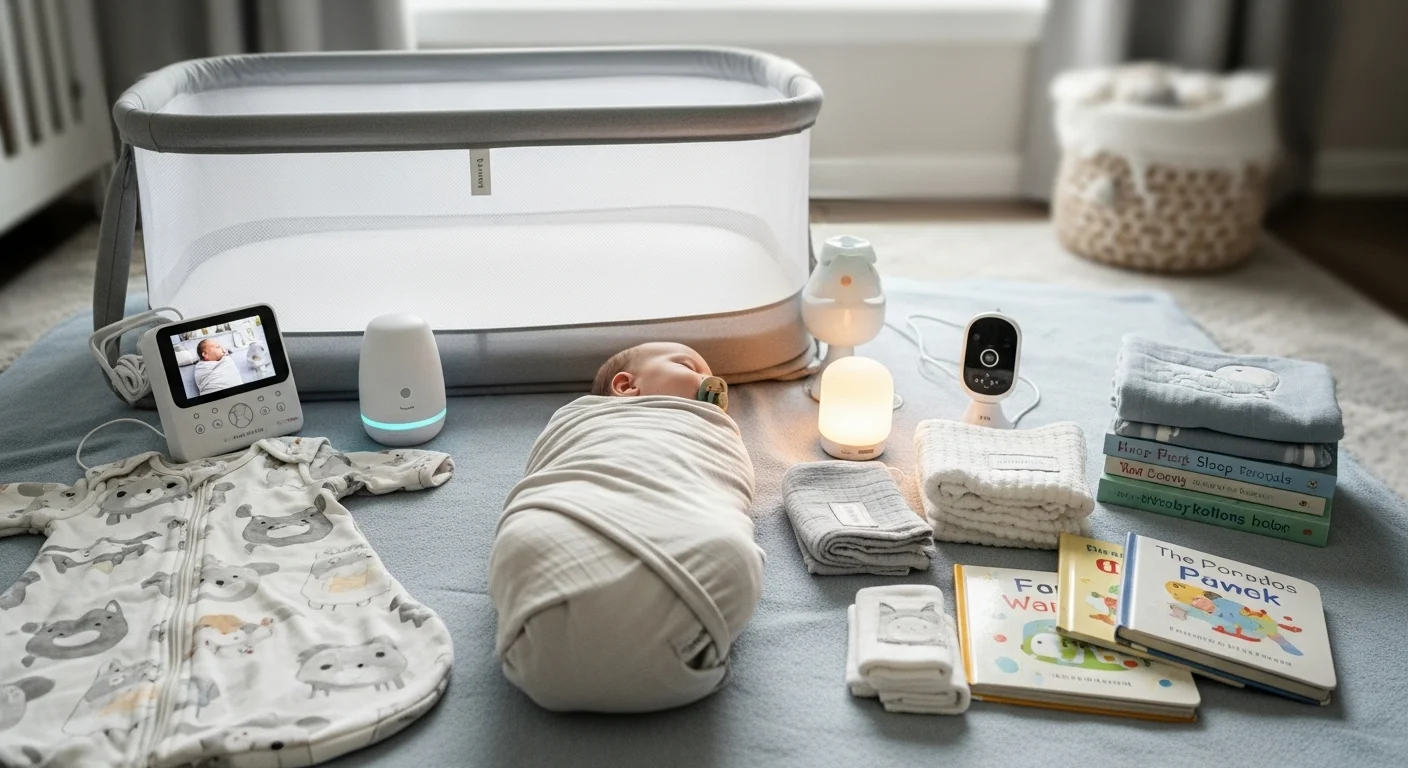
One of my favorite discoveries as a new parent was sleep sacks. They provide warmth and comfort while keeping babies snug and secure. I tried swaddling my baby in a soft blanket initially, but I found sleep sacks to be much easier to use. They come in various sizes and materials, so I could choose one that suited the season. I loved how they allowed my baby to move her arms without the risk of getting tangled up in loose blankets.
Baby Monitors
Having a reliable baby monitor brought me peace of mind. I remember those first few nights when I was nervous about my baby sleeping in her own room. With a monitor, I could hear her every coo and cry, which let me relax a little more. There are so many options out there, from audio-only to video monitors, but I ultimately went for one that had both features. It felt like I could keep an eye on her without having to be in the same room.
White Noise Machines
Another game-changer was our white noise machine. I learned that the soothing sounds mimic the sounds of the womb, helping my baby feel more secure and fall asleep more easily. I was skeptical at first, but I noticed that the gentle hum made a significant difference in her ability to drift off to sleep. It also helped drown out any sudden noises from the outside world that could startle her awake.
Room Temperature Control
Lastly, one thing I didn’t realize was how important room temperature was for my baby’s sleep. I discovered that keeping the room between 68 to 72 degrees Fahrenheit was ideal for a comfortable sleep environment. I invested in a room thermometer to help monitor the temperature. This small step made a big difference in ensuring my baby was not too hot or too cold while sleeping. It was one less thing to worry about as a new parent!
Safety Standards for Sleep Gear
Understanding Safe Sleep Guidelines
When I first became a parent, I was overwhelmed by the number of safety guidelines I needed to follow to ensure my baby slept safely. I remember reading about the “ABC” rule: babies should sleep Alone, on their Back, and in a Crib. This simple guideline became my mantra. I made sure that my little one always had her own space to sleep, free from anything that could pose a suffocation risk, like pillows, toys, or heavy blankets. Following these guidelines gave me peace of mind, knowing I was creating the safest environment for her to sleep peacefully.
I also learned about the importance of avoiding co-sleeping, even though it seemed tempting during those sleepy, late-night feedings. It helped when I read about the potential risks, like rolling over onto the baby or the baby becoming trapped in bedding. I found it easier to keep our sleeping arrangements separate, and it allowed my baby to develop her own sleep habits without confusion.
Choosing Non-Toxic Materials
As I dove deeper into preparing a safe sleep space, I became particularly interested in the materials used in sleep gear. I discovered that some mattresses and bedding contain harmful chemicals, which made me rethink my purchases. When I was shopping for a crib mattress, I was careful to look for options made from organic materials and free from harmful flame retardants. I felt good knowing that I was providing a healthier environment for my baby.
It was enlightening to find certifications like Greenguard Gold and CertiPUR-US, which indicate that a product meets strict chemical emissions limits. I made it a point to prioritize these safety features when selecting everything from the mattress to the sleep sacks. The extra effort was worth it for my baby’s health, and I felt reassured knowing I was making informed choices.
Optional Sleep Accessories
Pacifiers and Soothers
As my baby grew, I started to explore optional sleep accessories. One of the most debated items I came across was the pacifier. I had heard mixed opinions, but I decided to give it a try. To my surprise, my baby took to it right away! I found that it helped soothe her during those fussy moments when she was trying to fall asleep. I also learned that using a pacifier during sleep could reduce the risk of SIDS, which made me feel even better about my choice.
However, I made sure to follow the recommendations about pacifier use. I always chose a one-piece design without any small parts, and I was diligent about cleaning it regularly. It was a small step that seemed to make a big difference in our nighttime routine!
Night Lights
Another accessory I found useful was a night light. I remember those first few weeks when I was trying to navigate the dark while doing late-night feedings or diaper changes. A soft night light made a world of difference. It provided just enough illumination to help me see without disturbing my baby’s sleep. I chose a night light with a dimmable feature, so I could adjust the brightness based on the time of night. It felt comforting to have a little glow in the room, allowing me to check on my baby without turning on the main light.
Wearable Blankets
Wearable blankets became another favorite of mine. They offer the coziness of a blanket without the risks associated with loose bedding. I found them particularly handy as my baby transitioned from swaddling. They came in various thicknesses, so I could adjust them based on the season. I loved how they kept my baby snug while allowing her to move her arms freely. It was one of those little solutions that made nighttime a bit easier and more comfortable for both of us.
Tips for Creating a Sleep-Friendly Environment
Darkening the Room
I learned early on that a dark room is crucial for promoting better sleep. I remember struggling with too much light coming in during the day when my baby was napping. That’s when I decided to invest in blackout curtains. They made a significant difference in creating a calm, dark environment conducive to sleep. I felt like I was doing my baby a favor by blocking out distractions from the outside world, allowing her to drift off more easily.
Establishing a Sleep Routine
Another game-changer was establishing a consistent sleep routine. I found that having a predictable bedtime ritual helped signal to my baby that it was time to wind down. We started with a warm bath, followed by some quiet time with a book or gentle lullabies. This routine not only provided comfort but also helped me relax and bond with my baby before sleep. I noticed that on nights when we followed the routine, she seemed to settle down more quickly and sleep better.
Minimizing Distractions
Finally, I learned the importance of minimizing distractions in the sleep environment. I made it a point to turn off bright screens and limit loud noises during sleep times. This small adjustment helped create a more peaceful atmosphere for my baby. I even considered using soft, calming music to help her relax, which became a soothing part of our nighttime ritual. It was amazing how these little changes could lead to a more restful sleep for both of us.
Common Concerns and FAQs
How to Transition from Bassinet to Crib?
Transitioning from a bassinet to a crib can feel daunting, but I found it to be a natural progression as my baby grew. When I decided it was time for this change, I started by placing the crib in our bedroom for a few nights. This helped my baby feel familiar with the new sleep space while still being close to me. I remember that it took a little patience; it wasn’t an instant success. I made sure to keep the same bedtime routine so she would connect it with sleep, which really worked in our favor.
As my baby adjusted, I gradually moved the crib into her own room. I found that introducing a transitional object, like a soft toy or a familiar blanket, could provide comfort during this change. It made her feel secure as she slept in a new environment. I also kept the room dark and quiet, just like we had done with the bassinet, to help ease the transition. Overall, I learned that being consistent and patient made a big difference in helping her feel comfortable in her new sleeping arrangement.
What to Do If Your Baby Won’t Sleep?
If you ever find yourself in a situation where your baby just won’t sleep, you’re not alone! I remember those nights when my baby seemed to resist sleep no matter what I tried. I learned that sometimes it could be due to overstimulation or discomfort. If my baby was fussy, I would take a step back and assess the environment. Was it too bright? Were there too many sounds? I found that dimming the lights and playing soft music helped create a calming atmosphere.
Another tactic I found effective was to try different soothing techniques. I would gently rock her in my arms or take her for a stroll in the stroller. Sometimes, a warm bath right before bed worked wonders to help her relax. I also discovered that keeping a consistent sleeping schedule was crucial. Babies thrive on routine, so I made sure to keep her bedtime at the same time each night. If she seemed overly tired, I learned to pay attention to her sleepy cues and put her down before she became overtired, which often led to a much easier bedtime.
How to Choose the Right Sleep Gear?
Choosing the right sleep gear can feel overwhelming, but I found that focusing on safety and comfort was the best approach. I remember walking into stores filled with options and feeling confused about what to pick. First, I looked for products that met safety standards, like cribs that followed the latest guidelines and mattresses that were firm and non-toxic. I always checked for certifications, which gave me peace of mind when making my choices.
Comfort also played a huge role for me. I wanted my baby to have a cozy yet safe sleeping environment. I considered factors like breathability and materials used in sleep sacks and bedding. For instance, I made sure that any fabric touching my baby’s skin was soft and hypoallergenic to avoid irritation. I also consulted with friends and family, asking for recommendations based on their experiences. Their insights helped me feel more confident in my decisions, and I discovered that sometimes, trying out a few options before settling on the right gear was perfectly okay.
Ultimately, I learned that trusting my instincts and keeping my baby’s needs at the forefront helped me make the best choices for her sleep environment. It’s all part of the adventure of parenthood, and every decision was a step toward creating a peaceful and safe sleep space for my little one.
Final Thoughts
As I reflect on my journey through the early stages of parenthood, I realize that sleep is a vital component not only for our babies but for us as parents too. I’ve learned that creating a nurturing sleep environment is an ongoing process that evolves as our little ones grow. Each change and adjustment, whether it was transitioning from a bassinet to a crib or finding the perfect sleep sack, taught me something new about my baby’s needs and my own instincts as a parent.
I remember those nights filled with uncertainty, wondering if I was doing everything right. It’s easy to feel overwhelmed with advice and countless products on the market. My experience showed me the importance of tuning into my baby’s cues and finding what worked best for us as a family. The journey of discovering our baby’s unique sleep patterns was a mix of trial and error, but that’s part of the adventure of parenting. I learned to trust my gut and be adaptable, which made all the difference.
One of the most significant takeaways from my experience was the power of a consistent sleep routine. Establishing a calming bedtime ritual provided comfort not only for my baby but also for me. It turned those often chaotic evenings into a peaceful time we looked forward to. I felt a sense of accomplishment knowing that I was fostering a loving atmosphere conducive to good sleep habits.
As I navigated the world of sleep gear, I found that prioritizing safety and comfort helped ease my worries. Each purchase, whether it was a high-quality mattress or a cozy sleep sack, was a reflection of my commitment to my baby’s well-being. I also appreciated the resources available, from parenting books to online forums, where I could connect with other parents and share experiences. It was comforting to know I was not alone in this journey.
Looking back, I realize that every sleepless night was a stepping stone to building a foundation of trust and comfort for my baby. I know now that sleep training and creating a restful environment take time and patience. Each step we took, no matter how small, was vital in helping my little one develop healthy sleep habits. As my baby grows, I continue to learn and adapt, finding new ways to ensure she sleeps soundly and peacefully.
Ultimately, I believe that parenting is about embracing the journey, with all its challenges and joys. The lessons I’ve learned about sleep have not only benefited my baby but have also enriched my experience as a parent. So, to all the new parents out there: trust yourselves, be patient, and remember to celebrate the little victories. We’re all in this together, and every night brings us closer to creating a peaceful sleep environment for our little ones.
Frequently Asked Questions
What are the typical sleep needs of a newborn?
Newborns typically sleep about 14 to 17 hours a day, which is vital for their growth, brain development, and overall health.
How do newborn sleep patterns differ from adults?
Newborns have unique sleep patterns characterized by short bursts of sleep, often just two to four hours at a time. They may only be awake for 30-45 minutes between naps.
What is the best sleep environment for a newborn?
A safe sleep environment includes a firm mattress, fitted sheet, and no loose bedding or toys. A bassinet can be a good choice initially, followed by a crib that meets safety guidelines.
What sleep gear is essential for newborns?
Essential sleep gear includes cribs or bassinets, high-quality crib mattresses, sleep sacks or swaddles, baby monitors, and white noise machines.
How can room temperature affect a baby’s sleep?
Keeping the room temperature between 68 to 72 degrees Fahrenheit is ideal for a comfortable sleep environment for babies.
What does the “ABC” rule for safe sleep entail?
The “ABC” rule stands for babies should sleep Alone, on their Back, and in a Crib, which helps reduce the risk of suffocation and promotes safe sleeping habits.
How can I help my baby transition from a bassinet to a crib?
To transition from a bassinet to a crib, start by placing the crib in your bedroom to help your baby feel familiar with the new space. Maintain the same bedtime routine for consistency.
What should I do if my baby won’t sleep?
If your baby won’t sleep, assess the environment for overstimulation and try soothing techniques like dimming the lights, playing soft music, or establishing a consistent sleeping schedule.
How can I choose the right sleep gear for my baby?
Focus on safety and comfort when choosing sleep gear. Look for products that meet safety standards and check for certifications indicating non-toxic materials.
What is the importance of establishing a sleep routine?
Establishing a consistent sleep routine helps signal to your baby that it’s time to wind down, which can lead to better sleep and a more relaxed bedtime atmosphere.