
As new parents, understanding your newborn’s sleep patterns can feel like a challenging puzzle. Let’s explore the essentials of newborn sleep to help you navigate those sleepless nights with confidence. Additionally, developing essential communication skills for your newborn’s growth is crucial during this time.
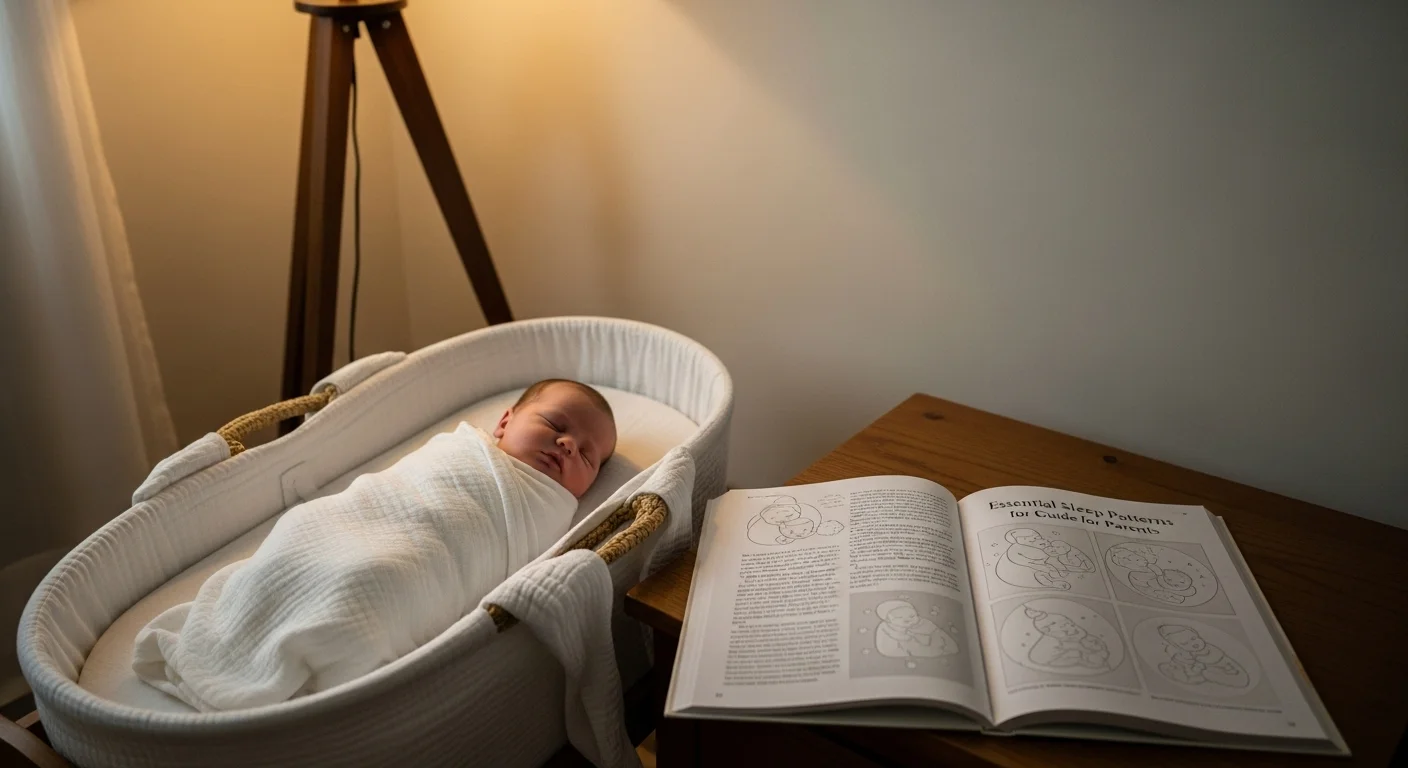
Understanding Newborn Sleep Patterns
What Are Sleep Patterns?
When I first became a parent, I quickly learned that sleep patterns are the rhythms of wakefulness and sleep specific to babies. These patterns are significantly different from what we experience as adults. Newborns typically sleep for short periods, waking frequently to feed and be comforted. It’s fascinating to realize that their sleep is a mix of active and quiet sleep, which plays a crucial role in their development.
Importance of Sleep for Newborns
The importance of sleep for newborns can’t be overstated. Sleep is essential for their growth and brain development. I remember reading that during sleep, especially during REM (Rapid Eye Movement) sleep, a baby’s brain is busy processing information and forming neural connections. It’s during these moments that they develop essential skills that will help them in the coming months. I often found myself marveling at how crucial those tiny moments of rest are for my baby’s future!
Typical Sleep Duration for Newborns
So, how much sleep does a newborn actually need? Based on my experience and research, most newborns sleep around 14 to 17 hours a day, but it’s not all at once. Instead, they have short sleep cycles of about 50 to 60 minutes, waking every few hours to feed. I remember feeling overwhelmed by this at first, but I learned to embrace the unpredictability. It helped me to understand that this is entirely normal; every baby is unique, and their sleep needs can vary significantly.
Stages of Sleep in Newborns
Active Sleep (REM Sleep)
Active sleep, or REM sleep, is where all the action happens. I noticed this stage in my baby as they would squirm, twitch, and occasionally make little noises. It turns out this is when they dream, and it’s crucial for their cognitive development. I learned that during REM sleep, the brain is highly active, which is essential for memory formation and learning. Observing my baby during this stage made me appreciate how vital it is for their growth.
Quiet Sleep (Non-REM Sleep)
On the flip side, there’s quiet sleep, where my baby seemed to sink into a deep, peaceful slumber. This stage is critical for physical recovery and growth. It’s during quiet sleep that the body releases growth hormones, helping them develop. I often felt relieved knowing they were getting this restorative sleep, and I tried to make the most of these times to catch a few winks myself.
Cyclic Nature of Sleep Stages
Newborns experience a cyclic nature of sleep stages that lasts about 50 to 60 minutes. After this cycle, they may wake briefly before transitioning into another cycle. I found it helpful to pay attention to my baby’s sleep cues, which often indicated when they were transitioning between these stages. Understanding this helped me plan feedings and activities around their natural rhythms. It’s all about being in sync with them!
Factors Influencing Newborn Sleep
Age and Developmental Milestones
As my baby grew, I noticed how age and developmental milestones affected their sleep. Newborns typically have different sleep needs compared to older infants. As they hit milestones like rolling over or crawling, their sleep patterns might shift. I realized that being aware of these changes helped me adjust expectations and routines. Each new skill seemed to bring a new wave of sleep challenges! For more details on these milestones, check out navigating newborn physical milestones.
Feeding Patterns and Sleep
Feeding patterns also played a significant role in my baby’s sleep. Breastfed babies often wake more frequently to feed compared to formula-fed babies. I remember the nights of cluster feeding, where my baby wanted to nurse almost non-stop. Although it felt exhausting, I learned that these feeding patterns were essential for their growth and development, especially in those early days.
Environmental Influences (Light, Noise, Temperature)
Creating a sleep-friendly environment was essential in our home. I noticed how light, noise, and temperature affected my baby’s quality of sleep. We tried to keep the room dark and quiet, using blackout curtains and a white noise machine. I found that a comfortable temperature also helped, as babies can be sensitive to extremes. It was a little trial and error, but I believe it paid off in the end, as my baby started to settle into a more predictable sleep pattern.
Common Sleep Challenges for Newborns
Colic and Its Impact on Sleep
One of the challenges I encountered with my newborn was colic. It was tough to see my baby crying for hours, seemingly inconsolable. I learned that colic is quite common and usually manifests around two weeks of age, peaking around six weeks, and often resolves by three to four months. The screaming episodes often led to disrupted sleep for both my baby and us as parents. I remember thinking, “Is this ever going to end?” But I found that understanding colic helped me cope. I tried different soothing techniques, like gentle rocking and white noise, which sometimes calmed my baby. I realized that it’s important to be patient and remember that this phase would eventually pass.
Sleep Regression Phases
As if the sleepless nights weren’t enough, I soon discovered sleep regressions. These periods typically occur around 4 months, 8 months, and even 12 months, where a baby’s sleep patterns can temporarily change or worsen. I vividly remember when my baby hit the 4-month mark. Just when I thought we had established a routine, my little one started waking up more frequently at night. It was frustrating, but I learned it was a normal part of development. My advice to other parents is to stay flexible during these phases. I found that being adaptable and responsive to my baby’s needs helped us both get through those tricky weeks.
Signs of Sleep Disorders in Newborns
While most sleep issues are temporary, I also learned to be aware of signs that might indicate a sleep disorder. For example, if my baby was excessively fussy during the day and had trouble settling down at night, I started to pay closer attention. Other warning signs I looked for included snoring, gasping, or irregular breathing patterns while sleeping. If something didn’t feel right, I knew it was essential to consult our pediatrician. They helped us navigate these concerns and provided reassurance. I believe being informed helped me feel more in control during those early, overwhelming weeks.
Establishing Healthy Sleep Habits
Creating a Sleep-Friendly Environment
As I became more aware of my baby’s sleep patterns, I realized how crucial it was to create a sleep-friendly environment. I started with the room where my baby slept. It needed to be dark, quiet, and at a comfortable temperature. I invested in blackout curtains to block out any light and set up a white noise machine to mask any household sounds. I found that these changes made a significant difference. My baby seemed to settle down more easily and stay asleep longer. I also made sure to keep the nursery clutter-free and soothing, which helped both of us feel more relaxed during those late-night feedings.
Establishing a Bedtime Routine
Another step I took was to establish a bedtime routine. I found that consistency was key in signaling to my baby that it was time to wind down. We began with a warm bath, followed by gentle lullabies and cuddles. This routine not only helped my baby relax but also enabled me to cherish those quiet moments together. I remember how much I looked forward to this special time. It helped create a sense of security for my little one, making them more willing to sleep soundly. I recommend trying to keep the routine similar each night, as it can help your baby understand what to expect.
Safe Sleep Practices (Back to Sleep, Crib Safety)
When it came to sleep safety, I made it a priority to follow safe sleep practices. I always placed my baby on their back to sleep, which I learned reduces the risk of Sudden Infant Death Syndrome (SIDS). I also ensured that the crib was free of pillows, blankets, and toys to keep the sleeping area safe. It was a little nerve-wracking at first, but knowing I was following guidelines gave me peace of mind. I also kept the crib in our bedroom for the first several months, which made nighttime care easier and allowed me to keep a close eye on my baby. Safe sleeping is essential, and I felt empowered by the knowledge I gained on this topic. I also recommend checking out top hygiene tips for newborns to complement these practices.
Understanding Newborn Sleep Cycles
How Sleep Cycles Work
Understanding sleep cycles was another eye-opening experience for me. Newborns have shorter sleep cycles than adults, typically lasting about 50-60 minutes. During this time, they move through both active and quiet sleep stages. I learned to recognize that when my baby woke after a short period, it might just be a transition between cycles rather than a full wake-up. This realization helped me remain calm and patient, knowing my baby might settle back down without needing to feed or be held immediately.
Duration of Sleep Cycles in Newborns
The duration of sleep cycles in newborns can vary based on their age and development. As they grow, the cycles may lengthen and move toward a more adult-like pattern. I remember feeling excited as my baby reached different milestones, knowing that their sleep cycles would evolve too. I often reflected on how fascinating it is that our little ones are constantly changing and developing, even in their sleep!
Recognizing Sleep Cues
Finally, I found that recognizing sleep cues was vital for helping my baby get the rest they needed. I learned to look for signs such as yawning, rubbing their eyes, and becoming fussy. When I noticed these cues, I would try to initiate nap time or bedtime to avoid an overtired baby. It made a significant difference in our daily routine. I felt like I was getting to know my baby on a deeper level, and it helped us both feel more connected as I learned to respond to their needs.
Parental Support and Resources
When to Seek Professional Help
As a new parent, I often found myself wondering when it was appropriate to reach out for professional help regarding my baby’s sleep. It can be a bit daunting, especially when we feel the pressure to manage everything on our own. From my experience, I realized that it’s essential to trust my instincts. If I noticed persistent sleep issues that seemed to go beyond the typical newborn challenges, I didn’t hesitate to consult our pediatrician. For instance, if my baby was having difficulty breathing during sleep or seemed excessively lethargic during the day, those were red flags. I learned that it’s better to be cautious and discuss any concerns with a healthcare provider, as they can offer guidance tailored to our unique situation.
Support Groups and Community Resources
Finding support from other parents made a huge difference for me. I discovered that many new parents experience similar sleep struggles, and sharing our experiences helped alleviate some of the stress. I joined local parenting groups and online forums where we could exchange tips and encouragement. These communities provided a safe space to vent our frustrations and celebrate the little victories. I even made a few close friends along the way! Knowing that I wasn’t alone in this exhausting journey was comforting. I encourage other parents to seek out local groups or online communities, as they can be a treasure trove of information and emotional support.
Books and Online Resources for Further Reading
In my quest for knowledge about newborn sleep, I turned to books and online resources that provided valuable insights. I found that reading about child development and sleep strategies opened my eyes to various approaches. Some of my favorite books included those written by pediatricians and sleep experts. They offered practical advice on everything from establishing routines to understanding sleep cues. I also explored parenting websites and blogs that shared personal stories and research-backed tips. I believe having a reliable source of information can empower us as parents to make informed decisions. I recommend keeping a list of trusted resources handy, as they can be lifesavers when we’re feeling overwhelmed.
It’s important to remember that every family is different, and what works for one may not work for another. I found it helpful to take bits of advice that resonated with me and adapt them to fit our family’s needs. The journey of navigating newborn sleep can be challenging, but seeking support and gathering knowledge can truly make a difference in our experience as parents.
Final Thoughts
As I reflect on my journey of understanding my newborn’s sleep, I feel a mix of gratitude and wisdom from those early days. It was a time filled with challenges, sleepless nights, and abundant love. Navigating the world of newborn sleep can feel overwhelming, but it’s also an incredible opportunity to bond with your little one and learn about their unique needs. I want to emphasize that it’s okay to feel a little lost at times; every new parent goes through this. We’re all figuring it out as we go, and that’s part of the beautiful chaos of parenthood.
I wish I had known earlier that establishing a sleep routine wouldn’t happen overnight. It took patience and flexibility, but eventually, I saw progress. Each baby is different, and what works for one might not work for another. This variability can be both frustrating and freeing. I found it helpful to trust my instincts and adapt my approach based on what felt right for my baby. We learned to embrace the unpredictability of those early months, and in doing so, we built a rhythm that worked for us.
Support from friends, family, and other parents was invaluable. Sharing experiences and tips not only equipped me with knowledge but also reminded me I wasn’t alone in this. I encourage anyone reading this to reach out, ask questions, and connect with others who are on the same journey. Having a support system can make a world of difference, and it’s a great way to find reassurance that you’re doing an amazing job, even on the tough days.
Lastly, I discovered that self-care is crucial for parents, too. It’s easy to forget about your own needs while caring for a newborn. I learned to take small moments for myself, whether that meant enjoying a warm cup of coffee or sneaking in a quick nap when my baby rested. Prioritizing my well-being ultimately helped me be more present and patient as a parent. So, don’t hesitate to carve out time for yourself. It’s essential for both you and your baby.
In the end, remember that this stage won’t last forever, even though it may feel like it at times. Each sleepless night brings us closer to the next phase of our little one’s growth. Embrace the challenges, cherish the tender moments, and know that you are doing an incredible job. We all have our own stories to tell, and as we navigate these precious early days, let’s hold onto the love, laughter, and lessons learned along the way.
Frequently Asked Questions
What are newborn sleep patterns?
Newborn sleep patterns refer to the rhythms of wakefulness and sleep that are specific to babies, which are significantly different from adult sleep patterns. Newborns typically sleep for short periods, waking frequently to feed and be comforted.
Why is sleep important for newborns?
Sleep is essential for a newborn’s growth and brain development. During sleep, especially REM sleep, a baby’s brain processes information and forms neural connections, which are crucial for their future development.
How much sleep do newborns need?
Most newborns sleep around 14 to 17 hours a day, but they do not sleep all at once. They have short sleep cycles lasting about 50 to 60 minutes and wake every few hours to feed.
What are the stages of sleep in newborns?
Newborns experience two main stages of sleep: active sleep (REM sleep), where their brain is highly active and they may dream, and quiet sleep (non-REM sleep), which is critical for physical recovery and growth.
What factors influence newborn sleep?
Factors that influence newborn sleep include age and developmental milestones, feeding patterns, and environmental influences such as light, noise, and temperature.
What are common sleep challenges for newborns?
Common sleep challenges for newborns include colic, sleep regression phases, and signs of sleep disorders. These issues can disrupt sleep for both the baby and the parents.
How can parents establish healthy sleep habits for their newborns?
Parents can create a sleep-friendly environment by ensuring the room is dark, quiet, and at a comfortable temperature. Establishing a consistent bedtime routine and following safe sleep practices are also crucial.
What are sleep cycles in newborns?
Newborns have shorter sleep cycles that typically last about 50 to 60 minutes, during which they transition through active and quiet sleep stages.
When should parents seek professional help regarding their baby’s sleep?
Parents should consult their pediatrician if they notice persistent sleep issues that seem to go beyond typical newborn challenges, such as difficulty breathing during sleep or excessive lethargy during the day.
How can parents find support during the newborn stage?
Parents can find support through local parenting groups and online forums where they can share experiences, exchange tips, and connect with others facing similar challenges.