
Traveling opens doors to new experiences, friendships, and adventures. For young travelers, mastering essential social skills can make these journeys even more rewarding. Let’s dive into how these skills can transform your travel experiences. Read Interesting article: Empowering Kids: Social Skills for Special Needs Travelers
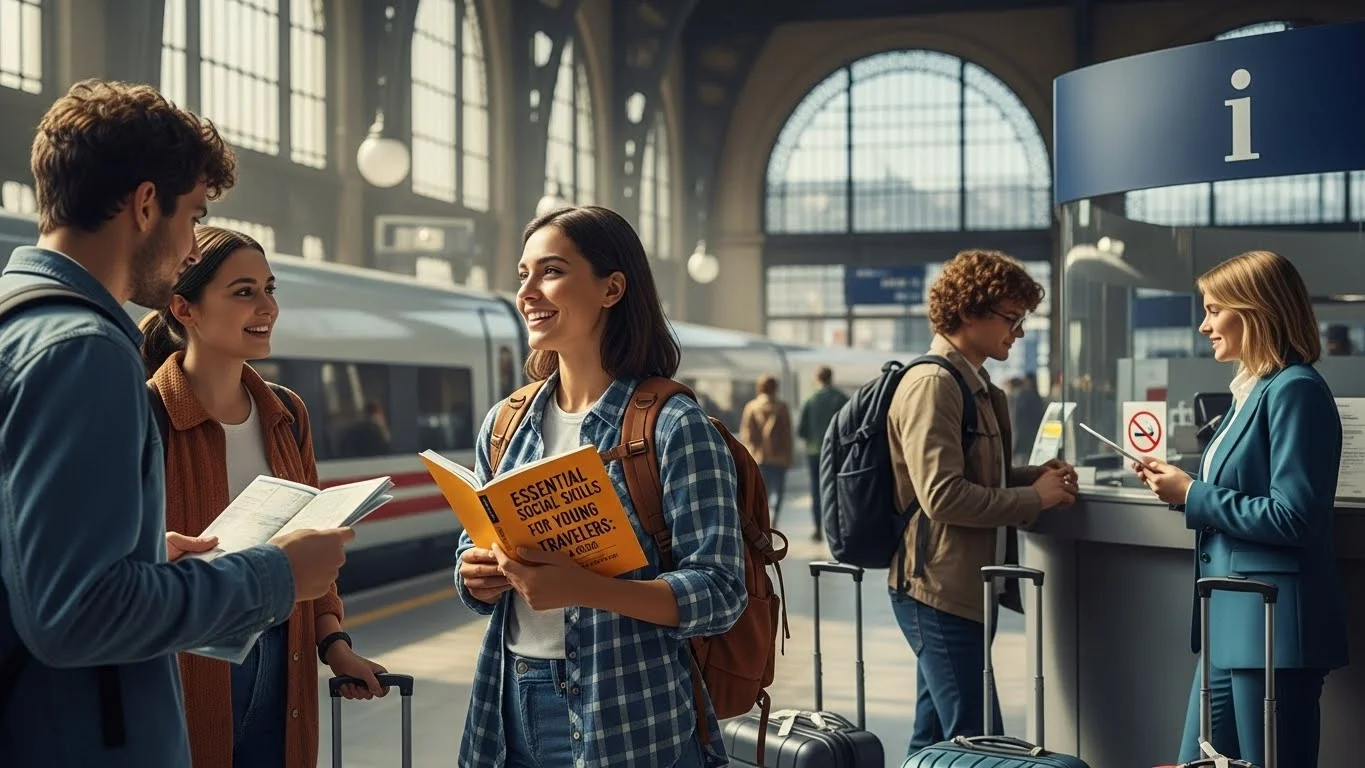
Understanding Social Skills in Travel
Importance of Social Skills for Travelers
I’ve always believed that the heart of traveling lies in the connections we make along the way. Social skills are crucial for young travelers, especially when navigating unfamiliar places and cultures. The ability to engage with others can lead to friendships that last a lifetime and enrich our understanding of the world. Whether it’s chatting with a fellow backpacker in a hostel or striking up a conversation with a local, these interactions can shape our travel experiences in profound ways.
When I first traveled abroad as a teenager, I was nervous about meeting new people. I quickly realized that social skills were my ticket to making friends and discovering hidden gems in the places I visited. The more I practiced, the more confident I felt, and I couldn’t help but notice how my journey became much more fulfilling because of these connections. For young travelers, developing strong social skills can lead to learning opportunities and memorable experiences that go beyond typical tourist attractions.
How Social Skills Enhance Travel Experiences
Picture this: You’re wandering through the vibrant streets of Barcelona, and you spot a small café bustling with locals. If you have the social skills to step inside and strike up a conversation, you might learn about the best tapas in town or receive warm recommendations for hidden spots away from the tourist traps. From my experience, it’s moments like these that transform a good trip into an unforgettable adventure.
Social skills also help in navigating challenges that arise while traveling. I remember when I was in a foreign country and found myself lost. Instead of panicking, I approached a friendly-looking local, and with a smile and a few gestures, I was able to get directions. This not only solved my problem but also sparked a pleasant exchange that left me feeling more connected to the culture I was experiencing.
Moreover, social skills foster a sense of belonging, especially for young travelers who might feel out of their element in a new place. Engaging with others can help alleviate feelings of loneliness and anxiety. Whenever I felt overwhelmed, I made it a point to reach out to fellow travelers, and the shared experiences created bonds that made each destination feel like home. Read Interesting article: Backpacking with Kids: Boost Their Social Skills Abroad
Core Social Skills Every Young Traveler Should Develop
Effective Communication
Effective communication is at the core of all social interactions. It isn’t just about speaking but also about expressing oneself clearly and understanding others. I learned that being open and approachable encourages people to engage in conversation with me. It’s about finding the right balance between sharing your own stories and asking questions about others. I often use simple phrases to break the ice, which can lead to rich discussions and new friendships.
Active Listening
Active listening is another vital skill. It’s not enough to hear words; we need to pay attention to the emotions and intentions behind them. I remember a time when a traveler shared their journey with me, and I made a point to listen intently. This not only made them feel valued but also led to a deeper, more meaningful conversation. When we listen actively, we connect on a more human level, and that’s where real friendships begin.
Non-Verbal Communication
Non-verbal communication is just as important as verbal exchanges. Body language, gestures, and facial expressions can convey a wealth of information. During my travels, I’ve learned that maintaining eye contact and smiling can break down barriers, especially in cultures where words may not be as freely exchanged. These small acts can create a welcoming atmosphere that encourages people to engage. I often find myself using gestures to complement my words when language differences arise, and it always brings a smile.
Empathy and Cultural Sensitivity
Empathy and cultural sensitivity are crucial for any traveler. Understanding that everyone has different backgrounds, beliefs, and customs allows us to approach conversations with respect and openness. I once traveled to a country where the customs were vastly different from my own. Instead of judging, I embraced the opportunity to learn, and that attitude opened doors for incredible interactions. I recommend taking the time to research local customs before traveling; it shows respect and willingness to connect.
Conflict Resolution
Lastly, conflict resolution skills are essential, especially in travel situations where misunderstandings can occur. While traveling, I’ve faced awkward moments, whether due to language barriers or cultural differences. Instead of letting these situations escalate, I learned to remain calm, address the issue, and communicate respectfully. Understanding differing perspectives can often lead to solutions and even strengthen relationships. I find that approaching conflicts with a problem-solving mindset helps ease tension and fosters a spirit of cooperation.
Social Skills for Different Travel Situations
Meeting New People
Meeting new people is one of the most exciting parts of traveling. I remember my first solo trip, feeling like I was stepping into a world full of untold stories. Approaching someone new can feel intimidating, but I found that a genuine smile and an open demeanor make a world of difference. I usually start with simple questions, like asking for recommendations or sharing my travel plans. For me, these small interactions often led to longer conversations and sometimes even friendships. The best part is that everyone you meet has their unique experiences to share, adding depth to your journey.
Interacting with Locals
Interacting with locals is where the magic of travel truly happens. When I think back to my trip to Thailand, I remember sitting at a street vendor’s stall, enjoying a bowl of noodles while striking up a conversation with the owner. I asked about their favorite dishes and the story behind their stall. This interaction not only satisfied my curiosity but also opened a window into the local culture. I learned that locals often appreciate travelers who take an interest in their lives, and it made me feel more connected to the place. I recommend being respectful and curious when you interact with locals; it often leads to surprises and delightful exchanges. Read Interesting article: Top Budget-Friendly Online Learning Platforms for Travelers
Group Travel Dynamics
Traveling in groups can be a whole different ball game. I’ve been on trips where I was part of a tour group, and I realized that strong social skills are vital for group dynamics. It’s easy for tensions to rise, especially when people have different preferences or travel styles. I’ve found that being assertive yet respectful is key. When discussing plans, I try to listen to everyone’s opinions and find a compromise that works for the group. I remember a trip where we had conflicting ideas on where to eat, but by encouraging everyone to voice their preferences, we ended up discovering a fantastic place that satisfied everyone. Building rapport and fostering teamwork in group settings makes the experience richer for all involved.
Networking Opportunities
Travel can also offer unexpected networking opportunities. I once attended a travel seminar in a city I was exploring. I was nervous at first, but I decided to approach a few people during the breaks. I asked about their travels and shared my own experiences. This opened up conversations that led to valuable connections and even potential collaborations later. I think these moments highlight the importance of being proactive. Whether at a conference, a social event, or even a local gathering, being open to networking can lead to friendships and professional opportunities.
Building Confidence in Social Interactions
Overcoming Shyness
Overcoming shyness has been a personal journey for me. I remember feeling anxious whenever I had to initiate a conversation. What helped me was practicing small interactions in low-pressure environments, like chatting with cashiers or baristas. These short exchanges helped me build my confidence gradually. I learned to remind myself that most people are friendly and open to chatting. With time, I found it easier to engage with travelers and locals alike, transforming my travel experiences into vibrant interactions.
Practicing Conversation Starters
Having a few conversation starters up my sleeve has been a game changer. I often use questions about local attractions or cultural experiences to break the ice. “What’s your favorite place in this city?” or “Do you have any hidden gems to share?” can lead to great discussions. I’ve discovered that people love sharing their insights, and it often helps me learn about places I wouldn’t have found in a guidebook. Practicing these starters beforehand makes me feel more prepared, and I can adapt them to different situations as I travel.
Role-Playing Scenarios
Role-playing scenarios have been a fun and effective way to build my social skills. I started practicing with friends before big trips, where we’d simulate various situations, like ordering food in a foreign language or asking for directions. This playful approach not only made me more comfortable but also prepared me for real-life interactions. I think it’s beneficial to step outside our comfort zones in a safe environment before diving into the real thing. Plus, it can be a great bonding experience with travel companions!
Using Technology to Enhance Social Skills
Social Media Etiquette for Travelers
In today’s digital age, social media can be an incredible tool for connecting with fellow travelers. I’ve found that sharing my experiences online not only helps me document my journey but also encourages interactions with others. However, understanding social media etiquette is crucial. I always strive to be respectful when tagging others in photos or sharing their stories. Engaging with fellow travelers’ posts, leaving thoughtful comments, and even asking questions can lead to meaningful connections. It’s amazing how social media can bridge distances and create friendships even before you meet in person.
Travel Apps for Meeting People
There are numerous travel apps designed to help you connect with people while on the road. I’ve used apps like Couchsurfing and Meetup to meet fellow travelers and locals. These platforms offer opportunities to join group activities or attend events that align with your interests. I remember signing up for a cooking class through one of these apps, where I not only learned to make traditional dishes but also met some fantastic people who shared my love for food. These experiences enriched my travels and helped me gain a broader perspective on different cultures.
Online Language Learning Tools
Learning basic phrases in the local language can significantly improve social interactions. I’ve used online tools and apps like Duolingo to pick up essential words and phrases before visiting a new country. Even a simple “hello” or “thank you” can break the ice and show locals that you’re making an effort to connect. I often find that people appreciate when travelers try to speak their language, and it often leads to warmer interactions. Plus, it adds a fun challenge to my travels!
Cultural Awareness and Sensitivity
Understanding Local Customs and Traditions
When I travel, one of the first things I make a point to do is learn about the local customs and traditions of the places I’m visiting. I remember a trip to Japan where I was fascinated by the cultural nuances. Understanding the importance of bowing instead of shaking hands, or taking off my shoes before entering someone’s home, deepened my appreciation for their way of life. I think that making an effort to respect local customs not only enhances my travel experience but also helps build rapport with the locals. They often respond positively when they see that I have taken the time to understand their culture.
Researching local festivals and traditions can also open doors to unique experiences. I once visited a small town during its annual harvest festival. Participating in local rituals and festivities allowed me to connect with the residents on a deeper level, creating memories that I still cherish today. I recommend looking up cultural customs before you go; it shows genuine interest and can lead to enriching interactions.
Adapting to Different Communication Styles
I’ve learned that communication styles can vary significantly from one culture to another. Some cultures are more direct, while others prefer a more subtle approach. I remember my experience in Italy, where conversations were animated and expressive. It felt natural to engage in passionate discussions, and I found that it was a fantastic way to connect with others. In contrast, during my time in Scandinavia, I noticed that conversations were often quieter and more reserved. Understanding these differences helped me to adapt my approach and engage more effectively with the people I met.
Being flexible and observant can make a significant difference. I often watch how locals interact with each other before jumping into conversations. This way, I can pick up on their communication style and mirror it, which helps me blend in more naturally. I think it’s essential to be open to different ways of connecting with people, as this adaptability enriches the travel experience and fosters better relationships.
Respecting Cultural Differences
Traveling has taught me that cultural differences should be embraced, not judged. I once traveled to a country where the dress code was conservative, and I made sure to dress appropriately as a sign of respect. I remember feeling a little out of place at first, but the locals appreciated my effort, and it led to some meaningful conversations. They were eager to share their customs and traditions with me, and I felt honored to learn directly from them.
Respecting cultural differences goes beyond just clothing; it’s also about understanding various social norms. For example, in some cultures, discussing personal matters too quickly can be seen as intrusive, while in others, it’s perfectly normal. Being aware of these subtleties can help avoid misunderstandings and foster a more respectful exchange. I make it a point to keep an open mind and adjust my behavior according to the local norms, which has made my travels all the more enjoyable.
Top Destinations for Practicing Social Skills
Hostel Environments
Hostels are one of my favorite places to practice social skills while traveling. They are vibrant melting pots of diverse travelers from all over the world. I remember my first experience at a hostel in Amsterdam, where I met people from different countries and backgrounds. The communal areas were buzzing with conversations, and I found it easy to strike up a chat over breakfast or in the common lounge. I’ve learned that hostels often organize events or group outings, which provide excellent opportunities to bond with others. If you’re looking to hone your social skills, I highly recommend staying in hostels—they are perfect for meeting new friends and practicing effective communication!
Language Exchange Programs
Language exchange programs have also been a fantastic way for me to enhance my social skills while immersing myself in new cultures. I once attended a language exchange event in Barcelona, where locals and travelers gathered to practice their language skills. It was a relaxed atmosphere, and everyone was there to meet new people and learn from each other. I found that sharing my own language while learning Spanish opened up so many conversations that I wouldn’t have had otherwise. Such experiences are not only fun but also provide a unique window into different cultures.
Volunteer Opportunities Abroad
Volunteering abroad has given me some of the most rewarding social interactions during my travels. I remember volunteering at an animal shelter in Costa Rica, where I met both locals and fellow travelers who shared my passion for animal welfare. Working together brought us closer, and we formed strong bonds through our shared experiences. Volunteering offers a chance to connect with people on a meaningful level, as you’re all working towards a common goal. I always feel that I come back from these experiences not just with new friends, but also valuable lessons in empathy and teamwork that are applicable in all areas of life.
Frequently Asked Questions
Why are social skills important for young travelers?
Social skills are crucial for young travelers as they help navigate unfamiliar places and cultures, leading to friendships that enrich travel experiences and enhance understanding of the world.
How can effective communication improve travel experiences?
Effective communication allows travelers to express themselves clearly and engage with others, fostering connections that can lead to meaningful conversations and friendships during their journeys.
What role does active listening play in making new friends while traveling?
Active listening helps travelers connect on a deeper level by paying attention to the emotions and intentions behind others’ words, leading to more meaningful interactions and friendships.
How can non-verbal communication impact social interactions during travel?
Non-verbal communication, such as body language and facial expressions, conveys information and can create a welcoming atmosphere that encourages people to engage, especially in cultures with language barriers.
What are some core social skills that young travelers should develop?
Core social skills include effective communication, active listening, non-verbal communication, empathy and cultural sensitivity, and conflict resolution, all of which enhance the travel experience.
How can young travelers overcome shyness when meeting new people?
Young travelers can overcome shyness by practicing small interactions in low-pressure environments, such as chatting with cashiers or baristas, which helps build confidence for engaging with others while traveling.
What are some effective conversation starters for travelers?
Effective conversation starters include asking about local attractions or cultural experiences, such as “What’s your favorite place in this city?” or “Do you have any hidden gems to share?”
How can technology enhance social skills for travelers?
Technology can enhance social skills through social media for connecting with fellow travelers, travel apps for meeting people, and online language learning tools for picking up local phrases that improve interactions.
Why is cultural awareness important for travelers?
Cultural awareness is important as it helps travelers understand local customs and communication styles, fostering respect and connection with locals, and avoiding misunderstandings during interactions.
What are some recommended environments for practicing social skills while traveling?
Recommended environments include hostels for meeting diverse travelers, language exchange programs for practicing languages and making connections, and volunteer opportunities abroad for building meaningful relationships.