
Backpacking can be an exhilarating experience, blending adventure with the beauty of nature. However, ensuring safety through effective supervision is crucial for a successful journey. For more information on keeping kids safe while enjoying outdoor activities, read our article on electrical safety tips for home.
Understanding the Importance of Supervision in Backpacking
What is Backpacking Supervision?
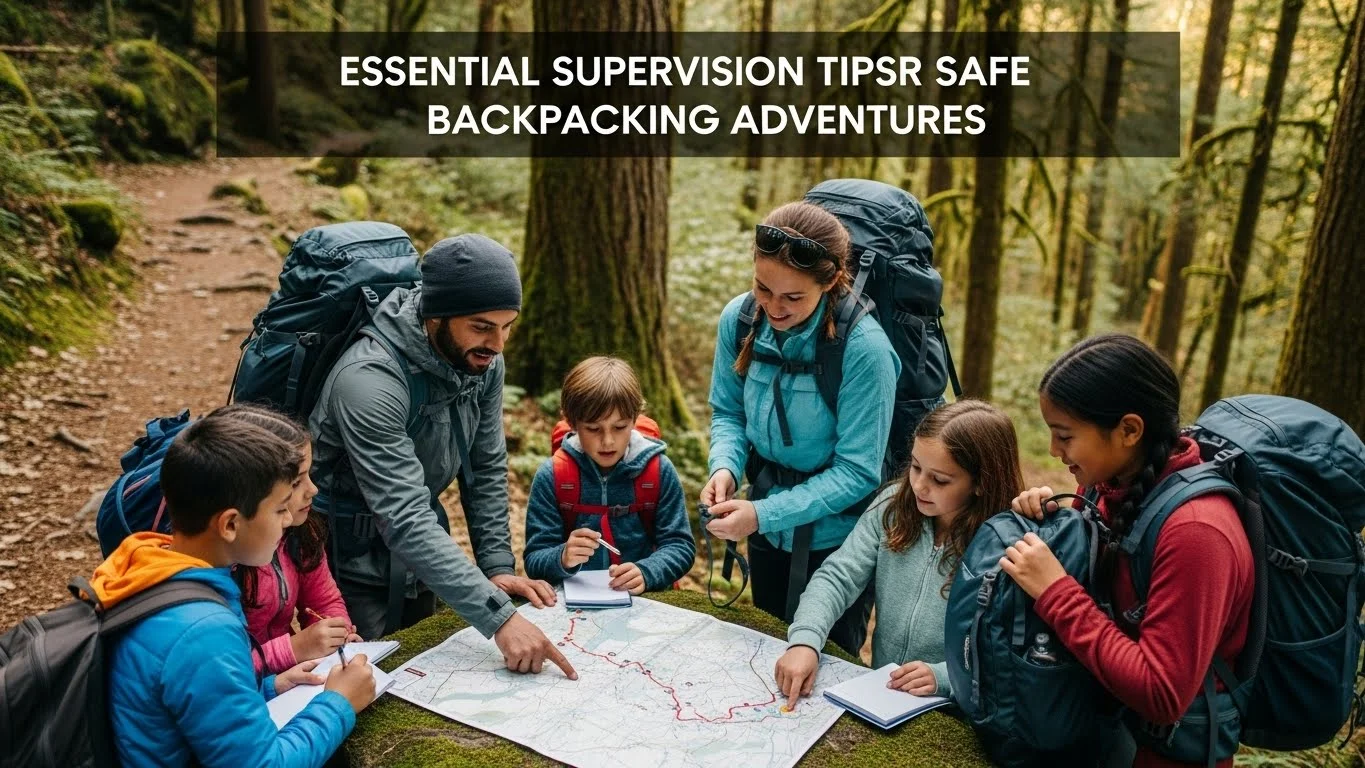
Backpacking supervision involves overseeing a group during outdoor excursions to ensure safety and well-being. From my own experience, I’ve found that effective supervision is not just about keeping an eye on the group; it’s about actively engaging with everyone, understanding their abilities, and ensuring that all participants feel secure and supported. When I first started backpacking, I didn’t fully grasp the importance of supervision. I thought it was mainly about being responsible for others, but it quickly became clear that it was also about fostering a sense of community and shared responsibility among the group.
The Role of Supervisors in Outdoor Activities
The role of a supervisor in backpacking goes beyond merely guiding the group on the trail. It involves preparation, risk management, and fostering an environment where everyone feels comfortable to express their concerns. I remember a trip where the supervisor took the time to discuss everyone’s previous hiking experiences. This not only helped in planning the route but also built trust within the group. I felt more confident knowing that my supervisor understood my capabilities and was looking out for me. Supervisors should also be trained in first aid and outdoor safety protocols, which I learned the hard way during one of my early hikes when we faced an unexpected emergency. For additional safety tips, you can read about CPR for children to ensure preparedness.
Pre-Trip Planning and Preparation
Assessing Group Experience Levels
Before heading out, it’s essential to assess the experience levels of everyone in your group. This can really make or break your trip. For example, when I organized a backpacking trip for friends who were all relatively new to hiking, I made it a priority to gauge their comfort levels and physical capabilities. By having open discussions, we could determine the right trail and activities suited to everyone. I recommend creating a simple questionnaire or having a conversation about past experiences, fitness levels, and any concerns. This way, everyone feels included and we can set realistic goals for the trip.
Choosing Safe Trails and Destinations
Once you have a grasp of the group’s experience, selecting the right trail becomes vital. I’ve learned the hard way that not all trails are created equal. Some may look inviting online but can be challenging in reality. I usually check multiple resources, like trail reviews, local park websites, and even maps from fellow hikers. I remember a trail that was described as “easy,” but in reality, it had steep inclines that caught us off guard. Choosing a trail that matches your group’s skills not only enhances safety but also ensures everyone can enjoy the adventure without undue stress.
Creating a Detailed Itinerary
Creating a detailed itinerary is an essential part of pre-trip planning. It should include the route, estimated times for hiking each section, meal breaks, and emergency contacts. I prefer to not only print out the itinerary but to also share it with everyone in the group. During one of our trips, we experienced a sudden weather change, and having a clear plan helped us quickly decide on an alternative route. I find that a well-structured itinerary gives everyone a sense of direction and purpose, which helps keep spirits high on long days.
Gathering Necessary Equipment
Proper equipment is key to a safe and enjoyable backpacking trip. From my experience, I always make a checklist of essentials: tents, sleeping bags, cooking gear, and first aid kits. I remember feeling overwhelmed by the sheer amount of gear available when I first started. I learned to focus on what I actually needed rather than what looked cool or trendy. Additionally, I encourage everyone in the group to check their gear ahead of time. This not only ensures that all equipment is functional but also allows us to make adjustments based on each person’s needs. Sharing gear, like cooking equipment, can also lighten our loads, making it easier for everyone.
Essential Safety Protocols
First Aid Kits and Emergency Supplies
Having a well-stocked first aid kit is non-negotiable for any backpacking trip. I can’t stress enough how crucial it is to be prepared for the unexpected. On one trip, a friend tripped and sprained his ankle. Thankfully, we had a first aid kit with all the essentials, including bandages, antiseptic wipes, and pain relievers. I learned that it’s not only about having the kit but knowing how to use the items inside it. I recommend familiarizing yourself with basic first aid procedures before heading out. This knowledge can provide peace of mind and may even save a life in case of an emergency. Along with the first aid kit, I also pack extra supplies like insect repellent, sunscreen, and a basic toolkit. It’s amazing how many small injuries can put a damper on a trip if you’re not prepared.
Understanding Weather Conditions
Weather can be unpredictable, especially in the mountains or forests. I remember one hike where we were caught in a sudden downpour, and it turned what was supposed to be a fun adventure into a wet and slippery ordeal. Now, I make it a point to check weather forecasts before I leave and monitor them during the trip. I also encourage everyone in my group to dress in layers, so they can adapt to changing temperatures throughout the day. Additionally, having a backup plan for shelter and knowing the signs of severe weather can be lifesavers. I’ve learned to respect nature’s whims, and I think it’s important for everyone in the group to understand the potential risks and how to respond to them.
Wildlife Awareness and Safety Tips
Encountering wildlife can be one of the most thrilling parts of backpacking. I’ve had my fair share of close encounters, from deer grazing quietly to a curious bear rummaging through our campsite. Understanding how to behave in the presence of wildlife is essential for both your safety and the animals’. I’ve read about, and experienced, the importance of keeping food securely stored away and following proper food storage protocols to avoid attracting animals. Using bear-proof containers or hanging food in a tree can help minimize risks. It’s also wise to educate the group on how to react during wildlife encounters. For example, I learned to stand my ground and make myself look larger when faced with a bear, rather than running away, which can trigger a chase response. Respecting wildlife is part of enjoying the great outdoors.
Fire Safety in the Wilderness
Having a campfire can elevate the camping experience, but it’s crucial to prioritize fire safety. I remember a camping trip where we used a fire pit that was already in use, but we still made sure to follow all safety protocols. We kept the fire small, monitored it closely, and made sure it was completely extinguished before leaving the area. I’ve also learned that certain conditions, like dry weather, can increase fire hazards, so it’s important to always check local regulations regarding open fires. I recommend having a plan for what to do if a fire gets out of control. We should all know the nearest water source and have a shovel or dirt on hand to extinguish flames if necessary. Being responsible with fire not only keeps us safe but also protects the environment we all love.
Effective Communication Strategies
Establishing Check-In Times
During any backpacking trip, establishing regular check-in times is vital for keeping everyone safe and accounted for. I usually set specific times throughout the day where we come together as a group to share updates on how we’re feeling and any concerns we may have. This practice has helped us catch potential issues before they become serious. For instance, on one trip, a participant mentioned feeling unusually fatigued during a check-in. This prompted us to adjust our pace and take longer breaks, which ultimately helped everyone enjoy the hike more. By fostering an open line of communication, I’ve found that everyone feels more connected and supported, which is essential for group morale.
Using Two-Way Radios and GPS Devices
In more remote areas, cell phone coverage can be spotty at best. That’s why I’ve started using two-way radios on trips where we might split into smaller groups or venture away from the main trail. I found these devices incredibly helpful for maintaining communication without relying on phone signals. I also encourage carrying a GPS device or a personal locator beacon, especially when venturing into uncharted territories. These tools not only provide peace of mind but also serve as vital safety equipment should we need to signal for help or navigate back to our starting point.
Teaching Non-Verbal Signals for Emergencies
Sometimes, when we’re out in nature, loud noises can drown out the sound of someone calling for help. That’s why I think it’s essential to establish non-verbal signals for emergencies before we hit the trail. I’ve found that using hand signals or specific whistles can effectively communicate in situations where verbal communication isn’t possible. For example, we agreed that three short whistle blasts would signal that someone needed assistance, while two blasts would mean everything is okay. This simple communication strategy can make a significant difference in urgent situations.
Monitoring Group Dynamics During the Trip
Recognizing Signs of Fatigue and Stress
During our backpacking adventures, I’ve come to realize that monitoring group dynamics is just as important as planning and preparation. Recognizing signs of fatigue and stress can make a significant difference in the overall experience. I’ve noticed that fatigue can manifest in various ways, from a drop in enthusiasm to physical signs like slower pace or frequent complaints. I remember one hike where a friend began to lag behind and grow increasingly quiet. Rather than pushing on, I decided to check in with them. It turned out they were feeling overwhelmed and tired. By taking a break and allowing them to rest, we not only helped them but also fostered a sense of support within the group. It’s essential to keep an eye out for these signs and to encourage open communication so that everyone feels comfortable expressing their needs.
Encouraging Teamwork and Support
Creating a sense of teamwork can enhance the backpacking experience. I often encourage group members to pair up or form small teams for various tasks, like setting up camp or cooking meals. This approach fosters camaraderie and helps everyone feel involved. During one trip, we faced a particularly steep section of the trail. Instead of charging ahead individually, I suggested we tackle it as a team. We took turns motivating each other, and it turned into a fun challenge rather than a daunting task. I believe that when we support one another, it not only builds trust but also strengthens our bond as a group. Plus, sharing the load—both literally and figuratively—can lead to a more enjoyable experience for all involved.
Maintaining a Positive Group Atmosphere
Keeping spirits high is another crucial component of a successful trip. I’ve found that a positive attitude can be contagious. Whenever I sense that morale is dipping, I try to initiate fun activities, like storytelling around the campfire or playing games during breaks. I remember a trip where we were facing tough weather conditions. Instead of letting it bring us down, we turned our misfortunes into a funny story that we still laugh about today. I also encourage group members to share their thoughts and feelings openly. It’s amazing how a simple check-in can lift everyone’s spirits. By fostering an environment where we celebrate small victories, we can transform challenges into cherished memories.
Emergency Response and Decision-Making
Creating an Emergency Action Plan
No matter how well we plan, emergencies can happen. That’s why I always believe in creating an emergency action plan before we hit the trail. This plan should outline potential scenarios we might face—like getting lost, severe weather, or injuries—and describe how we’ll respond. For example, I remember when we encountered a sudden snowstorm on a hike. Thanks to our pre-established plan, we quickly found a safe place to set up camp and waited it out together. The experience taught me the importance of thinking ahead. Everyone in the group should know their role in case of an emergency, which helps reduce panic and ensures a more organized response.
When to Turn Back: Evaluating Risks
Determining when to turn back is a challenging yet essential part of backpacking. I’ve been on trips where stubbornness almost led us into dangerous situations. There was one hike where we underestimated the trail’s difficulty and ended up facing a sudden drop in temperature. After discussing it with the group, we collectively decided to turn back rather than risk getting caught in worsening conditions. This decision not only showed the importance of evaluating risks but also reinforced our trust in one another. I think it’s vital for everyone to feel empowered to voice their concerns and to make decisions together, prioritizing safety over reaching a destination.
Handling Injuries and Illnesses on the Trail
Injuries and illnesses can arise unexpectedly, and knowing how to handle them can make all the difference. I remember a trip where one of our group members experienced severe altitude sickness. Thankfully, we had discussed protocols for such situations, and we quickly implemented our plan. We descended to a lower altitude while ensuring the affected person was comfortable and hydrated. I recommend practicing first aid techniques and keeping updated knowledge on specific ailments related to the environments we’re exploring. It’s reassuring to know that we’re prepared for anything that might come our way, and it helps everyone feel more secure in the wilderness.
Post-Trip Debriefing and Feedback
Discussing What Went Well and What Could Improve
Once we’ve returned from our backpacking adventure, I find it incredibly valuable to hold a debriefing session with the group. This is our time to reflect on the journey, share our favorite moments, and discuss what went well. I remember a trip where we all agreed that our teamwork during a challenging section was a highlight. We celebrated those wins, and it really boosted everyone’s spirits. However, we also talked about areas for improvement, like our pace on the trail and how we could better prepare for unexpected weather changes. This open dialogue not only helps us learn from our experiences but also strengthens our bond as a group. It’s important that everyone feels comfortable sharing their thoughts, as it fosters a culture of continuous improvement and support.
Gathering Feedback from Participants
Gathering feedback from all participants is essential for growth. After our trips, I often reach out to everyone to fill out a brief survey or just have a casual chat about their experience. I ask questions like, “What did you enjoy the most?” and “Is there anything you wish we had done differently?” I’ve found that people appreciate being asked for their opinions, and it can lead to some eye-opening insights. For instance, on one occasion, a quieter member of our group expressed that they felt overwhelmed during certain parts of the hike. This became a learning moment for me, as I realized how important it is to check in with everyone, especially those who might not voice their concerns as readily. Collecting feedback helps us all grow as adventurers and ensures that future trips are even better.
Implementing Learnings for Future Adventures
Taking the lessons we’ve learned and implementing them in future trips is vital. I make it a point to document the feedback and observations from our debriefing sessions. For example, if we noticed that our group struggled with a particular trail or if there were safety concerns that arose, I make sure to adjust our planning for next time. I also share these learnings with other hiking groups I know, fostering a community of shared knowledge. By continually refining our approach and learning from each experience, we can enhance not only our safety but also the enjoyment we get from our outdoor adventures. After all, backpacking is not just about the destination; it’s about the journey we take together and the memories we create along the way.
Final Thoughts
Backpacking is one of those beautiful experiences that connects us with nature and with each other. Through effective supervision, thorough planning, and open communication, we can ensure that our adventures are not only safe but also filled with joy and camaraderie. Reflecting on my own journeys, I’ve realized that every trip teaches me something new. Whether it’s about navigating difficult trails, understanding group dynamics, or simply enjoying the moment, each experience enriches our love for the outdoors. So, as you prepare for your next backpacking adventure, remember that the key to a successful journey lies in the way we support each other, learn from our experiences, and celebrate the great outdoors together. For parents looking for more safety tips, check out our hazardous materials childproofing tips.
Frequently Asked Questions
What is backpacking supervision?
Backpacking supervision involves overseeing a group during outdoor excursions to ensure safety and well-being. It includes actively engaging with participants, understanding their abilities, and fostering a sense of community and shared responsibility.
Why is it important to assess group experience levels before a trip?
Assessing group experience levels is essential to determine the right trail and activities suited to everyone. This helps in setting realistic goals for the trip and ensures that all participants feel included and comfortable.
How can I choose safe trails for backpacking?
Choosing safe trails involves checking multiple resources like trail reviews, local park websites, and maps from fellow hikers. It’s important to select trails that match the group’s skills to enhance safety and enjoyment.
What should be included in a detailed itinerary for a backpacking trip?
A detailed itinerary should include the route, estimated times for hiking each section, meal breaks, and emergency contacts. Sharing this itinerary with the group can help everyone feel prepared and informed.
What items should be included in a first aid kit for backpacking?
A well-stocked first aid kit should include essentials like bandages, antiseptic wipes, and pain relievers. Familiarity with basic first aid procedures is also recommended to ensure effective use of the kit in emergencies.
How can I stay safe from wildlife while backpacking?
To stay safe from wildlife, it’s important to keep food securely stored and educate the group on how to react during encounters. Using bear-proof containers and understanding how to behave can minimize risks.
What communication strategies should be used during a backpacking trip?
Effective communication strategies include establishing regular check-in times, using two-way radios for remote areas, and teaching non-verbal signals for emergencies to ensure everyone can communicate effectively.
How can I recognize signs of fatigue and stress in my group?
Signs of fatigue and stress can manifest as a drop in enthusiasm, slower pace, or increased complaints. Monitoring group dynamics and encouraging open communication can help address these signs promptly.
What should be included in an emergency action plan for backpacking?
An emergency action plan should outline potential scenarios such as getting lost, severe weather, or injuries, and describe how the group will respond. Ensuring everyone knows their role can help reduce panic during emergencies.
Why is post-trip debriefing important?
Post-trip debriefing is important for reflecting on the journey, discussing what went well, and identifying areas for improvement. Gathering feedback helps strengthen group bonds and ensures future trips are even better.