
Planning a backpacking trip with toddlers can be both thrilling and daunting. Ensuring your little explorers are happy and healthy along the way is essential for a memorable adventure. Understanding their essential nutritional needs is a great starting point.
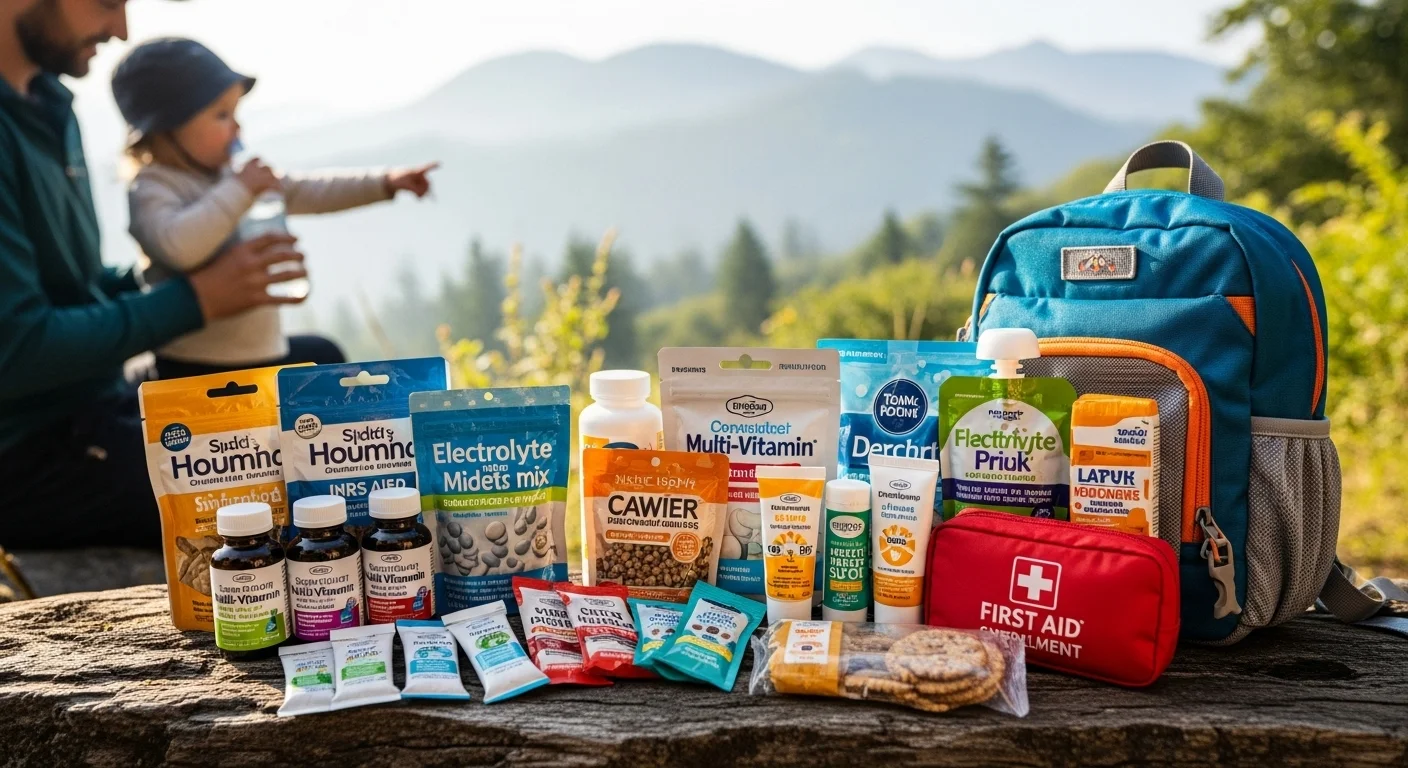
Understanding Toddler Nutritional Needs
Importance of Nutrition for Toddlers
As a parent, I’ve come to realize how crucial proper nutrition is for toddlers. During this stage of rapid growth and development, little ones need a well-rounded diet to meet their energy requirements and support their physical, cognitive, and emotional health. I’ve seen firsthand how balanced nutrition can affect mood and behavior, especially during a long day of hiking. When toddlers are well-nourished, they tend to be happier, more active, and eager to explore their surroundings.
Nutrition plays a vital role in everything from building strong bones to supporting brain development. This is especially true when we’re out in nature, where they rely on their bodies to navigate trails and enjoy the fresh air. I remember a trip where my daughter, usually a little shy, became quite the adventurer after enjoying a nutritious breakfast. It was amazing to see her energy levels soar, and I couldn’t help but believe that the right food was a big part of that transformation.
Common Nutritional Deficiencies in Toddlers
Despite our best efforts, many toddlers face nutritional deficiencies. I’ve learned that some of the most common include iron, vitamin D, calcium, and omega-3 fatty acids. Iron deficiency can lead to anemia, which can make little ones feel tired and irritable. I’ve faced this issue with my son, who wasn’t a fan of meat. It was a challenge finding ways to sneak in iron-rich foods, like spinach, beans, and fortified cereals.
Vitamin D is another biggie. Many kids don’t get enough sunlight, especially if they’re indoors or during the winter months. I remember feeling anxious about this when we were on a camping trip in the fall, with shorter days and cloudier skies. It made me realize that sometimes a supplement might be necessary to keep their levels up.
It’s also important to acknowledge that toddlers can be picky eaters. I’ve often found my daughter gravitating toward carbs while ignoring fruits and veggies altogether. This is why education around nutrition is so critical. Understanding what deficiencies might be lurking under the surface can help us make better choices for our little adventurers. Learning tips for balanced diets can be beneficial in this regard.
Essential Supplements for Backpacking Toddlers
Multivitamins: Why They Matter
When my family started backpacking more regularly, I began to consider multivitamins as an essential part of our gear. They can be a safety net to ensure our kids get the necessary nutrients when we’re on the go. I’ve found that a good multivitamin can help fill in the gaps when our meals might not cover everything. For me, choosing a high-quality, kid-friendly multivitamin has been a game changer for our trips.
Vitamin D: Sunlight and Supplementation
While I love the idea of getting our vitamin D from the sun, I’ve learned that it’s not always feasible. During our first camping trip, I noticed how limited sunlight can be in the woods. That’s when I decided to incorporate vitamin D supplements into our routine. I’ve found that liquid forms are often easier for toddlers to take, and they seem to enjoy the taste. It’s comforting to know that we’re keeping their levels up, especially when we’re outside in the cooler months.
Omega-3 Fatty Acids: Support for Brain Development
Omega-3 fatty acids are another supplement I’ve come to appreciate. They’re critical for brain development, which is always on my mind as my kids are growing up. I’ve opted for fish oil supplements because they’re rich in DHA, which is essential for cognitive functions. I can’t tell you how many times I’ve seen my son focus better on tasks after including these in his diet. It feels good to know I’m supporting their brain health, especially when they need sharp minds for all those fun outdoor activities.
Probiotics: Gut Health on the Go
Travel can sometimes upset our stomachs, and toddlers are no exception. I’ve experienced this on various trips, with my daughter complaining about tummy aches after munching on different snacks. That’s when I started giving her probiotics. They help maintain gut health and can make a significant difference in how they feel while adventuring. I’ve noticed that when she takes probiotics, she’s much more comfortable and ready to explore. It’s amazing how a little gut support can make such a big difference!
Iron: Preventing Anemia in Active Kids
Iron is something I’ve become particularly attentive to since my son tends to avoid meat. I’ve learned that it’s essential for maintaining energy levels, especially when we’re hiking. To prevent anemia, I try to sneak in iron-rich foods like leafy greens and beans, but I’ve also introduced iron supplements. They’ve been a lifesaver, ensuring he gets the necessary amount, particularly during our more strenuous backpacking trips.
Choosing the Right Supplements
Consulting with Pediatricians
Choosing the right supplements for our toddlers can be a bit overwhelming, but I’ve found that consulting with our pediatrician is a great first step. It’s comforting to hear a professional’s opinion, especially when it comes to our children’s health. I remember sitting down with our doctor and discussing my concerns about my son’s iron levels. The pediatrician not only helped me understand the importance of iron but also recommended specific brands that would be gentle on his stomach. It’s reassuring to have that guidance, and I think every parent should consider reaching out to their child’s doctor before introducing new supplements. They can provide tailored advice based on individual dietary needs and health conditions.
Reading Labels: What to Look For
Once I had the green light from our pediatrician, I realized that reading labels became an essential part of the supplement selection process. I’ve learned that not all supplements are created equal. When I pick up a bottle, I look for a few key things: the presence of essential vitamins and minerals, no artificial colors or flavors, and that the ingredients are organic when possible. I remember being drawn to a multivitamin that looked appealing, but when I checked the label, it was loaded with sugar. I quickly put it back on the shelf! I think it’s important for us as parents to be vigilant about what we’re giving our kids. The right choices can make all the difference, so I take my time to find high-quality options that align with our family’s values.
Age-Appropriate Dosages
Another crucial factor I’ve come to understand is ensuring that we’re giving age-appropriate dosages. I remember feeling a bit uneasy when I first started giving my kids supplements. I wanted to do the right thing, but I also didn’t want to overdo it. That’s when I learned that many labels provide clear dosage instructions based on age. For me, it’s essential to follow these guidelines closely. I’ve found that sticking to the recommended amounts not only keeps things safe but also helps create a routine. That way, we can make sure our little ones are getting just what they need without any worry.
Practical Tips for Backpacking with Supplements
Travel-Friendly Supplement Packaging
As we set out for our backpacking trips, I quickly noticed that packing supplements can be a unique challenge. I’ve experimented with different ways to keep everything organized and easy to access. One of my favorite solutions has been using small, stackable containers. They’re lightweight and make it simple to carry individual doses for each day. I usually label them with the vitamin name and dosage, which takes the guesswork out while we’re on the move. I’ve learned that having everything in one place helps reduce stress and makes it easier to keep track of what my kids need throughout our adventures.
Storing Supplements Safely While Hiking
When we’re on the trails, I’ve found that keeping supplements safe from heat and moisture is vital. I typically pack them in a small, insulated pouch to protect them from the elements. It’s also essential to store them in a place that’s easy to access during breaks. I’ve learned the hard way that fumbling through a packed backpack can lead to missed doses. So, I always keep the supplement pouch in an outer pocket of my pack. That way, it’s right at my fingertips when I need it, making it easier to incorporate into our hiking routine.
Integrating Supplements into Daily Routines
Integrating supplements into our daily routine has been a game changer for us. I’ve found that consistency is key, especially when we’re on the go. Before our backpacking trips, I try to establish a routine where we take supplements at the same time each day. For instance, I’ve made it a habit to give our multivitamins during breakfast. This helps my kids associate taking their vitamins with a positive mealtime experience, making them more willing to take them without fuss. I’ve noticed that when I make it a part of our daily ritual, it becomes second nature for them, which makes traveling that much smoother.
Safety Considerations
Identifying Allergies and Sensitivities
As I’ve learned more about nutrition and supplements, I’ve realized how important it is to be aware of any allergies or sensitivities my children might have. Before starting any new supplement, I always check ingredient lists for potential allergens. I remember a time when I was excited to try a new probiotic, but after reading the label, I noticed it contained a trace of dairy. My daughter is lactose intolerant, so I had to set that one aside. It’s always better to be safe than sorry, and I think being informed empowers us to make the best choices for our little ones.
Avoiding Over-Supplementation
Another concern I’ve faced is the risk of over-supplementing. With so many options available, it can be tempting to give everything at once, but I’ve learned that too much of a good thing can lead to problems. I always keep track of what I’m giving my kids and ensure that I’m not duplicating nutrients between different supplements. For example, some multivitamins already contain iron, so I’ve made it a habit to cross-reference everything before deciding to add anything new. Staying organized keeps me confident that I’m supporting their health without going overboard.
Recognizing Signs of Nutritional Imbalance
Finally, I’ve become more attuned to recognizing signs of nutritional imbalance. I pay attention to my kids’ energy levels, moods, and overall well-being. If I notice they’re more irritable or fatigued than usual, I take a step back to evaluate their nutrition. Sometimes it could be a sign that they need a little extra support. I remember a hiking trip when my daughter seemed unusually tired despite having plenty to eat. It prompted me to revisit her vitamin D levels, which led to tweaking her supplementation. Understanding these signs helps me be proactive rather than reactive, ensuring our adventures are enjoyable for everyone.
Alternatives to Supplements
Whole Foods for Nutritional Support
While I’ve found supplements helpful, I truly believe that whole foods should be the foundation of our toddlers’ nutrition. Fresh fruits, vegetables, whole grains, and lean proteins provide an array of vitamins and minerals that are essential for their growth. I try to pack a variety of colorful snacks when we’re out hiking. Oftentimes, I’ll include things like apple slices, carrot sticks, and whole-grain crackers. I’ve noticed that these tasty, crunchy snacks not only keep my kids happy but also help them feel energized as we traverse the trails.
On one memorable trip, I made a trail mix with nuts, dried fruits, and dark chocolate chips. To my surprise, it quickly became a favorite among my kids! I felt good knowing they were munching on something nutritious, and it provided them with a great energy boost. I’ve learned that including whole foods can ensure that my little ones are not just getting the nutrients they need but also enjoying the process of eating healthy. It’s all about finding that balance and making healthy choices fun!
Portable Healthy Snacks for Toddlers
When we’re on the move, having portable snacks is a lifesaver. I’ve experimented with various snacks over the years, and I’ve found that anything easy to pack and non-messy works best. I usually carry small containers or reusable bags filled with snacks that are not only nutritious but also toddler-approved. Some of our go-to options include whole-grain granola bars, yogurt bites, and cheese sticks.
During one of our backpacking trips, I discovered that freeze-dried fruits are not just lightweight but also a hit with the kids. They loved the crunchiness, and I felt relieved knowing they were getting some vitamins without the extra weight in my pack. I’ve also tried making homemade energy balls with oats, nut butter, and honey. These little bites are super easy to make and offer a great source of energy while we’re enjoying nature.
Another tip I’ve picked up is to involve my kids in prepping snacks for our trips. When they help pack their snacks, they’re often more excited to eat them. It becomes a fun part of our adventure preparation, and I think it helps them develop a positive relationship with healthy foods early on.
When to Start Supplementing Your Toddler
Signs Your Toddler May Need Supplements
Knowing when to start supplementing can be tricky. I’ve learned to look for specific signs that might indicate my kids need a little extra nutritional support. For instance, if I notice they seem more fatigued than usual or if their mood swings become frequent, I take a closer look at their diet. I remember a phase where my daughter became especially cranky. After some reflection, I realized she hadn’t been eating her usual fruits and vegetables. That prompted me to re-evaluate her nutrition and consider adding a multivitamin.
Changes in appetite are also important to monitor. If my kids start refusing certain food groups, like proteins or greens, I know it might be time to think about supplements. I’ve found that keeping an open dialogue with my kids about their eating habits has helped. Sometimes they’re just not hungry, and other times, they might genuinely lack interest in certain foods. Listening to their cues has guided me in deciding whether supplements are needed.
Timing Supplements Around Meals and Activities
When incorporating supplements, timing can make a significant difference. I’ve discovered that giving them during or after meals can improve absorption and minimize any potential stomach upset. For example, I like to give my kids their multivitamins with breakfast. It’s a routine that’s easy to remember, and they’re less likely to forget to take them when they’re part of our morning ritual.
Additionally, I’ve noticed that timing supplements around our activities can also be beneficial. Before a long hike, I make sure they’ve taken their iron and vitamin D. This way, I feel confident that they’re well-prepped for the adventure ahead. It makes a difference to know I’m supporting their nutritional needs right when they need it most!
Frequently Asked Questions
What are the most common nutritional deficiencies in toddlers?
The most common nutritional deficiencies in toddlers include iron, vitamin D, calcium, and omega-3 fatty acids. Iron deficiency can lead to anemia, while insufficient vitamin D can occur due to limited sunlight exposure, especially in winter.
Why are multivitamins important for backpacking toddlers?
Multivitamins can serve as a safety net to ensure toddlers receive the necessary nutrients when meals may not cover everything, especially during outdoor adventures where food options may be limited.
How can parents ensure toddlers receive enough vitamin D while camping?
Parents can ensure adequate vitamin D levels by incorporating supplements, especially in situations where sunlight exposure is limited, such as during camping trips in the woods or during colder months.
What role do omega-3 fatty acids play in toddler nutrition?
Omega-3 fatty acids are critical for brain development in toddlers. They can be found in fish oil supplements, which are rich in DHA, essential for cognitive functions.
What should parents consider when choosing supplements for their toddlers?
Parents should consult with pediatricians, read labels for essential vitamins and minerals, check for allergens, and ensure age-appropriate dosages to make informed decisions about supplements.
How can supplements be packed effectively for backpacking trips?
Supplements can be packed in small, stackable containers that are lightweight and organized. Labeling them with vitamin names and dosages helps keep track of daily needs while on the move.
What are some healthy snack options for toddlers while hiking?
Healthy snack options for toddlers while hiking include whole-grain granola bars, yogurt bites, cheese sticks, freeze-dried fruits, and homemade energy balls made from oats, nut butter, and honey.
When should parents consider starting supplements for their toddlers?
Parents should consider starting supplements if they notice signs like increased fatigue, frequent mood swings, or changes in appetite, particularly if their toddlers are refusing certain food groups.
How can parents integrate supplements into their toddlers’ daily routines?
Integrating supplements into daily routines can be done by giving them at the same time each day, such as during breakfast, to help toddlers associate taking them with positive mealtime experiences.
What safety considerations should be taken when supplementing toddlers?
Parents should be aware of any allergies and sensitivities by checking ingredient lists, avoid over-supplementation by tracking what their kids are taking, and recognize signs of nutritional imbalance to ensure their children’s health.