
Expecting a baby is a beautiful journey, but it can also come with its own set of challenges, especially when you’re on a budget. Thankfully, there are essential support systems available that can make this experience smoother and more enjoyable.
Understanding the Needs of Expecting Mothers
Physical and Emotional Support
When I first found out I was expecting, I quickly realized that pregnancy isn’t just about physical changes; it’s a rollercoaster of emotions too. I felt a mix of excitement and anxiety, and I knew I needed both physical and emotional support during this time. Physical support can range from proper healthcare, prenatal classes, or even just a good pair of shoes to accommodate my growing belly. Emotionally, I needed people to talk to—friends, family, or even other expecting mothers who could relate to what I was feeling. This blend of physical and emotional support is crucial for a healthy pregnancy, especially if you’re trying to balance everything on a budget. For instance, engaging in safe exercises for expecting mothers can enhance both physical and emotional well-being.
Financial Considerations
Money can be a significant source of stress during pregnancy. I remember sitting down with my partner and going through our finances, trying to figure out how we could manage the costs of bringing a new life into the world. We realized it was essential to budget for prenatal appointments, baby gear, and any unexpected expenses that came our way. I learned to prioritize and find ways to save money, like shopping for baby items during sales or using coupons. Involving my partner in this process not only lightened my load but also allowed us to plan together, creating a shared responsibility that brought us closer.
Healthcare Support on a Budget
Finding Affordable Prenatal Care
Finding affordable prenatal care was one of the most daunting tasks for me. I started by researching local clinics and hospitals to see what my options were. I discovered that many medical providers offer sliding scale fees based on income. This was a game-changer for us. I also learned that some clinics have special programs for expecting mothers that include prenatal vitamins and regular check-ups at little to no cost. I felt relieved knowing I didn’t have to compromise on my health due to financial constraints.
Community Health Clinics
Community health clinics became my go-to resource. These clinics often provide comprehensive care for expecting mothers at reduced costs. I remember walking into my local clinic for the first time, feeling a mix of nerves and hope. The staff was welcoming and understanding, which made the experience much more comforting. They offered everything from prenatal check-ups to parenting classes, all within a supportive community atmosphere. I found it to be a wonderful way to connect with other mothers and share experiences, which eased my anxiety about pregnancy.
Insurance Options for Expecting Mothers
If you have health insurance, it’s worth diving into your policy to understand what it covers for prenatal care. I initially felt overwhelmed by the insurance jargon, but I reached out to my provider for clarification. They helped me understand the benefits available to me, including free screenings and tests. If you don’t have insurance, don’t hesitate to explore options like Medicaid, which can provide coverage for prenatal care depending on your income level. Knowing you have the right support can be incredibly reassuring as you prepare for your baby’s arrival.
Nutrition and Wellness Resources
Budget-Friendly Prenatal Vitamins
Navigating nutrition during pregnancy can feel daunting, especially with the added pressure of finding budget-friendly options. I quickly learned that prenatal vitamins are essential for both my health and my baby’s development. I found that many pharmacies offer generic brands at a fraction of the cost, which provided the same nutrients as more expensive brands. I also learned to look for sales and use coupons whenever possible. It turned out that a little planning could go a long way in ensuring I was getting the nutrients I needed without breaking the bank.
Healthy Eating on a Budget
Eating healthy while expecting doesn’t have to be expensive. I discovered that planning meals ahead of time not only saved me money but also made sure I was eating well. I started meal prepping on weekends, which allowed me to buy in bulk and reduce food waste. I found that focusing on whole foods—like fruits, vegetables, grains, and proteins—was not only healthier but often cheaper than processed foods. I also joined a local co-op, which offered fresh produce at lower prices. Eating well during pregnancy became a fun challenge, and I loved discovering new recipes along the way.
Accessing WIC and Other Nutritional Programs
The Special Supplemental Nutrition Program for Women, Infants, and Children (WIC) was another valuable resource I stumbled upon. WIC offers assistance with food and nutrition education for low-income pregnant women and new mothers. I attended a WIC orientation and was pleasantly surprised by the support available. They provided vouchers for healthy food options, which helped me immensely. If you think you might qualify, I recommend checking out your local WIC office. The benefits can really lighten the financial load during pregnancy.
Emotional and Mental Health Support
Support Groups for Expecting Mothers
During my pregnancy, I quickly discovered how vital emotional support can be. I felt a bit isolated at times, so I sought out support groups for expecting mothers. I remember attending my first meeting at a local community center, feeling nervous but hopeful. Being in a room filled with women who were going through similar experiences was eye-opening. We shared our fears, joys, and everything in between. It felt liberating to connect with others who understood the ups and downs of pregnancy. These groups often provided not just emotional support but also practical advice on everything from baby showers to birthing plans. I really believe that having a network of women to lean on made my journey more manageable and enriched my experience. For those struggling with emotional challenges, coping with mood swings can be an essential part of the journey.
Online Resources and Helplines
As technology has advanced, I found that online resources became an invaluable part of my support system. I stumbled upon several websites and forums dedicated to expecting mothers, offering a wealth of information. I found myself browsing through articles, watching videos, and even participating in online discussions. What surprised me the most was the number of helplines available for expecting mothers. These services provided immediate access to counseling and support from trained professionals. Whenever I felt overwhelmed, I could reach out and talk to someone who understood what I was going through. I encourage other expecting mothers to explore these online resources; they can be a lifeline during challenging moments.
Budget-Friendly Counseling Options
Even with support groups and online resources, there were times when I felt I could benefit from one-on-one counseling. To my relief, I found several budget-friendly options available in my area. Many community mental health centers offer sliding scale fees based on income. I scheduled a few sessions with a counselor who specialized in maternal mental health, and it turned out to be incredibly beneficial. Talking through my feelings and experiences helped me process everything and gave me tools to manage my emotions better. I learned that taking care of my mental health was just as important as my physical health during this time. Additionally, understanding hormonal shifts in pregnancy can help with emotional balance.
Physical Support Systems
Safe Exercise Routines for Expecting Mothers
Staying active was another essential part of my pregnancy journey. I’ve always enjoyed exercising, but I was unsure how to adapt my routine for pregnancy. I started by looking into safe exercise routines designed specifically for expecting mothers. I remember finding a few YouTube channels dedicated to prenatal workouts, and they became my go-to. I tried gentle yoga stretches, low-impact aerobics, and even some strength training with light weights. Not only did it help me manage my weight, but it also boosted my mood and helped me feel connected to my body. I loved the idea of moving in a way that felt good while also being mindful of my changing body.
Affordable Prenatal Yoga Classes
Alongside my online workouts, I sought out local prenatal yoga classes. I found a studio nearby that offered classes specifically for pregnant women at a reasonable price. Attending these classes was an incredible experience. We practiced breathing techniques, gentle stretches, and relaxation exercises that I found immensely helpful. The instructor fostered a supportive environment where everyone felt safe to share their experiences. I made some lovely friends in those classes, and we often exchanged tips and resources. I highly recommend looking for local studios that offer discounts for expecting mothers—it was worth every penny.
Online Fitness Programs
If going to a studio isn’t feasible for you, I learned that many online fitness programs cater to expecting mothers. I found a subscription service that offered a variety of prenatal workouts, and the convenience of exercising from home was a game-changer for me. It allowed me to fit in a workout whenever I had time, whether it was early in the morning or late at night. I appreciated that I could choose routines based on my energy level and mood. Plus, some of these programs included community features where I could interact with other expecting mothers. It felt comforting to share my progress and challenges with others on the same path.
Social Support Networks
Building a Supportive Community
One of the most important lessons I learned during my pregnancy was the value of building a supportive community. I took the time to reach out to friends and family, sharing my journey and asking for their support. I started a group chat with my closest friends, where we could share daily updates, pregnancy tips, and even funny moments. I realized that even those who weren’t moms themselves could offer support in their own ways. Just having people to talk to, whether it was about baby names or cravings, made a big difference. I genuinely believe that surrounding myself with a supportive network enriched my experience and helped me navigate the challenges more easily.
Utilizing Family and Friends
My family and friends were incredible throughout my pregnancy. I opened up about my needs and expectations, and they stepped up to help in amazing ways. My sister organized a baby shower, turning it into a fun celebration filled with laughter and love. My mom offered to help me set up the nursery, providing both emotional and physical support. Whenever I felt overwhelmed, I knew I could call a friend or family member to talk. I learned that accepting help is not a sign of weakness but rather a way to strengthen bonds with loved ones during this special time.
Online Forums and Social Media Groups
Lastly, I discovered the power of online forums and social media groups dedicated to expecting mothers. These platforms became a source of encouragement and wisdom. I joined a few Facebook groups where members shared their experiences, advice, and even struggles. I found solace in knowing I wasn’t alone and that others were navigating similar hurdles. It was empowering to connect with women from different backgrounds who could offer support and share resources. I found myself participating actively, offering advice when I could, and it created a sense of camaraderie that I cherished.
Financial Assistance Programs
Government Assistance Programs
One of the most hopeful discoveries during my pregnancy was the range of government assistance programs available for expecting mothers. I learned about programs like Medicaid, which offers healthcare coverage based on income, making prenatal care more accessible for many families. I remember feeling a wave of relief when I realized that I could qualify for assistance, allowing me to prioritize my health and my baby’s without the constant worry about costs. Another program that caught my attention was the Temporary Assistance for Needy Families (TANF), which provides financial help to families in need. Applying for these programs was straightforward, and I found the support staff at my local office to be incredibly helpful and understanding, which made the process less intimidating.
Non-Profit Organizations Offering Support
In my quest for financial support, I stumbled upon several non-profit organizations dedicated to assisting expecting mothers. Organizations like the March of Dimes offer resources and support for maternal and child health. They have local chapters that provide educational materials, financial assistance, and even workshops that can help ease the burden of expenses. I attended a workshop where I met other moms, shared experiences, and learned about budgeting effectively during pregnancy. I found that these organizations not only offered financial help but also fostered a sense of community among expecting mothers, which I found invaluable.
Local Charities and Foundations
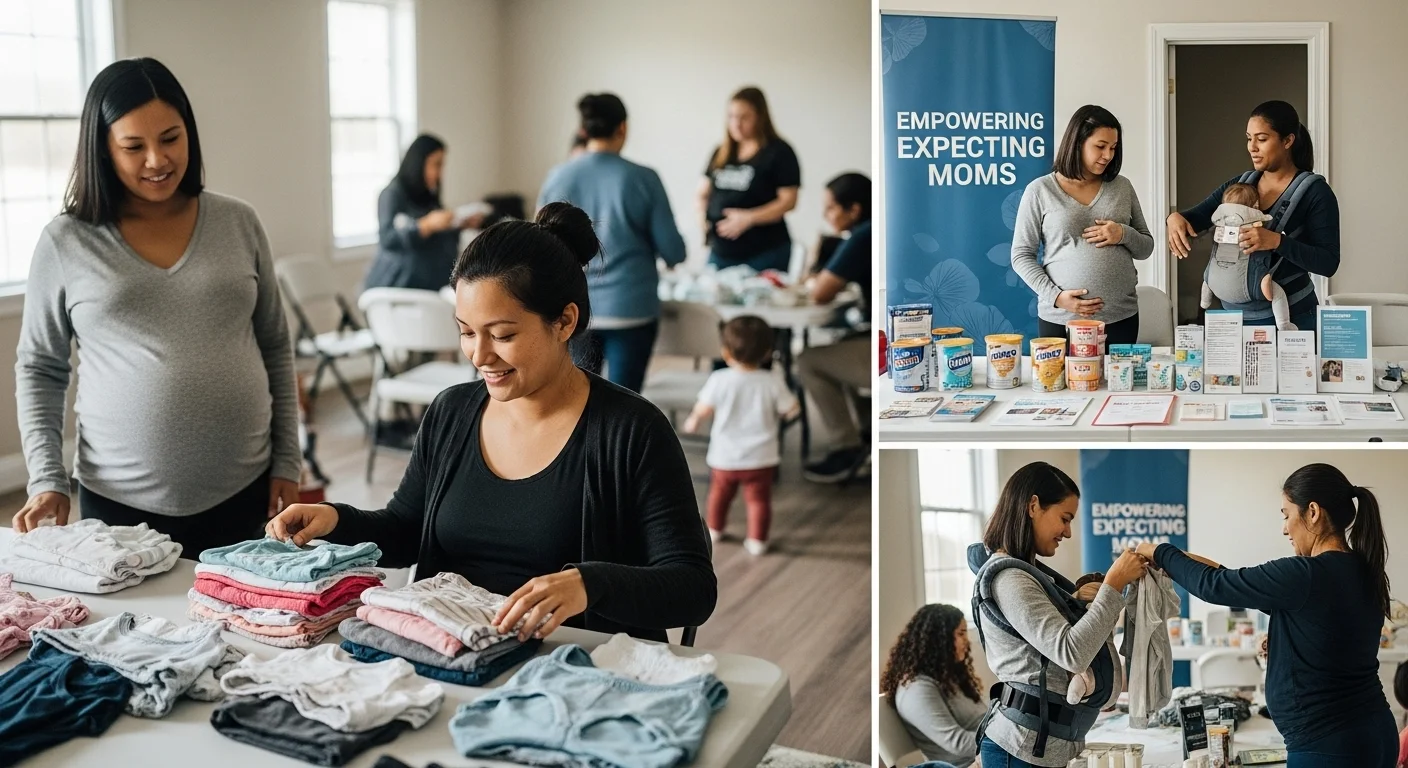
Beyond government programs and non-profits, I discovered that many local charities and foundations provide assistance specifically for families with newborns. I reached out to a local charity that offered baby supplies, including diapers, clothing, and even strollers. The experience was heartwarming; I felt supported by my community as they rallied to help families like mine. I found that many of these charities also host events where expecting mothers can come together, share advice, and access resources. I highly encourage anyone in need to look into their local charities, as you might be surprised by the wealth of support available right in your neighborhood.
Essential Baby Gear on a Budget
Finding Affordable Baby Supplies
Shopping for baby gear can be overwhelming, especially with all the options out there. I remember feeling a bit lost at first, but I quickly learned that there are plenty of ways to find affordable baby supplies without sacrificing quality. I started by making a list of essentials—things like a crib, stroller, diapers, and clothes. I found that major retailers often have sales, and signing up for their newsletters helped me stay in the loop about discounts. Additionally, I discovered websites that specialize in baby gear at reduced prices, which was a game-changer for my budget.
Buying Second-Hand vs. New
One of the biggest lessons I learned was the benefits of buying second-hand baby items. I’ve seen how quickly babies grow out of clothes and toys, so I figured why not save some money? I visited local thrift stores and consignment shops, and I was pleasantly surprised to find gently used items in excellent condition. I even found a beautiful crib that was hardly used, and it fit perfectly into my nursery! Of course, I did my research on safety standards, especially for cribs and car seats, to ensure everything was safe for my little one. I felt good knowing I was being budget-conscious while also being eco-friendly.
Community Swap Events and Freecycle Groups
Another fantastic resource I discovered was community swap events and Freecycle groups. These events are a wonderful way to connect with other expecting families and trade baby items. I attended a local swap event where parents brought items they no longer needed, and I was able to find some great gear for my baby. Not only did I get what I needed, but I also met other parents and shared tips and advice. If you haven’t looked into these options yet, I highly recommend it—they can be a fun way to get what you need while saving money.
Preparing for Birth and Postpartum Care
Budgeting for Birth Expenses
When it came to planning for the actual birth, I realized that budgeting was just as important. I started researching what costs I might incur—hospital fees, anesthesia, and even postpartum care. I was surprised to learn that some hospitals offer payment plans for those without insurance. I sat down with my partner, and we decided to create a detailed budget that included expected birth expenses. This transparency in our finances made us feel more prepared and less anxious as the due date approached.
Finding Affordable Maternity Leave Options
As I prepared for my baby’s arrival, I also had to think about maternity leave. I worked with my employer to understand my options for leave and whether I would receive paid time off. I learned that many companies have policies in place, but they can vary significantly. I found it helpful to talk with coworkers who had been through the process before. They offered advice on how to prepare for my leave and suggested ways to advocate for myself in terms of time off. Knowing I had options and support made a huge difference in how I approached this transition.
Postpartum Support Resources
Once my baby arrived, I quickly realized that postpartum care is just as crucial as prenatal care. I reached out to local organizations that offer postpartum support, including counseling, support groups, and resources for new mothers. I found that many hospitals and clinics host postpartum classes where new moms can come together, share experiences, and get advice. Connecting with other mothers during this time was invaluable; it made me feel less isolated and more empowered in my journey. I recommend looking into postpartum support resources in your area; they can truly make a world of difference during those early weeks.
Frequently Asked Questions
What types of support do expecting mothers need?
Expecting mothers need both physical and emotional support. This includes proper healthcare, prenatal classes, and emotional connections with friends, family, or other expecting mothers to help manage the rollercoaster of emotions during pregnancy.
How can expecting mothers manage financial stress?
Expecting mothers can manage financial stress by budgeting for prenatal appointments, baby gear, and unexpected expenses. Involving a partner in financial planning can also help share the responsibility and create a supportive environment.
What options are available for affordable prenatal care?
Affordable prenatal care can be found through local clinics and hospitals that offer sliding scale fees based on income. Some clinics have programs providing prenatal vitamins and regular check-ups at little to no cost.
How can expecting mothers eat healthy on a budget?
Expecting mothers can eat healthy on a budget by planning meals ahead of time, meal prepping, focusing on whole foods, and joining local co-ops for fresh produce at lower prices.
What resources are available for emotional support during pregnancy?
Emotional support can be found through support groups for expecting mothers, online resources and forums, and budget-friendly counseling options offered by community mental health centers.
What are some safe exercise options for expecting mothers?
Safe exercise options for expecting mothers include prenatal workouts available on YouTube, local prenatal yoga classes, and online fitness programs designed specifically for pregnant women.
How can expecting mothers build a supportive community?
Expecting mothers can build a supportive community by reaching out to friends and family, utilizing online forums and social media groups dedicated to pregnancy, and sharing experiences and resources with others in similar situations.
What government assistance programs are available for expecting mothers?
Government assistance programs for expecting mothers include Medicaid, which offers healthcare coverage based on income, and Temporary Assistance for Needy Families (TANF), which provides financial help for families in need.
How can expecting mothers find affordable baby supplies?
Expecting mothers can find affordable baby supplies by shopping during sales, signing up for retailer newsletters, visiting thrift stores and consignment shops, and participating in community swap events or Freecycle groups.
What postpartum support resources should new mothers consider?
New mothers should consider postpartum support resources such as counseling, support groups, and postpartum classes offered by local organizations and hospitals, which can provide valuable connections and advice during the early weeks after birth.