
Backpacking with toddlers can be an incredible adventure, especially when you understand their physical milestones. Let’s dive into how these milestones in physical development play a vital role in their development and how you can make the most of your outdoor experiences together.
Understanding Toddler Physical Milestones
What Are Physical Milestones?
Physical milestones are specific skills that children typically achieve at certain ages. They can be categorized into gross motor skills, which involve large movements, and fine motor skills, which involve smaller, more detailed actions. As a parent, I’ve found it fascinating to watch my child reach these milestones, each one marking a new chapter in their growth. It’s not just about checking boxes; it’s about witnessing their confidence and abilities blossom as they learn to navigate their world.
Importance of Tracking Milestones
Tracking these milestones is crucial for several reasons. First, it helps parents set realistic expectations and understand their child’s development pace. I remember when my little one was learning to walk; I felt a mix of pride and anxiety as I compared their progress to others. It’s natural to worry, but realizing that each child is unique can ease that pressure. Moreover, keeping an eye on these milestones can alert us to potential developmental delays. If a child is significantly behind their peers, it may be time to consult a pediatrician, which is a proactive step I encourage all parents to consider.
Key Physical Milestones for Toddlers
Gross Motor Skills
Gross motor skills are vital for a toddler’s physical development. These skills encompass the big movements that toddlers need for overall coordination and balance. I’ve seen my child develop these skills through play and exploration, which makes every outing feel like a mini-adventure.
Crawling and Cruising
The journey usually begins with crawling, a milestone that signifies not just physical strength but also curiosity. I remember the day my toddler crawled for the first time; it was a mix of joy and chaos as they explored every corner of the room. Once they master crawling, many toddlers start to cruise, which means they pull themselves up to stand and move along furniture. This phase is filled with excitement and, let’s be honest, a few bumps and falls. It’s all part of the learning process!
Walking Independently
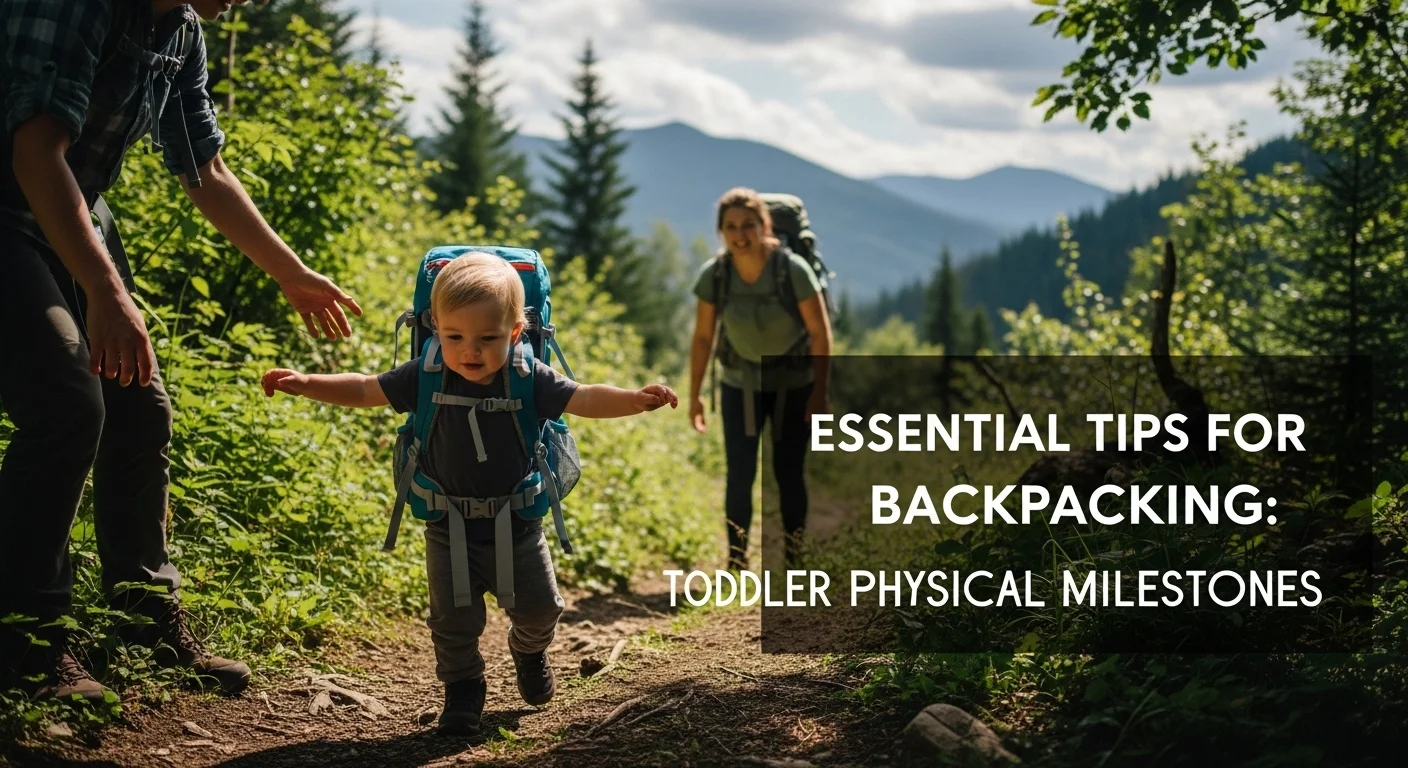
Walking independently is one of the most thrilling milestones for both toddlers and parents. I felt like I was cheering for a little champion the first time my child took those wobbly steps. This newfound freedom boosts their confidence and encourages them to explore their surroundings. With every step, I could see their excitement grow, and it made me realize how important it is to create safe spaces for them to practice their walking skills.
Running and Jumping
Once walking becomes second nature, toddlers usually move on to running and jumping. This phase can be a whirlwind. I’ve found myself chasing after my little one as they dart around the park, giggling with joy. Running and jumping help improve their coordination and balance, which are essential for more complex movements later on. Every time they leap or sprint, I see their physical confidence soar.
Fine Motor Skills
While gross motor skills are noticeable and often dramatic, fine motor skills are just as crucial. They involve the use of smaller muscles and are key to everyday tasks.
Grasping and Releasing Objects
Fine motor skills begin with simple actions like grasping and releasing objects. I remember being amazed at how my toddler could pick up small toys with their tiny fingers. This skill is foundational, paving the way for more complex tasks. Watching them learn to manipulate objects, from soft blocks to rattles, was a joy-filled experience.
Using Utensils
As toddlers grow, they start experimenting with utensils. I can’t tell you how proud I felt when my child first picked up a spoon and managed to feed themselves. It was messy, but it was also a wonderful moment of independence. This milestone not only enhances their fine motor skills but also encourages self-feeding, which is a crucial part of their development.
Building with Blocks
Building with blocks is another fantastic way for toddlers to refine their fine motor skills. I’ve spent countless afternoons with my toddler stacking blocks, sometimes watching them tumble down in laughter. This simple activity fosters creativity and spatial awareness while also allowing them to practice hand-eye coordination. It’s one of those moments I cherish—just the two of us, creating and playing together.
Backpacking with Toddlers: Preparing for the Journey
Choosing the Right Backpack
When it comes to backpacking with toddlers, selecting the right backpack is crucial. I learned this the hard way during our first family hiking trip. I had assumed any backpack would do, but I quickly realized that comfort and functionality are key. A good toddler carrier should not only be lightweight but also supportive for both the child and the adult carrying it. I remember trying a few different options, and finding one with padded straps made a world of difference. It felt like a hug for my shoulders, allowing me to focus on the adventure ahead rather than the strain of the pack.
Look for features like a sunshade, storage pockets for snacks and essentials, and adjustable straps for a proper fit. I also recommend testing the backpack with your toddler inside before the trip. This way, both you and your little one can get accustomed to it. We had a little trial run around the yard, and it was a bonding experience that got my toddler excited about our upcoming hike.
Essential Gear for Toddler Comfort
Comfort is everything when you’re out exploring with a toddler. I’ve learned that packing the right gear can make or break our adventures. For instance, dressing them in layers has been a lifesaver. I remember one hike where we started in a chilly morning breeze, and by midday, it was warm and sunny. Having the ability to peel off layers kept my toddler comfortable and happy.
Footwear is another critical component. I found that sturdy, well-fitting shoes helped my child navigate uneven terrain without fuss. We invested in a good pair of hiking boots that provided support and protection. In addition, bringing along a few comfort items, like a favorite blanket or a beloved stuffed animal, can create a sense of security in a new environment.
Snacks are also crucial! I always pack a variety of healthy, portable snacks that my toddler loves, which not only keeps their energy up but also provides moments of rest where we can enjoy the scenery together. I’ve found that taking breaks to refuel keeps our spirits high and gives us a chance to bond over our surroundings. Read Interesting article: Cognitive Milestones: Travel Ideas for Your Toddler’s Development
Health and Safety Considerations
Health and safety are paramount when embarking on a backpacking trip with toddlers. I’ve learned to plan ahead and be mindful of our surroundings. Before we head out, I always check the weather and trail conditions. This helps me prepare for any challenges we might face along the way. Carrying a small first-aid kit has been essential for us. I’ve stocked ours with band-aids, antiseptic wipes, and any necessary medications. Just knowing I have that extra layer of security makes me feel more at ease.
Staying hydrated is another key aspect I can’t stress enough. I make sure to bring a water bottle for my toddler and encourage them to sip regularly. I remember one hike where I got so caught up in the excitement that I forgot to offer my child water, and they became cranky and tired. A little prevention goes a long way, and I’ve learned to keep an eye out for signs of dehydration, especially on warmer days.
Always keep an eye on your toddler’s energy levels and mood. Children can get overwhelmed easily, especially in new environments. Taking breaks and being flexible with plans can really pay off. I’ve found that letting my toddler lead the way at times—choosing the next spot to explore—has not only boosted their confidence but also turned our hikes into adventures filled with joy.
Supporting Physical Development While Backpacking
Encouraging Active Play
One of the beautiful things about backpacking is the opportunity for active play. I’ve noticed that toddlers are naturally curious and active, and being in nature provides the perfect backdrop for exploration. I try to incorporate play into our hiking routine by allowing my child to explore at their own pace. I find that stopping to climb over logs, jump from rock to rock, or even splash in a creek turns our hike into an adventure rather than just a walk.
In my experience, this kind of active play not only provides exercise but also fosters their gross motor skills. I’ve seen them develop balance and coordination without even realizing they’re working on it. It’s all about making the journey enjoyable and engaging, and I think that’s what makes every outing special. Sometimes, we even bring along a small ball or a frisbee to play with during breaks, which adds an extra layer of fun.
Incorporating Milestone-Friendly Activities
Incorporating activities that promote physical milestones can enhance our outdoor experiences. I’ve discovered that simple activities like building small rock towers or collecting sticks for a nature collage can help develop fine motor skills while being creative. It’s amazing how toddlers can turn everyday items into imaginative tools for play.
Obstacle Courses
Setting up mini-obstacle courses along the trail has been a hit with my toddler. I’ll create challenges using natural elements like logs to balance on, rocks to jump over, or even patches of dirt to crawl through. It transforms our hike into a physical adventure that promotes gross motor skills while ensuring we have a blast. I love watching their eyes light up as they tackle each obstacle, and it gives them a sense of accomplishment.
Nature Walks
Finally, nature walks can be a fantastic way to support physical development. I’ve made it a point to slow down and let my toddler take in their surroundings. We often stop to observe bugs, collect interesting leaves, or point out different birds. These moments not only enhance their fine motor skills through handling various objects but also nurture their curiosity and appreciation for nature. I believe there’s something magical about watching toddlers connect with the world around them, and it makes every outing unforgettable. Read Interesting article: Backpacking with Toddlers: Mastering Emotional Ups and Downs
When to Seek Professional Guidance
Recognizing Delays in Milestones
As I’ve navigated the world of parenting, I’ve learned that while every child develops at their own pace, there are certain signs that can indicate potential delays in physical milestones. It’s something that every parent should keep an eye on, though it can feel daunting at times. I remember feeling a mix of concern and uncertainty when I noticed my child was not quite keeping up with their peers in certain areas. For instance, if your toddler isn’t crawling by 12 months or walking by 18 months, it might be time to take a closer look.
Other signs could include difficulty with grasping objects or a lack of interest in physical play. I’ve found that being vigilant about these developmental markers can help me ensure my child is on track. In my case, I started noting down my toddler’s milestones and comparing them with general guidelines, which helped me feel more in control and informed. If you ever feel uneasy about your child’s progress, it’s always better to consult a professional rather than let worries linger.
Consulting Pediatricians
When it comes to seeking guidance, I wholeheartedly recommend consulting a pediatrician if you have any concerns about your toddler’s physical development. I remember the day I took my child in for their check-up and brought up my observations about their crawling and walking. The pediatrician was incredibly reassuring and provided me with valuable insights into what to expect as my child grew. They explained that every child is unique, and while milestones are helpful indicators, they shouldn’t be seen as strict deadlines.
If the pediatrician notices any significant delays, they might suggest further evaluations or refer you to specialists who can provide additional support. I found this process enlightening, as it opened up avenues for potential therapies or activities that could aid my toddler’s development. Remember, there’s no shame in seeking help. In fact, it shows that you’re proactive about your child’s health and well-being.
Resources for Parents
Books on Toddler Development
As a parent, I’ve discovered that reading about toddler development can be incredibly helpful. There are numerous books out there that provide insights into what to expect at each milestone and how to encourage growth. One of my favorites is “The Whole-Brain Child” by Daniel J. Siegel and Tina Payne Bryson. It gives practical advice on nurturing a child’s development through understanding the brain’s growth. I often refer back to it when I want to find new ways to engage my toddler during our outdoor adventures.
“What to Expect the Toddler Years” is another great resource. It covers a wide range of topics, from developmental milestones to practical parenting tips. I remember flipping through its pages and highlighting sections that resonated with me, especially those related to physical development. Having a solid foundation of knowledge can make a significant difference in how we approach our children’s growth.
Online Communities and Forums
In today’s digital age, online communities have become a treasure trove of support for parents. I’ve found comfort and camaraderie in forums where parents share their experiences and challenges. Websites like BabyCenter and What to Expect have dedicated sections for discussions around milestones and child development. I often participate in these discussions, sharing my own experiences while also learning from the journeys of others. These communities foster a sense of belonging, reminding us that we’re not alone in this parenting adventure.
Social media platforms also host groups focused on parenting. I joined a Facebook group specifically for parents of toddlers, where we swap tips, advice, and resources. It’s been eye-opening to see that other parents face similar challenges, and I’ve picked up some fantastic ideas for activities to do with my toddler. I feel a sense of relief knowing I can reach out to others whenever I have a question or need support.
Professional Organizations and Websites
There are also many professional organizations dedicated to child development that provide valuable resources for parents. The American Academy of Pediatrics (AAP) is one such organization that offers guidance on various aspects of child health and development. Their website is filled with articles and resources that can inform parents about what to expect at different stages, including physical milestones.
Another excellent resource is the CDC’s “Milestone Tracker” app. I downloaded it to keep track of my toddler’s progress, and I’ve found it helpful in monitoring their growth. The app allows you to log milestones and even offers checklists to help you stay informed. It’s reassuring to have a tool that reminds me of what to look for and encourages me to celebrate each achievement, no matter how small.
As parents, we all want the best for our children. By staying informed and recognizing when to seek help, we can ensure our toddlers are supported in their developmental journey. Remember, it’s okay to reach out for guidance—there’s a whole community ready to support us on this beautiful adventure. Every step counts, and each experience we share together is a building block for their future.
Frequently Asked Questions
What are physical milestones in toddlers?
Physical milestones are specific skills that children typically achieve at certain ages. They can be categorized into gross motor skills, which involve large movements, and fine motor skills, which involve smaller, more detailed actions.
Why is it important to track physical milestones?
Tracking physical milestones is crucial as it helps parents set realistic expectations and understand their child’s development pace. It can also alert parents to potential developmental delays, prompting them to consult a pediatrician if needed.
What are gross motor skills?
Gross motor skills are vital for a toddler’s physical development and encompass the big movements that toddlers need for overall coordination and balance, such as crawling, walking, running, and jumping.
How can I encourage my toddler to explore outdoors?
Encouraging active play during outdoor adventures can help toddlers explore at their own pace. Stopping to climb over logs, jump from rock to rock, or splash in a creek can turn a hike into an exciting adventure.
What should I consider when choosing a backpack for toddler hiking?
When selecting a backpack for hiking with toddlers, look for comfort and functionality. Features like padded straps, sunshade, storage pockets, and adjustable straps are essential. It’s also helpful to test the backpack with your toddler before the trip.
What type of gear is essential for keeping toddlers comfortable while backpacking?
Essential gear for toddler comfort includes dressing them in layers, providing sturdy footwear, and bringing comfort items like a favorite blanket or stuffed animal. Packing healthy snacks is also important to keep their energy up.
When should I consult a pediatrician about my toddler’s development?
If you notice signs of potential delays in physical milestones, such as not crawling by 12 months or walking by 18 months, it may be time to consult a pediatrician for guidance.
What activities can help toddlers develop fine motor skills while outdoors?
Incorporating activities like building small rock towers, collecting sticks for crafts, or setting up mini-obstacle courses can help develop fine motor skills in a fun and engaging way during outdoor experiences.
What are some recommended resources for parents to learn about toddler development?
Resources for parents include books like “The Whole-Brain Child” and “What to Expect the Toddler Years,” as well as online communities, forums, and professional organizations like the American Academy of Pediatrics.
How can nature walks support a toddler’s physical development?
Nature walks allow toddlers to take in their surroundings, observe nature, and handle various objects, which enhances their fine motor skills and nurtures their curiosity and appreciation for the environment.