
Creating a sleep routine for your newborn can feel overwhelming, but it’s essential for both you and your little one. With the right tips and understanding, you’ll be on your way to a more restful home. Read Interesting article: Mastering Newborn Sleep: Establishing Routines for Success
Understanding Newborn Sleep Patterns
As a new parent, I quickly learned that understanding my baby’s sleep patterns was crucial. Newborns have unique sleep cycles that differ significantly from ours. They don’t sleep in long stretches like adults; instead, they drift in and out of sleep throughout the day and night. This understanding shaped our approach to creating a sleep routine.
The Sleep Cycle of Newborns
Newborns typically sleep around 14 to 17 hours a day, but not all at once. Their sleep cycle consists of short periods of deep sleep and light sleep. I remember being surprised to find out that newborns can only stay awake for about 45 to 60 minutes at a time before needing to sleep again. This means that as parents, we must pay close attention to our baby’s cues for sleepiness, which can include yawning, rubbing eyes, or becoming fussy. For me, recognizing these signs and acting on them was a game-changer in managing sleep.
Common Sleep Behaviors
Newborns also have some common sleep behaviors that can be puzzling. Many babies experience what’s called the “startle reflex,” where they suddenly jerk their arms or legs as they drift into sleep. I initially thought my baby was waking up, but I soon realized it was just part of their process. Some babies might also grunt or make little noises while asleep, which is entirely normal. It’s important to note that these behaviors will typically decrease as they grow older.
Establishing a Sleep Routine
Once I grasped the basics of my newborn’s sleep patterns, I felt more empowered to establish a sleep routine. This has not only helped our baby settle down but has also given me and my partner a sense of structure during those chaotic early weeks.
Why a Sleep Routine is Important
Creating a sleep routine is essential for several reasons. First, it helps signal to your baby that it’s time to wind down. For us, having a consistent routine indicated to our baby that bedtime was approaching, which made the transition smoother. I also believe that a predictable routine provides comfort and security to newborns. It’s a way of saying, “You are safe, and it’s time to rest.” Over time, we found that our baby started to associate specific activities, like a warm bath or soft music, with sleep, making the process easier. Read Interesting article: Essential Feeding Schedules for Newborns: A Complete Guide
When to Start a Sleep Routine
Many experts recommend starting a sleep routine as early as a few weeks after birth. I remember reading that even at a young age, babies can sense patterns in their environment. We began by creating a simple routine that included dimming the lights, softly singing a lullaby, and cuddling before placing our baby in the crib. It felt a bit awkward at first, but gradually, it became a cherished part of our day. Establishing this routine early helped our baby sleep longer and more soundly, which was a relief for us as new parents.
Creating the Ideal Sleep Environment
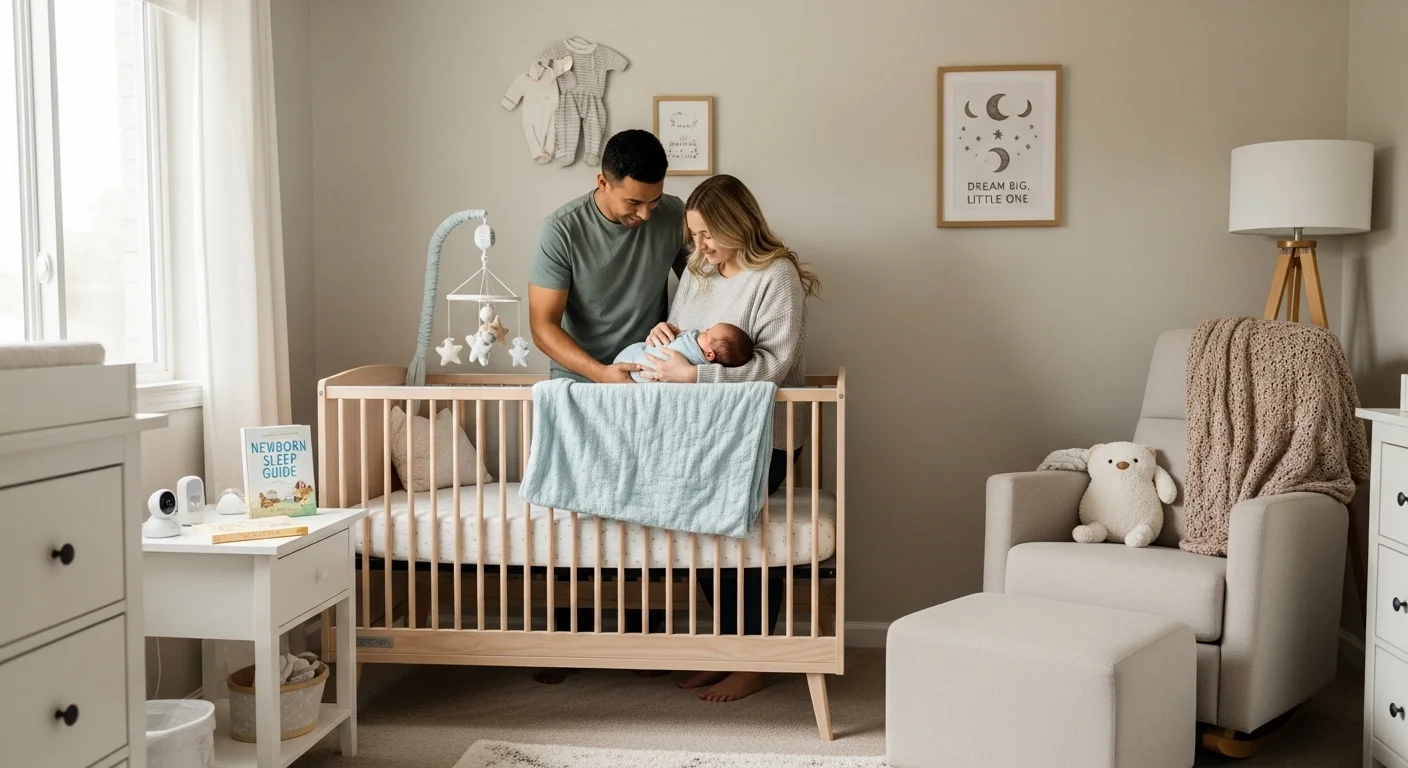
Creating the right sleep environment was another crucial step in our journey. I realized that the space where my baby sleeps could significantly impact their rest. We made a few adjustments that worked wonders.
Optimal Room Temperature
Keeping the nursery at an optimal temperature is vital. Newborns are sensitive to heat and cold. I found that maintaining a temperature between 68°F and 72°F (20°C to 22°C) was ideal. We used a room thermometer to help monitor the temperature, which eased my mind about whether my baby was comfortable. I remember feeling much more relaxed knowing that the environment was right for sleep.
Lighting and Noise Control
Lighting is another factor to consider. I learned that dim lighting signals to my baby that it’s time to sleep. We invested in blackout curtains to keep the nursery dark during nap times. Additionally, controlling noise levels was key. While I loved the idea of a quiet space, I discovered that my baby actually responded well to soft background noise. We tried using a white noise machine, which mimicked the sounds of the womb and helped drown out any sudden noises from the rest of the house.
Safe Sleep Practices
Lastly, it’s crucial to prioritize safe sleep practices. I remember hearing so much about the importance of placing babies on their backs to sleep, using a firm mattress, and avoiding soft bedding and toys in the crib. These guidelines helped me feel more secure about my baby’s sleep environment. I found it reassuring to know that following these practices was a significant way to keep my newborn safe while they slept.
Embarking on the journey of establishing a sleep routine for my newborn was both challenging and rewarding. I learned so much about their sleep patterns and how to create an environment conducive to rest. In the next sections, I’ll share more tips on key components of a sleep routine, techniques to help newborns sleep, and how to monitor and address sleep challenges. Stay tuned for those insights! Read Interesting article: Expert Tips to Tackle Newborn Feeding Challenges Effectively
Key Components of a Sleep Routine
As I delved deeper into creating a sleep routine for my newborn, I realized there were several key components that could make the process smoother and more effective. Each element played a unique role in helping our baby understand when it was time to wind down and prepare for sleep. Here are the components that worked best for us.
Consistent Bedtime and Wake Time
Establishing a consistent bedtime and wake time was one of the most impactful changes we made. I noticed that when we stuck to a regular schedule, our baby seemed to fall asleep faster and wake up in a better mood. We aimed for a set bedtime, which was around the same time every night. This predictability helped our little one learn when to expect sleep, creating a sense of security. I found it helpful to keep a flexible approach during the day, but I made sure that the bedtime routine remained consistent. It felt rewarding to see our baby respond positively to this structure.
Pre-Sleep Activities
Incorporating calming pre-sleep activities was another essential part of our routine. I discovered that the way we prepared for sleep could significantly influence our baby’s transition into rest. We started with a warm bath, which not only helped to relax our baby but also signaled that bedtime was approaching. After the bath, we would read a short story or sing gentle lullabies. These simple activities became a treasured time for bonding and helped establish a calm atmosphere. I think creating this wind-down period made the entire process much more enjoyable for both our baby and us.
Feeding and Sleep Associations
Feeding and sleep associations were also worth considering. I learned that many babies naturally associate feeding with sleep, as nursing or bottle-feeding often leads to drowsiness. In our case, we found that feeding right before bedtime worked well. It became a comforting ritual for our baby, preparing them for slumber. However, I also recognized the importance of ensuring that our baby could fall asleep independently. I aimed to put our little one down when they were drowsy but still awake, allowing them to learn how to self-soothe and drift off without needing to be fed to sleep. Balancing these associations took some time, but I believe it made a significant difference in our baby’s sleep habits.
Techniques to Help Newborns Sleep
While creating a routine was essential, I also discovered several techniques that could help our newborn sleep better. These strategies became invaluable tools in my parental toolkit, especially during those sleepless nights.
Swaddling Techniques
Swaddling was a game-changer for us. I remember the first time I swaddled my baby; it felt like wrapping them in a cozy hug. Swaddling mimics the feeling of being in the womb, which can be incredibly soothing for newborns. I learned how to do it safely, ensuring that the swaddle wasn’t too tight around the hips, allowing for healthy development. As our baby began to associate swaddling with sleep, I noticed they would settle down more quickly. It became a comforting ritual that signaled it was time to sleep.
Use of White Noise Machines
Another effective technique was the use of a white noise machine. I wasn’t sure about it at first, but after trying it out, I found that it worked wonders. The consistent sound mimicked the sounds of the womb and helped to drown out any sudden noises that might wake our baby. We placed the machine in the nursery and set it to a gentle hum. It created a calming atmosphere, and I was amazed at how quickly our baby responded. I believe that this simple addition made a significant difference in promoting longer sleep stretches.
Gentle Rocking and Soothing Methods
Lastly, gentle rocking and soothing methods played a big role in helping our baby settle down. I discovered that a little movement often helped to calm them when they were fussy. I would gently rock our baby in my arms or use a baby swing. I found that rhythmic, gentle motions could ease them into sleep. Additionally, I adopted some soothing techniques like patting our baby’s back or softly shushing them. These methods were effective in creating a relaxing environment and helping our little one transition into sleep more smoothly.
Monitoring Sleep Patterns
As we continued to refine our sleep routine, I learned the importance of monitoring our baby’s sleep patterns. Keeping track of their sleep habits helped us make necessary adjustments and ensure they were getting the rest they needed.
Signs of Sleep Readiness
Recognizing the signs of sleep readiness became crucial. I paid close attention to our baby’s behavior, such as rubbing their eyes, losing interest in toys, or becoming fussy. These cues signaled that it was time for a nap or bedtime. I found it helpful to keep a log of when our baby slept and for how long. This not only helped us identify patterns but also allowed us to anticipate when they might be ready for sleep. It felt empowering to understand their needs better and respond accordingly.
Tracking Sleep Progress
Tracking sleep progress was another essential aspect of our journey. I started using a simple app on my phone to log our baby’s sleep and wake times, which helped me visualize their patterns over time. I could see when our baby was sleeping longer stretches and when they needed more support. This data was invaluable in adjusting our routine to better suit their needs. I believe that monitoring sleep patterns allowed us to create a more tailored approach, enhancing our overall experience as new parents.
Addressing Sleep Challenges
As I navigated the sleep routine journey with my newborn, I quickly realized that even the best plans can hit a few bumps in the road. Sleep challenges are common, and I found that knowing how to address them made a significant difference in our experience. Here are some challenges I encountered and how I managed them.
Dealing with Sleep Regression
One of the biggest surprises for me was the concept of sleep regression. I remember when my baby seemed to be sleeping well, only to suddenly start waking up more frequently during the night. I learned that sleep regressions often occur at various developmental milestones, like when babies begin to roll over or sit up. It’s like their little brains are working overtime, and sleep can take a backseat during these phases.
To tackle sleep regression, I focused on sticking to our established routine as much as possible. It provided a sense of familiarity for both my baby and me. I also made sure to pay extra attention to their sleep signals. During these periods, I noticed that my baby might need a bit more soothing, so I incorporated extra cuddles and gentle rocking into our bedtime routine. I found that being patient and understanding during these regressions is essential. They are temporary phases, and I learned to trust that our sleep patterns would eventually stabilize again.
Common Sleep Disorders in Newborns
As we continued our sleep journey, I also became aware of potential sleep disorders that could affect newborns. While sleep issues are usually normal, I realized that some signs could point to something more serious. For example, I learned about conditions like sleep apnea, where a baby might pause breathing during sleep. I was vigilant about watching for any signs of distress, such as irregular breathing patterns or excessive fussiness during the day.
If I noticed anything concerning, I made sure to consult our pediatrician. They were incredibly helpful in guiding us through any potential issues and reassuring us about what was typical and what might need further attention. It’s so important to trust your instincts as a parent; if something feels off, don’t hesitate to seek advice. The peace of mind that comes from knowing your baby is healthy and safe is priceless.
Resources for New Parents
Throughout my journey, I discovered that having the right resources at my fingertips could make a world of difference. There are many books and expert opinions available that can help new parents navigate the challenges of newborn sleep.
Books on Newborn Sleep
I found several books on newborn sleep that provided valuable insights and practical tips. One of my favorites was “The Happiest Baby on the Block” by Dr. Harvey Karp. His techniques for calming newborns, including the “5 S’s,” were incredibly helpful. Reading real-life experiences from other parents also comforted me, reminding me that I wasn’t alone in facing these challenges.
Another book that I appreciated was “Sweet Sleep: Nighttime and Naptime Strategies for the Breastfeeding Family.” It offered a wealth of information about sleep while considering the unique aspects of breastfeeding. I often referred back to these books when I felt overwhelmed, and they became trusted companions in our parenting journey.
Consulting Pediatricians and Sleep Experts
In addition to books, I found that consulting with our pediatrician was invaluable. Regular check-ups became a great opportunity to discuss any sleep concerns or questions I had. I appreciated their insights and suggestions tailored specifically to our baby’s needs. I also discovered that some parents benefit from consulting sleep experts, who can provide personalized plans and support.
Joining parenting groups, both online and in-person, allowed me to connect with other new parents. Sharing experiences and learning from one another can be such a comforting and informative process. I’ve seen how a supportive community can help navigate the ups and downs of parenting, especially concerning sleep challenges.
By leveraging these resources, I felt more equipped to handle the various sleep challenges that came our way. The more I learned, the more confident I became in supporting my baby’s sleep needs, and in turn, my own well-being as a parent. In the next sections, I’ll share more about the importance of self-care for parents and tips for maintaining balance during this demanding yet rewarding time.
Frequently Asked Questions
What are typical sleep patterns for newborns?
Newborns typically sleep around 14 to 17 hours a day, but not all at once. They have short periods of deep and light sleep and can only stay awake for about 45 to 60 minutes at a time before needing to sleep again.
Why is it important to establish a sleep routine for a newborn?
Creating a sleep routine signals to your baby that it’s time to wind down, providing comfort and security. A predictable routine helps the baby associate specific activities with sleep, making the transition smoother.
When should I start a sleep routine for my newborn?
Experts recommend starting a sleep routine as early as a few weeks after birth. Babies can sense patterns in their environment, so establishing a routine early can help them sleep longer and more soundly.
What are some components of an effective sleep routine?
Key components of an effective sleep routine include consistent bedtime and wake time, calming pre-sleep activities (like a warm bath or lullabies), and considering feeding and sleep associations.
How can I create an ideal sleep environment for my newborn?
To create an ideal sleep environment, maintain a room temperature between 68°F and 72°F (20°C to 22°C), use dim lighting or blackout curtains, and control noise levels, possibly using a white noise machine.
What are some techniques to help newborns sleep better?
Techniques to help newborns sleep better include swaddling, using a white noise machine, and gentle rocking or soothing methods to calm them when they are fussy.
How can I monitor my newborn’s sleep patterns?
Monitoring your newborn’s sleep patterns involves recognizing signs of sleep readiness (like rubbing eyes or fussiness) and tracking their sleep habits, which can help make necessary adjustments to their routine.
What should I know about sleep regression in newborns?
Sleep regression often occurs at developmental milestones and may result in more frequent waking during the night. Sticking to an established routine and providing extra soothing can help manage these phases.
What are some common sleep disorders in newborns?
Common sleep disorders in newborns include conditions like sleep apnea, where a baby might pause breathing during sleep. If you notice any concerning signs, it’s important to consult your pediatrician.
What resources are helpful for new parents regarding newborn sleep?
Helpful resources for new parents include books on newborn sleep, consultations with pediatricians and sleep experts, and joining parenting groups for shared experiences and support.