
Traveling with toddlers can be a rewarding yet challenging adventure. Understanding how to help them manage their emotions makes all the difference in creating a positive experience for everyone involved. For more insights, check out Navigating Emotional Regulation for Toddlers on the Go.
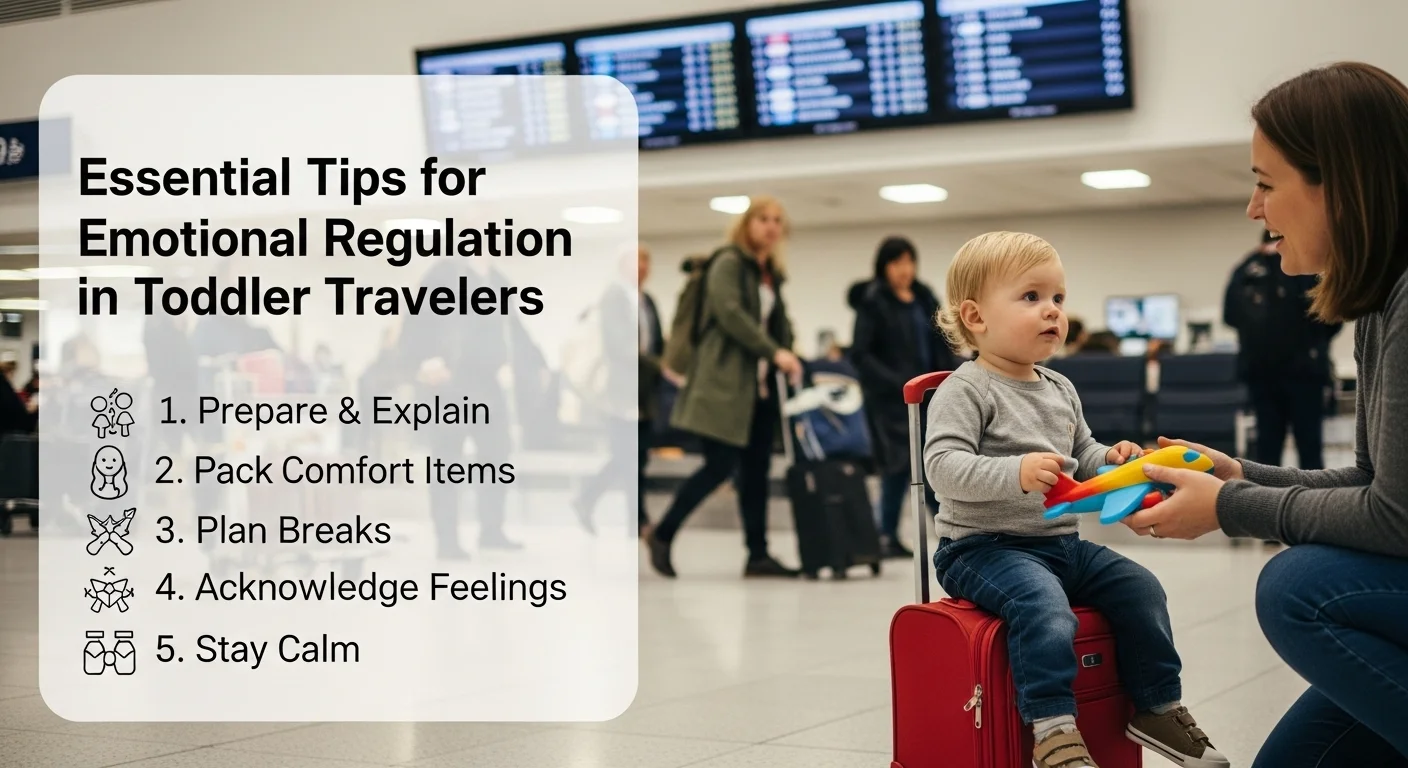
Understanding Emotional Regulation in Toddlers
What is Emotional Regulation?
Emotional regulation is the ability to manage and respond to emotional experiences effectively. For toddlers, this can mean recognizing their feelings, finding ways to express them, and controlling their reactions. I’ve seen how toddlers can go from giggles to tantrums in a matter of moments, and it often leaves parents puzzled and overwhelmed. I remember when my little one first started showing signs of big emotions; it was like living with a tiny volcano that could erupt at any moment. Understanding emotional regulation is crucial for helping them navigate these feelings without letting them spiral out of control.
Why is Emotional Regulation Important for Travelers?
Traveling can be an entirely new world for toddlers filled with excitement, but it can also trigger anxiety and discomfort. I’ve noticed that when my child feels overwhelmed in a new environment, emotions can quickly escalate. Emotional regulation plays a key role here because it helps toddlers cope with the stressors of travel—like long waits at the airport, changes in routine, or unfamiliar surroundings. When we help them learn to manage their emotions, we make travel smoother and more enjoyable for everyone. I believe that a well-regulated child is not just happier but also more adaptable to the surprises that travel can bring. For more tips, check out Traveling with Toddlers: Mastering Emotional Regulation.
Common Emotional Challenges for Toddlers During Travel
During our travels, I’ve encountered several common emotional challenges that toddlers often face. One of the biggest issues is the disruption of their routine. Toddlers thrive on predictability, and when everything changes—meals, naps, and playtime—they can quickly become irritable and frustrated. I remember a time when we were at an airport, and my child missed their nap. The result? A full-blown meltdown right in the security line. It was a tough moment, and I realized that preparing for these changes is essential.
Another emotional hurdle is separation anxiety. When we travel, toddlers may feel anxious about being away from familiar faces or places. I’ve seen this firsthand when my child clung to my leg at a hotel check-in, overwhelmed by new sights and sounds. They might also experience fear of the unknown, like strange noises on an airplane or crowded places, causing them to react with distress. Understanding these challenges is the first step to helping our little ones cope.
Finally, there’s the issue of sensory overload. Airports, train stations, and new environments can bombard toddlers with sights, sounds, and smells they aren’t used to. During one trip, my child was overwhelmed by the bustling crowd at a theme park, leading to tears and frustration. I learned that being aware of these emotional triggers can guide us in preventing meltdowns before they happen.
Preparing for Travel with Toddlers
Choosing the Right Destination
When planning a trip, I’ve found that choosing the right destination can make a world of difference. As parents, we often focus on what we want to see, but considering our toddler’s needs is just as important. I remember a trip to a city that was bustling and crowded, which ended up being overwhelming for my child. Instead, I’ve learned to seek out destinations that offer a balance of excitement and relaxation. Family-friendly places with nature, parks, or activities geared towards young children tend to provide a more pleasant experience. I recommend looking for locations with familiar attractions that your toddler can recognize as well, like zoos or aquariums.
Planning a Flexible Itinerary
Flexibility is crucial when traveling with toddlers. In my experience, the best-laid plans often need adjustments, especially when it comes to little ones. I’ve adopted a more laid-back approach to our itineraries, allowing for spontaneous breaks and changes. Instead of trying to fit in as many activities as possible, I focus on a few key experiences and leave room for downtime. This way, if my child needs a nap or a snack break, we can accommodate that without stress.
Involving Toddlers in Travel Preparations
One of the simplest yet most effective strategies I’ve found is involving my toddler in the travel preparations. When they had a say in picking activities or choosing toys to bring along, it created a sense of excitement and ownership. I often ask them about their favorite things to do while traveling or let them help pack their bags. This involvement not only makes them feel included but also gives them something to look forward to. I can still remember how excited my child was to pick a new travel-friendly book for the trip; it became a source of comfort during the journey.
Essential Tips for Emotional Regulation During Travel
Creating a Comfort Kit
One of the best things I’ve learned for managing my toddler’s emotions while traveling is to create a comfort kit. This little bag of goodies can help soothe their worries and provide a sense of familiarity in unfamiliar places. I usually include favorite toys, a cozy blanket, and even a small pillow. For my child, having a beloved stuffed animal along on trips has been a lifesaver. Not only does it offer comfort, but it also serves as a conversation starter and a way to ease anxiety about being in a new environment.
Along with toys, I also pack some sensory items, like fidget spinners or stress balls. These can be fantastic when waiting in long lines or during delays. I remember one flight when my toddler got restless; having these little tools helped redirect that energy into something more constructive. It’s amazing how a simple comfort kit can make a difference in managing emotions on the go.
Establishing Routines and Familiarity
While traveling often disrupts daily routines, I’ve found it beneficial to establish mini-routines that mirror our home life. For example, we might have a consistent bedtime routine, even if we’re in a hotel. I try to include a bath, storytime, and a few quiet moments before bed, just like we do at home. This familiarity can be calming for toddlers and helps ease them into sleep during travel.
In addition to bedtime, I also aim to maintain familiar meal times when possible. I remember on one trip when we were out exploring all day, my child got overly hungry and cranky because meals were at odd hours. Now, I try to keep snacks handy and plan meal breaks that align more closely with their usual schedule. This small adjustment has made a big difference in our travel experiences and has helped keep emotions in check.
Using Positive Reinforcement
Positive reinforcement is something I find particularly effective in encouraging my toddler to manage their emotions. I try to celebrate little wins, like staying calm during a long wait or successfully expressing their feelings with words instead of tears. I remember one instance when my child expressed frustration about waiting for a train. I acknowledged their feelings and praised them for using their words. It felt amazing to see their face light up with pride, and they responded with better behavior afterward. I think it’s so important to reinforce these positive behaviors, showing them that emotional regulation is not only achievable but also rewarding.
To make this more fun, I sometimes create a simple reward chart for our travels. I mark down when my child handles a situation well, and at the end of the trip, they can choose a small reward. This simple system not only keeps their spirits high but also empowers them to take charge of their emotions.
Practicing Mindfulness and Breathing Exercises
Incorporating mindfulness and breathing exercises into our travel routine has been a game-changer for us. I’ve learned that even a few minutes of deep breathing can help my toddler calm down in stressful situations. During one trip, we found ourselves in a crowded airport, and my child was getting overwhelmed. I remembered a simple breathing technique I had read about. We sat together and took deep breaths in and out, counting to three with each inhale and exhale. After just a minute or two, I could see their demeanor shift from anxious to relaxed. It’s moments like that where I realized how powerful these techniques can be.
There are also various apps and resources designed for kids that guide them through mindfulness exercises. I’ve downloaded a couple of these, and they’ve turned out to be a fun way to engage my child in calming practices. Making mindfulness a part of our travel routine has not only helped my toddler cope with their emotions but has also become our special bonding time during busy travels.
Managing Travel Anxiety and Stress
Identifying Triggers for Emotional Outbursts
Through my experience, I’ve learned how important it is to identify triggers that lead to emotional outbursts. For my child, loud noises and large crowds rank high on that list. I remember one particularly chaotic airport scene where my child became extremely upset. After that experience, I started paying closer attention to what specifically caused their anxiety. Now, I make it a point to prepare for these situations. If we know we’ll encounter a crowded area, we talk about it beforehand and discuss ways to handle those feelings if they arise.
Sometimes, I’ve also noticed that certain transitions, like switching from one activity to another, can catch my toddler off guard. I try to give them a heads-up before changing activities, explaining what’s next so they can mentally prepare. Identifying these triggers has been a big step towards creating a calmer travel experience for both of us.
Techniques for Calming Down During Flight or Car Rides
Flying and long car rides can be particularly challenging for toddlers. I’ve discovered a few techniques that help ease the stress during these times. One of my favorites is to create a “calm-down” playlist filled with soothing songs and stories. We listen to this during flights and road trips. It has become a comforting ritual that signals to my child that it’s time to relax.
Additionally, toys that can be used quietly, like coloring books or magnetic travel games, have worked wonders. I’ve even found that playing simple games together, like “I Spy” or counting the number of cars of a certain color, can keep my child engaged and distracted from travel-related stress. These techniques have helped us turn potentially stressful travel times into enjoyable bonding moments.
Using Distraction Techniques Effectively
Distraction is one of the most effective tools I’ve found for managing my toddler’s emotions while traveling. When things start to feel overwhelming, I quickly shift their focus to something else. This can be as simple as pointing out interesting sights or asking them to describe something they see. I remember walking through a busy train station and noticing how my child’s mood shifted dramatically after we started playing a game where we tried to spot different kinds of transportation.
Another technique I’ve used is to offer choices, which can help toddlers feel more in control. For instance, if my child is feeling anxious, I might ask if they want to listen to music or play a game. This simple act of giving them a choice often turns their attention away from what’s stressing them out. I find that these little distractions can work wonders in resetting their mood and keeping our travels enjoyable.
Activities to Promote Emotional Well-being While Traveling
Interactive Games and Play
One of the best ways I’ve found to promote emotional well-being while traveling is through interactive games and play. Not only do these activities keep my toddler engaged, but they also provide an outlet for their emotions. I remember during a long wait at the airport, we played simple games like “Simon Says” or “20 Questions.” These games not only entertained my child but also helped them focus their energy positively. I’ve noticed that when we engage in playful activities together, it creates a sense of connection that helps ease any travel-related stress.
Another fun game we enjoy is a travel scavenger hunt. Before our trip, I prepare a list of things we might see along the way—like certain animals, types of vehicles, or landmarks—and we check them off as we spot them. It turns our travels into an adventure, turning mundane moments into exciting challenges. I believe that incorporating play into our travels not only helps manage emotions but also creates lasting memories.
Storytelling and Music as Tools for Comfort
I’ve come to realize that storytelling and music can work wonders in comforting my toddler during travel. We often bring along a collection of their favorite stories or audiobooks. During downtime, I’ll read to them or we’ll listen to a story together. This familiar routine helps my child feel secure, even in new environments. I noticed that when things get chaotic, diving into a story can transport them to a different world, easing their anxiety.
Music is another powerful tool. I create playlists featuring their favorite songs and soothing tunes. Turning on some calming music during a flight or car ride has a remarkable effect—almost like a magic spell to help soothe their nerves. I often catch my child swaying or nodding along, and it never fails to bring a smile to their face. Establishing these musical moments helps to foster a sense of calm and can act as a gentle transition when emotions start to rise.
Nature Walks and Exploring New Environments
Exploring new environments is undoubtedly one of the joys of traveling, and I’ve found that incorporating nature walks can be incredibly beneficial for emotional well-being. I remember a trip where we took a leisurely stroll through a local park. Being in nature seemed to lift my child’s spirits. We observed the trees, listened to the birds, and even picked up interesting stones along the way. It was a beautiful reminder of the simplicity of joy that nature can bring.
During these walks, I try to encourage my toddler to engage with the environment. We’ll take turns sharing what we see or hear, creating a shared experience that fosters emotional connection and curiosity. I believe that allowing them to explore the outdoors not only promotes physical activity but also provides a healthy outlet for any built-up energy or stress.
Post-Travel Emotional Check-in
Discussing Experiences with Your Toddler
After we return from a trip, I think it’s essential to have a post-travel emotional check-in with my toddler. I often sit down with them and discuss our adventures—what they enjoyed, what they found challenging, and how they felt during different moments. I’ve noticed that this reflection helps my child process their experiences and understand their emotions better. It’s also a great opportunity for us to bond, as we share our thoughts and feelings about the journey.
I like to ask open-ended questions like, “What was your favorite part of the trip?” or “Was there anything that made you feel a little scared?” This encourages them to express themselves and reinforces that it’s okay to have mixed emotions about experiences. I believe that these discussions are a valuable way to validate their feelings and help them feel heard.
Recognizing and Validating Feelings
Recognizing and validating my toddler’s feelings is an important aspect of our post-travel routine. I’ve learned that acknowledging their emotions—whether it’s excitement, anxiety, or disappointment—makes a significant difference. For example, if my child expresses sadness about leaving a fun place, I make sure to let them know it’s okay to feel that way. I might say something like, “I understand that you miss the zoo; it was really fun, wasn’t it?” This simple validation helps them feel understood and supported.
I also encourage them to express their feelings through drawing or storytelling. Sometimes, I’ll suggest they create a little “travel journal” where they can illustrate or write about their experiences. This creative outlet not only reinforces their emotional processing but also allows them to revisit those memories in a positive way.
Re-establishing Routines After Travel
Re-establishing routines after travel has been crucial for my toddler’s emotional stability. When we come home, I try to get back to our regular schedule as soon as possible. I’ve noticed that a familiar routine helps my child feel secure again after the excitement of travel. We pick up where we left off with bedtime rituals, meal times, and playtime activities. This sense of normalcy is comforting for kids, and it can significantly ease any residual travel anxiety they may be feeling.
I also find it helpful to have some quiet time together after a trip. We might cuddle up on the couch with a favorite movie or spend some time reading together. These moments of connection help reinforce our bond and provide a sense of comfort as they transition back to everyday life. I believe that creating this space for them to relax is essential for their emotional recovery after the whirlwind of travel.
Frequently Asked Questions
What is emotional regulation in toddlers?
Emotional regulation is the ability to manage and respond to emotional experiences effectively. For toddlers, this involves recognizing their feelings, expressing them, and controlling their reactions.
Why is emotional regulation important when traveling with toddlers?
Emotional regulation helps toddlers cope with the stressors of travel, such as changes in routine, long waits, and unfamiliar environments. It makes travel smoother and more enjoyable for everyone involved.
What are common emotional challenges toddlers face during travel?
Common emotional challenges include disruption of routine, separation anxiety, fear of the unknown, and sensory overload due to new sights and sounds in unfamiliar environments.
How can parents prepare for travel with toddlers?
Parents can prepare by choosing family-friendly destinations, planning flexible itineraries, and involving toddlers in travel preparations to create excitement and ownership of the trip.
What is a comfort kit and how can it help during travel?
A comfort kit is a bag filled with familiar items like favorite toys and sensory items that help soothe toddlers and provide a sense of familiarity in unfamiliar places.
How can routines be established while traveling with toddlers?
Parents can establish mini-routines that mirror home life, such as maintaining consistent meal times and bedtime rituals, to help toddlers feel more secure during travel.
What techniques can help calm toddlers during flights or car rides?
Techniques include creating a “calm-down” playlist with soothing songs, using quiet toys, and engaging in games to keep toddlers distracted and relaxed.
How can distraction techniques be effectively used while traveling?
Distraction can be achieved by pointing out interesting sights, asking toddlers to describe what they see, or offering choices to help them feel more in control and shift their focus.
What activities can promote emotional well-being while traveling?
Activities such as interactive games, storytelling, music, and nature walks can keep toddlers engaged and provide healthy outlets for their emotions while traveling.
Why are post-travel emotional check-ins important?
Post-travel emotional check-ins help toddlers process their experiences, validate their feelings, and reinforce their ability to express emotions, strengthening the bond between parent and child.