
Traveling with kids can be a fantastic adventure, but it also offers a unique opportunity to nurture their fine motor skills. Let’s explore how we can make the most of our journeys in a way that enhances their development. Read Interesting article: Backpacking with Toddlers: Enhance Fine Motor Skills on the Go
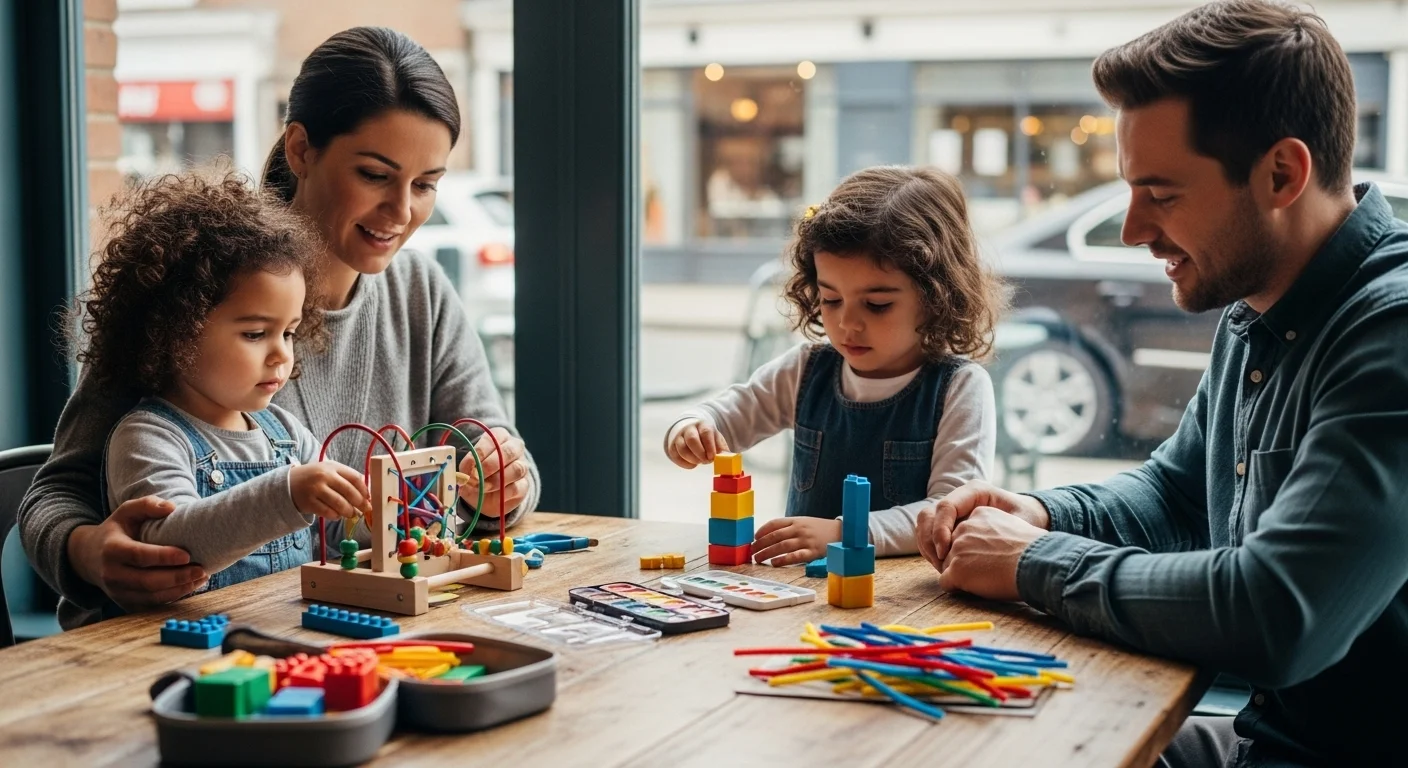
Understanding Fine Motor Skills
Definition and Importance of Fine Motor Skills
Fine motor skills refer to the ability to use small muscles in our hands, fingers, and wrists. These skills are crucial for everyday tasks like writing, buttoning shirts, and using utensils. I’ve come to realize just how vital these skills are as I watch my children navigate their world. When we travel, they encounter new objects and experiences that can help refine these skills. The more we engage in activities that promote fine motor development, the more equipped they become for future challenges.
How Fine Motor Skills Develop in Children
Fine motor skills develop gradually as children grow. In my experience, I’ve seen that infants start with basic hand movements, like grasping and reaching. As they transition into toddlers, they begin to explore their environment more actively. They start picking up small objects, stacking blocks, and eventually scribbling. By the time they reach preschool age, their skills are more precise, allowing them to engage in activities like coloring and cutting with scissors. Traveling can provide a rich context for this progression, offering practical experiences where these skills can shine.
Benefits of Traveling for Fine Motor Skill Development
Exposure to New Environments and Cultures
Traveling introduces children to diverse environments and cultures, which can be incredibly stimulating. I vividly remember a trip to a bustling market where my kids were fascinated by colorful spices and handmade crafts. They were eager to touch everything, which sparked their curiosity and encouraged them to use their hands more. This exposure not only enhances their sensory experiences but also encourages them to engage with their surroundings, promoting fine motor skill development in an organic way. Read Interesting article: Exploring the World: Fun Activities to Improve Toddler Gross Motor Skills
Opportunities for Hands-On Learning
Nothing beats hands-on learning, especially when traveling. During our family trips, we often look for classes or workshops that allow kids to create something tangible. For instance, we once participated in a pottery class in a small town in Greece. Watching my children mold clay with their hands was a joy. They were not just learning about pottery; they were actively using their fine motor skills to create something unique. Such experiences make learning fun and memorable.
Enhancing Problem-Solving Skills Through Travel
Traveling often involves unexpected situations that require quick thinking and problem-solving. I remember getting lost in a foreign city with my kids. While I was initially stressed, I noticed how they began to engage with our surroundings to find our way. They read maps, asked locals for directions, and even helped navigate using our GPS. These activities not only challenged their cognitive skills but also involved their hands, as they pointed at different locations and manipulated tools. This kind of engagement is invaluable for fine motor skill development.
Essential Tips for Fine Motor Skill Development While Traveling
Incorporating Play-Based Activities
One of my favorite ways to foster fine motor skills while traveling is through play-based activities. Simple games like “I Spy” or scavenger hunts not only keep kids engaged but also encourage them to use their hands. For example, we created a scavenger hunt list that included items they had to find and collect during our city walks. This not only kept them active but also honed their grasping and collecting skills.
Using Local Materials for Craft Projects
Whenever we travel, I make it a point to gather local materials for craft projects. For instance, we collected seashells during a beach trip and used them for a creative arts session later. My kids loved gluing them onto paper and creating a beach scene. Using local materials allows for a deeper connection to the culture we’re experiencing while promoting creativity and fine motor skills through crafting.
Engaging in Interactive Experiences
Interactive experiences are another fantastic way to promote fine motor skills. I’ve found that hands-on workshops, like cooking classes or art sessions, can be incredibly beneficial. By allowing kids to knead dough, chop vegetables, or paint, they use their hands in ways that strengthen their dexterity. This not only makes the activity enjoyable but also results in delicious meals or beautiful crafts they can take pride in.
Encouraging Exploration and Discovery
Encouraging exploration is something I strive for during our travels. I often let my kids take the lead when we’re exploring new places. Whether it’s climbing a tree in a park or picking up interesting rocks on a hike, these moments allow them to practice their fine motor skills. I’ve seen how engaging with nature can refine their hand-eye coordination and grip strength, precious components of fine motor development.
Activities to Enhance Fine Motor Skills During Travel
Art and Craft Projects with Local Themes
One of the best ways I’ve found to engage my kids while traveling is through art and craft projects that reflect the local culture. For instance, during our trip to Mexico, we gathered vibrant leaves and flowers to create nature-inspired collages. This allowed my children to explore their creativity while fine-tuning their hand coordination. As they cut, glued, and arranged the materials, I could see their fine motor skills in action. It was amazing how much they enjoyed transforming everyday items into art that represented where we were. I recommend setting up a small art station in our hotel room or a picnic area, using natural materials to inspire our kids.
Cooking Classes for Hands-On Learning
Cooking together has always been a family favorite of mine, and it becomes even more special when we can do it while traveling. Participating in cooking classes abroad not only exposes my kids to new cuisines but also helps develop their fine motor skills. We took a pasta-making class in Italy, and the kids loved rolling the dough and cutting it into shapes. I noticed how their fingers adapted to the tasks, and they were so proud to serve us the dishes they created. Cooking is an excellent way to incorporate measurement, mixing, and even some science into our family travel experiences. Plus, we get to enjoy delicious meals together! Read Interesting article: Backpacking with Toddlers: Boost Gross Motor Skills on the Go
Nature Walks and Collecting Items
Going on nature walks has been one of those simple pleasures that I cherish while traveling. It’s amazing how much kids can learn and develop during these explorations. I encourage my children to collect interesting items like stones, leaves, or pinecones. After our walks, we use these treasures for various creative projects, such as making nature rubbings or creating a scrapbook. The tactile experience of picking up different objects helps with their grip strength and dexterity. I feel that these moments not only nurture their fine motor skills but also foster a sense of wonder and curiosity about the world around them.
Travel Journals and Writing Activities
Keeping a travel journal is another activity that I find incredibly beneficial for fine motor skills. I encourage my kids to document their experiences, thoughts, and drawings throughout our trips. This could be through writing, sketching, or even pasting in mementos from our travels, like tickets and postcards. I love seeing how their handwriting evolves as they practice writing frequently. It also gives them a sense of ownership over their memories. We often make it a fun ritual to share entries at the end of each day, which keeps them excited about writing. It’s such a rewarding way to combine creativity with fine motor development.
Recommended Tools and Resources for Fine Motor Skill Development
Travel-Friendly Craft Kits
When it comes to enhancing fine motor skills while traveling, having the right tools is essential. I’ve discovered some fantastic travel-friendly craft kits that are compact and easy to take along. These kits often include materials like colored paper, glue, scissors, and markers, perfect for spur-of-the-moment creativity. I usually pack a small kit to keep my kids engaged during downtime in hotels or on long flights. The portability means we can create art wherever we go, allowing their imaginations to run wild while developing their hand coordination.
Educational Apps and Games
While I prefer hands-on activities, I also find that certain educational apps can stimulate fine motor skills in fun and interactive ways. There are several apps designed specifically to improve hand-eye coordination and dexterity through engaging games. For example, puzzle and drawing apps allow kids to practice their fine motor skills while enjoying screen time. I always try to set limits on how long they use these apps, ensuring it complements our hands-on activities rather than replacing them. Balancing digital play with physical engagement has been key to our travel experience.
Books and Resources for Travel Activities
Equipping ourselves with books and resources geared toward travel activities has been a game-changer. I often bring along travel activity books that contain puzzles, games, and art prompts related to the destinations we visit. These resources keep my kids engaged and inspired to explore while reinforcing their fine motor skills. I also enjoy reading books that showcase local stories or folklore, which can spark conversations and creative thinking. It’s a wonderful way to blend learning with our adventures.
Creating a Travel-Friendly Environment for Skill Development
Choosing Accommodations with Activity Space
As we plan our trips, I pay close attention to the type of accommodations we choose. Finding places with some outdoor space or areas for activities can make a significant difference. Whether it’s a family-friendly hotel with a play area or a vacation rental with a backyard, these spaces encourage my kids to run, climb, and play. Having room to move around allows them to engage their fine motor skills in a more playful way. I believe that a travel-friendly environment sets the tone for our adventures and enhances our overall experience.
Planning Itineraries that Include Creative Breaks
I’ve learned that while sightseeing is exciting, it’s crucial to plan our itineraries with creative breaks. I try to schedule downtime, where we can incorporate hands-on activities or simply relax and create. For example, after a busy morning of exploring, we might find a park where the kids can draw or play with local children. These breaks not only recharge our energy but also allow for moments of creativity that nurture their fine motor skills. Balancing busy days with relaxation keeps the whole family happy!
Balancing Sightseeing with Skill-Building Activities
Finally, I think it’s important to find the right balance between sightseeing and skill-building activities. While it’s tempting to pack our days with as many attractions as possible, I’ve realized that slowing down can lead to more meaningful experiences. Allowing time for creative exploration during our travels gives my kids the space to practice their fine motor skills in real-world contexts. It’s all about being present and enjoying the journey together, not just the destination.
Addressing Common Challenges
Managing Screen Time vs. Hands-On Activities
As much as I enjoy integrating technology into our travel experiences, I often find myself grappling with how to manage screen time. While educational apps can enhance fine motor skills, I’ve noticed that too much screen time can take away from hands-on learning. I try to establish screen-free periods during our travels where we focus solely on creative activities. This balance helps ensure that my kids engage in meaningful, tangible experiences while still allowing for some tech time as a reward.
Dealing with Limited Resources While Traveling
Traveling can sometimes present challenges in terms of resources for skill development. I’ve encountered situations where access to art supplies or educational tools was limited. In these cases, I’ve learned to get creative! Using everyday items we find around us or local materials can spark our imagination. For example, using a stick to draw in the sand or collecting leaves to create art can turn into memorable experiences. Embracing these limitations often leads to unexpected adventures.
Maintaining Engagement During Long Travel Days
Long travel days can be tough, especially for kids. I’ve found that having a plan to keep them engaged can make all the difference. I pack travel-friendly games, books, and art supplies to help keep their hands busy. I also involve them in the journey by encouraging them to keep a travel diary. This not only keeps their minds active but also provides a creative outlet. I’ve found that giving them responsibilities, like navigating with a map or helping with planning, keeps them engaged and excited about the journey ahead.
Success Stories: Real-Life Examples of Skill Development Through Travel
Case Studies from Traveling Families
Hearing about other families’ experiences can be incredibly inspiring, so I love sharing real-life examples of how travel has helped with fine motor skill development. One family I know took a trip around the world for a year. They made it a point to engage their children in local customs and crafts wherever they went. For instance, in Japan, they participated in a traditional origami class. The precision required to fold paper into intricate shapes helped their kids develop not just fine motor skills, but also patience and focus. I remember them sharing how their children’s dexterity improved dramatically over just a few days of practice, and it became a favorite travel memory for them all.
Another family I encountered shared their experience of exploring the national parks in the United States. They involved their children in setting up camp, cooking meals, and collecting natural materials for crafts. By using sticks to create art or weaving grasses into bracelets, their kids not only enjoyed the creative process but also honed their hand-eye coordination. They told me how their children felt empowered by being part of the camping experience, leading to a boost in confidence and fine motor skill development.
Interviews with Educators and Child Development Experts
In my quest to understand more about the connection between travel and fine motor skill development, I reached out to educators and child development experts. One insightful conversation I had was with a kindergarten teacher who emphasized the importance of hands-on experiences in learning. She noted that children who are actively engaged in tactile activities, whether at home or while traveling, develop better coordination and confidence in their abilities.
Another expert I spoke with, a child psychologist, highlighted how traveling can expose children to diverse activities that challenge their fine motor skills. He mentioned that in his practice, he often encourages parents to incorporate travel into their children’s lives as it fosters resilience and adaptability. He believes that when children face new challenges, like using their hands to navigate unfamiliar tools or materials, they learn to problem-solve and think critically, which is essential for their overall development.
These conversations reinforced my belief that travel is not just about seeing new places but also about engaging in experiences that promote growth and development. I often find that hearing about others’ successes can motivate us to try similar approaches during our travels.
Frequently Asked Questions
What are fine motor skills and why are they important for children?
Fine motor skills refer to the ability to use small muscles in our hands, fingers, and wrists. These skills are crucial for everyday tasks like writing, buttoning shirts, and using utensils. They help children navigate their world and engage in activities that promote their development.
How do fine motor skills develop as children grow?
Fine motor skills develop gradually, starting with basic movements in infants, progressing to more complex tasks as children transition into toddlers and preschoolers. Activities like grasping, stacking blocks, coloring, and cutting with scissors enhance these skills over time.
How does traveling benefit fine motor skill development in children?
Traveling exposes children to new environments and cultures, which stimulates their curiosity and encourages hands-on learning. Engaging in activities such as workshops, navigating new places, and collecting items during trips can significantly enhance their fine motor skills.
What are some recommended play-based activities for developing fine motor skills while traveling?
Incorporating play-based activities like scavenger hunts or simple games such as “I Spy” can keep kids engaged and encourage them to use their hands, honing their grasping and collecting skills during travel.
How can local materials be used for craft projects while traveling?
Gathering local materials, such as seashells or leaves, allows children to create crafts that reflect the culture they are experiencing. This promotes creativity and fine motor skills through activities like gluing and arranging materials into art projects.
What interactive experiences can enhance fine motor skills during travel?
Hands-on workshops, such as cooking classes or art sessions, provide fantastic opportunities for children to engage their fine motor skills. Activities like kneading dough, chopping vegetables, or painting help strengthen dexterity and make learning enjoyable.
How can nature walks contribute to fine motor skill development?
Nature walks allow children to collect interesting items like stones or leaves, which they can use for creative projects afterward. The tactile experience of picking up different objects helps with grip strength and dexterity, essential for fine motor development.
What activities can be incorporated into travel journals to support fine motor skills?
Encouraging children to document their travel experiences through writing, sketching, or pasting mementos like tickets can enhance their fine motor skills. This regular practice helps improve their handwriting and gives them a sense of ownership over their memories.
How can accommodations impact fine motor skill development during travel?
Choosing accommodations with outdoor spaces or areas for activities allows children to run, climb, and play, which can significantly enhance their fine motor skills through active engagement and exploration.
What challenges might families face when trying to develop fine motor skills while traveling?
Common challenges include managing screen time versus hands-on activities, dealing with limited resources for skill development, and maintaining engagement during long travel days. Families can overcome these by planning creative activities and establishing screen-free periods.