
Fostering critical thinking skills in toddlers is a rewarding journey that can shape their future learning. Here are essential insights and tips to help our little ones think critically and creatively. Read Interesting article: Unlocking Critical Thinking in Toddlers: A Parent’s Guide
Understanding Critical Thinking in Toddlers
Definition of Critical Thinking
When I first started exploring the concept of critical thinking, I realized that it’s not just about problem-solving; it’s about a way of thinking that encourages children to analyze, evaluate, and create. For toddlers, critical thinking involves using their senses, making connections, and understanding the world around them. It’s about asking questions, seeking answers, and not settling for surface-level understanding. I’ve found that when toddlers engage in critical thinking, they become more curious and excited about learning.
Importance of Critical Thinking for Toddlers
Critical thinking is essential for toddlers because it lays the foundation for lifelong learning. I remember watching my niece, who was just two at the time, asking “why” about everything. This inquisitiveness is crucial; it not only enhances cognitive abilities but also develops social skills and emotional intelligence. When toddlers learn to think critically, they become better problem solvers and decision-makers. It’s incredible to see how these skills help them navigate challenges and make choices as they grow. Read Interesting article: Backpacking with Toddlers: Boosting Social Skills on the Road
Age-Appropriate Cognitive Development Stages
Understanding where our toddlers are in their cognitive development is vital. Generally, toddlers between the ages of one and three are in the early stages of developing critical thinking skills. They move from basic exploration—like banging blocks together and observing cause and effect—to more complex behaviors, such as pretending and role-playing. I’ve noticed that during this stage, children are naturally curious; they may ask questions like “What happens if I drop this?” or “Why does it rain?” Encouraging this exploration fosters their critical thinking abilities. As they grow closer to four years of age, they start to make connections and think more abstractly, which is when we can introduce even more complex problem-solving activities.
Key Components of Critical Thinking Skills
Problem-Solving Abilities
One of the first components I noticed in my children’s critical thinking was their problem-solving abilities. I recall a time when my son was trying to fit shapes into a puzzle. He would try one piece, then another, often getting frustrated. Instead of jumping in to help immediately, I encouraged him to think about what might fit. This simple act promoted his ability to assess a problem and try different solutions until he found the correct one. It was such a joy to watch his frustration turn into excitement when he finally succeeded!
Analytical Thinking
Analytical thinking involves breaking down information and understanding it better. I remember engaging my daughter in a game where we sorted different colored blocks. As she categorized them, I would ask questions like, “What do you notice about the blue blocks?” or “Which color do you have the most of?” This helped her learn to analyze information rather than just observe it. Encouraging toddlers to think about their observations in this way nurtures their analytical skills.
Creative Thinking
Creative thinking is another essential skill that I found vital for toddlers. I often set up open-ended art projects with materials like paper, crayons, and clay. I noticed that when I allowed my kids the freedom to create without strict guidelines, they began to think outside the box. I’ve seen my daughter turn a simple piece of paper into a pretend airplane, showcasing her ability to imagine and innovate. Creative thinking not only enriches their experiences but also boosts their confidence in expressing themselves.
Decision Making
Decision-making is a skill that can be nurtured from an early age. I often involve my toddlers in simple choices, like picking out their clothes or deciding which snack to have. This practice encourages them to weigh options and understand the consequences of their choices. I feel it’s important for them to realize that their decisions matter, and it builds a sense of autonomy. I’ve noticed that as they make small decisions, they become more confident and capable of tackling bigger decisions in the future. Read Interesting article: Top Backpacking Adventures to Enhance Toddler Memory Skills
Essential Tips for Fostering Critical Thinking Skills
Encouraging Curiosity and Questioning
One of the most effective ways I’ve found to foster critical thinking in toddlers is by encouraging their natural curiosity. I remember when my son asked, “Why is the sky blue?” Instead of giving him a quick answer, I turned it into a discussion. I said, “What do you think?” This simple question opened the door for a delightful conversation where he came up with his own ideas about light and color. By nurturing their questioning, we help them realize that it’s okay to seek answers and explore the world around them. I believe this kind of encouragement builds a strong foundation for critical thinking as they grow. It’s important to create an environment where questions are welcomed, and exploration is celebrated.
Engaging in Open-Ended Play
Open-ended play has been a game-changer for us. I love how it allows my children to use their imagination without limitations. I often set up scenarios where they can create their own stories, whether it’s with toy figures or building blocks. For instance, when my daughter was playing with her dollhouse, I would ask her questions like, “What happens next?” or “How does your character feel about that?” This type of play encourages her to think critically about situations and outcomes. I’ve found that open-ended play not only enhances their creativity but also their problem-solving skills, as they navigate different possibilities in their imaginative worlds.
Providing Diverse Learning Materials
I’ve noticed that having a variety of learning materials can significantly boost critical thinking. Instead of sticking to just one type of toy or book, I try to mix things up. I incorporate puzzles, art supplies, and science kits into our playtime. For example, I introduced my kids to a simple science experiment with baking soda and vinegar. Watching the reaction sparked so many questions and discussions about what they observed. By providing diverse materials, we can encourage different types of thinking. I feel this variety keeps them engaged and stimulates their minds in various ways, allowing them to explore different concepts and ideas.
Modeling Critical Thinking
As parents, we have the unique opportunity to model critical thinking in our everyday lives. I remember when I was faced with a decision, like which grocery store to visit. I talked through my thought process with my kids. I explained why I was choosing one store over another, considering factors like price, distance, and availability of fresh produce. By vocalizing my thought process, I demonstrated how to analyze options and make informed decisions. I believe that when children see us engaging in critical thinking, they are more likely to adopt those strategies themselves. It’s about showing them how we navigate challenges and encouraging them to think through their own choices.
Encouraging Communication and Expression
I can’t stress enough how important it is for toddlers to express their thoughts and feelings. I encourage my kids to share their ideas during playtime, whether it’s about a drawing they made or a story they want to tell. I often say, “Tell me more about that!” This simple prompt invites them to elaborate and think more deeply about their ideas. Encouraging communication not only helps them practice articulating their thoughts but also fosters critical thinking as they organize their ideas coherently. I’ve seen my children flourish in their ability to express themselves when they feel supported and heard.
Activities to Promote Critical Thinking
Interactive Storytelling
One of my favorite activities for promoting critical thinking is interactive storytelling. I often read books with my kids but add a twist—asking them to imagine alternative endings or what might happen next. For instance, after reading a story about a bear going on an adventure, I would ask, “What if the bear met a new friend? How would that change the story?” This simple engagement not only enhances their imagination but also makes them think critically about narrative structure and character development.
Building and Construction Play
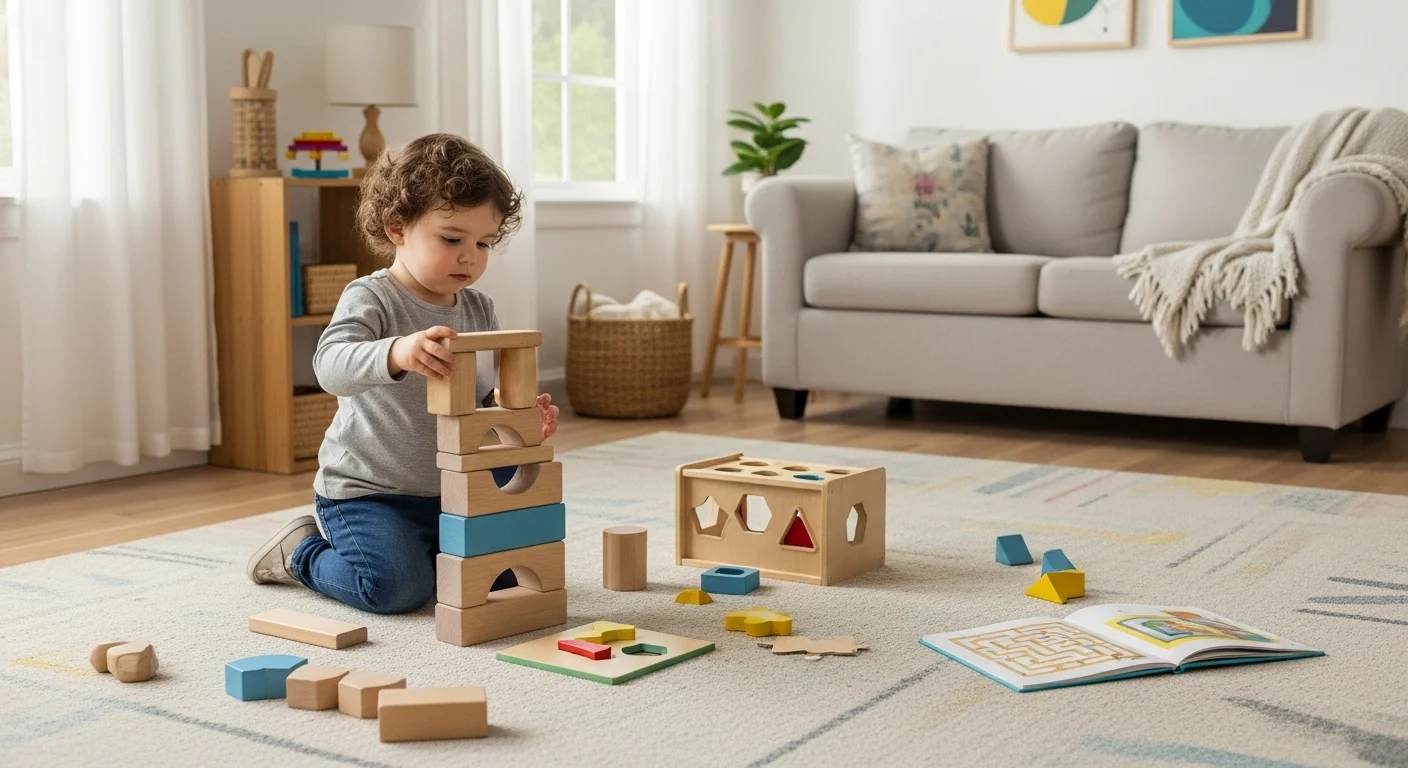
Building toys like blocks or LEGO® have always been a hit in our house. I love how they naturally encourage problem-solving and spatial reasoning skills. I often challenge my kids to build specific structures or recreate something from their favorite shows. When my son struggled to balance a tower, we discussed what might help it stand stronger. Such activities teach them about trial and error while enabling them to think critically about stability and design. I believe that through construction play, they learn that it’s okay to make mistakes—as long as they keep trying.
Puzzles and Problem-Solving Games
Puzzles have been a fantastic way to foster critical thinking in our home. I’ve introduced my kids to various types, from jigsaw puzzles to logic puzzles. I remember how proud my daughter felt when she completed her first puzzle. I encouraged her to think about the colors and shapes to find where each piece might fit. This not only enhanced her problem-solving skills but also taught her persistence. I think puzzles can be both fun and educational, providing an exciting challenge that keeps them engaged.
Science Experiments for Toddlers
Simple science experiments are a great way to introduce critical thinking concepts. I often set up little experiments that allow my children to explore cause and effect. One memorable experience was when we made a homemade volcano. Watching the reaction of baking soda and vinegar was thrilling for them! They asked questions like, “Why does it fizz?” and “What makes it erupt?” These experiments not only spark curiosity but also encourage them to hypothesize and analyze outcomes, further enhancing their critical thinking abilities.
Creating a Supportive Environment
Designing a Learning-Friendly Space
Creating the right environment for my toddlers has always been a priority for me. I’ve learned that a learning-friendly space can significantly impact their ability to think critically. I remember when I rearranged their playroom to encourage exploration. I set up different stations with various activities—like a reading nook, an art corner, and a building area. Each zone was filled with age-appropriate materials that piqued their interest. This setup not only made the space inviting but also encouraged my children to move freely between activities, fostering their curiosity. I believe that when toddlers have access to diverse tools and resources, they feel more empowered to explore and engage in critical thinking.
Setting Realistic Expectations
When it comes to fostering critical thinking, I think setting realistic expectations is key. I’ve noticed that sometimes I can be overly ambitious about what I want my kids to achieve. It’s essential to remember that each child develops at their own pace. I’ve learned to celebrate small victories rather than focus solely on the end goal. For instance, when my son struggled with a puzzle, rather than expecting him to complete it perfectly, I appreciated his efforts to piece together parts. This approach not only reduces frustration but also boosts their confidence. I feel it’s vital for us as parents to be patient and understanding, allowing our toddlers to explore without the pressure of high expectations.
Balancing Guidance and Independence
Finding the right balance between providing guidance and allowing independence has been an ongoing journey for me. I’ve realized that while it’s important to be there for my kids, stepping back sometimes gives them the freedom to think for themselves. I remember a time when my daughter wanted to build a tall tower with blocks. Instead of instructing her on how to do it, I encouraged her to try different strategies on her own. I watched her experiment with various designs, which not only taught her problem-solving skills but also instilled a sense of accomplishment. I believe that fostering independence is crucial for developing critical thinking, as it allows toddlers to learn from their mistakes and successes.
Evaluating Progress in Critical Thinking Skills
Signs of Developing Critical Thinking
As I’ve engaged with my toddlers in various activities, I’ve learned to recognize the signs that they are developing critical thinking skills. I’ve seen them becoming more curious, asking deeper questions, and showing persistence when faced with challenges. For instance, I noticed my son experimenting with different ways to stack blocks after a few failed attempts. His ability to reflect on what didn’t work and try something new was a clear sign of growth in his critical thinking. I think it’s important for us to pay attention to these signs and celebrate these moments. Acknowledging their progress not only motivates them but also reinforces their desire to learn.
Assessing Problem-Solving Skills
Assessing problem-solving skills in toddlers can be an eye-opening experience. I’ve often engaged my children in simple challenges to see how they approach problems. Once, I presented a scenario using toy animals where they had to figure out how to help a lion reach its friend, the elephant. Watching them strategize and discuss different solutions was fascinating. I realized that assessing their problem-solving abilities doesn’t always require formal testing; even playful activities can provide insight into their thought processes. I believe that through these informal assessments, we can identify areas where they excel and where we might offer additional support.
Feedback and Encouragement Techniques
Providing feedback and encouragement is crucial in nurturing critical thinking skills. I’ve learned that it’s important to be specific with my praise. Instead of just saying, “Good job!” I try to highlight what they did well. For example, if my daughter successfully completed a puzzle, I would say, “I love how you looked at the colors and shapes to find the right pieces!” This type of feedback not only builds their confidence but also reinforces the strategies they used. Encouragement can also come in the form of asking open-ended questions that prompt further thinking. I often say things like, “What do you think will happen if we try this?” This approach encourages them to reflect on their ideas and consider different possibilities.
Resources for Parents and Educators
Books on Critical Thinking for Children
In my quest to foster critical thinking, I’ve come across numerous books that have been beneficial for my kids. I love exploring stories that promote curiosity and analytical thinking. Titles like “Not a Box” by Antoinette Portis and “What Do You Do With a Problem?” by Kobi Yamada have sparked wonderful discussions in our home. These books not only entertain but also encourage children to think outside the box and approach problems creatively. I often read these stories with my kids and then engage them in discussions about the themes, prompting them to express their thoughts and ideas.
Online Courses and Workshops
I’ve found that online courses and workshops can be fantastic resources for parents and educators looking to enhance their understanding of critical thinking in children. Websites like Coursera and Udemy offer courses specifically designed for early childhood education. I participated in a workshop focused on play-based learning, which provided me with valuable tools and strategies to implement in our daily routine. These courses can be a great way to learn new techniques and connect with other parents and educators who share similar interests.
Community Programs and Support Groups
Connecting with other parents in community programs or support groups has been incredibly rewarding for me. I’ve had the opportunity to share ideas, resources, and experiences with others who are also passionate about fostering critical thinking in toddlers. Local parenting groups or educational centers often host events and workshops that focus on child development. I believe that by engaging in these communities, we can gain insights, share our challenges, and encourage one another on this important journey.
Frequently Asked Questions
What is critical thinking in toddlers?
Critical thinking in toddlers is about a way of thinking that encourages them to analyze, evaluate, and create. It involves using their senses, making connections, asking questions, and seeking answers to understand the world around them.
Why is critical thinking important for toddlers?
Critical thinking is essential for toddlers because it lays the foundation for lifelong learning, enhances cognitive abilities, and develops social skills and emotional intelligence. It helps them become better problem solvers and decision-makers as they grow.
What are the cognitive development stages for toddlers regarding critical thinking?
Toddlers between the ages of one and three are in the early stages of developing critical thinking skills. They progress from basic exploration to more complex behaviors like pretending and role-playing, which helps them ask questions and explore their environment.
What are some key components of critical thinking skills in toddlers?
The key components of critical thinking skills in toddlers include problem-solving abilities, analytical thinking, creative thinking, and decision-making. These skills can be nurtured through various activities and interactions.
How can parents encourage curiosity and questioning in toddlers?
Parents can encourage curiosity and questioning by engaging toddlers in discussions rather than providing quick answers. For example, when a toddler asks a question, parents can respond by asking, “What do you think?” to promote exploration and deeper thinking.
What types of play promote critical thinking in toddlers?
Open-ended play, building and construction play, interactive storytelling, puzzles, and simple science experiments are all effective types of play that promote critical thinking in toddlers by encouraging creativity, problem-solving, and exploration.
How can parents create a supportive environment for fostering critical thinking?
Parents can create a supportive environment by designing a learning-friendly space with diverse materials, setting realistic expectations, and balancing guidance with independence, allowing toddlers to explore and learn at their own pace.
What are some signs that toddlers are developing critical thinking skills?
Signs of developing critical thinking skills in toddlers include increased curiosity, asking deeper questions, showing persistence when faced with challenges, and the ability to reflect on their experiences and try new approaches.
How can parents assess their toddlers’ problem-solving skills?
Parents can assess problem-solving skills by engaging toddlers in simple challenges or playful activities that require strategizing and discussing different solutions, providing insight into their thought processes without formal testing.
What resources are available for parents to enhance their understanding of critical thinking in children?
Resources for parents include books on critical thinking for children, online courses and workshops focusing on early childhood education, and community programs or support groups where parents can share ideas and experiences.