
Supporting your toddler’s language growth can be a joyful journey filled with discovery. By understanding their development and creating a nurturing environment, you can help them express themselves and connect with the world around them. Read Interesting article: Fun Activities to Encourage Language Skills in Toddlers
Understanding Toddler Language Development
As I started to observe my toddler, I realized how fascinating language development can be. It’s like watching a little sponge soak up everything around them. Understanding the stages of language development helps us know what to expect and how we can support our kids during these crucial years.
Stages of Language Development
Language development in toddlers typically unfolds in several stages. I found it helpful to think of these stages not just as milestones but as a wonderful journey. For example, in the early stages, my toddler began cooing and babbling, which are their first attempts at communication. It was delightful to hear those little sounds, even if they didn’t make much sense at first.
As they progressed, I noticed they started to form single words. This is often around the age of one, and for us, it was the exciting moment when my daughter said “mama” for the first time. Then came two-word phrases, usually around 18 months, which felt like a breakthrough! Suddenly, she could express more complex thoughts like “more juice” or “big truck.” By the age of two, I could hear her stringing together short sentences, and it felt like a whole new world opened up for communication.
Typical Milestones for Toddlers
It’s essential to keep an eye on typical language milestones. By 12 months, many toddlers can say a few simple words. By 18 months, they often have a vocabulary of about 50 words and can begin to combine them into phrases. By the time they’re two, they may have around 200 words and can create sentences with two to three words. Recognizing these milestones helped me feel more connected to my child’s progress.
Learning these benchmarks also reassured me during moments of self-doubt. I remember feeling anxious when my daughter didn’t seem to be speaking as much as some of her peers. But understanding that every child develops at their own pace eased my worries. It’s more about exposure and practice than meeting an arbitrary deadline.
Importance of Early Language Skills
Why should we care about nurturing our toddler’s language skills? I believe that early language skills set the foundation for future learning. They help with social interactions, cognitive development, and even emotional expression. I noticed that when my daughter could express her feelings verbally, we had fewer tantrums. It became clear that communication is crucial not just for learning but also for building a strong parent-child relationship.
Moreover, language skills significantly impact literacy. I found that the more words my toddler learned, the easier it became for her to pick up books and engage with stories. This connection between spoken and written language was something I made a point to cultivate early on. Read Interesting article: Effective Strategies to Enhance Toddler Language Acquisition
By focusing on these early stages of development, I felt empowered. I knew that my efforts today would create a solid framework for my toddler’s future learning. I wanted to create an environment that was rich in language and communication, where she felt safe and excited to express herself.
In my experience, understanding toddler language development has been an essential part of nurturing my child. It’s not just about teaching words; it’s about fostering a love for language and communication. I encourage fellow parents to dive into this fascinating world together with their little ones. Let’s explore the next steps in creating a language-rich environment for our toddlers!
Creating a Language-Rich Environment
Creating a language-rich environment has been one of the most rewarding aspects of supporting my toddler’s development. I’ve learned that the world around our little ones provides countless opportunities for language growth. It’s all about being intentional with our interactions and making language a part of our daily routines.
Reading Aloud to Your Toddler
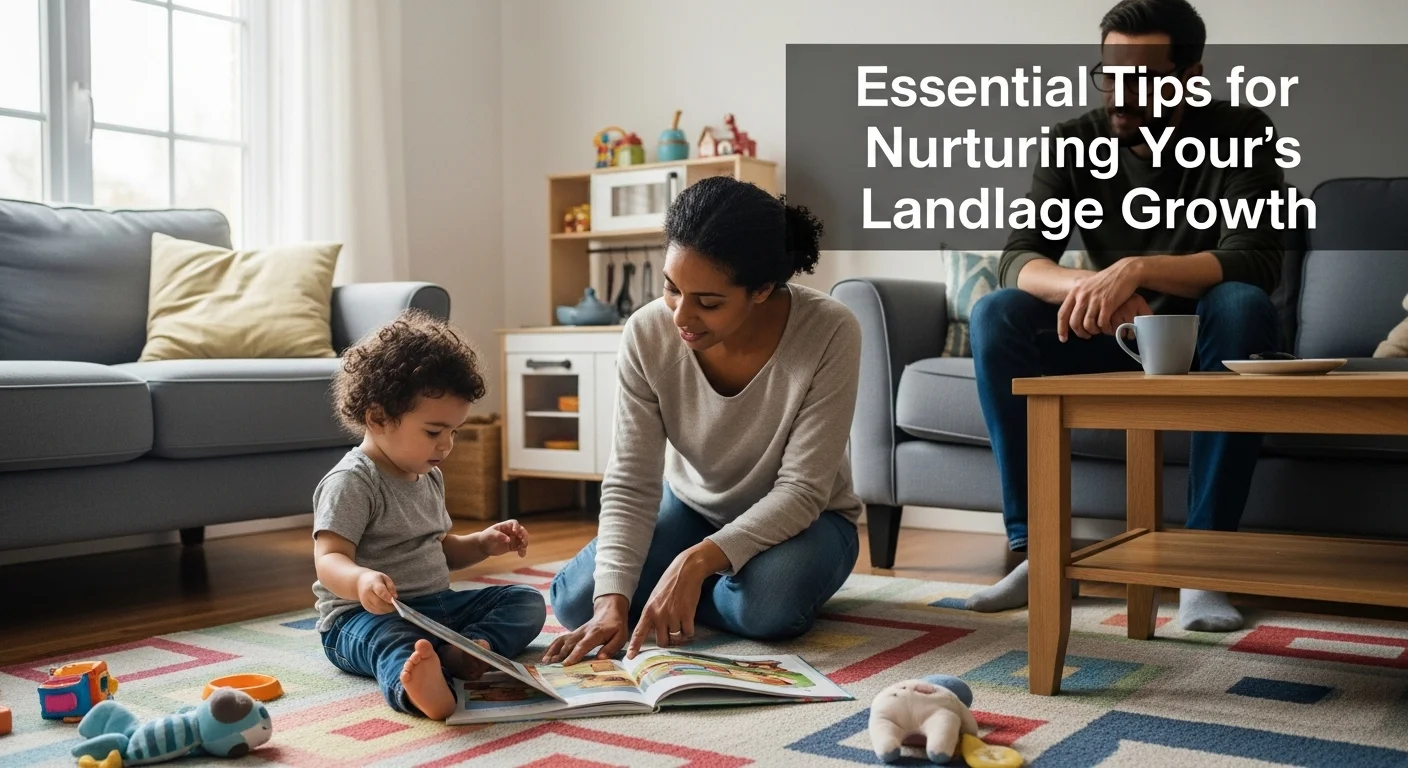
One of my favorite activities is reading aloud to my toddler. I found that sharing stories not only sparks her imagination but also introduces her to new vocabulary and ideas. I remember when we started incorporating daily storytime into our routine. At first, I thought it would be a challenge to keep her attention, but I was pleasantly surprised! She would sit on my lap, eyes wide with curiosity, as I read different books. I realized that the tone of my voice and the excitement in the story could make all the difference.
Choosing a variety of books has also been essential. I love mixing classic tales with interactive stories that require her to point out objects or predict what happens next. This interaction fosters engagement and connection. Plus, the more we read, the more I noticed her picking up words and even repeating phrases back to me. It’s a wonderful way to build her vocabulary and love for language.
Incorporating Music and Songs
Music has a magical way of bringing language to life. I can’t tell you how many silly songs have become a regular part of our day. Singing nursery rhymes or even just making up silly songs about our day-to-day activities has turned into a fun bonding experience. I’ve seen how rhythm and melody help my toddler remember words more easily.
One day, we were in the car, and I started singing about our trip to the park. She chimed in with her own words, and it turned into a little duet! I believe that infusing music into our language practice not only helps with memory but also makes learning so much more enjoyable. Plus, dancing around the living room while singing is a fantastic way to let loose and bond.
Utilizing Everyday Conversations
Everyday conversations are a treasure trove for language development. I started to realize that even mundane tasks could turn into language lessons. While cooking, I narrate what I’m doing, like “I’m cutting the carrots” or “We’re mixing the batter.” I found that this simple act of talking through my actions gave my toddler context for new words.
I also make an effort to ask open-ended questions. Instead of asking, “Do you want juice?” I might say, “What kind of drink would you like?” This encourages her to think and express her choices more fully. I’ve seen her respond with more than just “yes” or “no,” and it feels like a little victory each time. It’s amazing how these little conversations, sprinkled throughout our day, can enrich her language skills.
Encouraging Play-Based Learning
Play has been one of the most effective ways to support my toddler’s language growth. I love how play allows her to explore, experiment, and express herself freely. I’ve discovered that incorporating language into playtime can be incredibly beneficial. For example, when we play with her toy animals, I encourage her to name them and create stories about their adventures.
We also enjoy playing pretend. Whether she’s pretending to be a doctor or a chef, I encourage her to narrate what she’s doing. I’ve found that role-playing not only sparks creativity but also provides a safe space for her to practice using new words and phrases. These playful interactions have made learning seem effortless and fun.
Looking back on our journey, I can confidently say that a language-rich environment has made a significant impact on my toddler’s communication skills. It’s all about creating moments where language can flourish, whether through reading, singing, talking, or playing. By integrating these elements into our daily life, I feel like we’re building a strong foundation for her language skills while also creating cherished memories together.
Effective Communication Techniques
As I dove deeper into supporting my toddler’s language growth, I realized that the way we communicate plays a huge role in their development. I found that using effective communication techniques not only fosters language skills but also strengthens our bond as parent and child. Here are some strategies that have worked wonders for us.
Using Clear and Simple Language
One of the first things I learned was the importance of using clear and simple language when speaking with my toddler. I noticed that when I used complex sentences or big words, she would often look confused or lose interest. So, I made a conscious effort to simplify my language. Instead of saying, “Let’s go outside to play with the big ball,” I would say, “Let’s go play with the ball outside!”
This not only made it easier for her to understand but also helped her pick up new words in a more manageable way. I found that breaking down instructions into smaller, clearer steps worked wonders too. For example, instead of saying, “Put on your shoes and then come to the table,” I would say, “First, let’s put on your shoes. Then, we can go to the table.” I noticed she was more willing to follow along and engage in the process.
Active Listening Strategies
Active listening has been a game changer in our communication. I realized that when I truly listened to my daughter, it encouraged her to express herself more. When she shares her thoughts or stories, I make it a point to maintain eye contact, nod, and respond with enthusiasm. It’s amazing how a simple “Really? Tell me more!” can spark a whole conversation.
I also learned to avoid interrupting her, even when she was struggling to find the right words. I would patiently wait, allowing her the space to express herself at her own pace. This not only boosts her confidence but also teaches her that her thoughts and feelings are valued. I’ve seen her open up more, sharing her ideas freely, which has been so rewarding for both of us.
Encouraging Toddler Participation in Conversations
Encouraging my toddler to participate in conversations has been another effective technique. I found that asking her opinions or thoughts about simple topics can lead to fantastic discussions. For instance, when we’re deciding what to cook for dinner, I might ask, “What do you want to eat? Do you want pasta or chicken?”
This approach gives her a sense of control and importance. I would often see her light up when I asked for her input. It also leads to her using more words to express her preferences, moving beyond just “yes” or “no.” I love how this practice has turned our daily decisions into little conversations filled with learning opportunities.
Additionally, when we’re engaged in play or storytelling, I invite her to contribute ideas. I might say, “What do you think happens next?” or “What should our character do?” This not only sparks her imagination but also gets her involved in the conversation, enhancing her language skills while we have fun together.
Interactive Activities to Boost Language Skills
Creating interactive activities has been another key to enriching my toddler’s language skills. I’ve discovered that hands-on experiences make learning feel more natural and exciting for her. Here are some activities we enjoy that have proven beneficial. Read Interesting article: Top 10 Tips to Boost Your Toddler’s Language Skills
Storytelling and Narrative Skills
Storytelling has become one of our favorite activities. I remember the first time I encouraged my daughter to tell a story using her toys. I would set up a little scene with her dolls and ask her to explain what was happening. At first, she was shy, but slowly she started narrating adventures full of creativity.
This not only enhances her narrative skills but also encourages her to use descriptive language. I often join in, adding twists to the plot, which inspires her to think critically about the story. I love seeing her imagination soar, and it’s a wonderful bonding experience for us.
Word Games and Vocabulary Building
Word games have also played a significant role in our language journey. I introduced simple games like “I Spy” or rhyming games that keep her engaged while expanding her vocabulary. For example, when we play “I Spy,” I encourage her to describe what she sees instead of just naming it. This prompts her to think about colors, shapes, and actions, which greatly enriches her language skills.
I also love using flashcards with pictures and words. We make it a game by turning it into a matching exercise. The more we play, the more she becomes familiar with new words, and I’ve seen her excitement when she successfully matches a card. It’s rewarding to witness her progress and enthusiasm for learning.
Using Visual Aids and Props
Visual aids and props have transformed our learning sessions. I started incorporating pictures, puppets, and even everyday objects in our conversations. For example, when we read books, I would have related toys available to bring the stories to life. This connection between visuals and language has helped my toddler grasp concepts better.
We also enjoy using props during storytelling sessions. I found that when I use puppets to act out a story, it captures her attention and makes the experience interactive. She loves taking part in the storytelling by using the puppets, which not only boosts her language skills but also builds her confidence in speaking!
Engaging in Role-Play Scenarios
Role-playing is one of the most enjoyable ways to boost language skills. I often set up scenarios where we can pretend to be different characters, whether it’s playing house, pretending to be doctors, or even exploring a grocery store. I encourage her to express herself in her chosen role, which helps her practice new vocabulary in a fun context.
These role-play sessions allow her to explore language in a natural way, making it feel less like a lesson and more like an adventure. I remember one day we pretended to run a restaurant, and she took on the role of the chef, passionately describing her “special dish” to me. It was a beautiful moment that showcased her growth and creativity.
Reflecting on these activities, I can honestly say that interactive experiences have significantly enriched my toddler’s language development. By engaging in storytelling, games, and role-play, we create an environment where language flourishes, making every moment together an opportunity for growth. I feel incredibly grateful for this journey and all the memories we’re building along the way.
Leveraging Technology and Resources
In today’s digital age, I’ve discovered that technology can be a fantastic ally in supporting my toddler’s language development. While I value the traditional methods we’ve used, I also appreciate how various tools and resources can enhance our learning experiences. Here are some ways I’ve successfully integrated technology into our language journey.
Educational Apps and Websites
There are so many educational apps designed specifically for toddlers that can make learning language fun! I remember when I first downloaded a couple of language development apps; they were colorful and interactive, which immediately caught my daughter’s attention. One of our favorites included games that involved matching words to pictures, which helped reinforce vocabulary in a playful way.
Using these apps during screen time not only kept her engaged but also encouraged her to learn new words while having fun. I found that setting limits on screen time while providing a structured approach to using these resources worked best for us. It’s all about balance, and I feel good knowing we’re using technology to foster learning rather than distract from it.
Language Development Programs and Classes
We also explored language development programs and classes in our area. I was thrilled when I discovered a local preschool that offered storytelling and music classes for toddlers. These sessions provided a wonderful opportunity for her to interact with other children while learning in a structured environment. I remember the first class we attended together; it was filled with laughter, songs, and engaging activities that kept her captivated.
Classes like these can be a fantastic way to introduce new concepts and vocabulary while nurturing a love for learning. Plus, it was a great way for me to meet other parents who were on a similar journey, and we could share tips and experiences.
Choosing the Right Books and Materials
When it comes to boosting language skills, the right materials can make a world of difference. I made it a priority to curate a diverse selection of books and educational materials for my toddler. We visited our local library regularly, and I was amazed at how many resources were available for language development. I found it helpful to choose books that matched her interests, whether it was dinosaurs, princesses, or outer space. This way, she was more eager to engage during reading time.
I also discovered that interactive books with flaps and textures captured her attention more effectively. It was heartwarming to see her light up as she explored the different elements of a story. I truly believe that fostering a love for reading from an early age has been crucial in supporting her language growth.
Signs of Language Delays and When to Seek Help
As much as I’ve enjoyed this journey, I’ve learned that it’s equally important to be aware of signs of language delays. I’ve seen other parents express concerns, and I remember feeling a twinge of anxiety when comparing my child’s progress to others. Understanding what to look for can help us support our little ones better.
Identifying Language Delays
Some early signs that might indicate a language delay include not saying any words by the age of 15 months, not combining words by the age of two, or having difficulty following simple directions. I found it helpful to keep track of my daughter’s progress, and if I ever had doubts, I didn’t hesitate to reach out to her pediatrician for guidance. It’s essential to remember that every child develops at their own pace, but being proactive can make a difference.
Consulting Speech-Language Pathologists
If you suspect a delay, consulting a speech-language pathologist can provide valuable insights. I’ve heard wonderful stories from parents who sought help and found that early intervention made a significant difference in their child’s communication skills. These specialists can offer tailored strategies and activities that can support your child’s unique needs.
Resources for Parents and Caregivers
There are many resources available to help parents and caregivers navigate language development. Books, websites, and support groups can provide tips and reassurance along the way. I’ve found online forums and local parenting groups to be incredibly beneficial for sharing experiences and learning from others. It’s comforting to know we’re not alone on this journey.
Building a Supportive Community
As I reflect on our journey, I realize that building a supportive community has played a vital role in our experience. Connecting with other parents has offered me encouragement and new ideas to incorporate into our daily routines.
Engaging with Other Parents
Getting to know other parents in the community has opened up a world of shared experiences. I remember joining a local parenting group where we discussed our children’s language milestones and exchanged resources. It was great to know that others were navigating similar challenges and triumphs, and we learned so much from one another.
Joining Playgroups and Language Classes
Joining playgroups has also enriched our social interactions. I love how these groups provide opportunities for children to interact with peers while we parents facilitate conversations about language development. I’ve seen my daughter flourish in these settings, where she is encouraged to express herself freely and playfully.
Connecting with Local Libraries and Resources
Local libraries have become our go-to resources for language development. Besides just borrowing books, many libraries offer storytime sessions and workshops for toddlers. These activities have exposed my daughter to new vocabulary and storytelling techniques while allowing her to socialize with other kids. I’ve found that the more we engage with our community, the richer our experiences become.
Final Thoughts
Supporting my toddler’s language development has been a truly fulfilling journey. I’ve learned that it’s not just about the words they say but about creating a nurturing environment where they feel safe to explore and express themselves. By utilizing various techniques, resources, and a supportive community, we can foster a love for language that will last a lifetime. I encourage all parents to embrace this journey, celebrate the small victories, and remember that we are all in this together. Here’s to many more joyful moments of discovery in our children’s language growth!
Frequently Asked Questions
What are the stages of language development in toddlers?
Language development in toddlers typically unfolds in several stages, starting with cooing and babbling, then progressing to single words around the age of one, followed by two-word phrases at about 18 months, and short sentences by the age of two.
What are typical language milestones for toddlers?
By 12 months, many toddlers can say a few simple words. By 18 months, they often have a vocabulary of around 50 words and can start combining them into phrases. By age two, they may have about 200 words and can create sentences with two to three words.
Why are early language skills important for toddlers?
Early language skills set the foundation for future learning, helping with social interactions, cognitive development, and emotional expression. They also play a crucial role in reducing tantrums and enhancing the parent-child relationship.
How can parents create a language-rich environment for their toddlers?
Parents can create a language-rich environment by intentionally incorporating language into daily routines, such as reading aloud, singing songs, engaging in conversations, and encouraging play-based learning.
What role does reading aloud play in a toddler’s language development?
Reading aloud to toddlers sparks their imagination, introduces new vocabulary and ideas, and helps build their love for language. It also fosters engagement and connection between parent and child.
How can music and songs enhance language learning for toddlers?
Music and songs can help bring language to life by aiding memory and making learning enjoyable. Singing nursery rhymes or creating silly songs about daily activities can enhance a toddler’s vocabulary and language skills.
What effective communication techniques can support a toddler’s language growth?
Using clear and simple language, practicing active listening, and encouraging participation in conversations are effective communication techniques that can foster a toddler’s language development.
What interactive activities can boost language skills in toddlers?
Interactive activities such as storytelling, word games, using visual aids, and engaging in role-play scenarios can significantly enrich a toddler’s language development and make learning feel natural and fun.
When should parents be concerned about language delays in their toddlers?
Signs of potential language delays include not saying any words by age 15 months, not combining words by age two, or having difficulty following simple directions. If concerns arise, parents should consult a pediatrician for guidance.
How can parents build a supportive community for language development?
Parents can build a supportive community by engaging with other parents, joining playgroups and language classes, and connecting with local libraries that offer resources and activities focused on language development.