
Playdates can be a delightful and enriching experience for toddlers, but they don’t have to break the bank. With a little creativity and planning, we can create memorable moments for our little ones without spending a fortune. Read Interesting article: Top Budget Travel Tips to Enhance Toddler Social Interaction
Understanding the Importance of Playdates for Toddlers
The Role of Socialization in Early Development
When I first became a parent, I quickly realized how vital socialization is for toddlers. Playdates offer them a chance to interact with peers, which is crucial for their emotional and social development. I’ve seen firsthand how these interactions help my child understand sharing, communication, and empathy. Watching them navigate their friendships, even at such a young age, has been eye-opening. I remember one playdate where my child, usually shy, opened up and started playing with a new friend. It was a small moment, but it felt like a huge step in their development. Read Interesting article: Exploring the World: Social Development for Your Toddler
Benefits of Playdates for Toddlers
Playdates are not just about having fun; they offer several benefits that I’ve found to be important in my parenting journey. Here are a few key advantages I’ve noticed:
- Improved Social Skills: Through play, toddlers learn to share, take turns, and cooperate. I’ve seen my child learn these skills in real-time during playdates.
- Emotional Growth: Interacting with others helps toddlers express themselves better. I remember when my child had a minor conflict with a playmate; it was a teachable moment about expressing feelings.
- Increased Independence: Having playdates allows kids to explore their independence while still feeling safe. I’ve watched my child blossom into a more confident little person during these social interactions.
These benefits make playdates a vital part of early childhood, and I believe fostering these experiences can help shape our children into well-rounded individuals.
Planning Playdates on a Budget
Setting a Budget: How Much to Spend
As much as I cherish these playdates, I’ve learned to keep an eye on the budget. Setting a clear limit before planning can help us stay on track. I usually decide on a budget based on what I can comfortably spend, considering factors like snacks, activities, and any supplies needed. I’ve found that around $20 to $30 per playdate is manageable without feeling stressed. This amount allows for some fun while still being mindful of my overall expenses.
Choosing the Right Time and Place
Timing and location can make or break a playdate experience. I’ve experimented with various settings and times, and I’ve found that weekends or late afternoons work best for our family. As for location, I prefer hosting at home or visiting local parks. Both options provide a familiar space for my child and their friends. Hosting at home lets me control the environment, which is comforting for both me and the kids. Plus, it gives me a chance to showcase my toddler’s favorite toys, making the playdate even more special.
When choosing a time, I also consider the other parents’ schedules. It’s great to coordinate with friends to find a time that works for everyone. I remember one playdate that got rescheduled multiple times due to conflicting schedules, but when it finally happened, it was worth the wait. The kids had a blast, and the parents were relaxed and happy.
Fun and Affordable Activities for Playdates
Outdoor Activities: Parks and Playgrounds
I’ve discovered that outdoor playdates are often the most enjoyable for toddlers. Parks and playgrounds are typically free and packed with opportunities for fun. I love taking my child to our local park, where they can run, jump, and climb. I usually bring along a few toys, like a soccer ball or a frisbee, to keep things exciting. Once, we set up a mini obstacle course using park benches and cones, which turned out to be a hit!
Creative Indoor Activities: Arts and Crafts
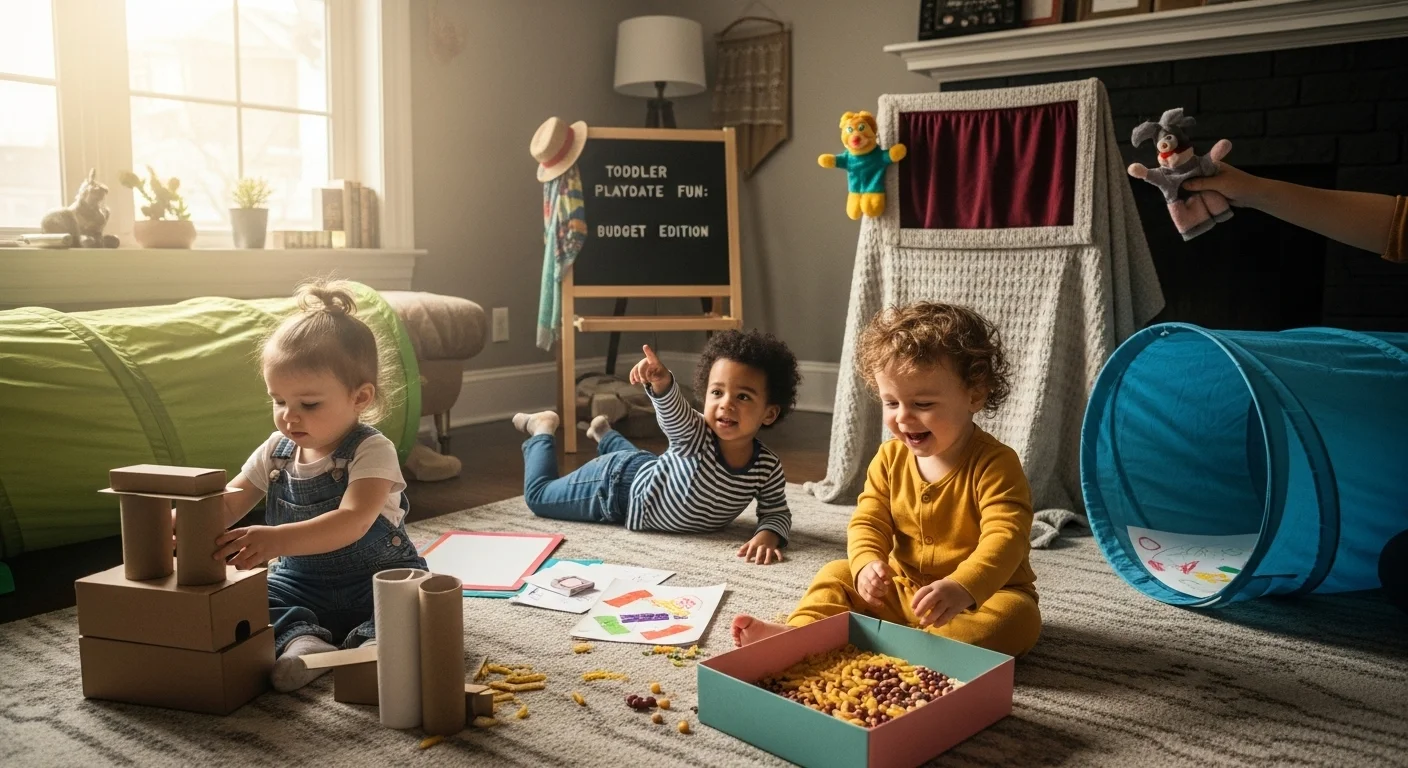
On rainy days, or when we want to stay indoors, arts and crafts can be a fantastic way to spend time together. I often gather supplies like paper, crayons, and stickers from around the house. It’s amazing how much creativity can come from simple materials. I remember one playdate where we made friendship bracelets using pasta and string. It turned into a fun little competition to see who could make the most colorful one!
Simple Games: Classic Toddler Games to Play
Classic games also bring joy to playdates without needing fancy equipment. Games like “Simon Says,” “Duck, Duck, Goose,” or even a simple treasure hunt can keep toddlers entertained for hours. I’ve seen how much laughter and excitement these games bring. For my child’s last playdate, we organized a treasure hunt in the backyard, which was a huge success. The giggles and squeals of delight made it all worthwhile!
As I continue to navigate the world of toddler playdates, I’m learning that with a little creativity and planning, we can create memorable experiences that don’t strain our wallets. The joy I see in my child’s face during playdates makes every effort worth it. Read Interesting article: Traveling with Toddlers: Key Tips for Social Engagement
Snack Ideas for Toddler Playdates
Healthy and Budget-Friendly Snack Options
When it comes to playdates, snacks are a must! I’ve learned that keeping these snacks simple, healthy, and budget-friendly is key. Toddlers have a knack for being picky, so I aim for options that are not only nutritious but also appealing. One of my go-to snacks is cut-up fruit. I often grab whatever is in season—apples, bananas, or berries. Not only are they affordable, but they also provide a natural sweetness that kids love. I remember one playdate where I made a colorful fruit platter, and the kids couldn’t get enough! It was a hit and made me feel good knowing they were eating something healthy.
Another favorite is whole-grain crackers paired with cheese or hummus. I often buy these items in bulk to save money. I’ve found that a simple cheese plate with various shapes of cheese can be a fun way to introduce new flavors. The kids enjoy picking their favorites, and it’s great for their little fingers to practice fine motor skills while snacking. During one playdate, I set up a little “snack station,” and the kids had a blast choosing their own snacks. It turned a simple activity into a fun experience!
DIY Snack Ideas for Kids
Sometimes, I like to add a little flair to our snack time by getting crafty. I’ve discovered that DIY snacks can be a fun activity on their own. For instance, we’ve made our own mini-pizzas using whole-wheat English muffins, tomato sauce, and various toppings. The kids love to assemble their pizzas, and it’s a great way to get them excited about what they’re eating. I remember the joy on their faces as they sprinkled cheese and added pepperoni pieces!
Another fun idea is to create “ants on a log.” This simple snack involves spreading peanut butter or cream cheese on celery sticks and topping them with raisins. I’ve noticed that kids enjoy the process of making their own snacks. It’s not just about eating; it’s about being part of the creation. On one occasion, we had a little competition to see who could make the longest “log,” and it turned out to be an entertaining way to engage the kids while filling their tummies!
I also think about presentation. Sometimes, I use cookie cutters to create fun shapes out of sandwiches or fruits. It adds an element of excitement, and I’ve found that kids are more likely to try something new if it looks appealing. One of my favorite moments was when I cut sandwiches into star shapes, and the kids insisted they were “magic sandwiches.” The power of creativity never ceases to amaze me!
Inviting Other Parents: Tips for Communication
How to Set Playdate Expectations with Other Parents
As playdates become a regular part of our lives, I’ve realized that communication with other parents is crucial. Setting clear expectations can help everyone feel comfortable and on the same page. When I invite fellow parents, I usually send a message outlining the plan, including the date, time, and location. I find that being upfront about the snacks and activities planned helps create a relaxed atmosphere. I often include a note asking if their child has any allergies or preferences, which shows that I care and want to accommodate their needs.
I remember one instance where I invited a new friend from my child’s preschool. I reached out to discuss what worked best for her child, and it made a world of difference. We were both able to prepare accordingly, and it resulted in a smooth and enjoyable playdate. Establishing this line of communication not only eases any worries but also lays the groundwork for future get-togethers.
Creating a Comfortable Environment for Parents
While the kids are having fun, I think it’s important to create a comfortable space for the parents, too. I often set up a cozy corner where parents can relax and chat while keeping an eye on the kids. A few comfy chairs and some light snacks for the adults go a long way. I’ve learned that playdates can be a great opportunity for parents to connect, share tips, and even unwind. I try to keep the atmosphere light and friendly, encouraging everyone to feel at ease.
During one memorable playdate, I invited a couple of moms over, and we ended up sharing parenting stories while the kids played. It was heartwarming to see how much we all had in common, and it made the experience even more enjoyable. I believe that fostering connections among parents is just as important as creating fun moments for our kids. By being attentive and welcoming, we can transform playdates into enriching experiences for everyone involved.
Safety Considerations During Playdates
Childproofing Your Space for Playdates
When I first started hosting playdates, I quickly learned that ensuring a safe environment for the kids was paramount. Childproofing doesn’t have to be a huge hassle, but it does require some thought and planning. I remember walking through my home, looking for anything that could potentially be a hazard. I made a checklist for myself: covering sharp corners, securing electrical outlets, and putting away any small items that could become choking hazards.
I also took a look at my furniture arrangement. I noticed that moving the coffee table a little further from the couch created more space for the kids to play freely. Additionally, I made sure to keep any breakable items out of reach. It’s amazing how much peace of mind comes from knowing that the space is safe for little explorers. I even designated a safe play zone, complete with soft toys and cushions, which became the kids’ favorite area during playdates!
Another tip I found helpful is having a first-aid kit easily accessible. I keep one in plain sight but out of reach of the kids, just in case of any minor accidents. It’s a small step, but it makes me feel more prepared and relaxed during playdates. I remember one instance when a little friend tripped and scraped their knee. Having the first-aid kit ready made it easy to clean up the boo-boo quickly, which helped minimize any tears.
Supervision Tips for Parents
Supervision during playdates is crucial—after all, toddlers can be unpredictable! In my experience, I’ve found that it helps to have a designated adult in charge of overseeing the kids, especially when there are several children involved. I usually coordinate with another parent or ask a friend to join me. This way, we can take turns keeping an eye on the kids while also enjoying some adult conversation.
I’ve learned that it’s helpful to position ourselves where we can see all the kids at once. For instance, if we’re in the backyard, I like to sit on the patio while still keeping an eye on the swings or the playhouse. It allows me to intervene if necessary, but it also gives the kids a sense of independence. Noticing them explore and interact with one another gives me joy, and I think it fosters their confidence too.
Another tip I’ve adopted is using a gentle reminder about safety rules before the playdate starts. I casually explain things like sharing toys and playing gently. I’ve found that a short chat can go a long way in setting the tone for the day. During one playdate, I noticed a couple of kids getting a bit too rowdy with a toy. I stepped in and reminded them of the sharing rules, which helped restore harmony without disrupting their fun.
Lastly, I always make sure to have a backup plan for activities. Sometimes, things don’t go as planned, and that’s okay! If one game doesn’t engage the kids, having another activity ready to go keeps the energy flowing and helps prevent any potential disagreements. I’ve seen how quickly the mood can shift, and being prepared for those moments can keep the playdate enjoyable for everyone.
Managing Different Temperaments and Play Styles
Understanding Toddler Behavior in Social Settings
Every child is unique, and I’ve noticed that their different temperaments can significantly affect playdate dynamics. Some kids are naturally outgoing, while others might be more reserved. I’ve learned to embrace these differences and not rush any child into social interactions. For instance, during one playdate, I had a shy friend whose toddler preferred to observe rather than jump right in. I remember giving them the space they needed while encouraging them with small invitations to join in on activities.
I’ve also found it helpful to pay attention to how the kids interact with one another. For example, I noticed that my child enjoys imaginative play, while another little friend prefers more structured games. I try to provide a mix of activities that cater to both play styles, allowing for free play and also organizing games that require teamwork. The key is to be flexible and ready to adapt based on how the kids respond. It’s a learning experience for all of us!
Encouraging Positive Interactions Among Toddlers
Creating an environment that fosters positive interactions is something I prioritize during playdates. I’ve found that modeling good behavior is essential. I often demonstrate sharing and taking turns, letting my child see these actions in real-time. I’ve seen how powerful it can be when they witness their peers engaged in cooperative play. It reinforces the lessons I try to teach at home.
Another effective strategy is to highlight their achievements. When I see kids sharing toys or helping each other, I make it a point to acknowledge their behavior. I might say something like, “Wow, look at how nicely you’re sharing that toy!” This kind of positive reinforcement encourages them to continue those behaviors. I remember a time when two kids worked together to build a tower out of blocks. Their excitement and pride were contagious, and it inspired others to join in and collaborate.
Lastly, I always make myself available to mediate if any conflicts arise. It’s important to teach kids how to resolve disagreements in a constructive way. I encourage them to express their feelings and guide them in finding a solution together. I’ve found that facilitating these moments helps them develop important conflict-resolution skills that will serve them well as they grow.
Frequently Asked Questions
What are the benefits of playdates for toddlers?
Playdates help toddlers improve their social skills, experience emotional growth, and increase their independence. They provide opportunities for sharing, communication, and empathy, which are crucial for early development.
How can I plan a playdate on a budget?
To plan a budget-friendly playdate, set a clear spending limit, typically around $20 to $30. Choose suitable times and locations, such as weekends or local parks, and host at home if possible to save costs.
What are some affordable activities for toddler playdates?
Affordable activities include outdoor play at parks, creative indoor arts and crafts, and classic toddler games like “Simon Says” or treasure hunts. These activities can be engaging and enjoyable without needing expensive materials.
What are some healthy snack options for toddlers during playdates?
Healthy snack options include cut-up seasonal fruit, whole-grain crackers with cheese or hummus, and DIY snacks like mini-pizzas or “ants on a log.” These snacks are nutritious, budget-friendly, and appealing to toddlers.
How can I communicate expectations with other parents for playdates?
Set clear expectations by sending a message that outlines the date, time, location, and planned snacks or activities. Inquire about any allergies or preferences to ensure everyone feels comfortable and accommodated.
What safety considerations should I keep in mind for playdates?
Childproof your space by covering sharp corners, securing electrical outlets, and removing small items that could be choking hazards. Designate a safe play zone and have a first-aid kit accessible for minor accidents.
What supervision tips can help during toddler playdates?
Designate an adult to oversee the kids and position yourself where you can see all the children. Remind them of safety rules before the playdate and have backup activities ready in case the original plans don’t engage the kids.
How can I manage different temperaments and play styles during playdates?
Be aware of each child’s temperament and provide a mix of activities that cater to different play styles. Allow shy children space to observe and adapt the playdate based on how the kids interact with one another.
How can I encourage positive interactions among toddlers during playdates?
Model good behavior by demonstrating sharing and taking turns, and acknowledge positive interactions to reinforce these behaviors. Be available to mediate conflicts and guide children in expressing their feelings and finding solutions.
What should I do if a child feels shy or reserved during a playdate?
Provide space for shy children and encourage them with small invitations to join activities. Respect their comfort level while gently inviting them to engage, ensuring they feel supported without pressure.