
Teaching emotional intelligence to kids is one of the most rewarding journeys I’ve embarked on as a parent and educator. It goes beyond academics, shaping our children into compassionate, resilient individuals. If you’re looking for ways to enhance this journey, Boost Your Child’s Emotional Intelligence on a Budget offers practical tips that can help.
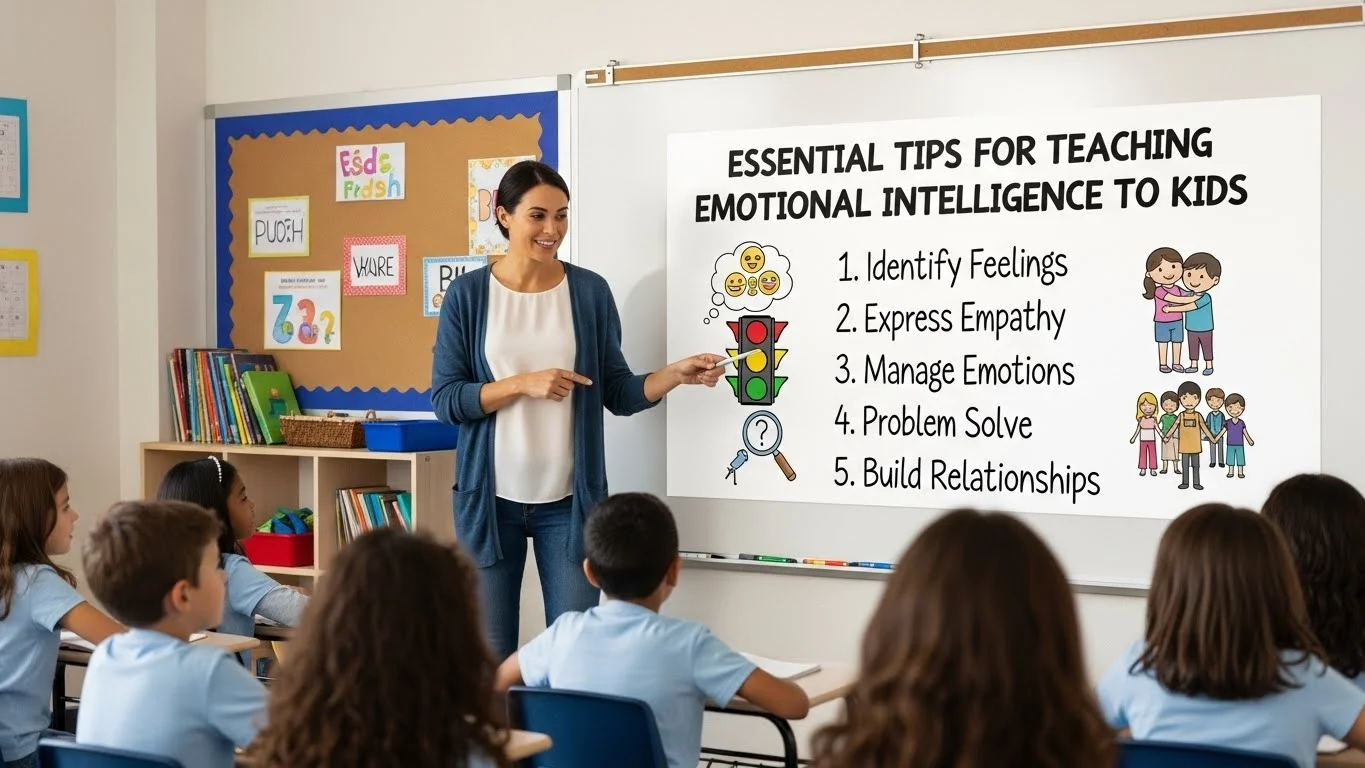
Understanding Emotional Intelligence
Definition of Emotional Intelligence
Emotional intelligence (EI) is the ability to understand and manage our own emotions while recognizing and influencing the emotions of others. I remember the first time I learned about EI; it felt like a light bulb went off in my head. I realized that emotions are not just feelings we experience but are also critical to how we connect with others and navigate our world. It’s about being aware of our feelings and how they affect our behavior and understanding how others might feel in different situations.
Importance of Emotional Intelligence in Childhood Development
In my experience, fostering emotional intelligence in children is crucial for their overall development. Research shows that kids with strong emotional intelligence tend to have better relationships, perform better academically, and exhibit greater resilience in facing challenges. I’ve seen it firsthand with my own children; when they are equipped to handle their emotions, they are more empathetic towards their peers and more confident in themselves. This development can lead to improved social skills, which is incredibly beneficial as they grow and enter new social environments, like school or extracurricular activities. For additional insights on enhancing social skills, you might find Travel Tips for Teaching Kids Social Skills on the Go useful.
Key Components of Emotional Intelligence
There are several key components to emotional intelligence that I find essential to teach children. These include self-awareness, self-regulation, motivation, empathy, and social skills. I focus on self-awareness by encouraging my kids to identify their feelings and understand the triggers behind them. Self-regulation comes into play when I guide them in managing their emotions effectively, especially during challenging situations. Motivation is about fostering a positive mindset, encouraging them to set and achieve personal goals. Empathy is crucial, as it helps them relate to others, and social skills are the glue that holds these elements together, allowing them to communicate and interact successfully with their peers.
Identifying Emotions
Teaching Kids to Recognize Their Emotions
One of the first steps in teaching emotional intelligence is helping kids recognize their emotions. I often sit down with my kids and ask them how they are feeling. This simple yet powerful practice has opened up so many conversations. I remember one day, my son seemed unusually quiet. When I asked him about it, he told me he felt “sad.” This moment sparked a discussion about why he felt that way and how he could express it. By encouraging them to name their emotions, I help them build a vocabulary for their feelings, which is a critical step in emotional awareness.
Using Emotion Charts and Visual Aids
Emotion charts have been a game changer in our house. I found a colorful chart online that lists various emotions with corresponding facial expressions. Every morning, I encourage my kids to point to how they’re feeling. This visual aid helps them articulate their emotions better. It’s fascinating to see how they connect with the images; it almost becomes a playful routine. I remember one week, my daughter picked “frustrated” multiple times while working on her homework, and we used that as an opportunity to discuss strategies for managing those feelings.
Engaging in Role-Playing Activities
Role-playing is another effective way to teach kids about emotions. I often set up scenarios where they can practice identifying feelings and responding appropriately. For instance, we might act out a situation where one child feels left out during a game. I find that by stepping into someone else’s shoes, my kids gain a deeper understanding of empathy and how to respond to others’ emotions. I love how creative they get with these activities, and it allows for laughter and learning at the same time.
Through these engaging methods, I’ve seen my children become more adept at recognizing their feelings and the feelings of those around them. They are starting to understand that emotions are valid and that it’s okay to express them. As we continue this journey, I know we are laying a strong foundation for their emotional intelligence that will benefit them throughout their lives. For parents with toddlers, Navigating Emotional Regulation for Toddlers on the Go can offer additional strategies.
Developing Empathy
Understanding Others’ Feelings
As I’ve delved deeper into teaching emotional intelligence, one of the most powerful aspects I’ve focused on is empathy. I believe that understanding others’ feelings is a vital life skill. When my kids can recognize what someone else might be experiencing, it opens up a whole new level of connection and compassion. I often remind them that while we all have our own experiences, others have their own stories too. For example, when my daughter sees a classmate upset, I encourage her to think about what might be causing that sadness. This practice has helped her develop a genuine concern for others, and I can see her actively trying to support her friends. It’s heartwarming to watch them extend kindness and understanding, not just to their friends, but also to family members and even strangers.
Encouraging Perspective-Taking Exercises
Perspective-taking is an important part of empathy, and I’ve found a few exercises that really resonate with my kids. One of our favorites involves discussing different scenarios and asking them how they think various people might feel in those situations. For instance, if we talk about a character in a story facing a challenge, I ask them what they would feel if they were in that character’s shoes. This not only sparks interesting conversations but also encourages them to recognize and validate different emotions. I remember a time when we watched a movie and afterward discussed a character’s choices. My kids shared their thoughts on why that character acted the way they did, and it opened their eyes to the complexities of human emotions. These small discussions are so impactful and help build a foundation for empathy.
Reading Books that Promote Empathy
Books have also played a significant role in our empathy journey. I love choosing stories that highlight diverse characters and their experiences. Reading together not only helps us bond but also provides a jumping-off point for discussing feelings. I often choose books where characters face challenges or emotions that my kids can relate to. After reading, I ask questions like, “How do you think the character felt?” and “What would you do in their place?” I remember one particular book about a young girl who befriends a new student who feels alone. My children were so moved by the story that they immediately wanted to include their own classmates who might feel left out. It’s amazing how a simple story can spark such profound conversations and actions!
Effective Communication Skills
Teaching Expressive Language for Emotions
Effective communication is key to emotional intelligence, and I’ve made it a priority to teach my kids to express their feelings in words. I encourage them to use descriptive language when discussing their emotions. Instead of saying “I’m sad,” I prompt them to elaborate with phrases like “I feel disappointed because my friend couldn’t come over.” This not only helps them articulate their feelings better but also aids in processing their emotions. I often share my experiences to model how I express my own feelings, which provides them with relatable examples. The more they practice this kind of expressive language, the more confident they become in sharing their feelings with me and others.
Practicing Active Listening Techniques
Another critical skill is active listening. I’ve found that when my kids actively listen to others, it enhances their empathy and strengthens relationships. I teach them to give their full attention when someone is speaking, making eye contact, and responding thoughtfully. We practice this during family discussions or even at the dinner table. Sometimes, I’ll ask them to share a story, and I encourage the others to listen without interrupting. This practice has made a noticeable difference in how they interact with friends and family. I’ve seen them become more engaged listeners, which is such an essential skill that will serve them well throughout their lives.
Modeling Calm and Respectful Dialogue
Modeling calm and respectful dialogue has been a big part of our journey. I firmly believe that children learn a lot from observing us. When disagreements arise, I make it a point to demonstrate how to communicate calmly and respectfully. I remember one instance when my spouse and I had a disagreement in front of the kids. Instead of raising our voices, we took a moment to express our feelings and opinions without blaming each other. Afterward, I discussed with my kids how important it is to communicate even during difficult conversations. I’ve noticed that they’ve started to mimic this behavior, showing patience and respect during their own disagreements. It’s truly rewarding to see them apply these lessons in their interactions with friends and peers.
Managing Emotions
Strategies for Self-Regulation
When it comes to emotional intelligence, self-regulation is a crucial skill that I’ve worked hard to instill in my children. I believe that teaching them how to manage their emotions is essential for their well-being. One effective strategy I’ve introduced is the “pause and breathe” technique. Whenever my kids feel overwhelmed, I encourage them to take a moment to pause and take deep breaths. This simple practice has helped them calm down and think more clearly before reacting. I often remind them that it’s okay to feel angry or frustrated, but how we handle those emotions is what matters. I’ve seen them use this technique when faced with challenging situations, and it fills me with pride to watch them take charge of their feelings.
Introducing Mindfulness and Relaxation Techniques
Mindfulness has also been a game changer in our home. I’ve introduced my kids to simple mindfulness exercises, such as focusing on their breath or engaging in guided imagery. We often set aside a few minutes for mindfulness practice, especially after a long day. I remember one evening when my daughter was particularly anxious about an upcoming test. We sat together, and I guided her through a visualization exercise. By the end, she felt more relaxed and ready to face the challenge. I truly believe that incorporating mindfulness into their routine has helped them develop a greater sense of awareness and control over their emotions.
Dealing with Anger and Frustration
Anger and frustration are natural emotions that everyone experiences, and I’ve made it a priority to teach my kids how to deal with these feelings constructively. One approach I’ve taken is to create an “anger toolbox” where they can store strategies for managing anger. This toolbox includes techniques like counting to ten, using “I feel” statements, or even physical activities like jumping jacks to release pent-up energy. I’ve encouraged my kids to turn to their toolbox when they feel angry or frustrated, and it’s heartening to see them finding healthy outlets for those emotions. Recently, my son used a deep-breathing technique when he felt frustrated while building a Lego set, and it worked wonders. It’s moments like these that remind me of the importance of proactive emotional management.
Building Social Skills
Encouraging Cooperative Play and Teamwork
Cooperative play has been an essential aspect of my children’s social development. I believe that engaging in activities that require teamwork teaches them valuable lessons about collaboration and compromise. I often set up playdates or group activities, where my kids must work together to achieve a common goal, like building a fort or completing a puzzle. During these activities, I notice how they learn to communicate their ideas and listen to one another. I remember one particular afternoon when my kids invited a few friends over to build a backyard obstacle course. They had to discuss and agree on the design, which led to some lively debates. Watching them negotiate and come to a consensus filled me with pride and joy. It’s amazing how play can be a powerful teacher of social skills.
Setting Up Group Activities for Social Interaction
In our experience, creating opportunities for group activities has been key to enhancing my kids’ social skills. I often organize family game nights or neighborhood sports games. These activities not only bring fun but also offer a chance to practice important social interactions, such as taking turns, sharing, and being supportive teammates. I remember the first time we hosted a neighborhood soccer match; it was a bit chaotic, but it brought everyone together. My kids learned the value of sportsmanship, cheering each other on, and even dealing with disappointment when things didn’t go as planned. They began to grasp that social interactions can be both joyous and challenging, but that’s part of the experience.
Teaching Conflict Resolution Skills
Conflict is a natural part of any relationship, and I’ve found it vital to teach my kids how to navigate disagreements constructively. We often discuss potential conflicts they might face, whether it’s at school or during playdates. I encourage them to think about how they would feel in those situations and how they might approach resolving the issue. For instance, when my daughter came home upset about a disagreement with a friend, we talked it through. I guided her in expressing her feelings and finding a way to communicate her concerns respectfully. I’ve also introduced the “cool-down” method, where they take a few moments to breathe and reflect before discussing the issue. This approach has helped them learn to manage their emotions and resolve conflicts amicably.
Creating a Supportive Environment
Fostering Open Discussions About Emotions
I firmly believe that fostering open discussions about emotions at home is crucial for my kids’ emotional intelligence. I try to create a safe space where they feel comfortable sharing their feelings without fear of judgment. During dinner, we often have “feelings check-ins,” where everyone shares one emotion they felt during the day. This practice not only encourages them to express themselves but also helps us connect as a family. I remember one evening when my son shared he felt “overwhelmed” with schoolwork. That led to a productive conversation about managing stress and finding balance, and it reassured him that he wasn’t alone in facing challenges.
Establishing Trust and Safety in Relationships
Building trust is fundamental in nurturing emotional intelligence. I strive to be a reliable source of support for my kids. I make it a point to listen actively when they share their worries or frustrations, ensuring they feel heard and understood. I often remind them that my love and support are unconditional, which creates a sense of safety for them to express their feelings. One memorable moment was when my daughter had a tough day at school. She opened up about feeling anxious about a presentation. I reassured her that it’s okay to feel nervous and shared my own experiences with public speaking. This openness not only strengthened our bond but also encouraged her to tackle her fears with confidence.
Encouraging Emotional Expression Through Art and Play
Art and play have been wonderful outlets for emotional expression in our home. I frequently encourage my kids to use creative activities, like drawing or crafting, to express their feelings. I remember one afternoon when they were feeling a bit down. Instead of letting those emotions linger, we sat down with some art supplies and created “emotion paintings.” Each child picked a color that represented how they felt and used it to create a piece of art. This activity helped them articulate their emotions visually and provided a therapeutic release. I’ve noticed that using creative outlets allows them to explore their feelings in a different way, and it often leads to deeper conversations about their emotions.
Resources for Teaching Emotional Intelligence
Books and Literature for Kids
Books have been an invaluable resource for teaching emotional intelligence in our family. I love finding stories that resonate with my kids’ experiences. There are so many wonderful books that explore emotions and relationships. I often take trips to the library and let my kids pick out books that interest them. After reading, we always have discussions about the characters’ feelings and choices. I remember one book that dealt with friendship and conflict, which prompted my kids to share their thoughts and feelings about their own friendships. It’s incredible how literature can open up so many avenues for learning and understanding.
Workshops and Programs for Parents and Educators
I’ve also sought out workshops and programs focused on emotional intelligence for both myself and my kids. Attending these sessions has provided me with new tools and strategies. I remember a parenting workshop I attended that focused on emotional intelligence; it was enlightening. The facilitator shared practical techniques and encouraged us to practice them at home. It was inspiring to meet other parents who shared similar goals. I find that these programs can be a great addition to our journey, as they offer fresh insights and foster a sense of community among parents.
Online Tools and Apps for Emotional Learning
In our digital age, I’ve discovered that online tools and apps can also be valuable resources for teaching emotional intelligence. There are several interactive apps that help children learn about emotions through games and activities. I’ve found that my kids enjoy using these apps, and they often lead to engaging conversations afterward. For instance, one app encourages kids to identify emotions in various scenarios, which has been a fun way to reinforce what we’ve been learning together. I appreciate how technology can complement our efforts in fostering emotional intelligence.
Measuring Progress in Emotional Intelligence
Observing Behavioral Changes
As we continue on this journey of nurturing emotional intelligence, I’ve learned the importance of observing behavioral changes in my children. I pay attention to how they handle emotions and social interactions, noting improvements over time. For example, I’ve seen my daughter become more adept at recognizing when her friends are upset and offering support. These small yet significant changes reassure me that we’re on the right track. I often take a moment to celebrate their progress, reinforcing their growth and encouraging them to keep developing these skills.
Feedback from Teachers and Caregivers
Feedback from teachers and caregivers has also provided valuable insights into my children’s emotional development. I often engage in conversations with their teachers to learn how they perceive my kids’ emotional and social skills in the classroom. Recently, my son’s teacher expressed how impressed she was with his ability to mediate conflicts among peers. Hearing this from an outside perspective was uplifting, and it reassured me that our efforts at home are paying off. I find that maintaining open communication with educators creates a holistic approach to emotional learning.
Setting Goals for Emotional Growth
Setting specific goals for emotional growth has been a beneficial practice in our family. I encourage my kids to identify areas they want to improve in, whether it’s becoming better listeners or managing their emotions more effectively. We regularly check in on these goals and celebrate their progress. I remember when my daughter set a goal to express her feelings more openly; we created a chart together to track her progress. This approach not only keeps them accountable but also empowers them to take ownership of their emotional learning journey.
Frequently Asked Questions
What is emotional intelligence?
Emotional intelligence (EI) is the ability to understand and manage our own emotions while recognizing and influencing the emotions of others. It involves being aware of our feelings and how they affect our behavior, as well as understanding how others might feel in different situations.
Why is emotional intelligence important for children?
Fostering emotional intelligence in children is crucial for their overall development. Research shows that kids with strong emotional intelligence tend to have better relationships, perform better academically, and exhibit greater resilience in facing challenges.
What are the key components of emotional intelligence?
The key components of emotional intelligence include self-awareness, self-regulation, motivation, empathy, and social skills. Each component plays a crucial role in helping children manage their emotions and connect with others.
How can I teach my child to recognize their emotions?
One effective way to teach kids to recognize their emotions is by having open conversations about their feelings. Using emotion charts and visual aids can also help them articulate their emotions better. Additionally, engaging in role-playing activities can provide practical experiences in identifying and responding to emotions.
What techniques can help children develop empathy?
To develop empathy, children can practice perspective-taking exercises, such as discussing different scenarios and how various people might feel in those situations. Reading books that highlight diverse characters and their experiences also promotes empathy by facilitating discussions about feelings.
What skills are essential for effective communication in emotional intelligence?
Essential skills for effective communication in emotional intelligence include expressive language for emotions, active listening techniques, and modeling calm and respectful dialogue during discussions and disagreements.
How can parents help children manage their emotions effectively?
Parents can help children manage their emotions by teaching self-regulation strategies, such as the “pause and breathe” technique, and introducing mindfulness and relaxation exercises. Creating an “anger toolbox” with various strategies for dealing with anger and frustration is also beneficial.
What role does cooperative play have in developing social skills?
Cooperative play is vital for social development as it teaches children valuable lessons about collaboration, communication, and compromise. Engaging in group activities encourages teamwork and helps children practice important social interactions.
How can parents create a supportive environment for emotional expression?
Creating a supportive environment for emotional expression involves fostering open discussions about emotions, establishing trust and safety in relationships, and encouraging emotional expression through art and play. It’s important for parents to listen actively and provide reassurance to their children.
What resources can help teach emotional intelligence to kids?
Resources for teaching emotional intelligence include books and literature that explore emotions, workshops and programs for parents and educators, and online tools and apps that provide interactive learning experiences. These resources can complement the efforts made at home.