
Planning a family trip can be thrilling, but ensuring your kids are healthy and protected is essential. Understanding travel vaccinations is key to having a worry-free adventure with your little ones. Read Interesting article: Stay Healthy: The Importance of Vaccinations While Traveling
Understanding Travel Vaccinations
What Are Travel Vaccinations?
Travel vaccinations are immunizations designed to protect travelers from diseases that are more common in certain parts of the world. I remember when my family planned our first overseas trip; I was overwhelmed by the number of vaccinations we needed. Each vaccine serves a specific purpose, targeting diseases that are prevalent in the areas we were visiting. For instance, before heading to a tropical destination, we learned about vaccinations for diseases like yellow fever and typhoid. It was enlightening to see how these vaccinations could prevent serious health issues while traveling. Travel Vaccines You Need: A Guide for Every Age
Why Vaccinations Are Important for Kids
Getting your kids vaccinated before travel is crucial for several reasons. First, children often have weaker immune systems compared to adults, making them more susceptible to infections. I’ve always believed that keeping our kids healthy is a top priority, especially when we’re exposing them to new environments and potential health risks. Additionally, some countries require proof of vaccination before allowing entry, so being proactive can save us from last-minute surprises at the airport.
Moreover, travel vaccinations not only protect your child but also the communities you visit. By ensuring that your kids are vaccinated, we help prevent the spread of diseases that could impact local populations. I feel a sense of responsibility as a parent to contribute to the health of others while traveling.
Common Misconceptions About Travel Vaccinations
Throughout my journey as a parent, I’ve encountered various misconceptions about travel vaccinations that I think are worth addressing. One common belief is that vaccines are only necessary for long trips or exotic destinations. However, even short trips to popular tourist spots can pose health risks. I learned the hard way that even a visit to a well-known city can expose us to unique diseases that we wouldn’t encounter back home.
Another misconception I’ve encountered is that vaccines can cause illnesses. I used to worry about potential side effects, but I found that serious reactions are quite rare compared to the risks of contracting an illness. My pediatrician reassured me that the benefits far outweigh the potential side effects, and this was an important lesson for me as a parent.
Some parents also believe that if their child has received routine vaccinations, they won’t need any additional travel-specific vaccines. This isn’t always the case, as travel vaccinations are tailored to the specific risks of the destination. For instance, I discovered that even if my kids had their MMR shots, they still needed a hepatitis A vaccine for our trip to Mexico.
Understanding these misconceptions helped me make informed decisions about my children’s health when traveling. I believe that arming ourselves with accurate information about travel vaccinations is key to ensuring our kids stay safe and healthy while exploring the world.
Recommended Vaccinations by Destination
Vaccinations for Popular Family Travel Destinations
Europe
Traveling to Europe is a popular choice for families, and while the health risks may be lower compared to other destinations, it’s still important to consider vaccinations. Depending on which countries you plan to visit, vaccines like MMR and DTP are essential. Some areas may also recommend the meningococcal vaccine, especially for longer stays or if you plan to visit crowded places.
Asia
Asia presents a different set of health considerations. Countries like Thailand and India have specific health risks that can be mitigated by vaccinations. For example, hepatitis A and typhoid vaccines are often recommended for these destinations. My family had a wonderful trip to Thailand, and getting the necessary vaccinations helped us enjoy the experience without worrying about health issues.
Africa
When considering a trip to Africa, it’s crucial to research your destination thoroughly. Many countries require vaccinations for yellow fever, especially if you are traveling from an area where the disease is present. We decided to visit Kenya, and getting our kids vaccinated not only fulfilled entry requirements but also gave us peace of mind about our health while exploring the incredible wildlife.
South America
South America is another beautiful region that requires careful planning. In particular, if you’re heading to Brazil, the yellow fever vaccine is recommended. I remember feeling relieved knowing my kids were protected when we visited the Amazon rainforest. It allowed us to immerse ourselves in the adventure without the cloud of worry hanging over us.
Country-Specific Vaccination Requirements
United States
For domestic travel within the United States, most routine vaccinations are sufficient. However, some states might have specific requirements for school-aged children, especially if traveling to areas with outbreaks of diseases like measles. I’ve always checked our state’s vaccination requirements before our trips, especially when visiting family in different states.
Australia
Australia has strict vaccination requirements for travelers from certain countries, especially concerning diseases like measles and whooping cough. Ensuring your child is up to date on their vaccinations can help avoid any entry issues. I found that being proactive about vaccinations made our trip to Australia smooth and enjoyable.
India
If you’re planning a trip to India, it’s essential to prepare for various health risks, including hepatitis A, typhoid, and even rabies. I learned this firsthand when planning our trip; getting these vaccinations ensured we could indulge in street food without worrying too much about foodborne illnesses.
Brazil
In Brazil, the yellow fever vaccine is often required, especially if you’re venturing into the Amazon region. Before our trip to Brazil, I made sure my kids were vaccinated, which allowed us to explore the lush landscapes without fearing illness. It’s such a relief when you know your children are safe!
Essential Vaccinations for Kids
Routine Vaccinations
Before diving into travel-specific vaccinations, it’s important to ensure that our children are up to date on their routine vaccinations. These vaccines protect against common but serious diseases that can still pose a risk, even in places we might think are safe.
MMR (Measles, Mumps, Rubella)
The MMR vaccine is one of those essential immunizations that I always double-check before traveling. Measles can be particularly dangerous, and outbreaks can happen anywhere, even in areas that seem well-vaccinated. I recall hearing about a measles outbreak at a popular summer camp, which made me realize just how quickly diseases can spread. I feel that protecting my kids with the MMR vaccine gives us peace of mind, especially when we’re around large groups of people, like at airports or tourist attractions.
DTP (Diphtheria, Tetanus, Pertussis)
The DTP vaccine is another critical one I keep on my radar. Diphtheria and pertussis can be particularly dangerous for children, and I’ve learned that some countries still have higher instances of these diseases. Before our recent trip, I made sure my kids were up to date on their DTP shots, which not only protects them but also helps shield other children around them. I want to contribute positively to the communities we visit, and I believe that starts with ensuring my kids are protected.
Polio
Polio may seem like a disease of the past in many parts of the world, but it still exists in certain regions. I remember discussing this with my pediatrician, who advised us to make sure our children were vaccinated against polio before visiting countries with reported cases. It’s comforting to know that even in places where polio is still a concern, we can keep our kids safe with this vaccination.
Travel-Specific Vaccinations
Once we’ve confirmed that our routine vaccinations are up to date, it’s time to look into travel-specific vaccines. These vaccinations target diseases that are more likely to be encountered in certain areas, and getting them can truly make a difference in our travel experience.
Hepatitis A and B
Hepatitis A and B vaccines are essential, especially for trips to areas where sanitation may be an issue. I remember our trip to Mexico, where my kids received their hepatitis A vaccinations beforehand. It allowed us to try the local cuisine without worrying about foodborne illnesses. The hepatitis B vaccine is also critical, particularly if there’s a chance of exposure to blood or bodily fluids, something I always keep in mind when planning activities for the family.
Typhoid
Typhoid is another vaccination I prioritize before traveling to certain regions. I learned about this vaccine when planning our trip to India, and it was a relief to have my kids vaccinated. Typhoid can be contracted through contaminated food and water, which is something we encountered during our street food adventures. Knowing we were protected made our experiences much more enjoyable.
Yellow Fever
For trips to Africa and parts of South America, the yellow fever vaccine is often a requirement. Preparing for our safari in Kenya, I made sure my kids received this vaccination ahead of time. It’s not just about meeting entry requirements; it’s about ensuring that we could explore the beautiful landscapes and wildlife without the worry of contracting this disease. I remember the sense of relief I felt knowing we were protected as we ventured into the heart of the savannah.
Rabies
Rabies vaccinations are particularly important for families who plan to spend a lot of time outdoors or near animals. I found this out when we were planning a trip to Thailand, where we encountered a lot of wildlife. I was advised that while rabies is rare, the consequences of exposure can be severe, so we decided to vaccinate our kids as a precaution. I felt like taking this extra step was worth it for the peace of mind it provided, especially when we were hiking and exploring more remote areas.
Meningococcal Disease
Lastly, the meningococcal vaccine is recommended for children traveling to certain countries, especially those with increased risk. I remember feeling a bit anxious about our trip to Europe and wanted to ensure my kids were protected against this severe illness. It’s comforting to know that with this vaccine, we could enjoy our travels while minimizing potential health risks.
When to Get Vaccinated
Recommended Timeline for Vaccinations
Timing is everything when it comes to vaccinations. I learned the importance of planning ahead after missing a few vaccination deadlines for our earlier trips. The Centers for Disease Control and Prevention (CDC) provides clear guidelines on when vaccinations should be administered, and it’s always a good idea to check these timelines when planning our family travels.
Factors Influencing Vaccination Timing
Age of the Child
The age of your child plays a significant role in when to get vaccinated. Some vaccines are given in a series, and starting early ensures your child is fully protected by the time of travel. I’ve noticed that younger children, especially infants, have different vaccination schedules, so it’s crucial for us parents to keep track of these timelines. For our family, scheduling appointments with our pediatrician well in advance of a trip has become a standard practice.
Destination and Duration of Travel
The specific destination and the length of time spent there also influence vaccination timing. Some vaccines are administered weeks before travel, while others may need to be given months in advance. I remember planning our trip to South America, where I realized we needed to start vaccinations months ahead. Understanding these timelines helps us avoid any last-minute worries and ensures our kids are safe and healthy during our adventures.
How to Prepare for Vaccinations
Consulting Your Pediatrician
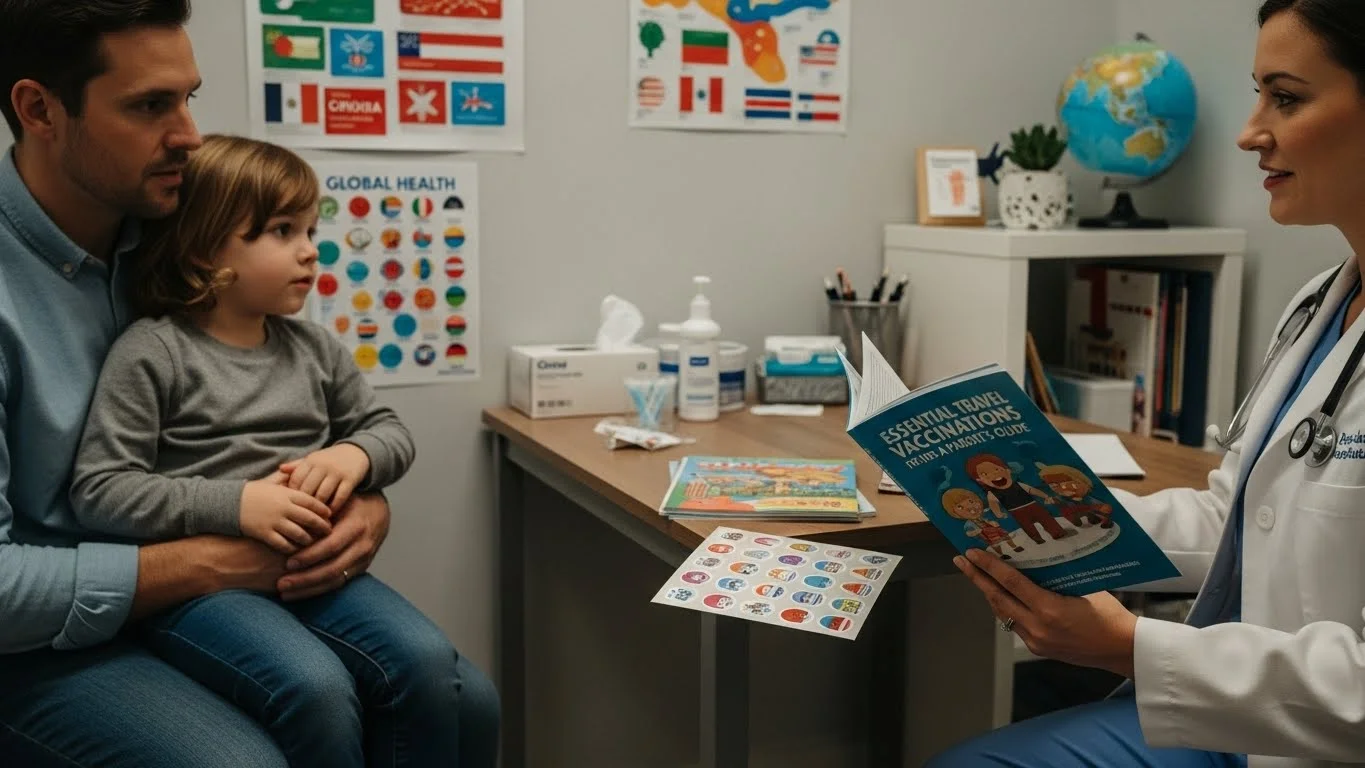
One of the first steps I take when preparing for family travel is consulting our pediatrician. I find it incredibly helpful to discuss our travel plans with them to ensure our kids are up to date on vaccinations and to get recommendations for any additional travel-specific shots we might need. I remember sitting in the pediatrician’s office with my kids, going through the list of vaccinations while my doctor patiently answered all my questions. This conversation allows me to understand not only what vaccines are necessary but also to clarify any concerns I have regarding our destination’s health risks.
During these appointments, I also appreciate discussing the vaccination timeline based on our travel dates. It helps me to plan ahead and avoid any last-minute scrambles. I feel more at ease knowing that I’m taking proactive steps for my children’s health, and it makes the whole travel experience smoother.
Gathering Necessary Medical Records
Another crucial step in our vaccination preparation is gathering all necessary medical records. I always keep an updated vaccination history for each of my kids, which is handy when we visit the pediatrician or travel abroad. It’s a simple task, but I’ve learned that having this information on hand can be incredibly helpful if we need to prove our kids have received the required vaccinations.
Before any trip, I usually create a small folder with copies of their vaccination records along with any health insurance information. I remember a time when I needed to show proof of vaccination at the airport, and having these documents ready saved us a lot of stress. It’s one of those small things that can make a big difference when you’re traveling with kids!
Discussing Potential Side Effects
When I’m preparing for vaccinations, I think it’s essential to have an open discussion with our pediatrician about the potential side effects. I used to worry about how my kids might react to vaccines, but my pediatrician reassured me that most side effects are mild and temporary. For instance, I learned that a sore arm or slight fever is quite common and usually resolves quickly.
Listening to my pediatrician’s advice about what to expect helps me mentally prepare for any reactions my children may have. I remember preparing for a recent vaccination where my doctor explained that while some kids might experience mild discomfort, others might not react at all. This information made me feel more equipped to handle any situation that might arise after the vaccination.
Additionally, I make it a point to have a plan in place for managing any potential side effects after the vaccinations. I always keep children’s pain relievers on hand, just in case they need them. This way, if they do have a sore arm or a low-grade fever, we can quickly address it and keep them comfortable.
Managing Side Effects and Reactions
Common Side Effects of Vaccinations
Even though I know that most side effects from vaccinations are mild, I still find it important to be prepared. Common side effects include soreness at the injection site, mild fever, and irritability. I remember when my youngest got his MMR shot; he had a slight fever and was a bit cranky for a day or two. I’m thankful I had a plan to help him through it. We made a cozy spot on the couch with his favorite blankets and watched movies together, which kept his spirits up while he rested.
Generally, I’ve found that these side effects don’t last long and are a small price to pay for the protection they offer. I always remind my kids that feeling a little under the weather is temporary, but being healthy while traveling is worth it. It’s a great opportunity to teach them about the importance of taking care of their health.
When to Seek Medical Attention
As a parent, I know it’s essential to be vigilant about any unusual reactions after vaccinations. While most side effects are mild, I’ve learned to watch for any signs that might indicate a more serious reaction. If my kids experience a high fever, rash, or any other concerning symptoms that persist longer than expected, I don’t hesitate to contact our pediatrician.
It’s always better to be safe than sorry. I remember a time when my friend’s child had a mild allergic reaction to a vaccination. Thankfully, they recognized it early and sought help quickly. That experience taught me the importance of staying alert and being prepared for any unexpected reactions. Knowing when to seek medical attention has become an integral part of how I manage my kids’ health during travel.
Frequently Asked Questions
What are travel vaccinations?
Travel vaccinations are immunizations designed to protect travelers from diseases that are more common in certain parts of the world. They target specific diseases prevalent in the areas being visited, such as yellow fever and typhoid for tropical destinations.
Why are vaccinations important for kids when traveling?
Vaccinations are crucial for kids because they often have weaker immune systems compared to adults, making them more susceptible to infections. Additionally, some countries require proof of vaccination for entry, and vaccinations help prevent the spread of diseases to local populations.
What are some common misconceptions about travel vaccinations?
Common misconceptions include the belief that vaccines are only necessary for long trips or exotic destinations, that vaccines can cause illnesses, and that routine vaccinations are sufficient for travel. Many travel-specific vaccines are tailored to the particular health risks of the destination.
What vaccinations are recommended for travel to Europe?
For travel to Europe, vaccines such as MMR (Measles, Mumps, Rubella) and DTP (Diphtheria, Tetanus, Pertussis) are essential. The meningococcal vaccine may also be recommended for longer stays or visits to crowded places.
What vaccinations should be considered for travel to Asia?
For countries like Thailand and India, hepatitis A and typhoid vaccines are often recommended to mitigate specific health risks associated with those destinations.
What vaccinations are required for travel to Africa?
Many countries in Africa require vaccinations for yellow fever, especially if traveling from areas where the disease is present. It’s crucial to research the specific destination’s requirements.
What are essential vaccinations for kids before traveling?
Essential vaccinations include routine vaccines like MMR, DTP, and polio, as well as travel-specific vaccines such as hepatitis A and B, typhoid, yellow fever, rabies, and meningococcal disease.
When should vaccinations be administered before travel?
Vaccinations should be administered according to the recommended timelines provided by the Centers for Disease Control and Prevention (CDC), which can vary based on the child’s age, destination, and duration of travel.
How can parents prepare for their children’s vaccinations?
Parents can prepare by consulting their pediatrician about necessary vaccinations, gathering medical records, and discussing potential side effects with their doctor to ensure they are well-informed and ready for travel.
What common side effects should parents expect after vaccinations?
Common side effects of vaccinations include soreness at the injection site, mild fever, and irritability. These side effects are usually mild and temporary compared to the protection offered by the vaccines.