
As a budget backpacker, planning your health is as crucial as packing your gear. Understanding vaccinations can keep you safe and ensure your adventures are memorable for all the right reasons. For those also navigating the world of infant health, navigating newborn vaccinations is equally important.
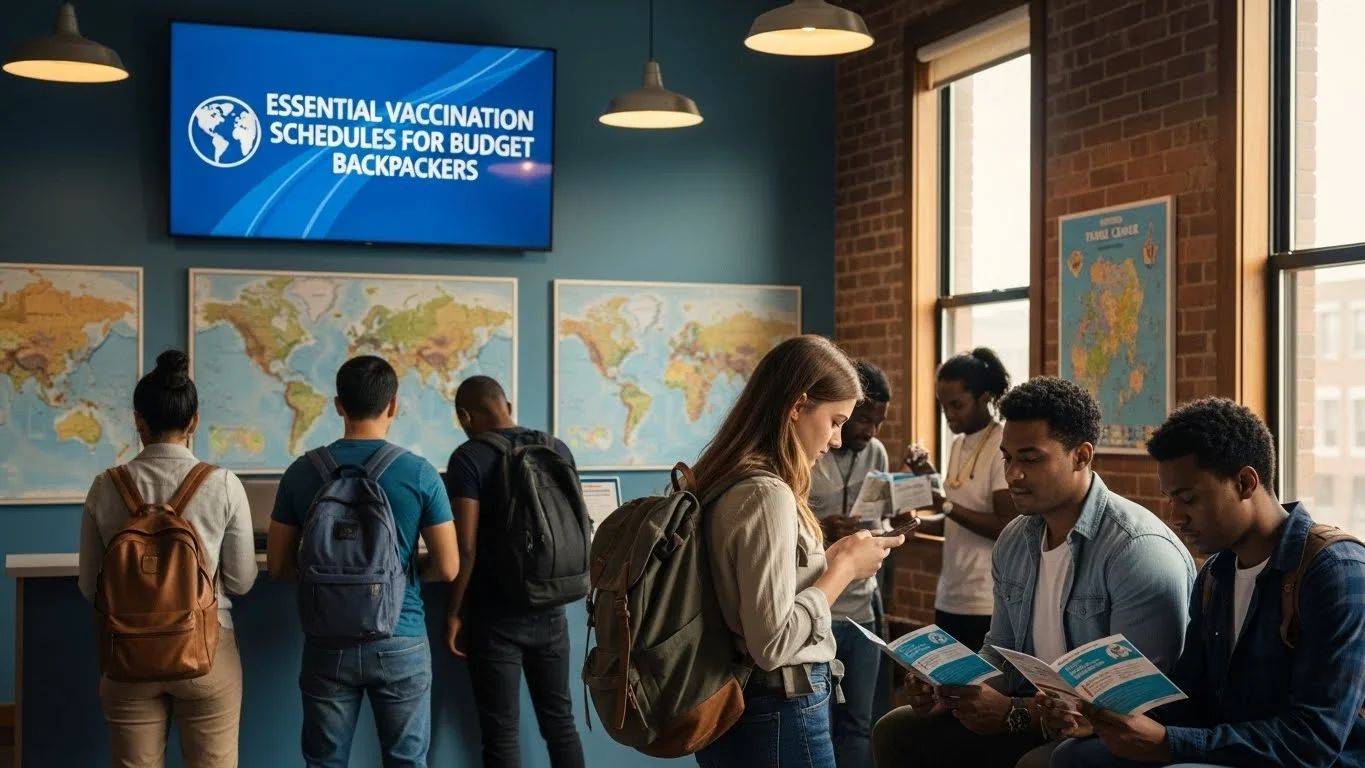
Understanding Vaccinations for Travelers
The Importance of Vaccinations for Backpackers
When I first started my backpacking journey, I didn’t give much thought to vaccinations. I thought, “I’m young and fit, what could go wrong?” But after hearing stories from fellow travelers about illnesses they faced abroad, I quickly realized that overlooking vaccinations could lead to serious consequences. Vaccinations play a pivotal role in safeguarding our health, especially when we are exploring unfamiliar territories. They protect us from diseases that are prevalent in certain regions and far from home. I believe that a good adventure should be filled with exploration and excitement—not with hospital visits or sickness.
Common Travel-Related Diseases
During my travels, I learned about various diseases that can pop up in different parts of the world. Diseases like hepatitis A, typhoid, and yellow fever are more than just names; they can lead to severe health issues and ruin your trip. For instance, hepatitis A can be contracted through contaminated food or water, which can be a risk in many countries. Typhoid fever is another illness that can be contracted through unsafe food and water, and it can hit hard if you’re not prepared. Understanding these risks helped me appreciate the necessity of vaccinations.
I remember a time when I was in Southeast Asia, chatting with a traveler who contracted dengue fever. It was a real eye-opener for me. She had to spend her entire trip recovering instead of enjoying the beautiful landscapes and cultures around her. This experience made me realize that vaccinations are not just a precautionary measure; they are a vital part of responsible travel. I’ve since made it a point to educate myself on the specific diseases prevalent in the regions I plan to visit, and I encourage others to do the same.
Essential Vaccination Schedules
Routine Vaccinations
Before you even think about heading out on your next adventure, it’s crucial to ensure that your routine vaccinations are up to date. These vaccines, which include tetanus, diphtheria, and measles, mumps, rubella (MMR), are essential for anyone traveling internationally. I often find that people overlook these basics, thinking they are solely focused on travel-specific vaccines. It’s important to keep in mind that routine vaccinations protect against diseases that can still be contracted in different parts of the world.
In my experience, checking with a healthcare provider about my vaccination status was a wise move. They helped me understand what I had and what I needed, ensuring that I was fully prepared for my travels. I recommend setting aside some time to review your vaccination history, as it can save you from unexpected health issues later on. If you’re also a parent, you might want to check out your newborn’s vaccination schedule for peace of mind.
Recommended Vaccinations by Region
Different regions of the world have varying health risks, and the vaccines you need can change based on where you’re heading. I’ve found it incredibly helpful to research the countries I plan to visit to understand what vaccinations are recommended or required. Here’s a breakdown of what I’ve learned:
Africa
Africa presents unique challenges for travelers. Vaccines for yellow fever and meningitis are often recommended, depending on the countries you plan to visit. I learned this the hard way when I was planning a trip to West Africa. A friend of mine wasn’t fully vaccinated and faced difficulties accessing certain areas. It’s a good reminder that being informed can open more doors for exploration.
Asia
Asia is diverse, and so are its health risks. Hepatitis A and typhoid vaccines are common recommendations. I remember visiting Thailand, where I encountered street food that looked delicious but wasn’t always prepared with hygiene in mind. Having my vaccinations gave me peace of mind and allowed me to enjoy my culinary adventures without worry.
Central and South America
Travelers heading to Central and South America should consider vaccinations for hepatitis A, typhoid, and in some cases, yellow fever. I had a friend who traveled to Brazil and faced issues with yellow fever. Her experience made it clear that specific vaccinations can make a big difference in ensuring a trouble-free trip.
Europe
While Europe is generally safer regarding vaccination needs, it’s still essential to check for measles outbreaks and ensure that your MMR vaccine is up to date. I have friends who traveled to Europe and were surprised to find that certain regions had reports of outbreaks. It made me realize that complacency could easily lead to problems.
Oceania
In Oceania, the vaccination landscape varies. While routine vaccinations are generally sufficient, it’s wise to check for specific health advisories in the countries you’re visiting. When I visited Australia, I was surprised to find out about some tropical diseases that were more common than I expected, which made me appreciate the importance of staying informed.
Specific Vaccination Recommendations
There are some vaccines that I believe every traveler should consider, regardless of their destination:
Hepatitis A and B
These vaccines are crucial. Hepatitis A can be contracted through contaminated food and water, while Hepatitis B is transmitted through blood and bodily fluids. I made sure to get both vaccines before my travels, and I felt a lot safer knowing I was protected.
Typhoid
Getting vaccinated for typhoid was a no-brainer for me after hearing about the risks associated with street food in various regions. I learned that this vaccine can help prevent serious infections, especially in places where hygiene practices are different from what we’re used to.
Yellow Fever
This vaccine is often required for entry into certain countries in Africa and South America. I remember my trip to Senegal and how essential it was to have this vaccine documented. It opened up so many travel opportunities for me.
Rabies
Rabies vaccination is recommended for travelers who may come into contact with animals. I once had a close encounter with a stray dog while traveling in India, and thankfully, I had my vaccine. I can’t stress enough how crucial this can be for those who love interacting with local wildlife.
Influenza
Getting the flu shot before traveling is another step I take. I always want to avoid getting sick during my travels, and the flu can easily spread in crowded places. I remember being grateful for this precaution on a trip to Europe when I saw others around me falling ill.
Budgeting for Vaccinations
Costs of Vaccinations
When I first started planning my trips, I quickly realized that budgeting for vaccinations was just as important as budgeting for flights or accommodations. The costs of vaccines can vary widely depending on where you live and what you need. For example, routine vaccines usually have a lower price point, but travel-specific vaccines like yellow fever or rabies can be significantly more expensive. I remember feeling overwhelmed with the prices when I saw the bill for my vaccines before my trip to Africa—it was a real wake-up call. But in my opinion, the cost is a small price to pay for peace of mind and health protection.
In my experience, it helps to check with your insurance provider. Some health plans cover travel vaccinations, which can ease the financial burden. Moreover, I discovered that some vaccines can sometimes require multiple doses, so factoring in those costs ahead of time is essential. I learned to budget for a few months in advance to ensure I had enough funds set aside for my health preparations.
Where to Get Vaccinated on a Budget
Finding affordable vaccination options can be a bit of a treasure hunt, but I’ve learned some tips along the way that have made it easier. Here are my go-to spots:
Local Health Clinics
Local health clinics often offer vaccinations at a lower cost than private practices. I found my local clinic to be incredibly helpful. They had a schedule of vaccines and even provided discounts for those without insurance. I remember walking in with a list of vaccines I needed, and the staff was super friendly, guiding me through the process and helping me understand which ones were necessary. It felt great knowing I was taking care of my health without breaking the bank.
Travel Clinics
Specialized travel clinics can be a fantastic resource for backpackers. They focus on travel-related health and can provide tailored advice based on your itinerary. I visited one before my trip to Southeast Asia and found their expertise invaluable. While they might charge a bit more than local health clinics, they often have package deals that can save you money if you need several vaccinations. Plus, they usually have up-to-date information about any health advisories or outbreaks in the areas you’re visiting.
Public Health Departments
Many public health departments provide vaccinations at a reduced cost. I had a friend who took advantage of this option in her city, and she raved about the experience. They often have sliding scale fees based on income, making it affordable for everyone. Just remember to call ahead and check what vaccinations they offer, as it can vary by location.
Pharmacies
Some local pharmacies have started offering vaccinations, including travel vaccines, at competitive prices. I remember stopping by my pharmacy one day and saw a sign advertising vaccines. The convenience was a huge plus, especially since I could schedule an appointment online. The pharmacist was knowledgeable and helped me figure out what I needed. It was quick, easy, and I felt reassured knowing I was in good hands.
Timing Your Vaccinations
When to Get Vaccinated Before Traveling
Timing is everything when it comes to vaccinations. I learned this the hard way when I had to rush to get my vaccines just days before leaving for a trip. Some vaccinations require time to become effective, while others may need multiple doses spaced out over several weeks. For instance, I found out that the hepatitis B vaccine typically needs at least six months to be fully effective, so planning ahead is key.
As a general rule, I try to start my vaccination process at least 4-6 weeks before my trip. This timeline has allowed me to ensure I’m fully protected without the stress of last-minute dashes to clinics. I also keep a calendar to remind myself of follow-up appointments when needed. It’s really about planning for the unexpected—after all, who wants to be thinking about health issues while trying to enjoy a new adventure?
Last-Minute Vaccination Options
Sometimes life happens, and you might find yourself scrambling for vaccinations at the last minute. I’ve been there! If you’re in a bind, some clinics offer walk-in services, and certain vaccines can still be effective even if administered close to your travel date. It’s important to do some research ahead of time to know which vaccines are still useful at the last minute.
Additionally, I always keep a list of emergency clinics that provide vaccinations to ensure I have options if I find myself in a tight spot. Being proactive about this has saved me more than once, allowing me to travel with confidence. I also suggest reaching out to your healthcare provider if you find yourself running out of time; they can often help you find the fastest solution.
Documentation and Health Records
Importance of Keeping Vaccination Records
One thing I learned early on in my travels is how crucial it is to keep track of my vaccination records. I can’t tell you how many times I’ve been asked for proof of vaccination, especially when entering certain countries or specific regions. Having a physical or digital copy of my vaccination record has saved me from potential headaches at border crossings.
During my trip to Africa, I had to show my yellow fever vaccination card at multiple checkpoints. I remember feeling a sense of relief as I pulled it out and saw the agent’s nod of approval. It reminded me that keeping track of these documents isn’t just a good idea—it’s essential for a smooth travel experience. I recommend storing your vaccination records in a safe, easily accessible place, whether that’s a folder in your travel pack or a secure app on your phone. This way, you’ll always be ready for any health inquiries that come your way.
Understanding Vaccine Passports and Certificates
With the rise of global travel and the ongoing health concerns we’ve faced in recent years, vaccine passports and certificates have become hot topics. I’ve seen how varying countries approach this differently. Some may require proof of vaccination for entry, while others might just recommend it. During my travels, I’ve always made it a point to check these requirements beforehand to avoid any surprises at the airport.
For instance, when I traveled to Europe last summer, I was relieved to have my digital vaccine certificate handy. It made the check-in process much smoother, and I felt reassured knowing that I was complying with local health regulations. I believe it’s essential to keep up with the latest travel advisories and requirements regarding vaccination documentation. Many countries provide clear guidelines on what’s needed, so a little research ahead of time can go a long way in ensuring you’re fully prepared.
Health Tips for Backpackers
Maintaining Health While Traveling
Staying healthy while traveling can sometimes feel like a balancing act. On one hand, you want to explore new foods, cultures, and experiences. On the other hand, you need to take care of your body. I’ve found that maintaining good health while backpacking involves a few simple strategies. First, I always prioritize staying hydrated. In many countries, drinking tap water can be risky, so I make it a habit to carry a reusable water bottle and refill it with safe, filtered water whenever possible.
Another tip I swear by is practicing good hygiene. I always carry hand sanitizer and use it frequently, especially before meals or after using public transport. It’s fascinating how many germs are lurking around, and this simple habit has helped me avoid a lot of unnecessary sickness. I also try to eat at reputable places, and if I’m unsure about the food’s safety, I stick with cooked meals instead of raw dishes. Taking these precautions has allowed me to enjoy my travels without the worry of getting sick.
Dealing with Illnesses Abroad
Despite our best efforts, sometimes illness can find its way into our travels. I remember a time when I was in a remote part of Southeast Asia, and I came down with a mild case of food poisoning. Instead of panicking, I relied on what I had learned over the years. Staying calm and knowing what to do made a huge difference. I made sure to rest, stay hydrated, and I found local remedies that helped ease my symptoms.
Having a basic travel health kit has been invaluable. I always pack essentials like antihistamines, pain relievers, and rehydration salts. It’s amazing how comforting it can be to have these items on hand. I suggest that every backpacker prepares a small health kit tailored to their needs because you never know when it might come in handy. Plus, knowing you’re prepared can ease the stress of dealing with unexpected health issues while on the road.
Emergency Health Resources
One of the best decisions I made as a traveler was to familiarize myself with emergency health resources in the areas I visited. Before heading out, I always research hospitals, clinics, and even pharmacies close to my accommodations. I remember being in a bustling city where I got lost, and I stumbled upon a local clinic for a minor issue. The staff was incredibly kind, and it was comforting to know there was help nearby if I needed it.
It’s also a good idea to have a list of emergency contacts, including local health services, your country’s embassy, and even travel insurance information readily available. I make sure to have this information printed out and saved on my phone. Knowing that I have a safety net in place gives me peace of mind and allows me to focus on enjoying my travels, rather than worrying about what to do if something goes wrong.
Frequently Asked Questions
Why are vaccinations important for backpackers?
Vaccinations are crucial for backpackers as they safeguard health by protecting against diseases prevalent in unfamiliar regions. Overlooking vaccinations can lead to serious health issues, making it essential for travelers to be prepared.
What common travel-related diseases should backpackers be aware of?
Common travel-related diseases include hepatitis A, typhoid, and yellow fever. These diseases can be contracted through contaminated food or water, and understanding these risks emphasizes the necessity of vaccinations.
What routine vaccinations should travelers ensure are up to date?
Travelers should ensure that their routine vaccinations, such as tetanus, diphtheria, and measles, mumps, and rubella (MMR), are up to date as these vaccines protect against diseases that can still be contracted globally.
What vaccinations are recommended for Africa?
For Africa, vaccines for yellow fever and meningitis are often recommended, depending on the specific countries a traveler plans to visit.
What specific vaccinations are suggested for travelers heading to Asia?
Travelers heading to Asia are commonly advised to get vaccinated for hepatitis A and typhoid, particularly due to the health risks associated with food and water safety in the region.
How can budget backpackers find affordable vaccination options?
Budget backpackers can find affordable vaccinations at local health clinics, specialized travel clinics, public health departments, and some local pharmacies, which often offer vaccinations at competitive prices. For parents, understanding vaccination schedules for their newborns can also be essential.
When should travelers get vaccinated before their trip?
Travelers should aim to start their vaccination process at least 4-6 weeks before their trip, as some vaccines require time to become effective or need multiple doses.
What should travelers do if they need a last-minute vaccination?
If travelers find themselves needing a last-minute vaccination, they can look for clinics that offer walk-in services, as some vaccines can still be effective even if administered close to the travel date.
Why is it important to keep vaccination records while traveling?
Keeping vaccination records is essential as travelers may be asked to provide proof of vaccination when entering certain countries or regions. Having these records readily available can help avoid potential issues at border crossings.
What health tips can help backpackers maintain their health while traveling?
To maintain health while traveling, backpackers should prioritize hydration, practice good hygiene, eat at reputable places, and carry a basic travel health kit with essentials like antihistamines and pain relievers.