
Traveling as a backpacker is one of the most exhilarating experiences, but it also comes with its own set of health risks. Understanding the importance of vaccinations can help safeguard your adventure. Read Interesting article: Essential Vaccinations for Every Budget Backpacker’s Journey
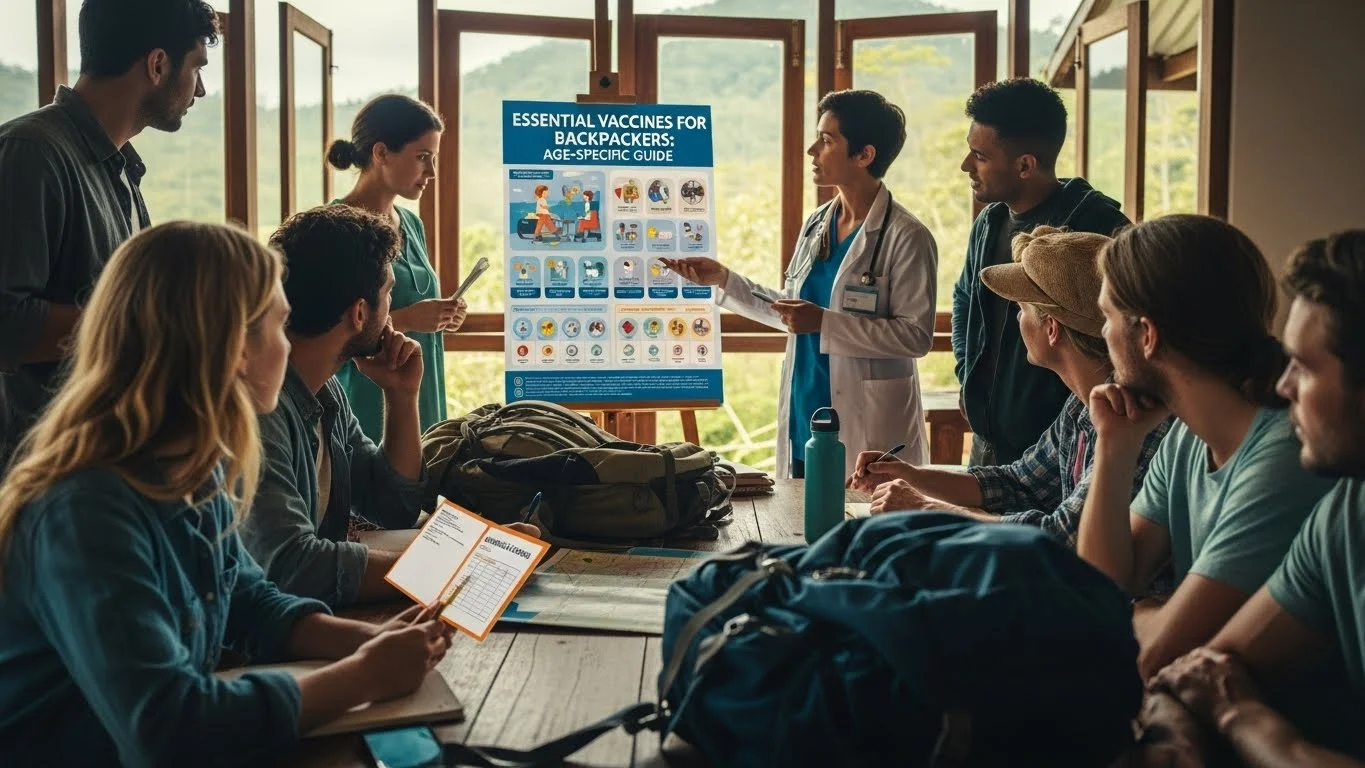
Understanding the Importance of Vaccinations for Backpackers
Why Vaccines Matter for Travelers
When I first started backpacking, I felt invincible—ready to conquer any trail or city I encountered. However, I quickly learned that the thrill of adventure can be overshadowed by the lurking health risks in unfamiliar places. Vaccinations play a crucial role in protecting us from diseases that may not be common in our home countries. I remember speaking with fellow travelers who faced serious illnesses simply because they weren’t aware of the necessary vaccines. It was a wake-up call for me!
Vaccines help to build our immunity against specific illnesses that are prevalent in certain regions. For example, diseases like yellow fever or typhoid can be serious threats in some parts of the world. I realized that being aware of what vaccines I might need before heading out could be just as important as packing my gear. Whether you’re heading to a bustling city or a remote village, understanding the health risks and ensuring you’re protected is a key part of the planning process. Read Interesting article: Vaccine Facts for Backpackers: Stay Healthy on a Budget
Common Travel-Related Illnesses
Throughout my travels, I’ve encountered various illnesses that backpackers can face. Some of the most common ones include hepatitis A, hepatitis B, and rabies, which can all be prevented through vaccinations. I once met a traveler in Southeast Asia who contracted hepatitis A after eating street food. It was a harsh reminder that even the most adventurous meals carry risks if we’re not adequately protected.
Moreover, I learned that diseases like malaria are a significant concern in tropical regions, and while there’s no vaccine for malaria, there are preventative measures we can take. This experience opened my eyes to the reality that being informed and prepared is not just about vaccines, but also about understanding how to avoid illness during our travels.
Essential Vaccines by Age Group
Vaccines for Children (0-12 years)
Recommended Vaccines
For families who love to backpack, ensuring children are vaccinated is a top priority. The CDC recommends vaccines like measles, mumps, rubella (MMR), and diphtheria, tetanus, and pertussis (DTaP) for children. Additionally, depending on the travel destination, vaccines for hepatitis A and B, and even varicella (chickenpox) may be important. I remember traveling with my cousin’s family, and they were meticulous about ensuring their kids received all the necessary vaccines. It gave me peace of mind knowing that the kids were protected against common illnesses.
Age-Specific Considerations
Children’s immune systems are still developing, making them more susceptible to certain infections. I noticed that parents often worry about how their kids will react to vaccines, but I believe the benefits far outweigh the risks. It’s crucial for parents to consult with a healthcare professional to tailor the vaccination schedule based on their child’s age, health history, and travel itinerary. I feel that educating kids about the importance of vaccinations also helps to make them more comfortable with the process.
Vaccines for Teenagers (13-19 years)
Recommended Vaccines
Teenagers are at an exciting yet challenging age for travel. The CDC advises vaccines such as human papillomavirus (HPV), meningococcal, and Tdap. I recall a friend who was backpacking through Europe, and she made sure to get her HPV vaccine before leaving. It’s great to see teens taking responsibility for their health, especially when venturing into new environments.
Age-Specific Considerations
As teens become more independent, they may be more exposed to health risks. They might not always make the healthiest choices when it comes to food or safety. I feel it’s essential for them to understand the importance of vaccinations in protecting themselves from serious illnesses. Encouraging open conversations about health, safety, and the benefits of vaccinations can empower them to make informed decisions.
Vaccines for Young Adults (20-35 years)
Recommended Vaccines
Young adults often embark on adventurous travels, often without considering some of the health risks involved. Vaccines recommended for this age group include the Tdap booster, meningococcal, and hepatitis A and B. I remember planning a trip with friends and finding out that some of us needed boosters. It was a good reminder that staying up-to-date with vaccinations is essential, especially for those of us who tend to travel frequently.
Age-Specific Considerations
In my experience, young adults are often more adventurous but may overlook vaccinations, thinking they won’t get sick. It’s important to remind ourselves that our health should always come first. I recommend consulting a travel health clinic for personalized advice tailored to your specific travel plans. Understanding the potential health risks at different destinations can empower us to make better choices about vaccinations.
Vaccines for Adults (36-60 years)
Recommended Vaccines
Adults in this age range should consider vaccines such as the flu shot, Tdap booster, and shingles vaccine, particularly if traveling to areas with higher health risks. I’ve seen many travelers in this group underestimate the importance of vaccines, but I believe staying healthy is vital for fully enjoying travel experiences.
Age-Specific Considerations
As we age, our immune systems may weaken, making us more susceptible to infections. I learned the hard way that overlooking vaccinations can lead to regret, especially after returning home sick. It’s crucial for adults to stay informed about recommended vaccines and to not shy away from seeking advice from healthcare providers about their travel plans.
Vaccines for Seniors (60+ years)
Recommended Vaccines
For seniors, vaccinations are even more critical. The CDC recommends the flu shot, pneumococcal vaccine, and shingles vaccine. I remember chatting with a fellow backpacker in her 60s who had just received her shingles vaccine before her trip to South America. It inspired me to think more seriously about health as we grow older.
Age-Specific Considerations
Seniors often have underlying health issues that can complicate travel. I think it’s vital for older travelers to have thorough discussions with their doctors regarding vaccinations and health precautions. Taking these steps ensures that they can enjoy their adventures without unnecessary health risks.
Destination-Specific Vaccine Requirements
Popular Backpacking Destinations and Their Vaccine Needs
Southeast Asia
Southeast Asia is one of my all-time favorite backpacking regions. The vibrant cultures, delicious food, and breathtaking landscapes never fail to amaze me. However, I’ve learned that traveling here requires careful attention to health precautions. Vaccines like hepatitis A and B are strongly recommended, as well as typhoid, especially if you plan to indulge in local street food like I often do. I remember enjoying a bowl of pho in Vietnam, knowing full well that I was protected due to my vaccinations. It made the experience even more enjoyable.
Additionally, depending on your travel itinerary, you might consider getting vaccinated against Japanese encephalitis, especially if you’re venturing into rural areas or spending extended time outdoors. I met a traveler who contracted dengue fever while exploring the jungles of Thailand, highlighting the importance of protecting ourselves before diving into these adventures.
South America
South America is another incredible destination, filled with diverse ecosystems and rich cultural experiences. However, there are some health risks to consider. I remember when I traveled through Peru, I made sure to get the yellow fever vaccine, especially since I was heading into the Amazon rainforest. It’s recommended for certain areas, and I felt it was a smart move. Malaria is also a concern in some regions, so understanding prevention methods became essential for me.
Furthermore, vaccines for hepatitis A and typhoid are recommended, particularly if you plan to visit popular tourist spots or local markets. I’ve heard stories from fellow backpackers who had to cut their trips short due to illnesses that could have been prevented with proper vaccinations. This experience reinforced my commitment to being fully informed about required vaccines before each journey.
Africa
Africa is a continent that calls for adventure but comes with unique health considerations. If you’re planning a trip to countries like Tanzania or Kenya, I can’t stress enough the importance of the yellow fever vaccine. I got mine before heading to a safari, and it gave me peace of mind knowing I was protected while enjoying the incredible wildlife. Besides yellow fever, I learned that vaccines for hepatitis A and B, typhoid, and even meningitis may be necessary, especially if you’ll be visiting during any high-risk periods.
Additionally, malaria prophylaxis is crucial when traveling to many parts of Africa. I remember taking my malaria pills diligently while trekking through the Serengeti. It was a small effort compared to the thrill of witnessing the Great Migration, and it made all the difference in allowing me to fully enjoy my travels.
Europe
Europe is often seen as a relatively safe destination health-wise, but that doesn’t mean we should let our guard down. I’ve traveled extensively through Europe and learned that while many vaccines are not mandatory, being up-to-date on routine vaccines like MMR and Tdap is essential. I encountered several travelers who were surprised to learn that outbreaks of measles had occurred in certain countries, reminding me how crucial it is to maintain our vaccinations.
If you plan to visit areas where rabies is a concern, particularly if you might come into contact with animals, I suggest considering the rabies vaccine. I once had a close encounter with some friendly street dogs in Croatia and was grateful I had taken my rabies shots beforehand.
Timing Your Vaccinations
When to Get Vaccinated Before Traveling
Another important aspect of traveling is knowing when to get vaccinated. From my experience, it’s best to start planning your vaccinations at least 4 to 6 weeks before your departure date. Some vaccines require multiple doses, and I learned this the hard way when I had to wait longer than expected for my series of shots. I remember feeling rushed at the last minute, which added unnecessary stress to my travel preparations.
By allowing enough time, you can ensure that your body has time to build immunity. Plus, it gives you ample opportunity to consult with a healthcare provider about any specific risks associated with your destination. I always make it a point to check in with a travel health clinic early in the planning process to stay ahead of any potential health concerns. Read Interesting article: Your Guide to Vaccination Timelines While Traveling Abroad
Booster Shots and Their Importance
Booster shots are another critical factor to consider. I once thought that once I was vaccinated, I was set for life. However, some vaccines require boosters to maintain their effectiveness. I learned this after feeling unprepared for a trip because I hadn’t received a tetanus booster in years. Since then, I make it a habit to check my vaccination records before planning any trip.
Discussing your vaccine history with your healthcare provider can help ensure you’re up-to-date. It’s a simple step, but it makes a huge difference in staying healthy while enjoying our travels. After all, the last thing any of us wants is to cut our adventures short due to preventable illnesses!
Additional Health Precautions for Backpackers
Malaria Prevention
Malaria is one of the most serious health risks I’ve faced during my travels, especially in tropical regions. I remember my trip to Africa vividly; before I left, I did a lot of research on malaria prevention methods. It was eye-opening to discover just how prevalent malaria is and how it can quickly turn a dream trip into a nightmare. I learned that while there isn’t a vaccine for malaria, we can take other precautions to protect ourselves.
One of the key steps is taking antimalarial medication before, during, and after traveling to high-risk areas. I consulted with my healthcare provider to find the right medication for my itinerary, and I was diligent about taking it as prescribed. In addition to medication, I made sure to wear long sleeves and use insect repellent containing DEET. I found that wearing light-colored clothing made it easier to spot any pesky mosquitoes that might be lurking around.
After following these precautions, I felt more at ease while exploring the stunning landscapes of Tanzania. I remember hiking through the lush greenery of the Serengeti, knowing that I was doing my best to stay protected. It’s worth noting that being aware of the symptoms of malaria—such as fever, chills, and flu-like symptoms—can be lifesaving. If you ever feel unwell after traveling to a malaria-endemic area, don’t hesitate to seek medical help. It’s always better to be safe than sorry!
Travel Insurance and Vaccination Coverage
Travel insurance is another critical aspect of backpacking that I’ve come to appreciate. I used to think of it as an unnecessary expense until I faced a situation that forced me to rethink that stance. During a trip to South America, I had a minor accident that required medical attention. Luckily, my travel insurance covered the costs, which made a huge difference in my experience.
Many people don’t realize that some travel insurance policies also cover vaccinations and preventive medications. I remember being pleasantly surprised when I discovered that my policy included coverage for certain vaccines. This can ease the financial burden of staying healthy while traveling, allowing us to focus on what truly matters—enjoying the journey!
Before your trip, I recommend checking the details of your travel insurance policy. Make sure you understand what is included regarding vaccinations, and consider adding coverage if you’re planning to visit areas with specific health risks. It’s a small investment for peace of mind and can save you a lot of trouble later on.
Maintaining Health While Traveling
Maintaining our health while traveling goes beyond vaccinations and medications. I’ve learned that simple lifestyle choices can significantly impact how we feel on the road. Staying hydrated is one of the biggest lessons I took away from my travels. I always carry a reusable water bottle with a built-in filter, especially in areas where the water quality is questionable. It’s a great way to ensure I drink enough water without worrying about getting sick.
Additionally, I try to maintain a balanced diet, even when I’m tempted by delicious street food. I remember indulging in a few too many fried snacks while backpacking in Thailand, and let’s just say my stomach didn’t appreciate it! Now, I focus on incorporating fruits and vegetables into my meals whenever possible and aim to eat at places that look clean and busy, which usually indicates good food safety practices.
Exercise is another essential component of staying healthy while traveling. I often take advantage of scenic hikes, walking tours, or even simple strolls around towns to keep active. It not only helps keep my energy levels up but also allows me to immerse myself in the local culture. I’ve found that taking care of my body during my travels enhances my overall experience, allowing me to enjoy every moment.
Frequently Asked Questions
1. Why are vaccinations important for backpackers?
Vaccinations are crucial for backpackers as they help build immunity against specific illnesses that may be prevalent in certain regions, protecting travelers from diseases that are not common in their home countries.
2. What are some common travel-related illnesses that can be prevented by vaccinations?
Common travel-related illnesses include hepatitis A, hepatitis B, rabies, and typhoid. Vaccinations can help prevent these serious health risks that backpackers may encounter during their travels.
3. What vaccines are recommended for children aged 0-12 years before traveling?
The CDC recommends vaccines such as measles, mumps, rubella (MMR), diphtheria, tetanus, and pertussis (DTaP) for children, along with hepatitis A and B, and varicella (chickenpox) depending on the travel destination.
4. What vaccinations should teenagers (13-19 years) consider before traveling?
Teenagers should consider vaccines such as human papillomavirus (HPV), meningococcal, and Tdap before traveling to ensure they are protected against serious illnesses.
5. What vaccinations are recommended for young adults (20-35 years) who travel frequently?
Young adults are advised to get the Tdap booster, meningococcal, and hepatitis A and B vaccines to stay protected while traveling.
6. What vaccines should adults aged 36-60 years consider when planning a trip?
Adults in this age range should consider getting the flu shot, Tdap booster, and shingles vaccine, especially if traveling to areas with higher health risks.
7. What vaccinations are particularly important for seniors (60+ years) before traveling?
Seniors should prioritize vaccinations such as the flu shot, pneumococcal vaccine, and shingles vaccine to protect their health while traveling.
8. What vaccines are recommended for traveling in Southeast Asia?
Travelers to Southeast Asia should get vaccinated for hepatitis A and B, typhoid, and possibly Japanese encephalitis if venturing into rural areas or spending extended time outdoors.
9. How far in advance should travelers get vaccinated before their trip?
Travelers should start planning their vaccinations at least 4 to 6 weeks before their departure date to allow enough time for their bodies to build immunity and to consult with healthcare providers about specific risks.
10. What additional health precautions should backpackers consider besides vaccinations?
Backpackers should consider malaria prevention through medication, maintaining hydration, eating a balanced diet, and engaging in physical activity to stay healthy during their travels.