
Raising vegan kids can feel overwhelming, especially when it comes to ensuring they get all the essential nutrients for their growth. But don’t worry—I’ve been there and discovered some key insights that can help us nurture healthy, thriving little ones. Read Interesting article: Top Vegan Nutrient Sources for Healthy Kids’ Diets
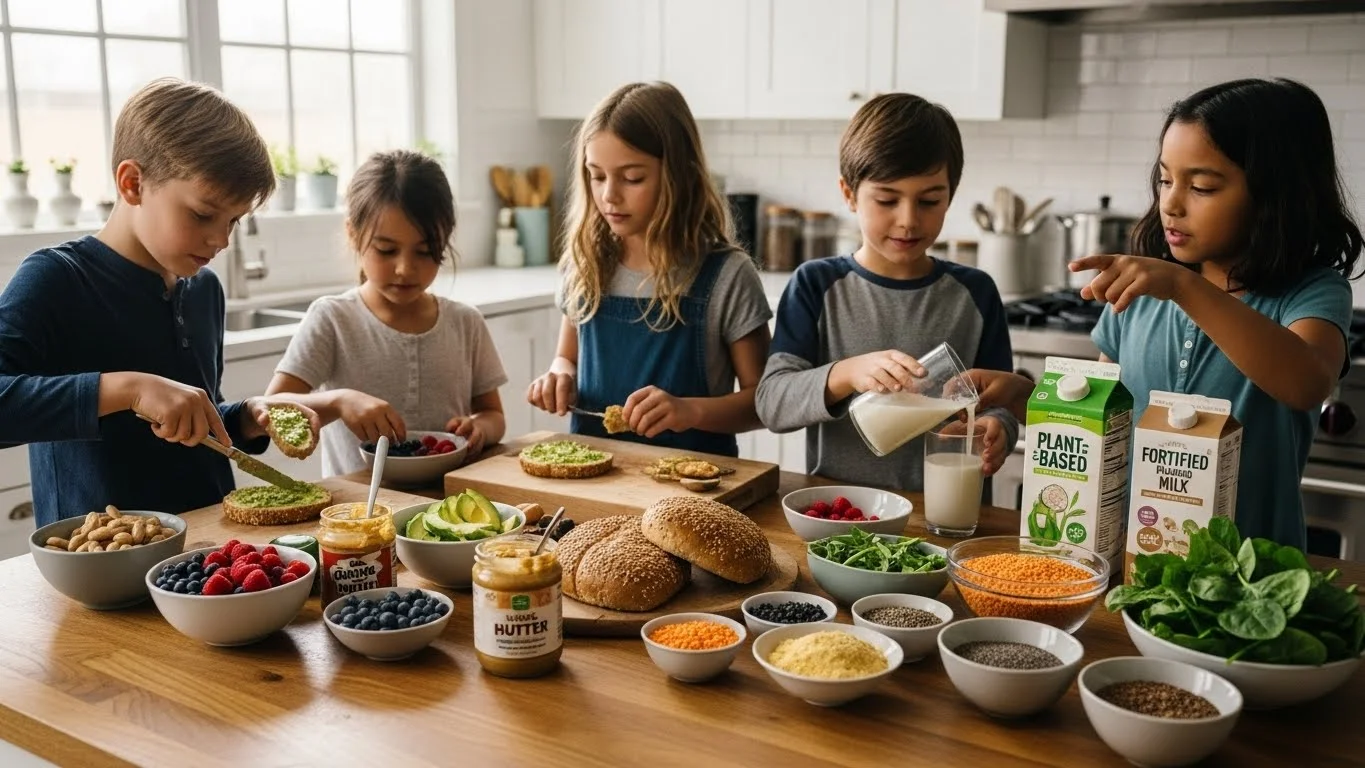
Understanding Vegan Nutrition for Kids
The Importance of a Balanced Diet
When I first transitioned my kids to a vegan diet, I realized how crucial it was to create a balanced meal plan. A balanced diet means including a variety of foods that provide all the nutrients our kids need to grow strong and healthy. This includes not just fruits and vegetables, but also whole grains, legumes, nuts, and seeds. I noticed that when I incorporated a diverse range of foods, my kids were not only happier at mealtimes, but they also had more energy throughout the day.
As parents, we want the best for our children. It’s essential to ensure they’re getting the right mix of macronutrients: carbohydrates, proteins, and fats, along with a host of vitamins and minerals. This balance is especially important for growing bodies and active minds. I’ve found that planning meals around these macronutrients has made a significant difference in my kids’ overall health and development.
Common Myths about Vegan Diets for Children
There’s often a lot of misinformation about vegan diets for kids. I remember feeling worried when I first heard claims that vegan diets are deficient or that kids wouldn’t get enough protein. However, I soon learned that a well-planned vegan diet can meet all a child’s nutritional needs. For example, protein can easily be found in legumes, tofu, and whole grains, which I’ve incorporated regularly into our meals.
Another myth I encountered was that vegan children suffer from stunted growth. This couldn’t be further from the truth. I’ve seen my own kids thrive on a plant-based diet, and numerous studies support the idea that vegan diets can provide all the necessary nutrients for growth and development. It’s all about knowledge, planning, and creativity in the kitchen, which I believe can turn any meal into a nutrient-packed feast. Read Interesting article: Navigating Vegan Child Nutrition: Solutions to Common Issues
Essential Nutrients for Growth
Protein: Building Blocks for Growth
Protein is often considered the pillar of nutrition, especially for growing kids. I’ve seen firsthand how important it is for building and repairing tissues, and it plays a crucial role in the development of muscles, organs, and hormones. While some people think that animal products are the only source of protein, I learned that there are plenty of excellent plant-based options. Foods like lentils, chickpeas, quinoa, and beans have become staples in our household.
In fact, I love making a big pot of lentil soup or chickpea curry on Sundays, which my kids enjoy throughout the week. It’s a great way to pack in protein and keeps meal times exciting. I also found that including a variety of protein sources helps ensure they are getting all the essential amino acids needed for growth.
Calcium: Strengthening Bones and Teeth
Another essential nutrient that I pay close attention to is calcium. As kids grow, their bones need the right nutrients to develop properly. I remember being surprised to learn that calcium isn’t just found in dairy products; leafy greens, almonds, tofu, and fortified plant milks can be great sources. I’ve made it a habit to include kale or bok choy in our smoothies, which my kids actually love. Plus, I always keep some almond butter on hand for a quick snack!
It’s fascinating how many ways we can incorporate calcium into our meals. From chia seed puddings to fortified orange juice, I’ve discovered that creativity in the kitchen can go a long way in ensuring my kids get the calcium they need.
Iron: Supporting Energy Levels
Iron is another crucial nutrient that often comes up in conversations about vegan diets. It’s vital for transporting oxygen in the blood and is essential for energy levels. I experienced some anxiety about my kids getting enough iron, but I learned that many plant foods are rich in this mineral. Lentils, beans, and fortified cereals are great sources, and I love incorporating them into meals.
One tip that really helped me is pairing iron-rich foods with vitamin C sources, like bell peppers or citrus fruits, which can enhance iron absorption. This trick made it easy to create meals that are both delicious and nutritious. For instance, a black bean and quinoa salad with avocado and lime dressing has become a family favorite around our dinner table.
Vitamin B12: Essential for Brain Development
Vitamin B12 is another nutrient I pay special attention to. It’s essential for brain development and keeping energy levels up. Since B12 is mostly found in animal products, I learned that it’s crucial to find vegan sources or consider supplements. We’ve opted for fortified plant milks and cereals, which have helped us easily integrate this vitamin into our diet. I also recommend speaking with a healthcare provider about B12 supplements, especially for growing kids.
Omega-3 Fatty Acids: Promoting Heart and Brain Health
Omega-3 fatty acids are known for their heart and brain health benefits, and they’re something I wanted to ensure my kids were getting enough of. While fatty fish is a traditional source, we turned to plant-based options like flaxseeds, chia seeds, and walnuts. I found it easy to add these into smoothies, oatmeal, or baked goods. It’s been a fun experiment to see how they can be incorporated into meals without my kids even noticing!
Vitamin D: Enhancing Calcium Absorption
Vitamin D is crucial for calcium absorption and overall bone health. I learned early on that sunlight is the best source, but during the winter months, I’ve found fortified foods to be a great alternative. We try to get outside whenever we can, but I also consider using a vitamin D supplement, especially for my little ones during those long, dark days. It’s made a noticeable difference in how we approach our nutrition and health as a family.
Zinc: Supporting Immune Function
Zinc is another essential nutrient that supports a healthy immune system. I was surprised to learn that zinc can be found in whole grains, beans, and nuts. I make sure to include these foods regularly to keep my kids’ immune systems strong. We often have nut-based snacks or whole grain bread for breakfast, which I’ve found to be beneficial for their overall health.
Sources of Essential Nutrients in a Vegan Diet
Plant-based Proteins: Legumes, Nuts, and Seeds
When it comes to protein, I’ve found that legumes, nuts, and seeds are my best friends. These foods are not only rich in protein but also packed with other nutrients that contribute to overall health. For instance, chickpeas are versatile and can be used in everything from hummus to salads, while lentils are perfect for soups and stews. I remember the first time I made a lentil loaf; my kids were surprised at how tasty it was! I often batch-cook these proteins so I can have them ready for quick meals throughout the week.
Nuts and seeds are also fantastic sources of protein and healthy fats. I keep a variety of nuts and seeds in my pantry, from almonds to pumpkin seeds. They make great snacks or toppings for oatmeal and smoothies. I’ve even made energy bites with dates, oats, and nut butter that my kids can grab on the go. It’s been a fun way to get creative in the kitchen while ensuring they’re getting enough protein!
Calcium-rich Foods: Leafy Greens and Fortified Products
Finding calcium-rich sources has been a rewarding journey. I learned that leafy greens like kale, bok choy, and collard greens are not only nutritious but also easy to incorporate into everyday meals. We often add these greens to smoothies or stir-fries. I’ve even experimented with making green pancakes that my kids love! Using fortified plant milks has also helped me ensure they’re getting enough calcium. My favorite is almond milk, which we use in smoothies, cereal, and baking.
Additionally, we’ve discovered that tahini, made from sesame seeds, is a fantastic source of calcium. I like to make a simple dressing with tahini, lemon juice, and garlic for salads. It’s delicious and a great way to sneak in some extra nutrients!
Iron Sources: Beans, Lentils, and Whole Grains
Iron is another nutrient that I focus on closely. Beans, lentils, and whole grains are some of my go-to sources. I often prepare black bean tacos or quinoa bowls, both of which are hits at the dinner table. I’ve found that cooking with a variety of beans keeps meals interesting and ensures my kids are getting the iron they need.
One of my favorite meals is a quinoa and black bean salad with diced bell peppers, which not only adds a pop of color but also boosts iron absorption thanks to the vitamin C. I’ve learned that small changes like these can make a big difference in how well my family absorbs nutrients.
Getting Enough Vitamin B12: Supplements and Fortified Foods
Vitamin B12 can be trickier to source on a vegan diet, so I make it a priority to include fortified foods and consider supplements. We regularly use fortified plant milks and cereals, which have become staples in our pantry. I’ve also started giving my kids B12 supplements after discussing it with our healthcare provider. It feels good to know that we’re covering all our bases when it comes to important nutrients.
I remember the first time I learned about the importance of B12. I felt a bit overwhelmed, but once I started looking for fortified options, I realized how easy it was to include this vitamin in our diet.
Omega-3 Sources: Flaxseeds, Chia Seeds, and Walnuts
To ensure my kids get enough omega-3 fatty acids, I’ve turned to flaxseeds, chia seeds, and walnuts. I love adding ground flaxseeds to smoothies and oatmeal for an extra nutritional boost. Chia seed pudding has also become a family favorite—it’s simple to make and can be flavored in so many ways. I often prepare it the night before, so it’s ready for breakfast or a snack the next day.
Walnuts are another great source of omega-3s, and I’ve found that including them in trail mix or as a topping for salads is an easy way to add healthy fats to our meals. It’s been enjoyable to experiment with these ingredients, and my kids have become accustomed to trying new foods that benefit their health.
Vitamin D Sources: Sunlight and Fortified Foods
Vitamin D plays a vital role in calcium absorption, and I’ve learned to be mindful of it, especially during the winter months. We love spending time outside, soaking up the sun whenever we can. However, I also make sure to include fortified foods in our diet, like plant-based yogurts and cereals. I remember feeling relieved when I found out how many options were available to ensure my kids were getting enough vitamin D.
During the darker months, I’ve started considering vitamin D supplements for my kids, which has given me peace of mind. It’s comforting to know that we’re taking proactive steps to support their overall health.
Zinc-rich Foods: Whole Grains and Nuts
Finally, I’ve learned the importance of zinc for a healthy immune system. Whole grains, beans, and nuts are excellent sources that I make sure to include regularly in our meals. We enjoy whole grain toast for breakfast or nut-based snacks in the afternoon. I’ve found that incorporating these foods helps keep my kids healthy and energetic.
One of my recent discoveries is how easy it is to make homemade granola bars with oats, nuts, and seeds. They’re not only delicious but also packed with zinc and other nutrients, making them a perfect snack for school or after sports. It’s been a fun way to engage my kids in the kitchen, and they love helping to mix and bake!
How to Ensure Your Kids Get Enough Nutrients
Meal Planning Tips for Vegan Families
I can’t stress enough how much meal planning has transformed our vegan journey. At first, it felt daunting to create a weekly menu that was both nutritious and appealing to my kids. But over time, I discovered some simple strategies that made meal planning enjoyable and effective. One thing I do is set aside a bit of time each week to sit down with my kids and brainstorm meal ideas together. This not only involves them in the process but also helps me understand their tastes and preferences better.
I often start by choosing a theme for each day of the week—like Meatless Mondays or Taco Tuesdays—where we focus on a specific type of cuisine or main ingredient. This keeps things fresh and exciting. Then, I ensure that each meal includes a source of protein, whole grains, and plenty of fruits and vegetables. I’ve also found that prepping snacks in advance helps us avoid the temptation of less nutritious options when hunger strikes.
Using a shared calendar app has worked wonders for us. I can easily remind myself of what meals we planned, and my kids can see it too, which keeps them looking forward to what’s next. It’s been a fun way to teach them about planning and nutrition at the same time!
Using Supplements Wisely
As a parent, I’ve learned the importance of using supplements wisely to fill in any gaps in my kids’ diets. While I strive to provide a balanced vegan diet, I know that some nutrients can be tricky to obtain solely from food. For instance, Vitamin B12 and Vitamin D are two supplements I’ve decided to include in our routine after discussing it with our healthcare provider.
When it comes to choosing supplements, I always look for high-quality, vegan-friendly options. I want to ensure that what I’m giving my kids is both safe and effective. I also keep an open line of communication with my children about why we take these supplements, helping them understand their significance. This not only demystifies the process but also empowers them to take charge of their health as they grow older.
Incorporating Variety in Meals
Variety is the spice of life—and that’s especially true when it comes to feeding kids. I’ve noticed that the more diverse our meals are, the more excited my kids are to try new things. I always aim to introduce a new fruit or vegetable each week, whether it’s a funky heirloom tomato or an exotic fruit I’ve never prepared before. This has led to delightful discoveries, like my kids loving dragon fruit smoothies!
I also play with textures and flavors. Mixing crunchy nuts with creamy avocado or pairing sweet fruits with savory grains keeps meals interesting. I’ve found that presenting food in fun ways, like making colorful rainbow bowls or creating themed dinners, sparks their curiosity and encourages them to eat a variety of foods. I remember one night, we turned dinner into a “build your own burrito” night, and it was a hit! They loved customizing their meals, and it inspired them to try new ingredients they wouldn’t typically choose.
Monitoring Growth and Development
Keeping an eye on my kids’ growth and development has been an essential part of our vegan journey. Regular check-ups with our pediatrician have helped me track their growth patterns and ensure they’re on target for their age group. I remember feeling a mix of excitement and anxiety during those appointments, particularly when I was still getting accustomed to our new lifestyle.
When discussing their growth with the doctor, I always bring up our vegan diet and any concerns I might have. It’s comforting to know that professionals can offer insights into whether my kids are getting the right nutrients. I also keep a journal of their eating habits, noting what they enjoy and how they respond to different foods. This has provided me with valuable information on what’s working and what might need adjusting.
I’ve learned that growth isn’t just about physical size; it’s also about emotional and mental development, and a well-rounded diet plays a significant role in that. I want my kids to feel good and have the energy to explore, learn, and play, so making sure they’re healthy is my top priority.
Frequently Asked Questions
1. What are the essential nutrients to focus on for vegan kids?
Essential nutrients for vegan kids include protein, calcium, iron, vitamin B12, omega-3 fatty acids, vitamin D, and zinc. Each of these nutrients plays a crucial role in their growth and development.
2. How can I ensure my vegan kids get enough protein?
Vegan kids can get enough protein from plant-based sources such as legumes, tofu, whole grains, nuts, and seeds. Foods like lentils, chickpeas, quinoa, and beans are excellent options to include in their meals.
3. What are some good sources of calcium for vegan children?
Calcium can be found in leafy greens like kale and bok choy, fortified plant milks, almonds, and tahini. Incorporating these foods into smoothies or meals can help ensure kids receive adequate calcium.
4. How can I increase iron absorption in my vegan child’s diet?
To enhance iron absorption, pair iron-rich foods such as lentils and beans with vitamin C sources like bell peppers or citrus fruits. This combination can help improve how well the body absorbs iron.
5. Why is vitamin B12 important for vegan kids?
Vitamin B12 is essential for brain development and maintaining energy levels. Since it is mostly found in animal products, it’s important for vegan kids to consume fortified foods or consider supplements.
6. What are some plant-based sources of omega-3 fatty acids?
Plant-based sources of omega-3 fatty acids include flaxseeds, chia seeds, and walnuts. These can easily be added to smoothies, oatmeal, or baked goods to help ensure kids get enough healthy fats.
7. How can I ensure my kids are getting enough vitamin D?
Vitamin D can be obtained through sunlight and fortified foods. During winter months, consider using fortified plant-based yogurts and cereals, and discuss the possibility of vitamin D supplements with a healthcare provider.
8. What strategies can help with meal planning for vegan kids?
Meal planning can be enhanced by brainstorming meal ideas with kids, choosing a theme for each day of the week, and ensuring each meal includes a source of protein, whole grains, and plenty of fruits and vegetables.
9. How can I introduce variety in my vegan kids’ meals?
Introducing variety can be achieved by adding a new fruit or vegetable each week, mixing textures and flavors, and presenting food in fun ways, such as themed dinners or customizable meal options.
10. How do I monitor my kids’ growth and development on a vegan diet?
Regular pediatric check-ups can help track growth patterns. Discussing dietary concerns with the doctor and maintaining a journal of eating habits can provide insights into how well the vegan diet supports their growth and development.