
Exploring attachment styles can transform the way we connect with our newborns. Understanding these styles helps us foster deeper, healthier bonds that lay the foundation for our child’s emotional well-being. For more insights, check out Understanding Attachment Styles: A Guide for New Parents.
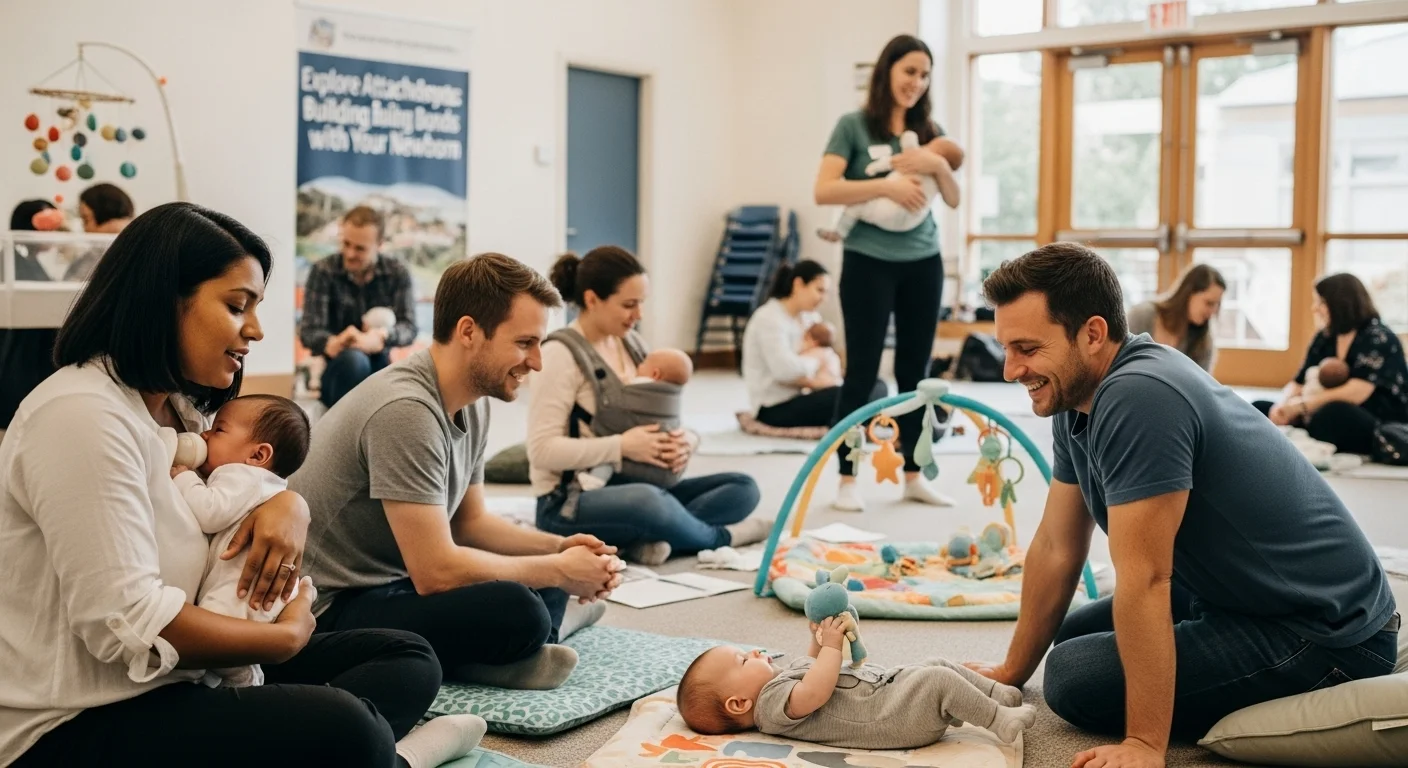
Understanding Attachment Styles
When I first dove into the world of attachment styles, I quickly realized how crucial they are for developing a strong bond with my newborn. The concept of attachment styles refers to the unique ways in which children connect with their caregivers, and this connection has profound implications for their emotional health and social development.
Definition of Attachment Styles
Attachment styles are essentially the patterns of how babies relate to their caregivers. These styles develop during infancy and can shape how we interact with others throughout our lives. It’s fascinating to think that the way I respond to my baby’s needs can influence their emotional framework for years to come. Attachment styles can be broadly categorized into secure and insecure styles, with variations that paint a more detailed picture.
Importance of Attachment in Early Development
The attachment bond serves as a secure base from which a child can explore the world. From my experience, I noticed this in my own child’s curiosity. When I was present and attentive, my little one felt safe enough to explore. This secure foundation is vital for healthy emotional and social development. Research shows that children with secure attachments are more likely to develop resilience, better stress management, and healthier relationships as they grow. It’s almost like a secret ingredient in raising confident and emotionally intelligent individuals.
Types of Attachment Styles
Understanding the types of attachment styles has been revelatory for me. Knowing what I might be fostering in my child helps me make conscious choices in my parenting. Here’s a closer look at the different styles:
Secure Attachment
Secure attachment develops when caregivers are responsive and sensitive to their baby’s needs. I remember the first time my baby smiled in response to my voice—I felt an overwhelming bond. This type of attachment encourages children to feel safe and valued, leading to better emotional regulation and social skills. A securely attached child is more likely to explore their environment and form healthy relationships later in life.
Insecure-Avoidant Attachment
Insecure-avoidant attachment occurs when a caregiver is emotionally unavailable or dismissive. I learned that these children often suppress their emotions and may avoid seeking help from others. They tend to appear independent but struggle internally with attachments. It was eye-opening to understand how my own interactions and availability could influence my child’s future relationships.
Insecure-Ambivalent Attachment
This style is characterized by inconsistency in caregiving. A child may feel unsure whether their needs will be met. I’ve seen this in children who are clingy and anxious but also resistant to comfort. It’s a complex mix that can create confusion and anxiety in relationships as they grow older.
Disorganized Attachment
Disorganized attachment arises from frightening or erratic behavior from the caregiver. It can stem from trauma or overwhelming stress. Understanding this was particularly important to me as a parent because I realized how important it is to create a safe and nurturing environment. Children with this attachment style often exhibit behavioral issues and emotional challenges, making it crucial to seek help if you notice signs in your child.
As I navigated through these styles, I reflected on my own experiences of attachment and how they shaped my relationships. Each style resonated in some way, prompting me to think critically about my interactions with my newborn. The journey isn’t just about understanding these categories; it’s also about compassion and growth—for both me and my child. I believe that recognizing and fostering a secure attachment can change the trajectory of a child’s emotional health and relationships for the better.
The Science Behind Attachment
The Role of Caregivers
As I delved deeper into the world of attachment, I realized just how pivotal caregivers are in shaping a child’s attachment style. Caregivers aren’t just the people who feed, clothe, and shelter our little ones; they are the emotional anchors that help babies navigate their new world. I learned that when caregivers are consistently present, nurturing, and responsive, they lay the groundwork for secure attachment. I often reflected on my own experiences and how my parents’ responses to my needs influenced my relationships today. It made me appreciate the power of being attuned to my baby’s signals and emotions.
Every time I responded to my child’s cries or coos, I felt like I was building a bridge of trust. This connection tells our babies that they are valued and that their feelings matter. In moments of distress, knowing that I am there for my child fosters a sense of security that is irreplaceable. I’ve discovered that this active engagement isn’t just beneficial for my baby; it also enriches my experience as a parent, allowing me to enjoy those precious moments of connection.
Biological Factors Influencing Attachment
It’s fascinating to think about how biology plays a role in attachment styles. I stumbled upon research that highlights how hormones like oxytocin—often called the “love hormone”—are released during moments of bonding. I found myself reflecting on how I felt during skin-to-skin contact with my newborn; it was as if I was enveloped in a warm blanket of love. This bonding surge can significantly influence how I respond to my baby, enhancing our emotional connection.
Interestingly, I learned that both genetics and temperament also play a role in how attachment styles develop. Some babies are naturally more sensitive and may require more soothing and reassurance. Understanding this made me more patient with my own child, recognizing that each baby is unique and needs different approaches to feel secure. I’ve come to appreciate that our biological makeup can guide us, but our responses as caregivers can truly shape the attachment journey.
Impact of Early Experiences on Brain Development
When I started to learn about brain development, it blew my mind how early experiences can shape the very architecture of a child’s brain. The first few years of life are a time of rapid brain growth, and the experiences we provide can influence cognitive, social, and emotional development. I remember vividly watching my baby’s eyes light up during playtime; I realized how essential those interactions were for their brain’s wiring.
Research indicates that secure attachments promote healthy brain development, improving learning, emotional regulation, and social skills later in life. Conversely, children with insecure attachments may struggle with anxiety, emotional regulation, and relationships. This motivated me to be even more intentional about how I interact with my child. Each moment of responsiveness and engagement feels like a building block for a brighter future. For more on this topic, see Understanding Newborn Communication: Key Developmental Tips.
Building a Secure Attachment with Your Newborn
Responsive Parenting Techniques
As I ventured into the realm of building a secure attachment, I realized that responsive parenting techniques are crucial. I learned that being aware of my baby’s cues is the first step in nurturing that bond. It was a journey of trial and error at first. I remember those nights when I was unsure whether my baby was crying from hunger, discomfort, or just needing a cuddle. Over time, I started to notice patterns in their behavior, which made responding feel more instinctual.
Understanding Your Baby’s Cues
One of the best pieces of advice I received was to observe my baby’s cues closely. I began to recognize the difference between a hungry cry and a tired one. I found that when I responded promptly, whether it was feeding, changing, or just holding them close, my baby calmed down faster and felt more secure. This has not only strengthened our bond but has also given me confidence as a parent. It’s empowering to know that being attentive to those small signals can have such a big impact.
Consistent and Predictable Care
Consistency has been another cornerstone of my parenting journey. I learned that having a routine helps create a sense of predictability for my baby. I started to establish a daily rhythm around feeding, napping, and playtime. This predictability gave my baby comfort and security, allowing them to explore their surroundings with more confidence. I found myself feeling more grounded, too, as routines brought a sense of order to our lives amidst the chaos of parenting.
Physical Affection and Bonding
Physical affection is an essential part of building a secure attachment. I discovered that simple acts of holding, cuddling, and skin-to-skin contact can significantly deepen our emotional bond. The first time I held my baby close after they were born, I felt an overwhelming rush of love and connection. I often catch myself stealing moments just to snuggle and enjoy that closeness, knowing that it’s good for both of us.
Importance of Skin-to-Skin Contact
Skin-to-skin contact was something I truly cherished. I remember reading about the benefits, and it became a daily practice for us. It’s amazing how such a simple act can help regulate a baby’s heartbeat and temperature, not to mention the emotional benefits for both parent and child. I could see the calm wash over my baby during those moments, and it made me feel like I was giving them a gift that would last a lifetime.
Holding and Cuddling Your Newborn
I’ve also learned that holding and cuddling my newborn is more than just a comforting gesture; it reinforces our bond and builds trust. I try to make it a habit to hold my baby during feedings and throughout the day. It’s a way for me to communicate love and security without words. I often find myself marveling at how those gentle touches can convey a world of reassurance.
Creating a Safe and Nurturing Environment
It became clear to me that creating a safe and nurturing environment is essential for fostering secure attachment. I started to look around our home and think about how I could make it a comforting space for my baby. It’s not just about physical safety but also emotional safety, where my little one feels free to express their feelings.
Establishing Routines
Establishing routines has been incredibly helpful in creating that nurturing environment. I found that having predictable times for activities like bath time, storytime, and bedtime creates a sense of security for my baby. It’s comforting for me too, as it makes planning my day a bit easier amidst the endless tasks of parenting. I cherish those moments of routine where I can connect with my child, even if it’s just for a few minutes.
Minimizing Stress for Both Parent and Baby
Minimizing stress for both of us has also been a priority. I noticed that when I’m calm and centered, my baby tends to be more relaxed. I began to focus on my self-care, whether it was taking short breaks, breathing exercises, or seeking support from friends and family. I realized that when I take care of myself, I’m more present for my child, which helps build that secure attachment. It’s a beautiful cycle of care that benefits us both.
Recognizing and Addressing Insecure Attachment
Signs of Insecure Attachment in Newborns
As I continued my journey into attachment styles, I found it essential to recognize the signs of insecure attachment in newborns. It’s not always easy to spot these signs, but I learned that being aware can help me take proactive steps to foster a stronger bond. One thing I noticed is that babies with insecure attachment might show signs of distress or anxiety when separated from their caregivers. They could also seem less engaged during playtime or appear withdrawn.
For instance, if my baby seemed indifferent to my presence or displayed extreme clinginess, it made me pause and reflect. I learned that these behaviors could indicate a struggle with attachment. Another sign might be inconsistent reactions to comfort. If I tried to soothe my baby with hugs or gentle words and they responded with resistance or continued distress, it became clear that my little one might need more support in building that trust.
Strategies to Foster Secure Attachment
Once I recognized the signs of insecure attachment, I felt empowered to implement strategies to help my child develop a secure bond. I realized that every interaction counts, and even small changes in my approach could make a big difference. Here are some strategies I found effective:
Therapeutic Approaches
Seeking professional help was one of the most beneficial steps I took. I learned about the value of therapeutic approaches such as parent-child therapy. In these sessions, I discovered how to be more attuned to my baby’s needs and emotions while also working on my own responses. The therapist guided me through different exercises to enhance our interaction and connection. It was reassuring to know that it’s okay to ask for help and that working with a professional can lead to meaningful improvements in our relationship.
Parenting Classes and Support Groups
I also found parenting classes and support groups to be invaluable resources. I remember attending a local parenting workshop where other parents shared their experiences, challenges, and successes. Hearing their stories made me feel less isolated and more connected to a community of caregivers who were on a similar journey. These classes provided me with practical tools and insights on fostering secure attachment, and I appreciated the opportunity to learn alongside others who understood my struggles.
In group discussions, we focused on the importance of building emotional intelligence in our children. I learned techniques to help my baby express feelings and navigate their emotions. It was liberating to know that I wasn’t alone in my quest for deeper connections with my child.
The Long-term Impact of Attachment Styles
Effects on Emotional and Social Development
As I began to understand the long-term impact of attachment styles, I couldn’t help but reflect on how crucial these early years are. Secure attachment fosters a sense of safety that influences emotional and social development throughout a child’s life. I learned that children who develop secure attachments tend to have healthier relationships, better emotional regulation, and increased resilience.
On the other hand, I discovered that insecure attachment can lead to challenges in emotional development down the line. Children might struggle with anxiety, difficulty in forming friendships, and issues with trust. Recognizing this motivated me to be even more intentional about nurturing that secure bond with my baby. It felt like a responsibility I had to take seriously, knowing that my actions now could shape their future.
Attachment Styles in Childhood and Adolescence
Thinking ahead, I realized that attachment styles don’t just disappear as children grow. I found studies showing that they can carry over into childhood and adolescence, affecting how individuals relate to friends, teachers, and romantic partners. It was eye-opening to consider how the groundwork I laid in those early years could impact my child’s formative experiences.
For example, securely attached children are more likely to share their thoughts and feelings with peers, making it easier for them to build strong friendships. In contrast, those with insecure attachments might struggle with social situations and have difficulty navigating relationships. This knowledge helped me to appreciate the importance of nurturing my child’s emotional health now, as it could pave the way for their interpersonal dynamics in the future.
Importance of Early Intervention
I’ve come to understand that early intervention can make a world of difference. If a child shows signs of insecure attachment, addressing it sooner rather than later can help mitigate potential challenges. I’ve read about programs that focus on strengthening parent-child relationships, and I realized how beneficial they can be for both the parent and child. By actively seeking resources and support, I felt empowered to make a positive impact on my little one’s emotional development.
Being proactive in fostering a secure attachment means that I’m investing in my child’s future. It gives me hope and motivation to keep learning and adapting my parenting approach, ensuring a solid foundation for my child’s emotional well-being. The journey is ongoing, but I am committed to nurturing a secure bond that can carry my child through life’s ups and downs. Additionally, for parents on the go, I recommend checking out Feeding on the Road: Introducing Solids for Traveling Families.
Frequently Asked Questions
What are attachment styles?
Attachment styles refer to the unique ways in which children connect with their caregivers, impacting their emotional health and social development. They develop during infancy and can influence how individuals interact with others throughout their lives.
What are the main types of attachment styles?
The main types of attachment styles include secure attachment, insecure-avoidant attachment, insecure-ambivalent attachment, and disorganized attachment. Each style has different characteristics that affect a child’s emotional framework and future relationships.
How does secure attachment benefit a child’s development?
Secure attachment fosters a sense of safety, encouraging children to explore their environment and form healthy relationships. It is linked to better emotional regulation, resilience, and overall social development as they grow.
What is the role of caregivers in developing attachment styles?
Caregivers play a pivotal role in shaping a child’s attachment style by being responsive, nurturing, and consistently present. Their interactions serve as emotional anchors that help children navigate their world and establish trust.
What are some signs of insecure attachment in newborns?
Signs of insecure attachment in newborns may include distress or anxiety when separated from caregivers, less engagement during playtime, indifference to the caregiver’s presence, extreme clinginess, and inconsistent reactions to comfort.
What strategies can parents use to foster secure attachment?
Parents can foster secure attachment through responsive parenting techniques, observing and understanding their baby’s cues, establishing consistent routines, providing physical affection, and creating a safe and nurturing environment.
How does early experience impact brain development?
Early experiences significantly shape a child’s brain development, influencing cognitive, social, and emotional growth. Secure attachments promote healthy brain development, while insecure attachments can lead to difficulties in emotional regulation and relationships.
What is the importance of skin-to-skin contact?
Skin-to-skin contact promotes bonding and emotional connection between parent and child. It helps regulate the baby’s heartbeat and temperature, and provides emotional benefits that enhance feelings of security for both the parent and the baby.
How can early intervention help with insecure attachment?
Early intervention can mitigate potential challenges associated with insecure attachment by addressing issues promptly. Programs focused on strengthening the parent-child relationship can be beneficial for both the parent and child.
How do attachment styles affect relationships in childhood and adolescence?
Attachment styles can carry over into childhood and adolescence, affecting how individuals relate to friends, teachers, and romantic partners. Securely attached children tend to build strong friendships, while those with insecure attachments may struggle with social situations and relationships.