
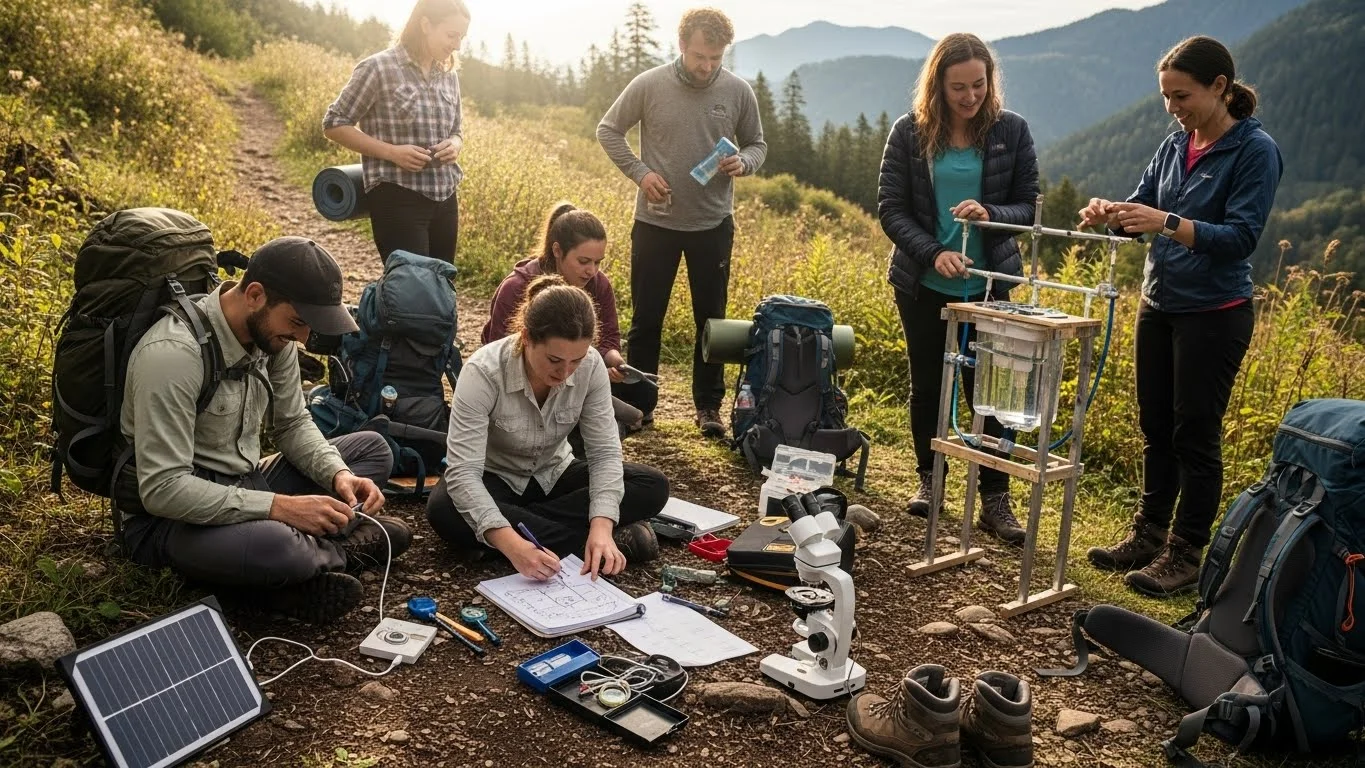
Budget backpacking can be an exhilarating way to connect with nature while integrating hands-on STEM learning. Let’s dive into how we can make the most of our adventures on a budget! Read Interesting article: Budget Backpacking with Kids: Fun Literacy Activities
Understanding Budget Backpacking
Definition of Budget Backpacking
When I first heard the term “budget backpacking,” it sounded like a dream come true. Essentially, it refers to traveling with minimal expenses while carrying everything you need on your back. This approach allows you to explore the great outdoors, visit new places, and experience different cultures without breaking the bank. For me, it’s about finding those hidden gems—places that are off the beaten path and often overlooked, all while keeping costs low.
Benefits of Budget Backpacking
There are numerous benefits to budget backpacking that I’ve discovered over the years. First and foremost, it teaches resourcefulness. When you’re on a tight budget, you learn to make the most of what you have. I remember a trip where I had to rely on my creativity to cook meals with just a portable stove and a few ingredients. It was both challenging and fun!
Another huge benefit is the sense of freedom it brings. Without the constraints of expensive hotels or fancy restaurants, I found that I could go wherever the wind took me. I often stumbled upon breathtaking views, local festivals, or even charming little towns that I might have missed if I’d been on a stricter itinerary. Read Interesting article: Budget Backpacking with Kids: Fun Arts and Crafts Activities
Lastly, budget backpacking fosters connections. Traveling on a budget often means meeting fellow backpackers or locals who share similar interests. I’ve made lifelong friends during my travels, simply by sharing a campsite or cooking dinner together. There’s a unique camaraderie that develops among budget travelers, and it adds to the richness of the experience.
Key Considerations for Budget Travelers
Before heading out on a budget backpacking adventure, there are some key considerations I always keep in mind. First, research your destination thoroughly. Knowing the cost of food, accommodations, and activities can help you plan accordingly. For instance, I once planned a trip to a national park, and by researching beforehand, I learned that certain months had free entry days. This little tip saved me a significant amount!
Next, I prioritize packing smart. The lighter my pack, the easier my journey becomes. I always bring multi-purpose gear that can serve multiple functions, like a lightweight tarp that doubles as a rain cover and a ground sheet. This not only saves space but also helps keep costs down since I don’t have to carry extra items.
Lastly, I try to be flexible with my plans. Sometimes the best experiences happen when you deviate from your itinerary. I recall a time when I decided to extend my stay in a quaint mountain town after meeting some locals. I ended up participating in a community event that was both fun and educational, adding an unexpected yet enriching layer to my trip.
Integrating STEM Education into Backpacking
Importance of STEM in Education
As a lifelong learner, I truly value the role of STEM—science, technology, engineering, and mathematics—in education. It’s not just about textbooks and classroom lectures; STEM teaches us to think critically, solve problems, and innovate. I’ve always believed that the best learning happens outside the classroom, and what better way to explore STEM than through the lens of backpacking? Being out in nature allows us to observe firsthand the principles we often read about in books.
How Backpacking Enhances STEM Learning
Backpacking naturally invites exploration and curiosity. For instance, when I hike through a forest, I can examine the various plant species and their ecosystems. I remember one hike where I set up a small experiment to measure the growth of different plants in varying sunlight. This hands-on experience made the concepts I learned in biology class come alive. Incorporating STEM education into backpacking trips not only enhances learning but also deepens our appreciation for the environment.
Hands-On Activities as Learning Tools
I’ve found that hands-on activities are some of the best ways to engage with STEM subjects while backpacking. They allow us to put theory into practice, creating lasting memories and deeper understanding. Whether it’s conducting simple experiments or utilizing engineering principles to build a shelter, these experiences stay with us long after the trip has ended. I recommend coming prepared with a few activities in mind, but also be open to spontaneous learning opportunities that arise along the way. You never know what you’ll discover when you’re out in nature!
Essential Hands-On STEM Activities for Backpackers
Nature-Based Activities
When I think about backpacking, I can’t help but get excited about the numerous nature-based STEM activities that await. One of my favorite pastimes while hiking is plant identification and classification. Armed with a field guide or a plant identification app on my phone, I set out to learn about the flora around me. I remember one hike where I came across a variety of wildflowers. I took the time to document their characteristics—leaf shape, flower color, and growth patterns. This not only deepened my appreciation for nature but also helped me understand the ecosystem better.
Plant Identification and Classification
Plant identification is more than just a fun activity; it’s a fantastic way to learn about biodiversity. I often make it a game, trying to identify as many plants as possible during a hike. This can turn into a fun family challenge—who can spot the rarest plant? We even created a small journal to document our findings, which has turned into a treasured keepsake. This activity encourages observation skills, critical thinking, and a connection to nature, making it a perfect way to integrate STEM into our adventures.
Weather Observation and Data Collection
Another engaging activity is weather observation and data collection. I’ve had my fair share of surprises with the weather while backpacking! I started carrying a small notebook to record daily temperatures, cloud patterns, and wind speeds. This experience is eye-opening as I learned how weather influences nature and our hiking experiences. Once, while hiking in the mountains, I noticed how quickly the weather changed. Observing this firsthand helped me understand the concepts of meteorology and climate. I even started correlating my findings with weather forecasts to see how accurate they were!
Science Experiments on the Go
Taking science experiments on the road—or, in this case, on the trail—adds a new layer to backpacking. I find that simple, portable experiments can spark curiosity and wonder about the natural world. One of my go-to activities is conducting portable chemistry experiments using safe, lightweight materials. For example, I carry baking soda and vinegar in small containers. I set up mini-volcanoes at a campsite, and the kids (and adults!) get so excited when the reaction happens. It’s not just fun; it teaches principles of chemical reactions and gas production.
Portable Chemistry Experiments
These portable chemistry experiments can be tailored to suit various age groups and knowledge levels. I often challenge myself to think creatively about what materials I can use while still keeping it safe and fun. Bringing along some pH strips can lead to interesting discussions about acidity in natural bodies of water. Each experiment becomes a memorable learning experience, and I’ve seen how it sparks joy and curiosity in everyone involved.
Physics Challenges with Backpacking Gear
Physics challenges can be just as thrilling and educational. For instance, I love creating simple challenges using our backpacking gear. One time, we built a makeshift catapult using tent poles and a small backpack. We tested it by launching pine cones to see how far they could go. This spontaneous experiment led to discussions about force, trajectory, and energy. I encourage everyone to embrace these moments of discovery; they often yield the most laughter and learning!
Engineering Projects Using Natural Resources
Engineering projects are another fantastic way to engage with STEM while backpacking. Using natural resources can spark creativity and innovation. I find that building shelters with found materials, like branches and leaves, is not only practical but also a fun challenge. One time, I teamed up with fellow backpackers to create an improvised shelter. We discussed the best structural designs and materials to use, which led to an impromptu lesson on engineering principles.
Building Shelter with Found Materials
Building a shelter from scratch teaches valuable lessons about design, stability, and environmental awareness. It also fosters teamwork, as everyone pitches in to create a safe space. I remember feeling a sense of accomplishment when we completed our shelter, knowing that we had utilized our surroundings effectively. Plus, it’s a great way to practice survival skills and understand the importance of resource management in nature.
Creating Simple Machines from Backpacking Gear
Another creative project involves making simple machines from our backpacking gear. For example, I once used a trekking pole and some rope to create a pulley system to lift our food bags into a tree, keeping them away from wildlife. This not only demonstrated principles of physics but also highlighted the importance of food safety in the backcountry. These projects can lead to fascinating discussions about how simple machines work and their practical applications in our daily lives.
Budgeting for Backpacking with STEM Activities
Cost Breakdown: Gear and Supplies
When I first started budget backpacking, I quickly realized that the cost of gear and supplies can add up fast. However, I learned how to prioritize my spending to ensure I could enjoy my trips without overspending. I think about gear in terms of essential categories: shelter, cooking equipment, clothing, and safety gear. For example, I discovered that I could find high-quality, used gear at thrift stores or online marketplaces. One time, I picked up a lightweight sleeping bag that was barely used for half the price of a new one. This not only saved me money but also felt like a treasure hunt!
I also focus on multifunctional gear. Instead of buying a separate cooking pot and a bowl, I use a lightweight pot that doubles as a bowl. This reduces both weight and cost. It’s essential to consider the longevity of items; investing a bit more in durable gear can save you money in the long run, as you won’t have to replace items frequently. Overall, I’ve learned the importance of a thoughtful cost breakdown to keep my budget on track while still having what I need to enjoy my adventures.
Free Resources for STEM Learning while Traveling
One of the best parts about integrating STEM activities into backpacking is that there are plenty of free resources available! I’ve stumbled upon some fantastic free apps that help enhance my learning experience. For instance, there are several apps dedicated to plant and bird identification, which can turn a simple hike into an educational journey. I remember using one of these apps while hiking in a national park, and it transformed my understanding of the ecosystem around me. Every time I identified a new plant or bird, I felt a sense of accomplishment.
Additionally, many parks offer free educational programs and guided hikes that can be incredibly informative. I’ve participated in ranger-led programs that explain local geology or wildlife, enhancing my understanding of the environment. These opportunities not only enrich my trips but also encourage conversations with fellow hikers and locals about what we learn together. I think it’s so important to take advantage of these free resources; they make learning accessible and fun! Read Interesting article: Budget Backpacking: Fun Learning Activities for Kids on the Go
Finding Affordable Campsites and Accommodations
Finding affordable campsites can be a game-changer for budget backpackers. I can’t tell you how many times I’ve found hidden gems that cost little to nothing. I always start my search with online platforms that list campgrounds, but I also explore sites that allow dispersed camping, which is often free in national forests. I remember an incredible night spent under the stars by a secluded riverbank, where we set up camp for free. It felt like our own private paradise!
Another tip is to look for state parks or lesser-known areas that may offer lower rates compared to popular national parks. Sometimes, these spots can provide just as much beauty and adventure without the crowds. Furthermore, I always check local regulations to ensure I’m camping in designated areas. This not only enhances my experience but also keeps me compliant with local laws. By being resourceful and doing a little research, I’ve managed to find amazing places to stay that fit my budget perfectly.
Tips for Planning a Budget Backpacking Trip
Choosing Your Destination Wisely
Choosing the right destination can make a world of difference when it comes to budgeting. I’ve learned that some locations are inherently more affordable than others. For example, places that are less popular tend to offer cheaper accommodations and fewer crowds, which can lead to a more enjoyable experience overall. I once chose to explore a small state park instead of a famous national park, and I was amazed at the natural beauty I found. It felt like I had the entire place to myself!
Additionally, I consider the accessibility of my destination. I’ve found that traveling to locations that are closer to home can save on transportation costs. For instance, instead of flying across the country, I discovered beautiful trails and camping spots just a few hours from where I live. This allowed me to save money and spend more time enjoying my adventure rather than worrying about travel expenses. Choosing wisely truly sets the foundation for an excellent budget backpacking experience.
Timing Your Trip for Cost Efficiency
Timing is everything, especially when it comes to budget backpacking. I’ve learned that traveling during the shoulder seasons—just before or after peak tourist times—can save money on everything from campsites to food. For example, I once visited a popular hiking destination in early spring, where I enjoyed stunning blooms and fewer crowds, all while paying significantly less for camping fees. Plus, the weather was still mild enough for comfortable hiking!
Another tip I’ve found useful is to pay attention to local events or festivals that might affect pricing. Some areas may increase their rates during busy weekends, while others might offer discounts during quieter times. I recommend looking up local calendars before planning your trip. By aligning my travel dates with these tips, I’ve been able to maximize my budget while still enjoying the beauty and adventure of the great outdoors.
Creating an Itinerary that Maximizes Learning
When it comes to creating an itinerary, I focus on balancing adventure with learning opportunities. I’ve discovered that planning my hikes around educational stops—like nature centers or historical sites—adds depth to my experience. For instance, I once mapped out a route that included a botanical garden and a geology exhibit. This not only made my hike more interesting but also provided a chance to engage with what I was learning in real-time.
I also leave space in my itinerary for spontaneous discoveries. Some of my best moments have come from wandering off the beaten path or chatting with locals who suggest hidden spots worth exploring. I think it’s essential to stay flexible so that you can embrace these learning moments as they arise. Ultimately, a well-crafted itinerary can enhance both the adventure and education that comes with budget backpacking trips.
Frequently Asked Questions
What is budget backpacking?
Budget backpacking refers to traveling with minimal expenses while carrying everything you need on your back. It allows you to explore the outdoors, visit new places, and experience different cultures without breaking the bank.
What are the benefits of budget backpacking?
Budget backpacking teaches resourcefulness, provides a sense of freedom, and fosters connections with fellow travelers and locals.
How can I prepare for a budget backpacking trip?
Research your destination thoroughly for costs related to food, accommodations, and activities. Prioritize packing smart with multi-purpose gear and be flexible with your plans to maximize your experience.
How does backpacking enhance STEM learning?
Backpacking invites exploration and curiosity, allowing hands-on experiences that make concepts learned in class come alive, such as observing ecosystems or conducting simple experiments in nature.
What are some essential hands-on STEM activities for backpackers?
Essential activities include plant identification and classification, weather observation and data collection, portable chemistry experiments, physics challenges with backpacking gear, and engineering projects using natural resources.
How can I find affordable campsites while backpacking?
Search online platforms for campgrounds, consider dispersed camping in national forests, and explore lesser-known areas that may offer lower rates. Research local regulations to ensure compliance and enhance your experience.
What tips can help me budget for gear and supplies while backpacking?
Prioritize essential gear categories, look for high-quality used items, and focus on multifunctional gear to reduce weight and cost. Consider the longevity of items to avoid frequent replacements.
How can I use free resources for STEM learning while traveling?
Utilize free apps for plant and bird identification, participate in free educational programs and guided hikes offered by parks, and engage in discussions with fellow hikers to enhance your learning experience.
What should I consider when choosing a backpacking destination?
Choose destinations that are less popular for cheaper accommodations and fewer crowds. Consider the accessibility of locations closer to home to save on transportation costs.
How can I create an itinerary that maximizes learning during my trip?
Create a balanced itinerary that includes educational stops like nature centers or historical sites, and leave space for spontaneous discoveries to enhance both adventure and education during your trip.