
Exploring the world can be a thrilling adventure for kids, especially when it’s paired with hands-on activities. Let’s dive into how we can engage children in learning about different cultures and concepts through fun, interactive experiences! Read Interesting article: Top 10 Hands-On Learning Activities for Kids While Traveling
Understanding Hands-On Learning for Kids
What is Hands-On Learning?
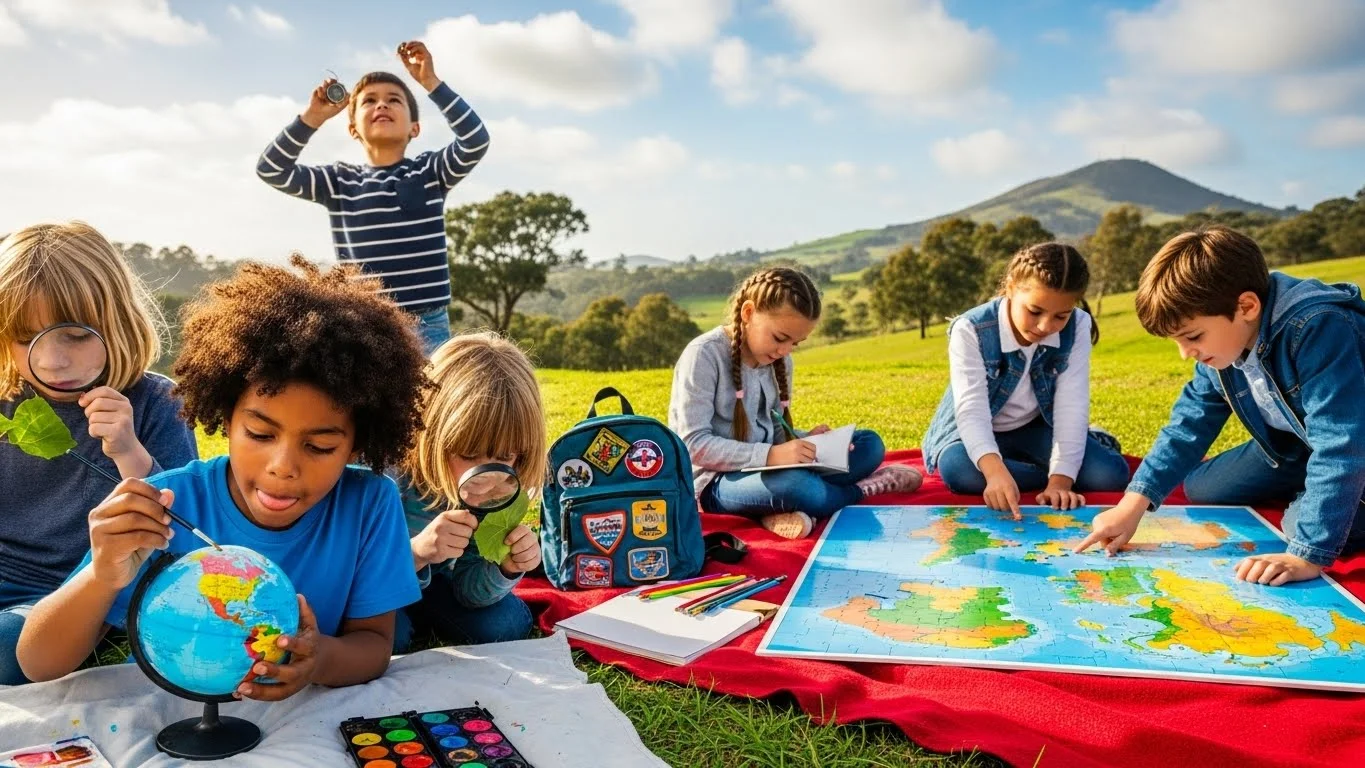
Hands-on learning is all about diving into activities that allow kids to actively engage with the subject matter. Instead of just reading or listening, they get to touch, create, and explore. I remember when my kids first tried a hands-on science experiment; their faces lit up as they mixed ingredients and watched a chemical reaction unfold. It was a moment of pure joy and curiosity! This approach taps into their natural desire to learn through exploration and discovery, making it a perfect fit for young minds.
Benefits of Engaging Activities for Children
Engaging in hands-on activities provides numerous benefits for children. It encourages creativity, enhances problem-solving skills, and boosts confidence. When kids work on projects, they often collaborate and communicate with others, improving their social skills in the process. I’ve noticed that my children are more likely to remember what they learned through these experiences compared to traditional classroom lessons. Not to mention, hands-on activities can also help in developing fine motor skills, as they manipulate materials and tools.
Additionally, these activities often incorporate aspects of play, which is crucial for young learners. Play-based learning not only keeps children interested but also allows them to learn at their own pace. I’ve found that when my kids are having fun, they are more likely to engage deeply with the task at hand. It’s a win-win!
Exploring Different Cultures Through Activities
Arts and Crafts from Around the World
Diving into arts and crafts is a fantastic way to explore different cultures. Each craft tells a story and offers a glimpse into the traditions of various people. Here are some of my favorite crafts to try:
Mexican Papel Picado
Papel Picado is a traditional Mexican craft that involves creating beautiful, intricate designs from colorful paper. I remember one rainy afternoon, we gathered some tissue paper, scissors, and a few templates I found online. As we cut and layered the paper, I saw my kids marvel at how something so simple could become such a vibrant decoration. Not only did we create beautiful pieces, but we also discussed the significance of this art in Mexican culture, especially during celebrations like Día de los Muertos.
Japanese Origami
Origami, the art of paper folding, is both fun and challenging. My kids and I have spent hours trying to create different shapes, from simple boats to more complex cranes. There’s something magical about taking a flat piece of paper and transforming it into a beautiful sculpture. It teaches patience and precision, and it’s a great way to introduce them to a bit of Japanese culture. Plus, it’s an excellent activity to do while chatting about the history of origami and its significance in Japanese traditions.
African Mask Making
Creating African masks can be an exciting way to explore the rich cultures of various African tribes. We gathered some cardboard, paints, and natural materials like leaves and twigs. As we crafted our masks, I shared stories about the different meanings behind various designs and how they are used in cultural ceremonies. This not only sparked their creativity but also encouraged them to think about the importance of cultural expressions.
Culinary Activities: Cooking Global Dishes
Cooking is another delightful way to explore the world! I find that making international dishes not only fills our bellies but also broadens our horizons. Here are some recipes we’ve tried and loved:
Italian Pizza Making
Making pizza from scratch was a hit in our household. We gathered fresh ingredients, rolled out the dough, and topped it with our favorite toppings. As we prepped, I shared the history of pizza and its origins in Italy. It was entertaining to watch my kids get creative with their toppings, and the best part was enjoying a delicious meal together afterward!
Indian Curry Cooking
One evening, we decided to try our hand at making a simple chicken curry. The aromas of spices filled our kitchen, sparking excitement. I explained the significance of spices in Indian cuisine while we cooked. This was more than just a cooking lesson; it became a sensory experience. The vibrant colors and rich smells brought the culture to life, and my kids were eager to taste their creation.
French Pastry Baking
Baking French pastries, like croissants or éclairs, introduced us to the art of delicate baking. I found a simple recipe online, and we tackled it together. The process was a bit messy, but the laughter and bonding moments made it worthwhile. We discussed the French culinary culture, and when we finally tasted our pastries, it felt like we had traveled to a Parisian café right in our kitchen!
Nature and Science Activities Inspired by Global Regions
Ecology Projects: Understanding Diverse Ecosystems
One of the most engaging ways to learn about our planet is through ecology projects that explore various ecosystems. I’ve found that children are naturally curious about the environment, and hands-on activities can channel that curiosity effectively. Here are a couple of projects that we’ve enjoyed together:
Tropical Rainforest Diorama
Creating a tropical rainforest diorama was a memorable experience for us. We gathered cardboard boxes, colored paper, and craft supplies to build our miniature ecosystem. As we crafted, I shared fascinating facts about the layers of the rainforest, the different plants and animals that call it home, and the importance of biodiversity. It was amazing to see my kids’ eyes widen as they learned about creatures like sloths and toucans. Not only did we have fun, but we also discussed real-world issues like deforestation and conservation, making it a multi-faceted learning experience.
Desert Habitat Exploration
We also tackled a project to understand desert habitats. This involved researching various deserts around the world, like the Sahara and the Mojave. I encouraged my kids to create a model showcasing the unique flora and fauna found in these arid environments. Using sand, rocks, and miniature figures, we constructed a mini desert scene. This project allowed us to delve into topics like adaptation, the water cycle, and the challenges of living in extreme conditions. It was not only educational, but it also sparked discussions about climate change and its impact on these delicate ecosystems.
Space and Astronomy Activities
Space has always fascinated my kids, so I knew that incorporating astronomy into our hands-on learning would be a hit. We found ways to explore the universe while enhancing their understanding of science.
Creating a Solar System Model
We embarked on a project to create a scale model of the solar system. Using foam balls, paint, and string, we crafted each planet and hung them from the ceiling. As we worked, I explained the characteristics of each planet and their distances from the sun. It was a great way to visualize the vastness of space and understand concepts like gravity and orbits. My kids loved learning about the differences between terrestrial and gas planets, and we even discussed some recent discoveries in space exploration!
Understanding Different Cultures’ Views on the Stars
To deepen our exploration of astronomy, we researched how different cultures perceive the stars. I remember one evening, we gathered outside with blankets and a telescope. While we gazed at the night sky, I shared stories and myths from various cultures about constellations. From the Greek myths of Orion to the Native American tales of the Big Dipper, it was a captivating way to learn how people throughout history have looked to the stars for guidance and inspiration. This activity not only enriched their knowledge of astronomy but also highlighted the universal wonder that the night sky brings.
Physical Activities and Games from Around the World
Traditional Games to Try
Physical activities are a fantastic way for kids to learn about different cultures while staying active. We’ve had a great time trying out traditional games from various countries.
Chinese Jump Rope
Chinese Jump Rope is a game that combines physical skill with rhythm. My children had so much fun learning the different patterns and jumps. It was a bit nostalgic for me, as I remembered playing it during my childhood. As we played, I explained how this game is often played in schools and playgrounds in China, and it sparked discussions about teamwork and coordination.
Indian Kabaddi
Kabaddi, a traditional Indian sport, was another exciting activity we tried. It’s a mix of tag and wrestling, and it encourages both physical strength and strategic thinking. I watched my kids giggle and cheer as they attempted to master the rules. In talking about the game’s cultural significance, we learned about sportsmanship and the importance of physical fitness in maintaining a healthy lifestyle.
Brazilian Capoeira
We also explored Capoeira, a Brazilian martial art that combines elements of dance, acrobatics, and music. I found a beginner video online, and we practiced some basic moves together. It was so much fun to see my kids get into the rhythm of the music while showcasing their newfound skills. This activity led to conversations about Brazilian culture, music, and the historical context of Capoeira as a form of resistance.
Outdoor Exploration Activities
Spending time outdoors while learning about different cultures can be incredibly rewarding. We’ve enjoyed a few activities that blend exploration with cultural education.
Scavenger Hunts with a Cultural Twist
One of our favorite activities is organizing scavenger hunts focused on cultural elements. I create a list of items or themes related to different countries or cultures, and we all set out to find them in our local park. It’s amazing how much we can relate back to the cultures we’re studying. For example, we looked for items like leaves, rocks, or flowers that could represent the natural resources of a particular country. The kids not only got some exercise but also learned about the local flora and fauna.
Nature Walks Inspired by Global Trails
We also take nature walks inspired by famous trails around the world, such as the Inca Trail in Peru or the Appalachian Trail in the U.S. During these walks, I share stories about the landscapes and the history behind these trails. It’s a great way to connect with nature while discussing different cultures’ relationships with their environments. We often take our sketchbooks along to draw what we see, blending art and nature in a way that my kids truly enjoy.
STEM Activities for Curious Minds
Building Projects from Various Countries
Engaging kids in STEM (Science, Technology, Engineering, and Mathematics) activities can be a fantastic way to nurture their curiosity and creativity. I’ve found that building projects inspired by different countries not only captivates their interest but also helps them understand engineering and architectural concepts. Here are a couple of projects that we enjoyed:
Architectural Challenges: Building a Mini Eiffel Tower
One afternoon, we decided to take on the challenge of building a mini Eiffel Tower using spaghetti and marshmallows. It was entertaining to watch my kids get so involved in the process, trying to figure out how to create a stable structure. I shared with them the history of the Eiffel Tower and its significance in Parisian architecture. They quickly learned about balance, weight distribution, and the importance of strong foundations. Seeing them collaborate and brainstorm ideas to reinforce their tower was inspiring. When we finally finished, and it stood tall, we celebrated our success with a mini French-themed snack—baguettes and cheese!
Engineering Bridges Inspired by Japanese Designs
Inspired by Japan’s iconic bridges, we set out to design our own bridge models using craft sticks. I explained the different types of bridges and their engineering principles, like tension and compression. My kids had a blast experimenting with various designs and testing how much weight their bridges could hold. I remember the excitement when one of their bridges withstood a few toy cars! It was a great lesson in both engineering and teamwork, and we even discussed how these bridges connect communities and cultures. It made me realize how engineering can bridge gaps, quite literally!
Science Experiments with Global Context
Science experiments are an excellent way to explore global issues while sparking curiosity in kids. I’ve found that when they can connect their experiments to real-world scenarios, they become even more engaged. Here are a couple of experiments we enjoyed that have a global context:
Volcano Eruption Simulation (Inspired by Geography)
Creating a volcano eruption simulation was a thrilling experience for us. We used simple materials like baking soda, vinegar, and food coloring. As we mixed everything together, the kids were mesmerized by the bubbling lava. I took this opportunity to discuss the geography of volcanic regions around the world, particularly the Ring of Fire. It was fascinating to see them connect the dots between our mini eruption and the real volcanic activity happening globally. We even talked about the impact of volcanoes on surrounding communities and the environment. It helped them understand the science behind geology and its relevance in our world.
Water Filtration Experiment (Inspired by Global Water Crisis)
In another experiment, we explored the importance of clean water through a simple water filtration project. We gathered materials like sand, gravel, and coffee filters to create our own filtration systems. As we poured dirty water through our filters, I shared information about the global water crisis and how many communities struggle with access to clean drinking water. It was eye-opening for my kids to realize how something so simple is a luxury for others. This activity not only taught them about filtration but also nurtured empathy and awareness of global issues. Watching them take this knowledge to heart was truly rewarding.
Creative Expression Through Global Arts
Music and Dance Activities
Music and dance are powerful ways to connect with different cultures. I love how these art forms can evoke emotions and tell stories from around the world. We’ve tried various activities that allow us to express ourselves creatively while learning about global traditions.
Learning Traditional Dances from Different Cultures
One of our favorite activities was learning traditional dances from various cultures. We started with a simple hula dance from Hawaii. I found a video online, and we followed along, trying our best to mimic the graceful movements. It was a delightful experience, and my kids found it hilarious to see me attempt some of the steps! While dancing, we discussed the significance of hula in Hawaiian culture and its connection to storytelling and history. It was wonderful to see their enthusiasm and how much they enjoyed moving their bodies while learning.
Exploring Musical Instruments from Around the World
Another enjoyable activity was exploring different musical instruments from around the globe. We listened to sounds from instruments like the sitar from India, the marimba from Africa, and the didgeridoo from Australia. I encouraged my kids to create their own instruments with items around the house, such as using rubber bands to make a simple guitar or filling jars with different amounts of water to create a xylophone. This activity not only introduced them to various cultures but also allowed them to express their creativity through music. We even put on a little concert at home—complete with our homemade instruments!
Theater and Storytelling Activities
Theater and storytelling are fantastic ways to engage kids’ imagination while teaching them about global narratives. I’ve found that these activities can spark meaningful discussions about culture and history.
Puppet Shows Inspired by Folklore
We decided to create a puppet show inspired by popular folklore from different countries. After reading a few stories, my kids designed their puppets using socks, paper, and craft supplies. They had a great time bringing the characters to life and even added their own twists to the tales. It was delightful to see them embody the characters and express themselves while sharing stories that reflect cultural values and morals. We even invited family members to watch our little performance, which made it feel special!
Storytelling Circles with Global Myths
Another cherished activity was holding storytelling circles where we would share myths and legends from various cultures. We gathered around with snacks and took turns narrating our favorite stories. I remember my kids’ eyes lighting up as they listened to tales of gods and heroes from Greek mythology to Native American folklore. This activity not only enhanced their listening and speaking skills but also fostered a love for storytelling. It was heartwarming to see them connect with these narratives and understand the common themes that run through human experiences across cultures.
Safety and Inclusivity in Hands-On Activities
Adapting Activities for Different Age Groups
As we dive into these engaging activities, it’s important to remember that not all children learn the same way or at the same pace. I’ve learned that adapting activities to fit different age groups can make a big difference in their experience. For younger kids, simplifying tasks or using larger, easier-to-handle materials can enhance their engagement. For older kids, adding more complex concepts or challenges can keep their interest alive. I often involve my children in the planning process, asking them what they would like to learn and how they want to approach the activity. This not only empowers them but also ensures that they feel included in their learning journey.
Ensuring Safety During Hands-On Projects
Safety is always a priority when we’re engaged in hands-on projects, especially when using tools or materials that could pose a risk. I make it a point to set clear rules and guidelines before we start any activity. For instance, while crafting with scissors or using kitchen tools, I closely supervise my kids to ensure they’re handling everything safely. Additionally, I encourage them to ask questions if they’re unsure about something. By fostering an environment where safety is prioritized, we can focus on the fun and learning aspects of our hands-on experiences without unnecessary worry.
Resources and Tools for Hands-On Learning
Books and Guides for Global Activities
As we explore different cultures and concepts through hands-on activities, I’ve found that having the right resources can make a significant difference. There are numerous books and guides available that offer a wealth of ideas for global activities. I particularly enjoy books that include not only instructions but also background information on the cultural significance of each project. This adds depth to our learning and allows us to appreciate the stories behind the activities. I recommend checking out local libraries or online resources that focus on multicultural education and hands-on learning.
Online Platforms and Websites for Activity Ideas
The internet is a treasure trove of resources for hands-on learning. I often browse websites that specialize in educational activities, offering step-by-step guides, video tutorials, and even printable templates for crafts and projects. Platforms like Pinterest and educational blogs have become my go-to sources for inspiration. I also find that connecting with online communities can provide valuable insights and tips from other parents and educators who are passionate about hands-on learning. Sharing experiences and ideas with others enriches our journey and opens up new possibilities for exploration. Read Interesting article: Budget Backpacking: Fun Learning Activities for Kids on the Go
Frequently Asked Questions
What is hands-on learning for kids?
Hands-on learning involves engaging children in activities that allow them to actively participate in the subject matter. This approach encourages exploration and discovery, making learning more interactive and enjoyable for young minds.
What are the benefits of engaging activities for children?
Engaging activities promote creativity, enhance problem-solving skills, boost confidence, and improve social skills through collaboration. They also help children remember concepts better compared to traditional lessons and aid in developing fine motor skills.
How can arts and crafts help children explore different cultures?
Arts and crafts provide a unique opportunity to learn about various cultures through creative expression. Each craft tells a story and reflects the traditions and significance of the culture it represents, such as Mexican Papel Picado or Japanese Origami.
What are some culinary activities that can help kids learn about global cultures?
Cooking international dishes is a delightful way to explore different cultures. Activities like making Italian pizza, Indian curry, or French pastries not only teach culinary skills but also introduce children to the cultural significance of these foods.
What types of ecology projects can children engage in to learn about ecosystems?
Children can create projects such as a tropical rainforest diorama or a desert habitat model. These projects allow them to discover various ecosystems, biodiversity, and environmental issues while nurturing their curiosity about the natural world.
How can traditional games help kids learn about different cultures?
Traditional games, like Chinese Jump Rope and Indian Kabaddi, encourage physical activity while introducing children to cultural practices and communal play. They provide a fun way to discuss teamwork, strategy, and the cultural significance of the games.
What STEM activities can inspire children’s curiosity and creativity?
STEM activities such as building a mini Eiffel Tower or designing bridges inspired by Japanese architecture can captivate children’s interest. These projects teach engineering concepts while allowing them to experiment and collaborate on solutions.
How can music and dance activities connect children to global cultures?
Music and dance activities, such as learning traditional dances or exploring musical instruments from around the world, help children express themselves creatively while learning about the cultural significance of these art forms.
What safety measures should be taken during hands-on projects?
It’s important to prioritize safety by setting clear rules, supervising children when using tools, and encouraging them to ask questions if unsure. Adapting activities for different age groups can also enhance safety and engagement.
Where can parents find resources for hands-on learning activities?
Parents can find valuable resources in books and online platforms that specialize in educational activities. Local libraries, educational blogs, and websites like Pinterest offer a wealth of ideas and inspiration for multicultural hands-on learning. Read Interesting article: Affordable STEM Activities for Kids: Fun and Educational Ideas