
Authoritarian parenting is more than just a style; it’s a complex topic that shapes children’s futures. Let’s delve into what authoritarian parenting means, its historical roots, and how it impacts children across the globe. Read Interesting article: Navigating Authoritarian Parenting: Tips for Success
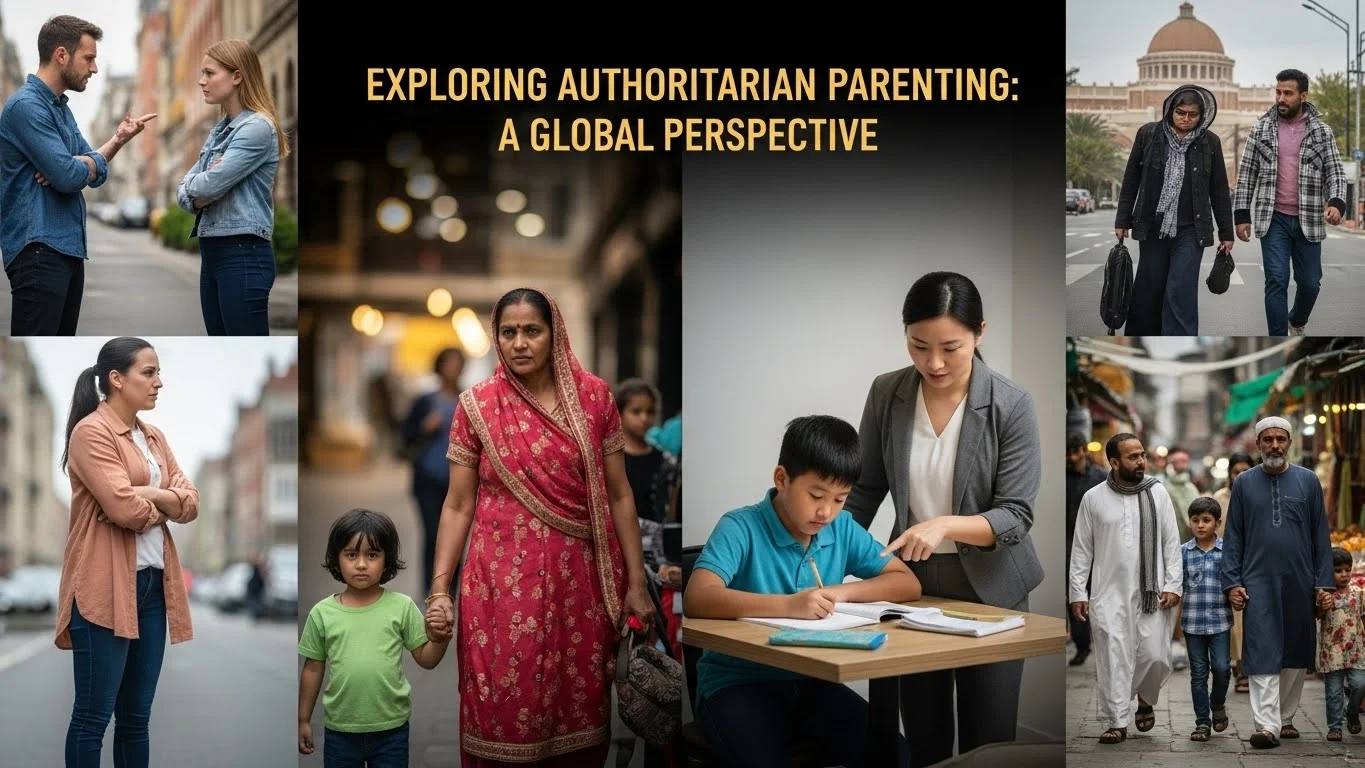
Understanding Authoritarian Parenting
Definition and Characteristics
Authoritarian parenting is characterized by high demands and low responsiveness. In my own experience, I’ve noticed that this style often prioritizes obedience and discipline over warmth and emotional support. Parents who adopt this style believe that strict rules and expectations are essential for raising well-behaved children. They typically enforce rules without room for negotiation or discussion, leaving little space for a child’s input or feelings.
One of the most striking aspects of authoritarian parenting is the absence of nurturing. Parents often exhibit control through punishment rather than guidance. I remember reading about how this parenting style can create a rigid family environment where children are expected to conform without question. Traits like rigidity, perfectionism, and high expectations are often the hallmark of these families.
Historical Context
To truly grasp the nature of authoritarian parenting, it’s helpful to examine its historical context. For instance, in many cultures, particularly in the early to mid-20th century, authoritarian parenting was seen as the norm. During those times, society placed a high value on discipline, obedience, and respect for authority. I’ve found it fascinating to see how socioeconomic factors and historical events, like wars and economic depressions, influenced parenting styles. Parents often believed that stricter methods were necessary to prepare children for a harsh world.
Over the decades, as societal norms shifted, so did parenting philosophies. Yet, in some cultures, authoritarian methods remain prevalent, emphasizing tradition and respect for elders. I think this blend of history and culture is crucial in understanding why authoritarian parenting persists in some families today.
Psychological Impact on Children
The psychological effects of authoritarian parenting can be profound and long-lasting. I’ve come across various studies that suggest children raised in these environments often struggle with issues such as low self-esteem and anxiety. They may feel that their worth is contingent on their ability to meet high expectations, which can lead to a constant fear of failure. I remember speaking with a friend who grew up in an authoritarian household; they often felt they had to achieve perfect grades to gain their parents’ approval, which left them stressed and anxious about their performance. Breaking Down Authoritarian Parenting’s Effects on Kids
Moreover, emotional development can be stunted in children subjected to authoritarian parenting. They might find it difficult to express their feelings or develop healthy social relationships. From my perspective, this lack of emotional intelligence can hinder their ability to navigate the world effectively. Children may become overly compliant or rebellious, leading them to struggle with authority figures in their later years.
Interestingly, some research suggests that the impact of authoritarian parenting can vary based on the child’s personality. For example, a naturally resilient child might cope better with strict parenting, while a more sensitive child could feel overwhelmed and pressured. I think this variability underscores the importance of understanding each child as an individual, rather than applying a one-size-fits-all approach to parenting.
As I’ve explored this topic, I’ve come to realize that understanding the nuances of authoritarian parenting not only helps us see its implications but also encourages us to reflect on our own parenting styles and the values we wish to instill in our children. Understanding Authoritarian Parenting: Impact on Child Development
Global Perspectives on Authoritarian Parenting
North America
Trends in Authoritarian Parenting
In North America, the trends in authoritarian parenting have evolved over the years. I’ve noticed that while some parents still adhere to strict, controlling methods, there is a growing awareness of the importance of nurturing and responsiveness. For example, I’ve spoken with many parents who grew up with authoritarian styles but have consciously shifted to more authoritative methods, which blend firmness with warmth. There’s a sense that parenting must adapt to the changing times, and many are now seeking ways to balance authority and support.
From my perspective, the shift is also influenced by the increasing access to parenting resources. Many parents today are reading books, attending workshops, or even participating in online forums where they can share their experiences and learn from one another. I think this community aspect is so vital, as it fosters a culture of support and understanding rather than one of strict discipline alone.
Effects on Child Development
The impact of authoritarian parenting in North America can be significant. I remember a conversation with a teacher who mentioned how she often sees children from authoritarian backgrounds struggling with creativity and independent thinking. They tend to follow rules rigidly, sometimes at the expense of their own ideas and preferences. It’s as if they’ve been conditioned to seek approval before expressing themselves, which can stifle their potential.
Moreover, there’s this underlying tension between wanting to please authority figures and developing a sense of self. I’ve come across studies pointing out that children from authoritarian homes may excel academically in structured environments, but they often struggle in collaborative settings where they’re required to share ideas and work as a team. This dichotomy in skills can leave them feeling unprepared for the complexities of adult life.
Europe
Country-Specific Practices
When exploring authoritarian parenting in Europe, it’s fascinating to see how practices vary widely from one country to another. For instance, I’ve noticed that in some Northern European countries, there’s a strong emphasis on freedom and autonomy in child-rearing, while Southern European countries may still hold onto more traditional, authoritarian methods. I think cultural heritage plays a significant role in shaping these styles.
I recall reading about how Scandinavian countries prioritize a balanced approach, encouraging independence while still providing guidance. In contrast, Mediterranean cultures often stress respect for authority and familial loyalty, which can manifest in stricter parenting styles. This diversity makes it clear that parenting is not a one-size-fits-all concept, and what works in one culture may not resonate in another.
Societal Attitudes Towards Parenting Styles
The societal attitudes toward parenting styles in Europe are shifting, too. I’ve seen that there’s a growing movement towards more permissive and nurturing methods, with a focus on emotional intelligence and the well-being of children. Many parents I’ve spoken with express a desire to break from the authoritarian mold their own parents followed, seeking instead a more empathetic approach. It’s heartwarming to hear how open conversations about parenting are becoming more common, and how these discussions are contributing to a broader understanding of child development.
Asia
Cultural Influences on Parenting
In Asia, the cultural influences on parenting are deeply ingrained and can often lean towards authoritarian practices. I’ve had the opportunity to engage with friends from various Asian backgrounds who share insights into their upbringing. Many describe a strong emphasis on discipline, respect for elders, and academic success, characteristics often rooted in Confucian values.
What strikes me is how these cultural frameworks shape expectations for children. Families often prioritize educational achievement as a means of familial honor, which can lead to strict monitoring of children’s activities and academic performance. While I understand the intent behind these practices, I can’t help but wonder about the pressure that comes with it. I’ve seen firsthand how this can create a high-stress environment, where children feel they must excel to gain their parents’ approval.
Comparative Analysis with Western Styles
When comparing authoritarian parenting in Asia with Western styles, it’s essential to acknowledge the underlying values driving each approach. From my perspective, Western parenting often leans towards fostering independence and self-expression, while many Asian cultures stress conformity and collective success. I think this difference can lead to varying outcomes in terms of emotional health and social skills. In my experience, children raised in more collectivist environments may struggle with personal identity and feelings of self-worth if they don’t meet societal expectations.
Africa
Variations Across Regions
Africa presents a rich tapestry of parenting styles, often influenced by local customs and traditions. I’ve learned that in some regions, authoritarian practices are common, primarily due to historical contexts and communal living structures. For instance, in many cultures, children are raised with an emphasis on obedience and respect for authority, which often reflects the hierarchical nature of community life.
However, I’ve also noticed variations even within countries. In urban areas, for instance, there’s a growing trend towards more nurturing styles as exposure to global ideas about parenting increases. I think it’s remarkable how these influences are reshaping traditional views, allowing for a blend of old and new practices.
Impact of Socioeconomic Factors
Socioeconomic factors play a significant role in shaping parenting styles across Africa. In more affluent communities, I’ve seen families adopt practices that focus on education and emotional well-being, while in lower-income areas, the stress of economic hardship can lead to stricter, more authoritarian approaches as parents may feel they need to maintain control to ensure their children’s safety and success.
This dynamic creates a complex landscape where parenting styles are constantly evolving. I believe that as African societies continue to develop and adapt, we will see even more shifts in how children are raised, with a potential move away from authoritarian practices toward more supportive and understanding approaches.
Latin America
Family Structure and Authoritarian Practices
In Latin America, family structures often play a pivotal role in shaping parenting styles. I’ve found that many families are closely knit, with a strong emphasis on familial loyalty and respect. This can lead to authoritarian practices, where parents enforce strict rules to maintain harmony and ensure a child’s adherence to family values.
As I’ve spoken with friends from various Latin American countries, they often share stories of how their upbringing included a significant amount of discipline, sometimes to the point of excessive control. Yet, it’s also interesting to see how love and close relationships often coexist with these authoritarian tendencies, creating a unique blend of discipline and warmth.
Modern Influences and Changes
Modern influences are starting to reshape parenting styles across Latin America. I’ve noticed a growing awareness of the importance of emotional intelligence and open communication. Many parents are beginning to recognize the need for a more balanced approach, allowing for dialogue and emotional expression within the family. I believe this shift is fueled by increased access to education and global perspectives on child-rearing, encouraging families to seek alternative methods that foster both discipline and warmth.
Key Factors Influencing Authoritarian Parenting
Cultural Norms and Values
Cultural norms and values play a huge role in shaping how parents raise their children. I often think about how what is considered “normal” in one culture can be very different in another. For instance, in some societies, collectivism is highly valued, leading parents to prioritize group harmony and obedience over individual expression. I remember having a conversation with a friend who grew up in a collectivist culture; they shared how their family emphasized duty and respect, which deeply influenced their upbringing. This emphasis often translates into authoritarian practices, where strict adherence to rules is seen as a way to uphold family honor and societal expectations.
On the other hand, cultures that emphasize individualism may encourage more permissive or authoritative parenting styles. I think this cultural lens is essential to understand why certain families adopt authoritarian methods. It’s fascinating to see how deeply ingrained these cultural norms are, as they often dictate not just parenting but also broader social interactions and expectations. The challenge is finding a balance that respects cultural traditions while also nurturing emotional development.
Socioeconomic Status
Socioeconomic status is another critical factor that influences parenting styles. From my experience, families in higher socioeconomic brackets often have access to more resources, such as education, extracurricular activities, and parenting support. This access can lead to a more nurturing approach to parenting, as parents may prioritize emotional well-being and open communication. I’ve noticed that these families tend to adopt methods that encourage independence and self-expression in their children.
Conversely, in lower-income communities, parents might resort to more authoritarian styles due to the stress of economic hardship. I remember volunteering in a program that supported families in economically challenged neighborhoods, and many parents expressed the feeling that strict rules were necessary to keep their children safe and focused. This dynamic creates a complex interplay where the pressures of daily life can lead to a focus on control rather than guidance, potentially limiting children’s emotional and social development.
Education Levels of Parents
The education levels of parents can also significantly impact their parenting styles. In my interactions with different families, I’ve found that parents with higher education levels often feel more empowered to adopt varied approaches, including authoritative styles that balance warmth with discipline. They tend to seek out information about parenting techniques and are more likely to engage in discussions about child development and emotional intelligence.
On the flip side, I’ve observed that parents with limited educational backgrounds may rely more on traditional methods, including authoritarian practices. This reliance is often not due to a lack of care but rather a lack of exposure to alternative parenting resources. I think it’s important to recognize that education can open doors to new parenting philosophies and practices, allowing parents to adapt and evolve their methods based on new insights.
Government Policies and Regulations
Government policies and regulations can also shape parenting practices in significant ways. I’ve seen how some countries implement family support systems, including parental leave, childcare subsidies, and educational programs that promote healthier parenting styles. These policies can encourage parents to focus on nurturing their children rather than imposing rigid control. For instance, in countries with strong social welfare systems, parents might feel more secure and less pressured to resort to authoritarian measures to ensure their children’s success.
In contrast, in regions where support systems are lacking, parents may feel overwhelmed and resort to authoritarian methods as a means of maintaining control over their children’s lives. I think the role of government in supporting families is crucial, as it can provide the resources and education needed to foster healthier, more responsive parenting. It’s a reminder that parenting is not just a personal journey but also one that is influenced by broader societal structures.
Consequences of Authoritarian Parenting
Emotional and Behavioral Outcomes
When I think about the consequences of authoritarian parenting, I often reflect on the emotional and behavioral challenges that can arise. Children raised in such environments may develop a range of issues. For instance, I’ve seen that they often struggle with their emotions, feeling overwhelmed by anxiety or frustration. I remember talking to a former classmate who shared how they felt constantly on edge, fearing punishment or disapproval from their parents. This fear can lead to a heightened sense of anxiety that follows them into adulthood.
Moreover, authoritarian parenting can sometimes be linked to behavioral issues. Research suggests that children may react in one of two ways: they either comply rigidly with authority or rebel against it. I’ve noticed this in various social settings, where some children raised under harsh rules tend to be overly compliant, while others act out in defiance. This dichotomy can create challenges in forming healthy relationships, as they may struggle to navigate authority figures or peer interactions.
ADHD and Anxiety Disorders
Interestingly, some studies have indicated a connection between authoritarian parenting and the development of ADHD and anxiety disorders. I’ve come across anecdotal evidence suggesting that children who grow up under strict regimes might exhibit symptoms of these conditions. I remember a friend who was diagnosed with anxiety, and they often recounted how their overly demanding parents contributed to their feelings of inadequacy and fear. It made me realize that the pressure to conform and perform can manifest in real psychological challenges.
Resilience and Coping Mechanisms
On the flip side, I’ve also learned that some children raised in authoritarian environments develop surprising resilience. They may internalize high standards and find ways to cope with the challenges presented by their upbringing. I once spoke to someone who expressed gratitude for their strict upbringing, stating that it taught them discipline and the value of hard work. This illustrates that while authoritarian parenting can have negative outcomes, it doesn’t always lead to detrimental effects; some children thrive despite the challenges.
Academic Performance
Academic performance is another area heavily influenced by authoritarian parenting. I’ve noticed that while some children from these backgrounds may excel in structured academic environments, they often struggle with creativity and independent thinking. I remember a discussion with a teacher who pointed out how these children might conform to the expectations set before them without taking the initiative to explore their interests fully. This can hinder their overall learning experience and limit their potential.
Social Relationships and Peer Interactions
Social relationships are also affected by authoritarian parenting. I’ve observed that many children raised in strict households have difficulty forming friendships. They often find it hard to express themselves freely, leading to issues with peer interactions. I remember how a friend from an authoritarian background found it challenging to connect with others because they were always worried about how they would be perceived. This inability to engage openly can lead to feelings of isolation and loneliness, making the transition to adulthood even more challenging.
Alternatives to Authoritarian Parenting
Authoritative Parenting Style
Having explored authoritarian parenting, I’ve become particularly interested in the alternatives that can lead to healthier outcomes. One style that stands out to me is authoritative parenting. This approach blends warmth and structure, allowing children to feel secure while also encouraging independence. I’ve seen how children thrive in environments where their opinions are valued, and their parents provide guidance without being overly controlling.
Positive Discipline Techniques
Positive discipline techniques are another alternative that I feel passionate about. I’ve come across various strategies that emphasize teaching rather than punishing. For example, instead of resorting to harsh consequences for misbehavior, parents can focus on setting clear expectations and guiding their children towards better choices. This approach fosters a sense of responsibility and helps children learn from their mistakes without fear of harsh judgment.
Open Communication and Emotional Support
Open communication is key in any parenting style, but especially in alternatives to authoritarian methods. I believe that fostering an environment where children feel comfortable expressing their feelings can lead to healthier emotional development. By actively listening and validating their emotions, parents can build trust and encourage children to develop their emotional intelligence. I’ve seen firsthand how this can lead to stronger family bonds and more resilient children who are better equipped to handle life’s challenges.
Final Thoughts
Reflecting on the intricate world of parenting, it’s clear that our approach can have a profound impact on our children’s lives. Authoritarian parenting, while rooted in historical and cultural contexts, often brings more challenges than benefits. However, understanding its consequences opens the door to exploring alternatives that promote emotional wellness, creativity, and healthy relationships. I’ve learned that parenting is a journey, one where we can constantly adapt and grow. By embracing more nurturing and supportive methods, we can help our children flourish in an environment filled with love and understanding.
Frequently Asked Questions
What is authoritarian parenting?
Authoritarian parenting is characterized by high demands and low responsiveness, prioritizing obedience and discipline over warmth and emotional support. Parents who adopt this style enforce strict rules without room for negotiation or discussion, often using punishment rather than guidance.
What are the historical roots of authoritarian parenting?
Historically, authoritarian parenting was seen as the norm in many cultures, particularly in the early to mid-20th century, where discipline, obedience, and respect for authority were highly valued. Socioeconomic factors and historical events influenced parenting styles, with parents believing stricter methods were necessary to prepare children for a harsh world.
How does authoritarian parenting impact children’s psychological development?
Children raised in authoritarian environments often struggle with low self-esteem and anxiety. They may feel their worth is contingent on meeting high expectations, leading to a fear of failure. Emotional development can also be stunted, making it difficult for them to express feelings or develop healthy social relationships.
What are some trends in authoritarian parenting in North America?
In North America, there is a growing awareness of the importance of nurturing and responsiveness, leading some parents who grew up with authoritarian styles to shift towards more authoritative methods. This change is influenced by increased access to parenting resources and a desire for balance between authority and support.
How do cultural influences shape authoritarian parenting in Asia?
In Asia, cultural influences often lean towards authoritarian practices, emphasizing discipline, respect for elders, and academic success, rooted in Confucian values. Families often prioritize educational achievement as a means of familial honor, leading to strict monitoring of children’s activities and performance.
What variations exist in authoritarian parenting across Africa?
Africa showcases a variety of parenting styles influenced by local customs and traditions. While authoritarian practices are common in some regions due to historical contexts, urban areas are seeing a trend towards more nurturing styles as families are exposed to global ideas about parenting.
What role does socioeconomic status play in authoritarian parenting?
Socioeconomic status significantly impacts parenting styles. Higher-income families often have access to resources that facilitate more nurturing approaches, while lower-income families may resort to authoritarian styles due to the stress of economic hardship, feeling the need to maintain control for their children’s safety and success.
What are the consequences of authoritarian parenting on children’s social relationships?
Children raised in authoritarian households often struggle to form friendships and express themselves freely, leading to issues with peer interactions. This inability can result in feelings of isolation and loneliness, making the transition to adulthood more challenging.
What alternatives to authoritarian parenting are suggested in the article?
Alternatives to authoritarian parenting include authoritative parenting, which blends warmth and structure, positive discipline techniques that focus on teaching rather than punishing, and fostering open communication and emotional support to encourage healthier emotional development in children.
How has the understanding of authoritarian parenting evolved over time?
Understanding of authoritarian parenting has evolved to recognize its challenges and consequences. As societal norms shift, there is a greater focus on exploring nurturing and supportive methods that promote emotional wellness, creativity, and healthy relationships, encouraging parents to adapt and grow in their parenting approaches.