
Permissive parenting often raises eyebrows, but it’s an interesting approach that can lead to unique family dynamics. Let’s dive into what it really means and how it shapes our children’s lives. Read Interesting article: Top Traits of Permissive Parenting You Should Know About
Understanding Permissive Parenting
Definition of Permissive Parenting
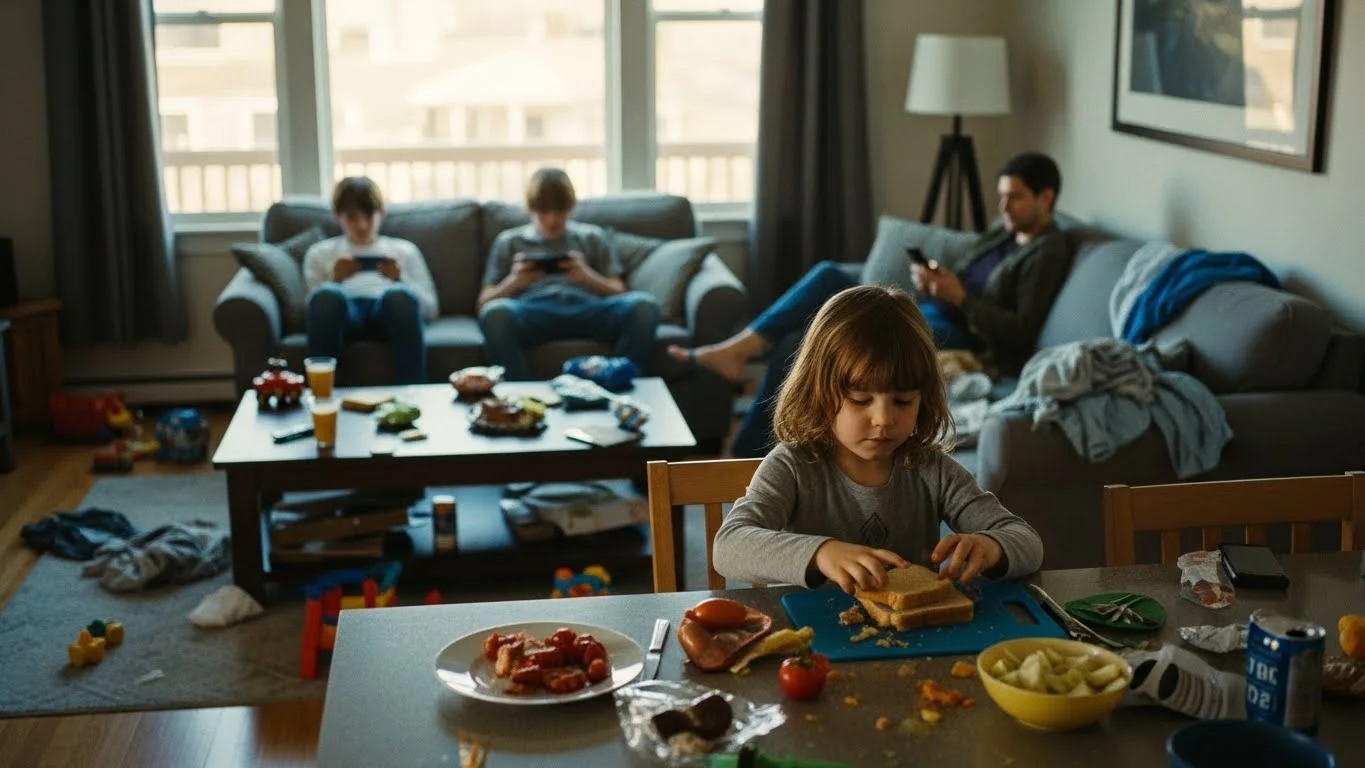
Permissive parenting is a style characterized by a high level of responsiveness and a low level of demandingness. This means that while parents who adopt this style are very nurturing and supportive, they often avoid setting strict rules or boundaries. I’ve noticed that permissive parents tend to prioritize their child’s happiness and freedom over discipline. It’s not uncommon for them to indulge their children’s desires, allowing more freedom than structure in their daily lives.
Historical Context and Development
Understanding where permissive parenting fits in the broader landscape of parenting styles can be enlightening. The term “permissive parenting” gained traction in the 1960s and 1970s when psychologists like Diana Baumrind began to categorize different parenting styles based on their responsiveness and demandingness. I find it fascinating how societal changes, from a shift toward valuing individuality to an emphasis on emotional well-being, have influenced the rise of permissive parenting. It seems that as parents began to focus more on nurturing their children’s self-esteem, the permissive style became more common. Understanding Permissive Parenting: Key Characteristics Explained
Comparison with Other Parenting Styles
When I think about parenting styles, three main ones often come to mind: authoritative, authoritarian, and permissive. Authoritative parents blend high demands with high responsiveness, setting clear rules while also providing emotional support. Conversely, authoritarian parents maintain strict control and high demands with little warmth. In contrast, permissive parents lean heavily on warmth and affection without much control. I’ve seen how this can create distinct environments for children. For example, while authoritative children often grow up with a balance of independence and structure, permissive children may struggle with limits, leading to different outcomes in their emotional and social development.
Key Characteristics of Permissive Parenting
Low Demands and High Responsiveness
One defining feature I’ve observed in permissive parenting is the low demands placed on children. Parents may struggle to enforce rules or consequences, often feeling guilty for saying no. In my own experience, I’ve seen friends who adopted this style tend to prioritize their kids’ feelings over setting expectations. This can lead to a nurturing home environment, but it also means children might not learn the necessary skills to navigate challenges or handle disappointments effectively. I remember a friend who would let her son stay up late on school nights just because he didn’t want to go to bed. While she cherished his happiness, I often wondered how that would affect his ability to meet responsibilities later on.
Emotional Support and Affection
On the positive side, permissive parents usually offer a wealth of emotional support and affection. I’ve seen how this can create an incredibly close bond between parent and child. When children feel loved and accepted, they often develop strong self-esteem and a sense of security. In my experience, this affectionate environment fosters open communication, allowing kids to express their feelings freely. However, it can also mean that children might become dependent on their parents for emotional validation, making it harder for them to stand on their own two feet as they grow older.
Lack of Structure and Boundaries
The lack of structure is another prominent characteristic of permissive parenting. I’ve noticed that without clear guidelines or boundaries, children may struggle to understand limits. This can manifest in various ways, such as difficulty following rules at school or challenges in social settings. I once met a child who thrived in the chaos of flexibility but found it hard to adjust when boundaries were introduced elsewhere. It made me realize the importance of teaching children about limits in a supportive way, balancing freedom with the necessary structure for their growth.
Freedom of Choice for Children
Permissive parents often encourage their children to make decisions for themselves, fostering independence from a young age. I’ve seen how this can lead to creativity and self-expression, allowing kids to explore their interests. For me, this freedom can be a double-edged sword. While it promotes autonomy, it also places a heavy responsibility on the child to make wise choices. I remember a story about a young girl who was allowed to choose her own extracurricular activities. She thrived creatively but struggled to balance her time, often overcommitting herself without recognizing her limits. This aspect of permissive parenting can be challenging, as it’s essential to help children navigate their newfound freedom while still learning the importance of responsibility.
Impact of Permissive Parenting on Child Development
Effects on Emotional Development
When it comes to emotional development, permissive parenting has a significant impact. I’ve seen how children raised in these environments can develop strong emotional awareness and a sense of self. They often feel comfortable expressing their feelings and are adept at understanding the emotions of others. However, I’ve also noticed that this can lead to challenges. For example, some kids may struggle to cope with negative emotions or conflicts because they haven’t learned how to manage boundaries or face disappointments. I remember a friend whose child was very expressive but would often break down when things didn’t go her way. It made me realize how important it is for children to experience and learn from those tough moments, which might not happen as frequently in permissive households.
Influences on Social Skills
Social skills are another area where permissive parenting leaves its mark. I’ve observed that children may become outgoing and friendly, thanks to the freedom of expression they receive at home. They often feel confident making friends and engaging in social situations. However, without clear boundaries, they sometimes struggle to navigate social norms. I met a child who was incredibly sweet but would frequently interrupt others during conversations, not understanding the importance of waiting for their turn. This can create awkward social dynamics, making it difficult for them to form lasting friendships. It’s a delicate balance, as the nurturing environment can foster creativity, but it might also hinder the development of essential social etiquette.
Academic Performance and Motivation
Academic performance is often a hot topic among parents, and permissive parenting can influence this area in various ways. I’ve seen kids thrive in creative subjects when given the freedom to explore their interests. However, I’ve also noticed that the lack of structure can lead to challenges in areas that require discipline and focus, like math or reading. For instance, I remember a boy who loved art and spent hours drawing but often neglected his homework because he felt no urgency to complete it. This made me think about how important it is for children to understand that while pursuing passions is essential, academic responsibilities shouldn’t be overlooked. Without consistent encouragement to prioritize their studies, motivation can wane, leading to poorer academic outcomes.
Behavioral Issues and Challenges
Behavioral issues can also arise in permissive parenting situations. I’ve seen children who are accustomed to getting their way struggle when faced with authority figures or rules outside the home, such as teachers. They might push back against boundaries, leading to conflicts. For example, a friend’s daughter would often throw tantrums when asked to follow rules at school, as she was used to negotiating everything at home. This made me realize the importance of teaching kids how to respect authority and understand the reasons behind rules. It’s not just about being permissive; it’s about helping children learn how to coexist in a world with various expectations and guidelines.
Benefits of Permissive Parenting
Encouragement of Creativity and Independence
Despite the challenges, there are undeniable benefits to permissive parenting. One of the most significant advantages I’ve seen is the encouragement of creativity and independence. Children often have the freedom to explore their interests without the fear of harsh criticism. I’ve witnessed amazing artistic talents flourish when kids are allowed to experiment and express themselves. For instance, I remember a young girl who was passionate about dance. Her parents never imposed strict schedules on her practices, allowing her to dance whenever she felt inspired. This not only made her a talented dancer but also instilled a sense of autonomy that I believe will serve her well in the future. Read Interesting article: How to Transition Smoothly from Authoritarian to Permissive Parenting
Strong Parent-Child Relationships
Another benefit is the strong bond that often forms between permissive parents and their children. I’ve noticed that the warm, nurturing environment fosters open lines of communication. Kids feel safe discussing anything with their parents because they know they won’t be judged harshly. This makes for a trusting relationship where kids are more likely to share their thoughts and feelings. I’ve found that such relationships can lead to healthier emotional development, as children feel supported and valued. This dynamic can be incredibly powerful, making it easier for kids to approach their parents when they face challenges or need advice.
Fostering Open Communication
Permissive parenting often promotes open communication, which is something I value deeply. Kids raised in this environment tend to express themselves more freely, allowing for meaningful conversations. I’ve seen how this openness can lead to the development of critical thinking skills, as children learn to articulate their thoughts and feelings. For me, it’s refreshing to witness kids who are unafraid to voice their opinions and ask questions. I remember a time when I had a discussion with my neighbor’s son about a controversial topic. His ability to articulate his views, backed by his parents encouraging dialogue, made me appreciate the importance of fostering such an environment in a child’s upbringing.
Challenges and Drawbacks of Permissive Parenting
Potential for Lack of Discipline
While there are many positives to permissive parenting, it’s crucial to acknowledge the challenges. One major concern is the potential for a lack of discipline. I’ve seen how this can manifest in children who struggle to adhere to rules or expectations. Without consistent reinforcement of boundaries, kids may not develop the self-discipline necessary to thrive in structured settings. I recall a child who had a hard time following classroom rules and often disrupted lessons because he was simply not used to authority enforcing limits. This made me think about how important it is to strike a balance between freedom and discipline.
Difficulty in Setting Limits
Another challenge I’ve noticed is the difficulty some permissive parents face in setting limits. It can be tough to say no, especially when we want our kids to be happy. I’ve had friends who struggled with this, often giving in to their children’s demands to avoid conflict. I remember a playdate where one child wanted to play video games for hours, and rather than setting a timer, the parent just went along with it. The kids ended up cranky and irritable later, which led me to realize that sometimes, saying no is just as important as saying yes.
Risk of Entitlement and Poor Decision-Making Skills
Lastly, there’s the risk of entitlement and poor decision-making skills. I’ve seen how children raised in overly permissive environments might expect their desires to be met without understanding the effort required to achieve them. This realization hit home for me when I observed a teenager who struggled to manage her time effectively because she had never been taught to prioritize tasks. It was a wake-up call on how crucial it is to balance freedom with responsibility, teaching kids that their choices have consequences.
Strategies for Balancing Permissive Parenting
Setting Healthy Boundaries
Finding a way to balance the warmth of permissive parenting with the necessity of boundaries can be challenging. I’ve learned that setting healthy boundaries doesn’t mean being authoritarian; it’s about creating a framework in which children can thrive. One strategy I found helpful is to involve kids in discussions about the boundaries themselves. For instance, when my friend’s daughter wanted to stay up late, her mom sat down with her to discuss bedtime. They made a compromise that allowed for some flexibility while still ensuring enough rest. This approach not only set a clear expectation but also gave the child a voice in the decision-making process. I believe that when children understand the reasons behind boundaries, they’re more likely to respect them.
Incorporating Discipline Without Harshness
Discipline doesn’t have to be harsh or punitive; it can be a teaching tool. I know parents who use positive reinforcement to encourage good behavior. For example, if a child completes their homework without being reminded, they might earn extra screen time. I’ve seen this work wonders in reinforcing accountability and encouraging children to take ownership of their responsibilities. Moreover, discussing consequences calmly and rationally can help children understand that their actions have outcomes. I remember a family who implemented a “consequence jar.” Whenever a rule was broken, a small consequence was added to the jar, which contained fun family activities. The children learned that their choices could lead to both good and not-so-good outcomes in a way that felt constructive rather than punitive.
Encouraging Responsibility and Accountability
Teaching children responsibility is vital for their development, regardless of parenting style. I’ve found that giving kids age-appropriate chores or tasks can instill a sense of accountability. For instance, my neighbor assigns her children small household tasks, like setting the table or taking out the trash, which they are responsible for completing by a certain time. This not only helps them contribute to the family but also teaches them about the importance of following through on commitments. I remember a time when my own child forgot to finish their chores. Instead of stepping in, I gently reminded them of the agreed-upon responsibilities and let them experience the natural consequences of their choices. I saw them grow from that experience, learning the importance of managing their time effectively.
Real-World Examples of Permissive Parenting
Case Studies of Permissive Parenting in Action
Looking at real-world examples of permissive parenting can provide valuable insights. I recall a story about a family who embraced a permissive style with their two children. They encouraged their kids to express themselves and often hosted open discussions about feelings and decisions. However, when it came to academics, they found that their eldest child struggled with procrastination and time management. After observing this, they decided to introduce a family meeting once a week to discuss upcoming responsibilities and set shared goals. This strategy helped them maintain the nurturing environment they cherished while also addressing the need for structure. I found it inspiring how they adapted their parenting approach based on their children’s needs.
Interviews with Parents Practicing Permissive Styles
Talking to parents who practice permissive parenting can reveal a lot about their experiences and the adjustments they’ve made. In one interview, a mother shared how she began her parenting journey with a carefree attitude. She felt that allowing her children to make choices was the best way to foster creativity and independence. However, after realizing her son was struggling with authority in school, she sought advice from a parenting group. They encouraged her to set simple, clear rules about homework and screen time. By doing so, she noticed positive changes in her son’s behavior and academic performance. It was heartwarming to hear how she found a balance that respected her parenting style while also guiding her children toward responsible behavior.
Frequently Asked Questions
What is permissive parenting?
Permissive parenting is a style characterized by high responsiveness and low demandingness, where parents prioritize their child’s happiness and freedom over strict rules and boundaries.
When did the term ‘permissive parenting’ become popular?
The term ‘permissive parenting’ gained traction in the 1960s and 1970s, influenced by psychologists like Diana Baumrind who categorized different parenting styles.
How does permissive parenting compare to other parenting styles?
Permissive parenting differs from authoritative and authoritarian styles. Authoritative parents set clear rules while providing emotional support, whereas authoritarian parents maintain strict control with little warmth. Permissive parents focus heavily on warmth without much control.
What are the key characteristics of permissive parenting?
Key characteristics include low demands and high responsiveness, strong emotional support and affection, a lack of structure and boundaries, and encouraging children’s freedom of choice.
How does permissive parenting impact emotional development?
Children raised in permissive environments often develop strong emotional awareness and self-esteem, but they may also struggle to cope with negative emotions or conflicts due to a lack of boundaries.
What are the social skill influences of permissive parenting?
Children may become outgoing and friendly, benefiting from freedom of expression, but they might struggle with social norms and etiquette due to the absence of clear boundaries.
What are some benefits of permissive parenting?
Benefits include encouragement of creativity and independence, strong parent-child relationships, and fostering open communication, which can enhance critical thinking skills.
What are the challenges associated with permissive parenting?
Challenges include a potential lack of discipline, difficulty in setting limits, and the risk of entitlement and poor decision-making skills among children.
What strategies can help balance permissive parenting?
Strategies include setting healthy boundaries, incorporating discipline without harshness, and encouraging responsibility and accountability through age-appropriate tasks.
Can you provide real-world examples of permissive parenting?
One example is a family that encouraged open discussions about feelings but found their child struggling with procrastination. They adapted by introducing weekly family meetings to set shared goals, maintaining their nurturing environment while adding structure.