
Exploring how toddlers learn languages opens up a world of possibilities. Understanding their journey can help us nurture their growth and communication skills in meaningful ways. For more insights, check out Traveling Smart: Enhance Your Toddler’s Language Development.
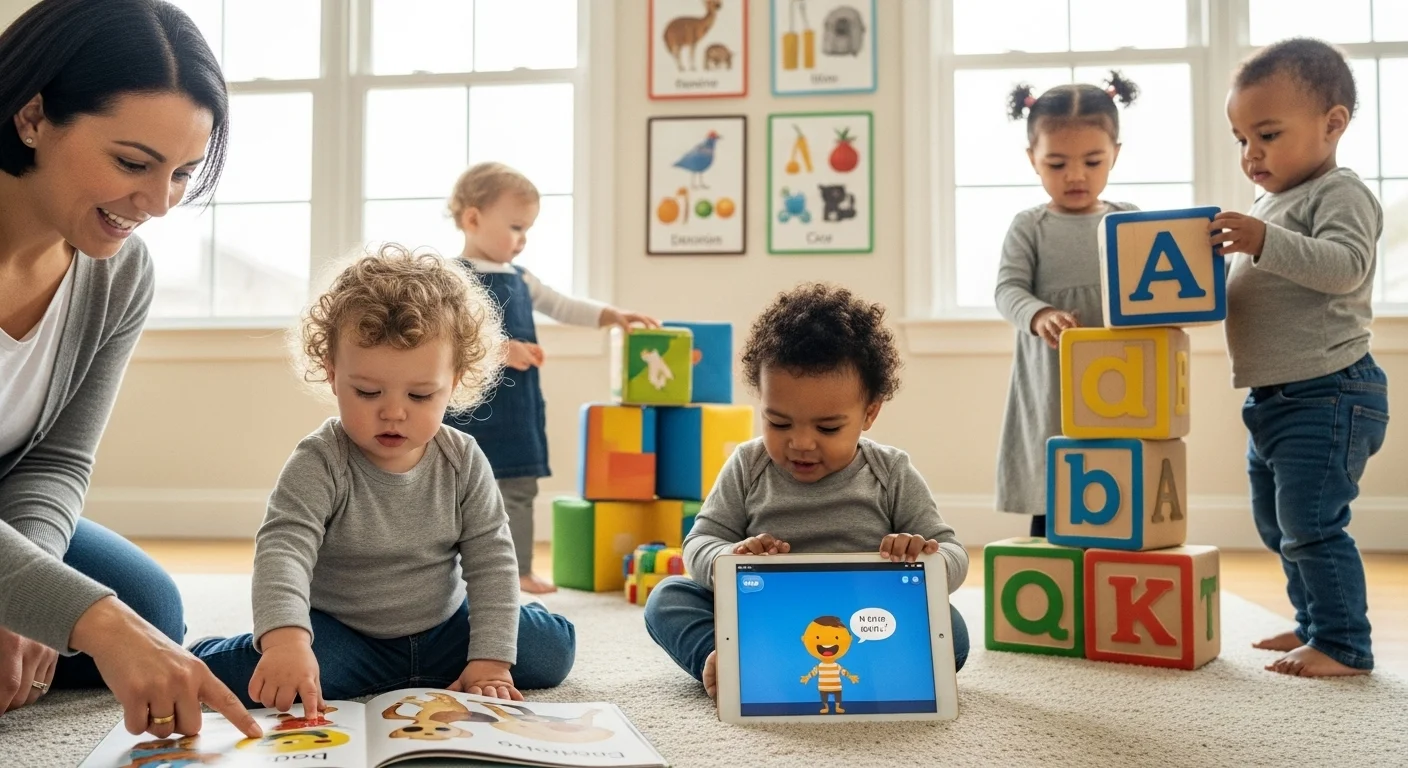
Understanding Language Acquisition in Toddlers
As a parent or caregiver, one of the most fascinating experiences is watching a toddler learn to communicate. It’s like witnessing a tiny brain come to life as they pick up sounds, words, and phrases. Language acquisition isn’t just about learning words; it’s about understanding the world around them. I remember when my little one first started babbling; it was such a thrilling moment! Understanding how toddlers acquire language can give us insights into how we can support this vital developmental stage.
The Science of Language Development
Language acquisition is a remarkable cognitive process that begins from birth. It involves integrating auditory, visual, and social cues. Research shows that babies are born with the ability to distinguish between different sounds. They listen intently to the conversations around them, absorbing the rhythm and melody of language. Each babble and coo is a step forward in their journey. I’ve seen how my child mimicked sounds, trying to piece together the puzzle of communication. The science behind this is fascinating; it’s not just about repetition but also about social interaction and emotional connection.
Stages of Language Acquisition
Language development occurs in stages, and each one is as exciting as the last. Typically, there are three primary stages: the pre-linguistic stage, the one-word stage, and the two-word stage. During the pre-linguistic stage, which occurs from birth to around 12 months, babies communicate through crying, cooing, and babbling. Then, around the first birthday, they often start saying their first words. I remember the joy I felt when my child said “mama” for the first time; it felt like a milestone we both reached together. As they approach 18 to 24 months, they enter the two-word stage, combining words to form simple sentences like “more juice.” Each stage builds on the previous one, and it’s crucial for us as caregivers to nurture this growth. For more information on supporting language development, visit Essential Tips for Language Acquisition in Toddlers on the Go.
Importance of Early Language Skills
Early language skills are foundational for literacy, social interactions, and cognitive development. Studies have shown that children who develop strong language skills early on tend to perform better in school and have more successful social interactions. I truly believe that investing time in language development pays off tremendously in the long run. For instance, reading to my child regularly not only enriched their vocabulary but also fostered a love for stories. It’s amazing how a simple storytime can spark a child’s imagination and curiosity about the world around them.
Language Acquisition Strategies
Interactive Reading Techniques
One of the most effective strategies I’ve found is interactive reading. This goes beyond just reading a book; it’s about engaging with the child. I often ask questions about the pictures or encourage my child to make predictions about what might happen next. This interaction keeps them involved and makes the experience enjoyable. I noticed that when I pointed at pictures and used varied tones for different characters, my child’s attention was captured, and their vocabulary expanded naturally.
Utilizing Music and Rhymes
Music and rhymes can be powerful tools in language acquisition. Singing songs and nursery rhymes not only helps with language skills but also with memory and rhythm. I remember playing simple songs for my toddler and watching them dance and giggle. They started picking up words and phrases from the lyrics. It’s a fun way to reinforce language and develop listening skills. Plus, who doesn’t love a good sing-along? Making it a regular part of our day turned out to be a delightful bonding experience.
Encouraging Conversations
Engaging toddlers in conversations is another key strategy. I often try to create opportunities for my child to express themselves. Even if their sentences are not entirely clear, I respond enthusiastically, which encourages them to keep talking. I found that asking open-ended questions sparks their imagination. For example, instead of asking yes or no questions, I might say, “What did you see at the park today?” This approach invites them to share their experiences and expand their vocabulary.
Incorporating Play-Based Learning
Play is an essential part of a toddler’s life, and incorporating language learning into play can be incredibly beneficial. When my child plays with toys, I often narrate their actions or create stories around their play. This not only makes the playtime more engaging but also introduces new vocabulary in a fun context. For instance, if they’re playing with a doll, I might say, “Look, the doll is going for a walk!” This simple act can help them learn new words and phrases while they enjoy their play.
Using Visual Aids and Sign Language
Visual aids such as pictures, flashcards, or even toys can enhance language learning. I’ve noticed that showing images while naming objects helps my child make connections. Additionally, introducing simple sign language can be a game-changer. It allows toddlers to communicate before they can verbally express themselves fully. I taught my child a few basic signs like “more” or “all done,” and it was amazing to see how quickly they picked it up. This not only reduced frustration but also gave them a sense of accomplishment.
Creating a Supportive Language Environment
Choosing the Right Language Exposure
Creating a supportive language environment starts with the type of language exposure we provide. I’ve always believed that the words we choose and the way we use them can have a profound impact on our toddlers. For instance, I’ve tried to speak clearly and use a rich vocabulary, even with my little one. I remember the first time they used the word “delicious” to describe their favorite snack. It was such a proud moment for me because it showed that they were absorbing not just words, but the context in which to use them. I think it’s important to expose children to a variety of words and phrases, as this helps them understand nuance and meaning. Whether it’s through conversations at home, during playdates, or even when we’re out and about, I’ve found that every interaction is a chance to introduce new language.
Engaging in Daily Conversations
Engaging in daily conversations is another crucial element. I’ve made it a habit to talk to my child throughout the day about what we’re doing, what they see, and how they feel. It might seem simple, but those everyday discussions can be so enriching. For instance, when we’re cooking together, I describe the colors of the vegetables or the smells of the spices. I often ask questions like, “What do you think will happen if we add this ingredient?” This not only keeps them engaged but also promotes critical thinking and language skills. I’ve noticed they start to respond with more complex sentences, which is a joy to hear. It’s like building a bridge of communication that strengthens with each conversation.
Building a Language-Rich Home
Another way to create a supportive environment is by building a language-rich home. I’ve decorated my child’s play area with books, pictures, and labels for objects around the house. Each label is like a little invitation for them to learn more. I remember when I put up a chart of animals with their names; my child would often point and ask, “What’s this one?” This simple visual aid opened the door for discussions about animals and their habitats. I find that surrounding toddlers with words in various forms helps them connect language to their everyday experiences. Whether it’s through art, music, or books, fostering a love for language in their environment has proven invaluable. Creating spaces filled with language opportunities allows them to explore and learn freely.
Multilingualism and Its Benefits
Advantages of Learning Multiple Languages
As someone who speaks more than one language, I’ve seen the advantages of multilingualism firsthand. Raising a bilingual child can be incredibly rewarding. I believe that exposure to multiple languages boosts cognitive skills, enhances problem-solving abilities, and even increases cultural awareness. When my child started picking up on some phrases in another language, I could see their excitement as they began to understand that words can exist in different forms. It was a beautiful moment that showed the power of language as a way to connect with others. Research supports this, illustrating that bilingual children often develop better multitasking skills and improved memory.
Strategies for Raising Bilingual Toddlers
When it comes to raising bilingual toddlers, consistency is key. In my experience, I’ve found success by establishing a routine where we practice both languages daily. We designate certain times of the day for each language, like reading in one language during breakfast and the other at bedtime. This creates a natural rhythm that helps my child understand which language to use when. I also encourage conversations in both languages, which has enriched our interactions at home. For example, I might ask them to name their favorite colors in both languages, making it a fun and engaging activity. I think it’s important to celebrate their achievements in both languages, no matter how small, to keep their motivation high.
Common Challenges and Solutions
Of course, raising bilingual toddlers comes with its challenges. One common issue I’ve encountered is the tendency for children to mix languages. At first, this worried me, but I’ve learned that it’s a normal part of the process. I try to gently correct my child without discouraging them. For example, if they say, “I want to play el juego,” I’ll respond, “Oh, you want to play the game? That sounds fun!” This way, I’m reinforcing the correct usage without shutting down their enthusiasm. I’ve also found it helpful to engage with other bilingual families, sharing experiences and strategies. It’s comforting to know that we’re all navigating similar paths and learning together.
Resources for Parents and Caregivers
Recommended Books for Language Development
When I embarked on this journey of helping my child learn to communicate, I quickly realized how impactful the right books can be. There are so many wonderful resources out there that cater specifically to toddlers and their language development needs. Some of my favorites include classic picture books that use repetitive phrases and rhymes. Titles like “Brown Bear, Brown Bear, What Do You See?” by Bill Martin Jr. and Eric Carle have rhythmic patterns that not only engage toddlers but also help them anticipate what’s coming next, which is a great way to build language skills. I also love “Chicka Chicka Boom Boom,” which has a catchy rhythm and introduces letters in a fun way. These kinds of books not only promote vocabulary but also foster a love for reading that I hope lasts a lifetime.
Another wonderful series I discovered is the “Pete the Cat” books. They are colorful, fun, and filled with various life lessons, but what I love most is how they encourage interaction. As I read, I often pause and let my child fill in the blanks or predict what Pete will do next. This interaction turns reading into a delightful conversation. In my opinion, choosing books that align with your child’s interests can make a huge difference in keeping them engaged and excited about learning.
Apps and Online Tools for Language Learning
In the age of technology, I found that there are numerous apps and online tools that can aid in language development. I remember feeling a bit hesitant about screen time, but I quickly learned that there are some quality educational apps out there. For example, “Endless Alphabet” is a fantastic app that introduces new words through fun animations and games. It was a joy to see my child giggling while learning the meanings of words like “giraffe” and “zebra.” Additionally, “ABCmouse” offers a comprehensive curriculum that covers language arts, and I found it to be an engaging way to complement what we were doing at home.
We also took advantage of online storytime sessions available through various libraries and educational platforms. These virtual read-alouds from librarians are interactive and often include follow-up activities that encourage kids to think and engage with the story. I noticed that these sessions helped my child connect with stories in a new way, as they learned to listen and respond to questions in a group setting.
Support Groups and Community Resources
Connecting with other parents has been invaluable in my own experience. I sought out local parenting groups focused on language development and bilingualism. These communities offer a wealth of resources, from book recommendations to parenting strategies that have worked for others. I remember attending a workshop at my local library where a speech therapist shared tips on promoting language skills in toddlers. Hearing from experts and other parents helped me feel more confident in my approach.
In addition to local groups, I found online forums and social media groups dedicated to language development. These platforms are great for sharing experiences, asking questions, and finding support. It’s comforting to know that we’re not alone in this journey, and it can be incredibly encouraging to learn from the experiences of others who are navigating similar challenges and triumphs.
Measuring Progress in Language Acquisition
Signs of Language Development Milestones
As I observed my child’s language journey, I often wondered if their development was on track. I learned that there are certain milestones that can help us gauge their progress. By around 12 months, many toddlers typically say their first words and can follow simple commands. I remember the pride I felt when my child pointed to an object and said its name. It was a clear sign that they were beginning to understand the connection between words and meanings.
By 18 to 24 months, toddlers usually start to combine two words to form simple phrases. For example, I was thrilled when my child asked for “more juice” instead of just pointing. It was a small but significant moment that showed their growing ability to express needs and thoughts. I found it helpful to keep a mental checklist of these milestones, which provided reassurance and insight into what was coming next.
When to Seek Professional Help
While it’s normal for every child to develop at their own pace, I learned that there are certain signs that might indicate the need for professional help. If a child is not speaking any words by 15 months or does not start combining words by 2 years, it may be worthwhile to consult a pediatrician or a speech-language pathologist. I remember having a conversation with our pediatrician during a check-up, and she emphasized the importance of early intervention if there are concerns. It was a relief to learn that support is available, and I felt empowered knowing that I could seek advice if needed.
Tracking Language Progress through Play
One of the most enjoyable ways I tracked my child’s language progress was through play. I made it a point to engage in activities that naturally encouraged language use, like playing with dolls or action figures. I would narrate their actions and encourage my child to do the same. I found that these playful moments not only fostered creativity but also provided opportunities to observe how they were using new words and phrases. For instance, during a simple tea party play, I encouraged them to describe what they were serving or how they felt about the tea. It was fascinating to see how their vocabulary expanded through such playful interactions.
Using everyday moments as learning opportunities kept things fun and relaxed, allowing my child to thrive without the pressure of formal assessments. This approach helped me feel more connected to my child’s learning journey, and I believe it has played a significant role in their language development.
Frequently Asked Questions
What are the primary stages of language acquisition in toddlers?
The primary stages of language acquisition in toddlers include the pre-linguistic stage (birth to around 12 months), the one-word stage (around the first birthday), and the two-word stage (18 to 24 months). Each stage builds on the previous one and is crucial for the child’s communication development.
How can caregivers support language development in toddlers?
Caregivers can support language development by engaging in interactive reading, encouraging conversations, utilizing music and rhymes, incorporating play-based learning, and using visual aids and sign language. These strategies help nurture a child’s language skills effectively.
Why are early language skills important?
Early language skills are foundational for literacy, social interactions, and cognitive development. Children with strong early language skills tend to perform better in school and have more successful social interactions.
What role does music play in language acquisition?
Music and rhymes can enhance language acquisition by helping toddlers develop language skills, memory, and rhythm. Singing songs and nursery rhymes makes learning enjoyable and reinforces vocabulary through repetition and engagement.
What strategies can be used to raise bilingual toddlers?
To raise bilingual toddlers, consistency is key. Establishing a routine for practicing both languages daily, encouraging conversations in both languages, and celebrating achievements in language use can create a supportive bilingual environment.
When should parents seek professional help regarding language development?
Parents should consider seeking professional help if their child is not speaking any words by 15 months or does not start combining words by 2 years. Consulting a pediatrician or a speech-language pathologist can provide valuable guidance and support.
How can play be utilized to track language progress?
Play can be used to track language progress by engaging in activities that encourage language use, such as playing with dolls or action figures. Caregivers can narrate actions and encourage toddlers to describe their play, providing opportunities to observe vocabulary expansion.
What are some recommended books for promoting language development?
Recommended books for promoting language development include classic picture books like “Brown Bear, Brown Bear, What Do You See?” and “Chicka Chicka Boom Boom,” as well as interactive series like “Pete the Cat.” These books use rhythmic patterns and encourage interaction, enhancing language skills.
How can a supportive language environment be created at home?
A supportive language environment can be created by engaging in daily conversations, building a language-rich home with books and labels, and exposing toddlers to a variety of words and phrases through everyday interactions.
What are the advantages of multilingualism for toddlers?
The advantages of multilingualism for toddlers include boosted cognitive skills, enhanced problem-solving abilities, and increased cultural awareness. Bilingual children often develop better multitasking skills and improved memory, making language learning a rewarding experience.