
Every parent wants their toddler to thrive, and exploring the world of social development is a vital step in that journey. Understanding how to nurture these skills can greatly impact their growth and happiness. Read Interesting article: Top Budget Travel Tips to Enhance Toddler Social Interaction
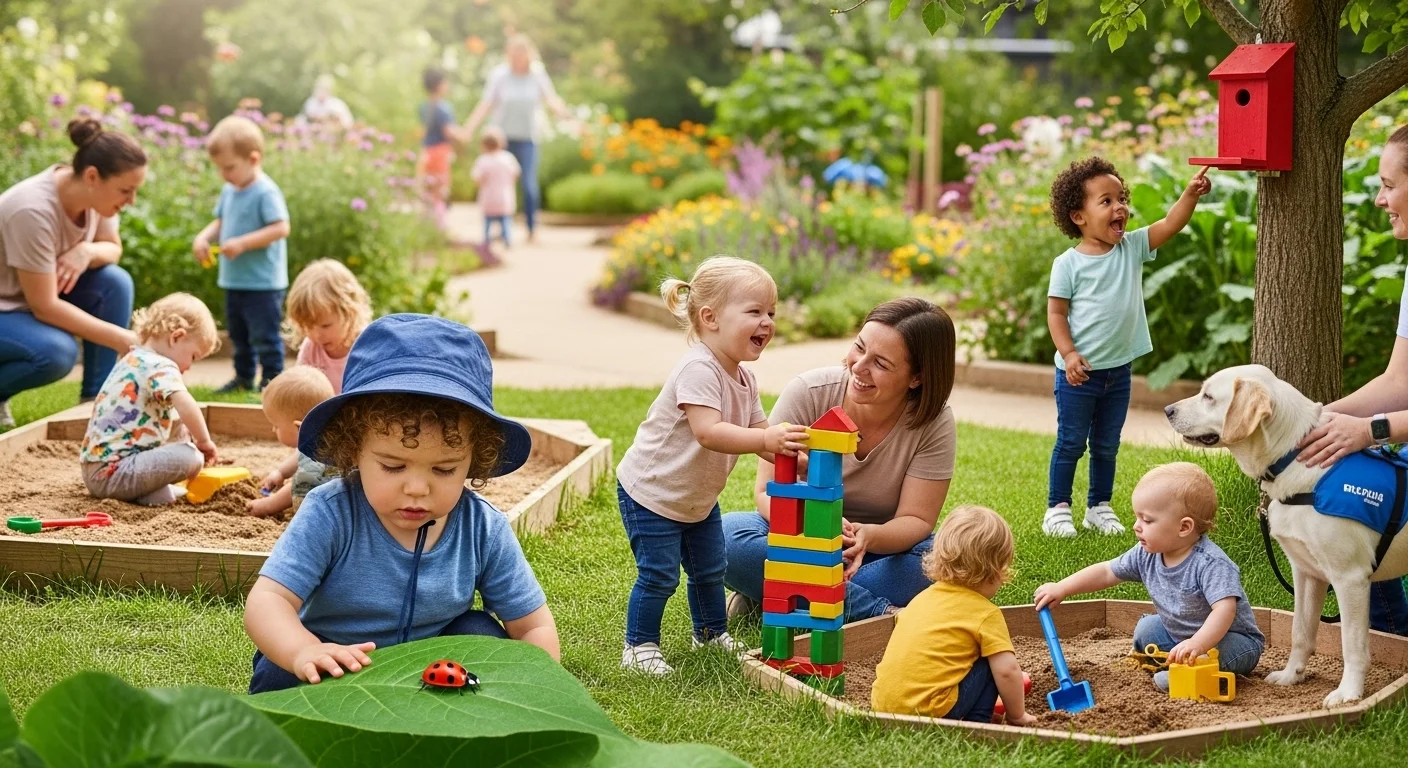
Understanding Social Development in Toddlers
What is Social Development?
Social development in toddlers refers to how they learn to interact with others and navigate social situations. It’s about forming relationships, understanding emotions, and developing the ability to communicate effectively. When I think back to my own toddler’s early years, I remember how fascinating it was to watch them start to engage with peers, expressing themselves and responding to others in ways that showed their growing understanding of the world around them.
At this stage, toddlers are typically influenced by their immediate environment, which includes family, caregivers, and early childhood educators. I’ve noticed that the interactions they have during playtime and daily routines provide them with opportunities to learn essential social cues. They begin to grasp concepts like taking turns, sharing, and even resolving conflicts. These early experiences shape their social skills for life.
Importance of Social Skills in Early Childhood
Social skills are crucial for toddlers as they form the foundation for future relationships and emotional well-being. I believe that when my children engaged with others, they were not just making friends but also learning to navigate their feelings and the feelings of those around them. This ability to interact positively with others is vital for their development and can greatly influence their success in school and later in life.
Through social interactions, toddlers learn empathy, gain confidence, and develop a sense of belonging. I’ve seen how these skills empower kids to express their thoughts and feelings, which leads to stronger relationships with family, friends, and eventually teachers. The importance of social skills cannot be overstated; they are as essential as cognitive skills in preparing our little ones for the challenges of life.
Milestones of Social Development in Toddlers
As our children grow, they hit various milestones that indicate their social development is on the right track. I’ve kept a close eye on these milestones with my own kids, and here are some key ones to look out for:
- Ages 1-2: At this stage, toddlers start to show preferences for certain people and may experience separation anxiety. They often engage in parallel play, where they play alongside other children but not directly with them.
- Ages 2-3: This is when they begin to understand the concept of sharing and taking turns. They might start to engage in more interactive play, showing excitement when playing with others.
- Ages 3-4: Toddlers at this age often begin to develop friendships and show more cooperative play. They can express their feelings verbally and start to understand the feelings of others.
- Ages 4-5: They become more adept at managing their emotions and can engage in more complex play scenarios, often taking on roles in imaginative play. They start to understand rules and the importance of cooperation.
For me, observing these milestones has been a wonderful mix of joy and nostalgia. I remember moments when my child would share a toy for the first time or comfort a friend who was upset. These small victories in social development create a sense of pride and highlight how quickly they are growing.
Encouraging these milestones is essential. I found that engaging in activities that promote social skills, like group play or storytime, can significantly enhance their ability to connect with others. It’s amazing how these experiences set the stage for a lifetime of healthy relationships. Read Interesting article: Backpacking with Toddlers: Boosting Social Skills on the Road
In my journey as a parent, I’ve learned that understanding social development in toddlers is more than just keeping track of milestones—it’s about nurturing their ability to interact with the world. By fostering environments that encourage social skills, we help our children become confident, empathetic individuals ready to explore the world around them.
Key Concepts in Toddler Social Development
Emotional Intelligence
Emotional intelligence is such a crucial aspect of social development. I remember when my toddler first began to identify their own emotions, often expressing happiness or frustration in a way that was so raw and real. It was a beautiful reminder of how important it is for them to recognize not just their feelings, but also the feelings of others. I believe that fostering emotional intelligence helps kids navigate their social world more effectively.
Through simple conversations and playful activities, we can help our little ones learn to label their emotions. For instance, I often pointed out when they seemed upset or joyful, using phrases like, “I see you’re feeling sad because you dropped your toy.” This practice helped them understand that emotions are a normal part of life, and it gave them the vocabulary to express themselves. I’ve seen how developing this skill early on enables them to handle social situations with greater ease and confidence.
Empathy and Sharing
Empathy is one of those foundational skills that I think every parent hopes to nurture in their child. I remember a moment when my youngest saw a friend crying and instinctively went over to offer a hug. It melted my heart and highlighted how naturally empathetic toddlers can be if we encourage those feelings. I realized that by modeling empathy, we can teach them to understand and share the feelings of others.
Sharing, too, is a significant part of social development. I had my share of struggles with teaching my kids to share their toys. But I found that leading by example, showing them how I share with friends and family, helped them understand the joy of giving and taking turns. Watching them learn to share their toys or snacks brought a sense of pride, knowing they were developing those essential social skills.
Communication Skills
Communication is another vital piece of the puzzle. I think back to the countless hours I spent reading books with my toddlers, pointing at pictures, and asking questions. These moments were not just about storytelling; they were building blocks for their communication skills. I noticed that as they learned new words and phrases, their ability to express their needs and feelings improved significantly.
Encouraging open dialogue is something I found incredibly beneficial. I would often ask my kids about their day, encouraging them to share their experiences and feelings. It was heartwarming to see them open up, and I believe it helped them feel heard and valued. I’ve come to understand that strong communication skills lay a foundation for healthy relationships as they grow older.
Play and Social Interaction
Play is undoubtedly one of the best ways for toddlers to develop social skills. I’ve always loved watching my little ones engage in play, whether it was with me or other kids. It’s during these moments that they learn to cooperate, negotiate, and even resolve conflicts. I remember a time when my children were building a block tower together. They had to work out who would place the next block and how to make it stable. It was fascinating to see their problem-solving skills emerge as they navigated this interaction.
In my experience, different types of play can encourage various social skills. For instance, cooperative games can teach teamwork, while imaginative play can help them practice empathy and understanding. I discovered that scheduling regular playdates not only supported their social interactions but also allowed them to practice the skills they were learning in a fun and engaging way.
Activities to Promote Social Development
Group Play Activities
Group play is one of the best ways to enhance social development. I’ve always made it a point to arrange playdates or group activities for my kids. These experiences are not only fun but also provide opportunities to learn essential social skills like sharing, cooperation, and conflict resolution. When I see my children working together to build a fort or playing a game, I can see the social skills they are picking up in real-time.
Storytime and Reading Together
Reading together has always been a favorite activity of mine to promote social development. It’s not just about the stories; it’s about discussing the characters’ emotions and actions. When I read to my kids, I often pause to ask how they think the character feels or what they would do in that situation. This practice helps develop their empathy and communication skills, making them more attuned to the emotions of others.
Role-Playing and Imaginative Play
Role-playing has been another fantastic tool for encouraging social skills. I remember setting up scenarios where my kids could act out different roles, like being a doctor or a teacher. These activities not only spark their creativity but also help them understand different perspectives. I’ve seen them learn how to negotiate and empathize with others through these imaginative experiences, which is truly rewarding.
Music and Movement Activities
Integrating music and movement into our routines has also proven to be a great way to enhance social development. Singing songs together, dancing, or even just moving to the rhythm helps them connect physically and emotionally. I’ve noticed that during these activities, my kids become more engaged with each other, fostering a sense of community and joy. It’s amazing how something as simple as music can strengthen their social bonds. Read Interesting article: Top Backpacking Adventures to Enhance Toddler Memory Skills
Creating a Supportive Environment
Choosing the Right Playdates
When it comes to fostering social development, one of the best things I did for my children was to carefully choose their playdates. I learned that not every child is the same, and some friendships can bring out the best in my kids while others might not. I remember organizing playdates with children who shared similar interests, which made the interactions smoother and more enjoyable for everyone involved. These moments allowed my kids to build confidence in their social skills as they connected over shared activities.
One of my experiences was when I arranged a playdate with a neighbor’s child who loved building blocks, just like my daughter. They spent hours creating elaborate structures, and I could see how their partnership encouraged teamwork and communication. It wasn’t just about having fun; it was a chance for them to learn from each other. I think it’s essential to observe how my kids interact with others and find friends who complement their personalities and social styles.
Setting Up a Safe Play Area
Creating a welcoming and safe play area has been another key factor in promoting social development. I remember when I set up a designated space in our home for playdates. It was filled with toys, games, and cushions, making it a cozy, inviting environment. This setup encouraged my kids to feel comfortable inviting friends over and exploring their social skills in a familiar setting.
Safety is also crucial. I’ve ensured that the play area is free from hazards, allowing my kids to express their creativity without constant interruptions. A safe environment fosters independence, which I’ve seen encourages them to explore social interactions more freely. Whether it’s building forts with pillows or playing pretend in a make-believe kitchen, knowing they are safe allows them to focus on enjoying the play experience.
Encouraging Positive Interactions
Encouraging positive interactions among toddlers can sometimes feel like a balancing act. From my experience, I’ve found that modeling appropriate behavior is one of the best strategies. I often take the time to show my kids how to greet others, share toys, or express feelings verbally. When I model these behaviors, I see my children mimic my actions, reinforcing their learning in real time.
For example, during playdates, I would gently encourage my kids to invite their friends into the game or share their favorite toys. I remember a time when my son was reluctant to share his race car. I suggested that he could show his friend how to play with it first and then take turns. Watching him navigate that situation made me realize how crucial it is to guide them through these moments instead of simply telling them what to do.
It’s also important to celebrate positive interactions. When my children show kindness or cooperation, I make a point to acknowledge their efforts. A simple, “I loved how you shared your toys with your friend today!” goes a long way in reinforcing their positive behavior and encouraging them to continue practicing these skills.
Resources for Parents
Books on Social Skills for Toddlers
As a parent, I’ve always valued reading as a resource for understanding social development. There are so many great books out there that focus on social skills for toddlers. One of my favorites is “The Family Book” by Todd Parr, which helps kids understand family diversity and encourages discussions about feelings and relationships. I feel that stories like these can be powerful tools for opening up dialogues with children about emotions and social interactions.
Another book I often recommend to other parents is “How Do Dinosaurs Play with Their Friends?” by Jane Yolen. It combines humor with valuable lessons about sharing and playing nicely. Reading these types of books not only entertains but also gives kids relatable scenarios to learn from in a fun way.
Online Communities and Support Groups
Connecting with other parents has been an invaluable resource for me. I’ve joined several online communities and support groups where parents share experiences, advice, and resources related to social development in toddlers. Platforms like Facebook and parenting forums have been great for finding support and learning from others who are navigating similar challenges.
Participating in these communities has also opened up discussions about local events or playgroups that focus on social skills. It’s comforting to know that I’m not alone in this journey and that there’s a wealth of knowledge and experience available from other parents.
Recommended Apps and Educational Tools
In today’s digital age, I’ve found that there are numerous apps and educational tools that can support social development in toddlers. One app that I particularly like is “Breathe, Think, Do with Sesame,” which teaches kids about problem-solving and emotional regulation through interactive stories and games. It’s a fun way for my children to engage with social skills while incorporating technology into their learning.
Another great resource is “Moose and Zee’s Playhouse,” which offers interactive experiences that encourage social interaction and cooperative play. I appreciate that these tools can be both entertaining and educational, providing my kids with opportunities to practice their social skills in a playful context.
Common Challenges in Social Development
Dealing with Shyness and Social Anxiety
Shyness and social anxiety are challenges that many toddlers face as they navigate the social world. I remember when my daughter first encountered a new group of kids; she clung to my leg, hesitant to join in. It broke my heart to see her struggle, but I learned that this is a common experience. I realized that understanding her feelings was crucial to helping her overcome those hesitations.
One approach that worked for us was slowly introducing her to new situations. I would start with smaller, familiar groups before gradually moving to larger gatherings. I also encouraged her to express her feelings, validating her emotions by saying things like, “It’s okay to feel shy. Let’s take a deep breath together.” Over time, these small steps helped her build confidence and feel more comfortable in social settings.
Addressing Aggressive Behavior
Aggressive behavior can be another hurdle in social development. I’ve faced moments where my child acted out, whether it was hitting or yelling when frustrated. It was a tough pill to swallow, but I had to remind myself that toddlers are still learning how to express their emotions. Instead of reacting with anger, I found it more effective to approach these situations calmly.
During a particularly challenging episode, I sat down with my child and discussed what had happened. I asked questions like, “What made you feel angry?” and “Is there a better way to tell your friend you want to play?” This approach allowed us to explore their feelings and brainstorm alternative responses together. I learned that teaching them to express their emotions verbally instead of through aggression was a vital part of their social education.
Understanding Developmental Delays
Sometimes, a child may face developmental delays that can impact their social interactions. I had a friend whose son struggled with social cues much more than his peers. It was hard for her to watch, but she approached the situation with love and support. She reached out for guidance and discovered that many resources were available to assist in such cases.
If you notice that your child is significantly behind in social skills compared to their peers, it’s essential to seek advice and support. I believe that early intervention can make a significant difference, and there are specialists who can offer tailored strategies to help your child catch up. It’s about finding the right tools and support to set them on the path to success.
When to Seek Professional Help
Signs of Social Development Issues
Recognizing when to seek professional help can be challenging for parents. I’ve learned to pay attention to signs that may indicate my child is struggling with social development. If your toddler consistently shows difficulty interacting with other children, displays extreme shyness, or reacts aggressively during play, it may be time to consult a professional. I’ve found that trusting my instincts and being observant of my child’s behaviors has been crucial in making these decisions.
Types of Specialists to Consult
If you feel that your child needs extra support, several professionals can help. Pediatricians, child psychologists, and speech-language therapists are all valuable resources. I had a great experience with a speech therapist who not only worked on communication skills but also helped my child understand social cues and interactions better. Each specialist brings unique tools and insights to the table, making it easier to find the right fit for your child’s needs.
Benefits of Early Intervention
Early intervention has been a game-changer for many families, including ours. I believe that the sooner we address social development challenges, the better the outcomes can be for our children. Working with professionals can equip both parents and children with effective strategies, fostering a supportive environment where social skills can flourish. I’ve seen firsthand how addressing these issues early can help set the stage for healthier relationships and a more confident approach to social interactions as they grow.
Final Thoughts
Reflecting on my journey as a parent, I realize that understanding and nurturing social development in toddlers is an ongoing adventure. It’s filled with ups and downs, and every child has their unique path to follow. I’ve learned that fostering social skills takes patience, love, and creativity. By engaging in activities that promote interaction, choosing the right environments, and seeking help when necessary, we can play a significant role in our children’s growth.
In the end, I believe our goal is not just to help our toddlers fit into social situations but to empower them to thrive in their relationships. As we nurture their emotional intelligence, empathy, and communication skills, we’re setting the foundation for a brighter future. Let’s embrace this journey together, celebrating each small victory along the way.
Frequently Asked Questions
What is social development in toddlers?
Social development in toddlers refers to how they learn to interact with others and navigate social situations, form relationships, understand emotions, and communicate effectively.
Why are social skills important for toddlers?
Social skills are crucial for toddlers as they form the foundation for future relationships and emotional well-being, helping them navigate their feelings and the feelings of those around them.
What are some milestones of social development in toddlers?
Key milestones include:
- Ages 1-2: Showing preferences for certain people and experiencing separation anxiety.
- Ages 2-3: Understanding sharing and taking turns, engaging in more interactive play.
- Ages 3-4: Developing friendships and expressing feelings verbally.
- Ages 4-5: Managing emotions better and engaging in complex play scenarios.
How can parents encourage social development in their toddlers?
Parents can encourage social development by engaging in group play activities, reading together, role-playing, and integrating music and movement into routines.
What role does emotional intelligence play in social development?
Emotional intelligence helps toddlers recognize their own feelings and the feelings of others, enabling them to navigate social situations more effectively.
What are some recommended activities to promote social skills?
Recommended activities include group play, storytime and reading together, role-playing, and music and movement activities to enhance social interactions.
How can parents create a supportive environment for social development?
Parents can create a supportive environment by choosing the right playdates, setting up a safe play area, and encouraging positive interactions among toddlers.
What are some common challenges toddlers face in social development?
Common challenges include shyness and social anxiety, aggressive behavior, and developmental delays that can impact their social interactions.
When should parents seek professional help for social development issues?
Parents should seek professional help if their toddler consistently shows difficulty interacting with other children, extreme shyness, or aggressive reactions during play.
What are the benefits of early intervention in social development?
Early intervention can lead to better outcomes for children by providing effective strategies and fostering a supportive environment where social skills can flourish.