
Traveling with family can be an exciting adventure, but safety should always be our top priority. As parents, being prepared for anything can help ensure that we fully enjoy our time together without unnecessary worries. For more information, check out our guide on Essential Electrical Safety Tips for Family Travel.
Understanding Family Travel Safety
The Importance of Travel Safety for Families
When I think about family travel safety, I often reflect on my own experiences. I’ve traveled with my kids to various destinations, and each trip taught me a valuable lesson about staying safe. Travel safety is not just about avoiding danger; it’s about creating an environment where everyone can explore and enjoy without fear. I believe that when we prioritize safety, we open ourselves up to more fun and memorable experiences. It helps us to relax and truly immerse ourselves in the journey, knowing that we’ve taken the necessary precautions.
Common Travel Risks for Families
Every trip comes with its own set of risks, and understanding these can make a big difference. From my travels, I’ve noticed a few common risks that families face:
- Injuries: Kids can be prone to bumps and scrapes, especially in new environments. I’ve seen my own children trip over unfamiliar terrain or get a little too adventurous.
- Illness: Whether it’s a stomach bug from trying new foods or catching a cold on a plane, illness can strike unexpectedly. I learned the hard way to pack plenty of hand sanitizer!
- Allergies: Traveling can expose kids to allergens they may not encounter at home. It’s crucial to keep an eye on what they eat and be aware of their reactions.
- Getting Lost: Losing sight of a child, even for a moment, can be terrifying. I’ve had my heart race when I couldn’t find my little one in a crowded place.
By recognizing these common risks, we can be better prepared to handle them. Preparation gives us the confidence to tackle whatever comes our way on our family adventures. Also, consider developing Top Tips for Family Emergency Plans While Backpacking to ensure you have a plan in place.
First Aid Essentials for Family Travel
Basic First Aid Kit Items
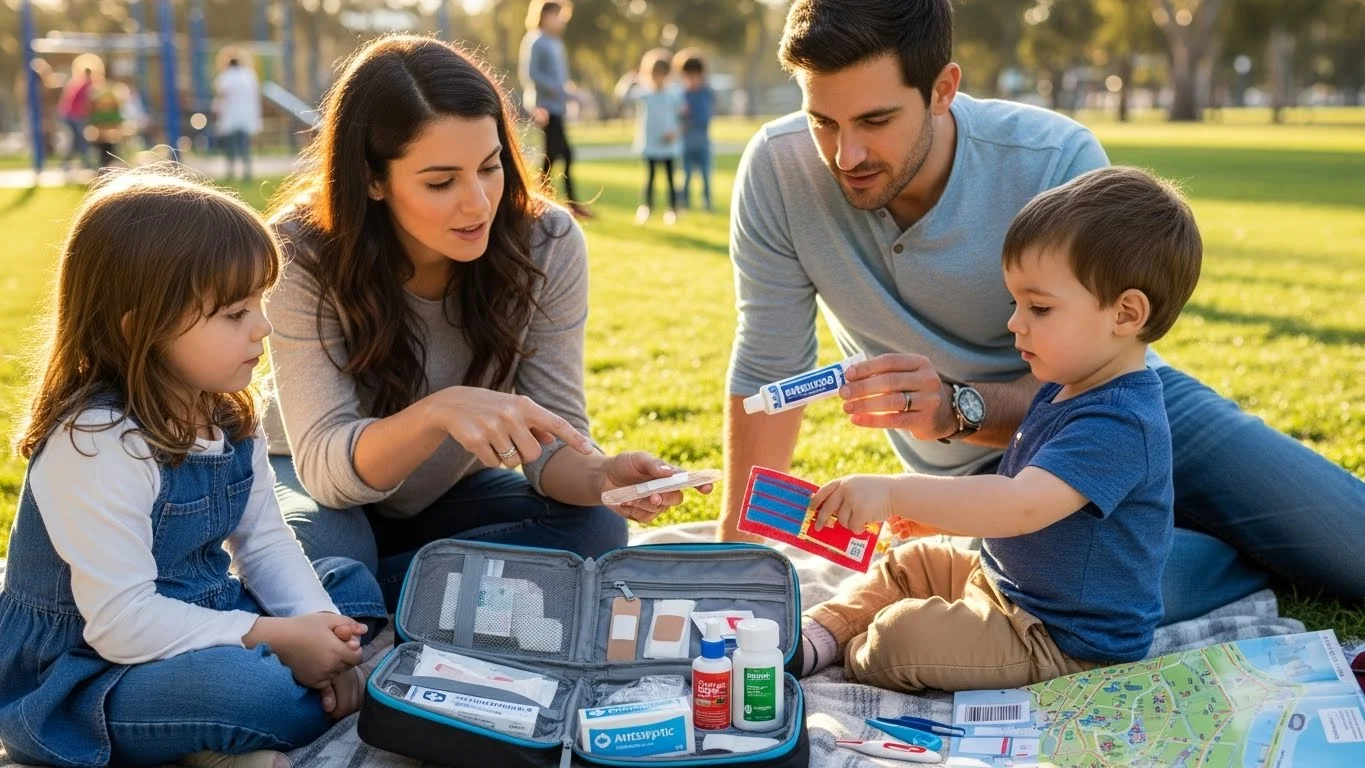
One of the best pieces of advice I can give is to always have a well-stocked first aid kit when traveling. I remember a trip where my child scraped her knee while exploring a park, and I was so grateful to have a kit ready. Here are the basic items I recommend including:
- Adhesive Bandages: These come in various sizes and are perfect for minor cuts and scrapes.
- Antiseptic Wipes: Keeping wounds clean is vital, and these wipes are a must-have.
- Gauze and Tape: For larger injuries, having gauze and medical tape can help control bleeding.
- Antibiotic Ointment: This can prevent infections and promote healing.
- Pain Relievers: Kids can get headaches or fevers while traveling, so having age-appropriate pain relievers is essential.
- Thermometer: A digital thermometer is compact and helpful for monitoring fevers.
- Allergy Medication: If your child has allergies, make sure to include their medication in your kit.
Each time I restock my kit, I also check expiration dates to ensure everything is fresh and ready to go. It gives me peace of mind knowing that I’m prepared for any small mishap that might occur.
Special Considerations for Children
When it comes to first aid for kids, I’ve learned that there are some special considerations to keep in mind. Kids are curious and often explore without thinking about safety. Here are a few tips:
- Child-Sized Supplies: Ensure that you have supplies that are suitable for your child’s age and size. For example, smaller bandages work better for little fingers and toes.
- Talk to Your Kids: Before we travel, I like to have a conversation with my kids about what to do if they get hurt. Teaching them the basics of first aid empowers them to communicate their needs.
- Practice Calmness: Kids can easily pick up on our emotions. I try to stay calm and composed during minor accidents so they feel reassured.
Travel-Specific First Aid Items
On top of the basics, there are a few travel-specific items I’ve found incredibly useful. Depending on the location we’re visiting, I consider adding the following to our first aid kit:
- Motion Sickness Medication: If we’re taking a long car ride or a boat trip, I always pack remedies for motion sickness.
- Insect Repellent: This is a must, especially in warmer climates where bugs are prevalent. I’ve experienced firsthand how a single mosquito bite can ruin a vacation!
- Sunblock: Protecting our skin from the sun’s harmful rays is crucial. I opt for a broad-spectrum sunblock and reapply it often.
- Water Purification Tablets: If we’re heading to remote areas, these can be lifesavers for ensuring safe drinking water.
By preparing these travel-specific items, I feel ready to tackle different environments and challenges that may arise during our adventures. It’s also wise to Create a Family Disaster Preparedness Plan for Your Trip to ensure you have a backup plan in case of emergencies.
Preparing Your Family for Travel
Health and Safety Preparations
Preparing for a family trip isn’t just about packing bags and planning itineraries; it’s also about ensuring our family’s health and safety. Every time we get ready for a journey, I take a moment to review any necessary vaccinations or health precautions. For instance, when we traveled internationally, I found it essential to check if we needed any vaccines or medications for diseases that are prevalent in that area. I remember one trip where we had to get vaccinated for typhoid fever before heading to a specific destination, and having that protection gave me peace of mind.
Additionally, I always ensure that my children are up-to-date on their regular vaccinations. If you’re traveling to a new area, it might also be wise to familiarize yourself with any health advisories related to that location. I once came across a travel health notice that warned of an outbreak in a region we were visiting; knowing this helped us take the necessary precautions to avoid illness.
Documenting Medical Information
Another step I take is documenting medical information for each family member. I create a small travel health record that includes our medical history, allergies, and emergency contacts. This is particularly useful for fast-paced trips where we might need to access care quickly. I remember a time when my son had a mild allergic reaction, and having his allergy information on hand helped the medical staff respond more efficiently. I recommend keeping this information both digitally on your phone and in a physical format, just in case you need it in a hurry.
It’s also a good idea to have copies of health insurance cards and any prescriptions we might need. This way, if something unexpected happens, we have the necessary documents to access the care we need without hassle. I’ve learned that being organized in this way can save us a lot of stress later on.
Travel Insurance: Why It’s Essential
Travel insurance has become a non-negotiable part of our family trips. I’ll be honest; I used to think it was just an unnecessary expense, but then I experienced a trip where unexpected events unfolded. My daughter got sick just days before we were set to leave, and the insurance we had bought helped us recover some of our costs for canceled flights and accommodations. I realized how vital it is to protect our investment in travel.
When looking for travel insurance, I focus on policies that cover health emergencies, trip cancellations, and lost luggage. I encourage everyone to read the fine print because not all policies cover the same things. I found a great resource online that allows you to compare different plans, which made the decision-making process easier for us. Knowing we have that safety net allows me to travel with confidence, knowing that we’re covered in case something goes wrong.
Emergency Situations: What to Do
Common Travel Injuries and How to Handle Them
Even the most careful planning can’t prevent every mishap while traveling. I’ve encountered my fair share of minor injuries during family trips. One of the most common issues we’ve faced is scraped knees or elbows, especially when the kids are running around exploring. When this happens, I always clean the wound right away with antiseptic wipes from our first aid kit, apply antibiotic ointment, and cover it with a bandage. It’s amazing how quickly a little TLC can turn a potentially traumatic experience into a minor inconvenience.
Another common scenario is sprains or strains, especially when we’re hiking or engaging in adventurous activities. I’ve learned that resting the affected area, applying ice, and elevating the limb can work wonders. I remember when my son twisted his ankle during a hike; we took a break, and after some ice and rest, he was back to exploring in no time.
When to Seek Professional Medical Help
While I’m usually comfortable managing minor injuries, I’ve learned that knowing when to seek professional help is crucial. If a wound looks deep or isn’t healing properly, or if there are signs of infection like excessive redness or fever, I don’t hesitate to find medical assistance. I also pay attention to our kids’ symptoms. If they develop a high fever or persistent vomiting, it’s best to consult a doctor right away. I can’t stress enough the importance of trusting our instincts as parents; if something feels off, it’s always better to get a professional opinion.
Dealing with Allergies and Asthma on the Road
For families like mine, dealing with allergies and asthma while traveling can be a challenge. I remember one trip where my daughter’s allergy to nuts nearly ruined our vacation when she accidentally ingested something that contained nuts. It was a real wake-up call for me. Now, I make sure to carry her allergy medication everywhere we go, and I’m always on the lookout for allergen-free food options. I also communicate her allergies to restaurant staff to ensure they can accommodate her needs.
For asthma, I always ensure that we have a rescue inhaler handy and that my child is aware of how to use it. While traveling, I keep an eye on air quality and weather conditions, as both can trigger asthma attacks. It’s amazing how being prepared can prevent a situation from escalating. With the right precautions in place, I feel empowered to navigate our travels without fear.
First Aid Techniques Every Parent Should Know
CPR Basics for Children
One of the most essential skills I’ve learned as a parent is how to perform CPR on children. The thought of needing to use these skills is daunting, but knowing how can truly make a difference in an emergency. I remember taking a course specifically focused on CPR for kids, and it was eye-opening. The techniques differ slightly from adults, especially when it comes to the amount of pressure and the number of breaths. I find it best to practice these skills periodically to keep them fresh in my mind.
The basics include checking for responsiveness, calling for help, and starting chest compressions if the child isn’t breathing. It’s comforting to know that even if my child were unresponsive, I could act swiftly and decisively. I recommend finding a local class or online resources where you can learn these techniques; it’s an invaluable investment in your family’s safety.
Dealing with Cuts and Scrapes
Cuts and scrapes are a common occurrence when traveling, especially with little adventurers. I’ve had my share of minor accidents involving my kids, from climbing trees to running on beach rocks. The first step I take is to assess the wound. If it’s minor, I clean it with soap and water to prevent infection, then apply an antiseptic and cover it with a bandage. I often remind my kids that it’s okay to get a little dirty, but cleaning up afterward is essential.
In cases where a cut is deeper or doesn’t stop bleeding, I’ve learned it’s vital to apply pressure with a clean cloth and elevate the area if possible. I’ve found that staying calm and reassuring my children can help them feel better about their injury, turning a scary moment into something manageable.
How to Treat Burns and Sunburn
Burns can happen in various ways, whether it’s from a hot surface, boiling water, or even sun exposure. I’ve seen my kids get a little too close to campfire embers or forget the sunscreen during a beach day, and the aftermath is no fun. For minor burns, I’ve learned that running cool water over the burn for several minutes is incredibly soothing. After cooling the area, I apply a burn ointment and cover it with a sterile cloth to protect it.
When it comes to sunburn, I’ve discovered that prevention is key. We always apply sunscreen before heading out and reapply it every couple of hours, especially if we’re swimming. But if sunburn does occur, I recommend taking cool baths or showers to alleviate discomfort. Aloe vera gel is a family favorite for treating sunburn, and I’m always sure to have some handy during our summer trips.
Managing Insect Bites and Stings
Insect bites can be a real nuisance, especially when we’re exploring nature. I remember a camping trip where my kids were covered in mosquito bites by the end of the night! To manage bites, I keep antihistamines and hydrocortisone cream in our first aid kit. If one of my children gets bitten, I apply the cream to reduce itching and swelling. It’s amazing how quickly this can provide relief.
If someone gets stung by a bee, I first check to see if the stinger is still in the skin. If it is, I gently scrape it out with a flat edge (like a credit card) rather than pinching it, which could release more venom. After that, I apply a cold pack and monitor for any signs of an allergic reaction, such as difficulty breathing or swelling beyond the bite area. Knowing how to respond to insect bites and stings has made our outdoor adventures much more enjoyable.
Staying Safe While Traveling
Choosing Family-Friendly Accommodations
Selecting the right place to stay can significantly impact our travel experience. I always prioritize family-friendly accommodations that offer safety features like secure locks, smoke detectors, and child-proofing options. When booking a hotel or rental, I look for reviews from other families to see what their experiences were like. I remember one trip where we stayed in a resort that had kid-friendly amenities like a gated pool and supervised kids’ activities. This allowed my partner and me to relax, knowing the kids were safe and engaged.
Also, checking the hotel’s emergency procedures is something I now do as part of our travel prep. Knowing where the nearest exits are and what to do in case of an emergency gives me peace of mind.
Safe Transportation Options for Families
Transportation safety is another critical aspect of our travels. Whether we’re flying, driving, or taking public transport, I always consider the safest options. I recall a long road trip we took where I made sure to bring booster seats for the kids. It’s the law in many places, but more importantly, it keeps them safe during the drive. We also take breaks to stretch our legs and avoid fatigue, especially on longer drives.
When flying, I’ve noticed that arriving early allows us to navigate security checks without feeling rushed, which can lead to mistakes. Plus, it gives us time to explain the process to the kids, so they know what to expect. If we’re using public transport in a new city, I research the safest routes and areas to avoid, ensuring we stay aware of our surroundings.
Local Health Resources: Finding Help When Needed
Knowing where to seek help in a new place can be a game-changer during our travels. Before heading out, I take some time to research local health resources, such as hospitals and urgent care centers. I remember a trip where one of my kids developed an ear infection, and being able to quickly locate a nearby clinic made a stressful situation much easier to handle.
Many places also have travel health information available at hotels or visitor centers, which can provide insights on local health services. Just being prepared with this knowledge can save us a lot of time and worry should any health issues arise while we’re away.
Frequently Asked Questions
What are some common travel risks for families?
Common travel risks for families include injuries from unfamiliar terrain, illness from new foods or environments, allergies to unknown allergens, and the risk of getting lost in crowded places.
What should be included in a basic first aid kit for family travel?
A basic first aid kit for family travel should include adhesive bandages, antiseptic wipes, gauze and tape, antibiotic ointment, pain relievers, a thermometer, and allergy medication if applicable.
How can I prepare my kids for handling minor injuries while traveling?
Prepare your kids by having conversations about what to do if they get hurt, ensuring you have child-sized supplies, and practicing calmness during minor accidents to reassure them.
What special considerations should I keep in mind for children’s first aid?
For children’s first aid, consider using child-sized supplies, having discussions with your kids about safety and injury response, and staying calm during incidents to help them feel secure.
Why is it important to document medical information before traveling?
Documenting medical information is important as it provides quick access to each family member’s medical history, allergies, and emergency contacts, which can be crucial in fast-paced situations or emergencies.
What are some travel-specific first aid items to consider?
Travel-specific first aid items may include motion sickness medication, insect repellent, sunblock, and water purification tablets, depending on the destination.
How can travel insurance benefit families?
Travel insurance can protect families from unexpected events such as health emergencies, trip cancellations, or lost luggage, providing peace of mind during travels.
When should I seek professional medical help while traveling?
Seek professional medical help if you encounter deep wounds that aren’t healing, signs of infection, or if your child develops a high fever or persistent vomiting.
What should I do if my child has an allergic reaction while traveling?
If your child has an allergic reaction, ensure you have their allergy medication available, communicate their allergies to restaurant staff, and monitor for any severe symptoms requiring immediate medical attention.
What factors should I consider when choosing family-friendly accommodations?
When choosing family-friendly accommodations, prioritize safety features like secure locks and smoke detectors, check for child-proofing options, and read reviews from other families regarding their experiences.