
Transitioning to a vegan lifestyle with the family can be exciting yet challenging. With affordable recipes and smart tips, meal planning becomes a fun adventure that everyone can enjoy! For more detailed guidance on this topic, check out the Ultimate Vegan Meal Planning for Families on a Budget.
Understanding Veganism for Families
What is Veganism?
Veganism is more than just a diet; it’s a lifestyle choice that eliminates all animal products, including meat, dairy, eggs, and even honey. When I first learned about veganism, I was surprised by how much it revolved around compassion for animals and the environment. I remember thinking about all the delicious food I could still enjoy while making healthier choices for my family. It’s a way of living that encourages us to explore a variety of plant-based foods while being mindful of what we consume and its impact on our world.
Health Benefits of a Vegan Diet for Families
One of the most compelling reasons I decided to adopt a vegan lifestyle for my family was the health benefits. Studies have shown that a vegan diet can lower the risk of chronic diseases such as heart disease, diabetes, and certain cancers. I noticed a significant increase in our energy levels since we switched to more fruits, vegetables, and whole grains. Plus, my kids have grown up with a diverse palate, which has made them more adventurous eaters.
Vegan diets are naturally high in fiber, vitamins, and minerals, which are essential for growing children. I’ve found that incorporating a variety of colorful fruits and veggies into meals not only makes our plates more appealing but also ensures we’re getting a broad range of nutrients. This variety has proven to be beneficial for my family’s overall health and well-being.
Common Misconceptions about Veganism
There are plenty of misconceptions about veganism that can make families hesitant to try it. I used to think vegan food was bland and boring, but that’s far from the truth! I’ve discovered so many flavors and textures that I never experienced before. Another common myth is that it’s difficult to get enough protein without meat, which I can assure you is not the case. There are countless protein sources, like beans, lentils, chickpeas, and tofu, that make it easy to meet our dietary needs.
Some people worry that veganism is expensive, but I’ve learned that with careful planning and smart shopping, it can be quite budget-friendly. By focusing on whole foods and seasonal produce, I’ve managed to keep our grocery bills in check while enjoying a wide variety of meals. Tackling these misconceptions can help families feel more confident and excited about incorporating vegan meals into their routines. For more insights on budget-friendly meals, visit Budget-Friendly Vegan Meals: Planning for Your Family.
Meal Planning Basics
What is Meal Planning?
Meal planning is the process of preparing meals in advance to save time, money, and reduce food waste. When I started meal planning, it transformed the way I approached cooking. Instead of scrambling at the last minute to figure out what to make for dinner, I could sit down once a week and map out our meals. This not only made grocery shopping easier but also created a sense of structure that my family appreciated.
By dedicating a little time each week to plan our meals, we’ve been able to minimize stress during busy weekdays. I usually sit down with a cup of coffee and brainstorm recipes my family enjoys, which makes it a fun and engaging activity rather than a chore.
Benefits of Meal Planning for Families
Meal planning has brought a multitude of benefits to our household. For one, it helps us stick to our budget. By planning ahead, I can shop with a list and avoid impulse buys that can add up quickly. Additionally, knowing what we’re having for dinner each night reduces the temptation to order takeout, which can be costly and unhealthy.
Another benefit I’ve noticed is that it encourages us to eat more home-cooked meals. Since we have a plan, we’re less likely to resort to convenience foods that don’t align with our vegan lifestyle. Each meal becomes a chance to try something new or revisit a family favorite, which keeps our dining experience interesting and enjoyable.
How to Get Started with Meal Planning
Getting started with meal planning doesn’t have to be overwhelming. I recommend beginning with a simple approach. First, take a look at your family’s schedule for the week. Are there any nights when you’ll be busy? Knowing this helps you plan simpler meals on those days. Next, involve your family in the process. Ask them what meals they’d like to have, and make sure to include a variety of options to keep everyone satisfied.
Once you have a list of meals, create a grocery list based on the ingredients you’ll need. I like to organize my list by categories (produce, pantry staples, etc.) to make shopping quicker and easier. As you get more comfortable with meal planning, you can experiment with new recipes and adjust your plans based on seasonal produce or what’s on sale. For more easy meal plans, check out Easy Vegan Meal Plans to Feed Your Family Healthy & Cheap.
Meal planning has truly been a game-changer for our family. With a little effort and creativity, I believe anyone can make it work for their lifestyle while enjoying the benefits of a vegan diet. It’s all about finding what resonates with your family and making the experience enjoyable together!
Budget-Friendly Vegan Ingredients
Essential Pantry Staples for Vegan Cooking
When I first transitioned to a vegan lifestyle, I quickly realized that having a well-stocked pantry made all the difference. I found that certain ingredients became my go-to staples, allowing me to whip up delicious meals without breaking the bank. Things like rice, pasta, beans, lentils, and canned tomatoes are incredibly versatile and affordable.
Spices and herbs also play a crucial role in making plant-based meals exciting. I remember when I discovered how a sprinkle of cumin or a dash of smoked paprika could elevate a simple vegetable stir-fry into something extraordinary. Stocking up on spices can transform our meals and keep our taste buds happy. I usually buy them in bulk when possible, which saves money in the long run.
Don’t forget about nut butters and plant-based milks! They are not only nutritious but also help create creamy textures in various recipes. Almond butter, peanut butter, and coconut milk have become staples in my kitchen, making breakfast and snacks a breeze.
Affordable Protein Sources for Vegan Meals
Protein is often a concern for families considering a vegan diet, but I’ve found countless affordable sources that make it easy to meet our needs. Beans and lentils are not only budget-friendly but also packed with protein and fiber. I often buy dried beans because they are cheaper than canned and tend to have a better flavor. Cooking them in a big batch and freezing them in portions is a lifesaver for quick meals later.
Tofu and tempeh are also excellent protein sources that can be found in most grocery stores at reasonable prices. I remember the first time I made a tofu scramble for breakfast; it was a game-changer! You can season it in so many ways, and it’s a fantastic protein boost to start the day.
Don’t overlook seeds and nuts, either! Chia seeds, flaxseeds, and sunflower seeds can be incorporated into smoothies, oatmeal, or salads. They provide healthy fats and protein, making them great additions to our meals without straining our budget.
Seasonal Produce and How to Save
Buying seasonal produce has become a key strategy for keeping our grocery bill manageable while enjoying fresh fruits and vegetables. I’ve noticed that produce prices drop significantly when it’s in season. Shopping at local farmers’ markets or joining a community-supported agriculture (CSA) program has also been a great way to save money while supporting local growers.
For instance, I love loading up on tomatoes and zucchini in the summer, while hearty root vegetables like carrots and potatoes are perfect for winter meals. Not only are these seasonal items more affordable, but they are also fresher and more flavorful. Plus, they inspire me to create new recipes based on what’s available, keeping our meals interesting.
Another tip I’ve learned is to plan meals around what’s on sale each week. When I see strawberries at a great price, I’ll plan a couple of dishes featuring them, like smoothies or salads, to make the most of the deal. It’s all about being flexible and creative with what’s available.
Buying in Bulk: Tips and Tricks
Buying in bulk has been a game changer for our family’s budget. I remember the first time I entered a bulk store and was amazed at the variety of items available. Grains, legumes, nuts, and even snacks can be purchased in larger quantities at a significant discount. I started with items we use frequently, like rice and oats, and the savings were noticeable right away.
One of my favorite tricks is to bring my own containers to the store. This not only cuts down on waste but often allows me to buy just the right amount I need without overspending. I usually take a few minutes to calculate the price per pound or unit, comparing it to packaged items, and I’m often surprised at how much I can save.
Another benefit of bulk buying is that it encourages me to try new ingredients. I’ve ventured into buying specialty grains like quinoa and farro, which have added new flavors and textures to our meals. Plus, having a variety of staples on hand makes it easier to throw together a quick meal, especially during busy weeks.
Ultimately, finding ways to save on groceries while exploring plant-based options has turned our meals into an enjoyable adventure. With a little planning, I believe anyone can embrace a vegan lifestyle without feeling overwhelmed by costs. It’s about discovering what works for your family and having fun with the process!
Creating a Weekly Vegan Meal Plan
Sample Weekly Meal Plan for a Family
When I first started meal planning for my vegan family, I found it helpful to create a sample weekly meal plan. Not only did it guide my grocery shopping, but it also ensured that we had a variety of meals throughout the week. Here’s a simple example of what a week could look like for us:
- Monday: Chickpea salad wraps with hummus and mixed veggies, served with fresh fruit.
- Tuesday: Vegan tacos with lentil filling, avocado, and salsa, along with a side of corn.
- Wednesday: Stir-fried tofu with broccoli, bell peppers, and brown rice.
- Thursday: Pasta with marinara sauce, a side salad, and garlic bread.
- Friday: Homemade veggie pizza with a variety of toppings.
- Saturday: Quinoa bowls with roasted seasonal vegetables and tahini sauce.
- Sunday: Hearty vegetable soup with crusty bread.
This sample plan gives us balanced meals with a mix of proteins, grains, and plenty of veggies. I like to keep things flexible, so if we have leftovers from one night, I’ll move meals around as needed. This way, we can enjoy our favorite dishes while minimizing waste.
Tips for Balancing Nutrition in Your Meal Plan
As I planned meals, I realized that balancing nutrition was crucial, especially for my growing kids. My goal was to ensure that they received all the essential nutrients. One tip I found helpful is to incorporate a variety of colors on our plates—each color usually represents different vitamins and minerals. For instance, leafy greens like spinach or kale bring iron and calcium, while orange veggies like carrots and sweet potatoes are rich in vitamin A.
Another thing I focus on is including a source of protein in every meal. Whether it’s beans, lentils, quinoa, or tofu, ensuring that we have protein-rich foods helps my family feel satisfied. I also make it a point to add healthy fats, like avocado or nuts, which are important for overall health. I believe that a little planning in this area can make a big difference in how we feel and function throughout the day.
Incorporating Leftovers into Your Meal Plan
One of my favorite parts of meal planning is finding creative ways to use leftovers. I’ve learned that repurposing meals not only saves time but also minimizes food waste. For example, if we have leftover stir-fried tofu and veggies, I can easily transform them into a delicious fried rice dish the next day. It’s amazing how a little creativity can give new life to what might otherwise be a forgotten meal.
I also make it a habit to cook larger batches of grains or legumes and use them in various ways throughout the week. For instance, cooking a big pot of quinoa can serve as a base for a salad one day, and then be mixed into a veggie stir-fry the next. This strategy has helped me streamline our meals while keeping them exciting.
Another tip I discovered is to label leftovers clearly in the fridge. I find that when my kids can see what’s available, they’re more likely to choose those options for lunch or snacks. Using clear containers not only helps with organization but also makes it easier to grab and go!
Affordable Vegan Recipes for Families
Breakfast Ideas
Overnight Oats Variations
Overnight oats have become a staple in our breakfast routine. I remember the first time I tried them; it was both simple and delicious! We usually combine rolled oats with plant-based milk and let them soak overnight. In the morning, I can easily add toppings like fresh fruits, nuts, or seeds. One of my favorite variations is adding a spoonful of nut butter and sliced bananas. It’s filling and keeps everyone energized for the day ahead.
Another fun twist is making chocolate overnight oats. I mix cocoa powder, a touch of maple syrup, and almond milk with oats for a treat that feels indulgent but is still healthy. My kids love it, and I feel good knowing they’re starting their day with wholesome ingredients.
Vegan Pancakes on a Budget
Pancakes are a weekend favorite in our household, and I’ve perfected a budget-friendly vegan pancake recipe that we all enjoy. Using simple ingredients like flour, baking powder, plant-based milk, and a mashed banana or applesauce, I create a fluffy batter that cooks beautifully on the griddle. I often make a double batch and freeze the leftovers for quick breakfasts during busy weekdays. Just pop them in the toaster, and they’re ready to go!
Lunch Options
Hearty Vegan Wraps
For lunch, hearty vegan wraps have been a lifesaver. I typically use whole grain tortillas and fill them with a mix of roasted vegetables, hummus, and greens. One time, I had leftover roasted sweet potatoes and black beans, so I tossed them in a wrap with some avocado and salsa. It turned out to be a hit! You can also get creative with different spreads, like avocado or tahini, to keep things interesting.
Budget-Friendly Grain Bowls
Grain bowls are another excellent option for lunch. I often cook a big batch of quinoa or brown rice at the beginning of the week and use it as a base for various toppings. It’s fun to mix and match! One favorite combination is quinoa, chickpeas, diced cucumbers, cherry tomatoes, and a drizzle of lemon-tahini dressing. Not only is it delicious, but it’s also a nutritious meal that keeps everyone satisfied until dinner.
Dinner Recipes
One-Pot Vegan Meals
For dinner, one-pot vegan meals have saved us time and effort. I love how everything cooks together, and there’s minimal cleanup afterward. One of my go-to recipes is a veggie-loaded curry. I sauté onions, garlic, and ginger, then add diced tomatoes, coconut milk, and whatever vegetables I have on hand. Serve it over rice or with some naan, and it’s a comforting meal that the whole family enjoys.
Simple Vegan Stir-Fries
Simple vegan stir-fries are also a family favorite, especially on busy nights. I usually start with a base of broccoli, bell peppers, and carrots, then add tofu or tempeh for protein. A splash of soy sauce and sesame oil gives it great flavor. The best part? We can use whatever veggies are in the fridge, making it a versatile option that reduces food waste. Plus, it’s quick to whip up, which is a win in my book!
Snacks and Desserts
Easy Vegan Snacks for Kids
When it comes to snacks, I always have a few easy vegan options on hand. My kids love apple slices with almond butter or a simple trail mix made of nuts, seeds, and dried fruits. We also enjoy popcorn tossed with nutritional yeast for a cheesy flavor without the dairy. It’s a fun and healthy way to satisfy those afternoon cravings!
Affordable Vegan Desserts
For dessert, I’ve found that simple recipes can still be satisfying. One of my favorites is a banana “nice cream.” All you need is a frozen banana blended until creamy, and you can add in flavors like cocoa powder or peanut butter. It feels indulgent but is made entirely from fruit! Another easy treat we love is baking a batch of oatmeal cookies using mashed bananas and oats, which are not only budget-friendly but also a hit with the kids.
Tips for Staying on Budget
How to Plan Around Sales and Discounts
One of the best strategies I’ve discovered for staying on budget while embracing a vegan lifestyle is planning around sales and discounts. I always check our local grocery store’s weekly ads before creating our meal plan. If I see that something we frequently use is on sale, like lentils or seasonal produce, I’ll plan meals that feature those items. It helps us save money while keeping our meals diverse and delicious.
Using Coupons and Apps for Savings
Using coupons and apps is another way I stretch our grocery budget. I’ve found several grocery store apps that offer digital coupons, making it easy to save a few bucks without the hassle of clipping paper coupons. Additionally, I love using cashback apps that give money back on certain purchases. Every little bit adds up, and it feels good to know I’m being savvy with our spending.
Meal Prepping for Cost Efficiency
Meal prepping is a fantastic way to ensure we stick to our budget while enjoying healthy meals. On Sundays, I dedicate a couple of hours to prepare grains, chop veggies, and cook legumes. This way, during the week, I can quickly assemble meals without extra cooking time. It also minimizes food waste since I’m using up ingredients I’ve already prepped. Plus, it makes our dinners feel less rushed and more enjoyable!
Involving the Family in Meal Planning
Getting Kids Involved in Cooking
Getting my kids involved in cooking has been one of the best decisions I’ve made. I remember the first time I let them help make dinner; they were so excited to be part of the process! I assign them simple tasks, like washing veggies or stirring ingredients. It not only teaches them valuable skills but also fosters a sense of pride in the meals we create together.
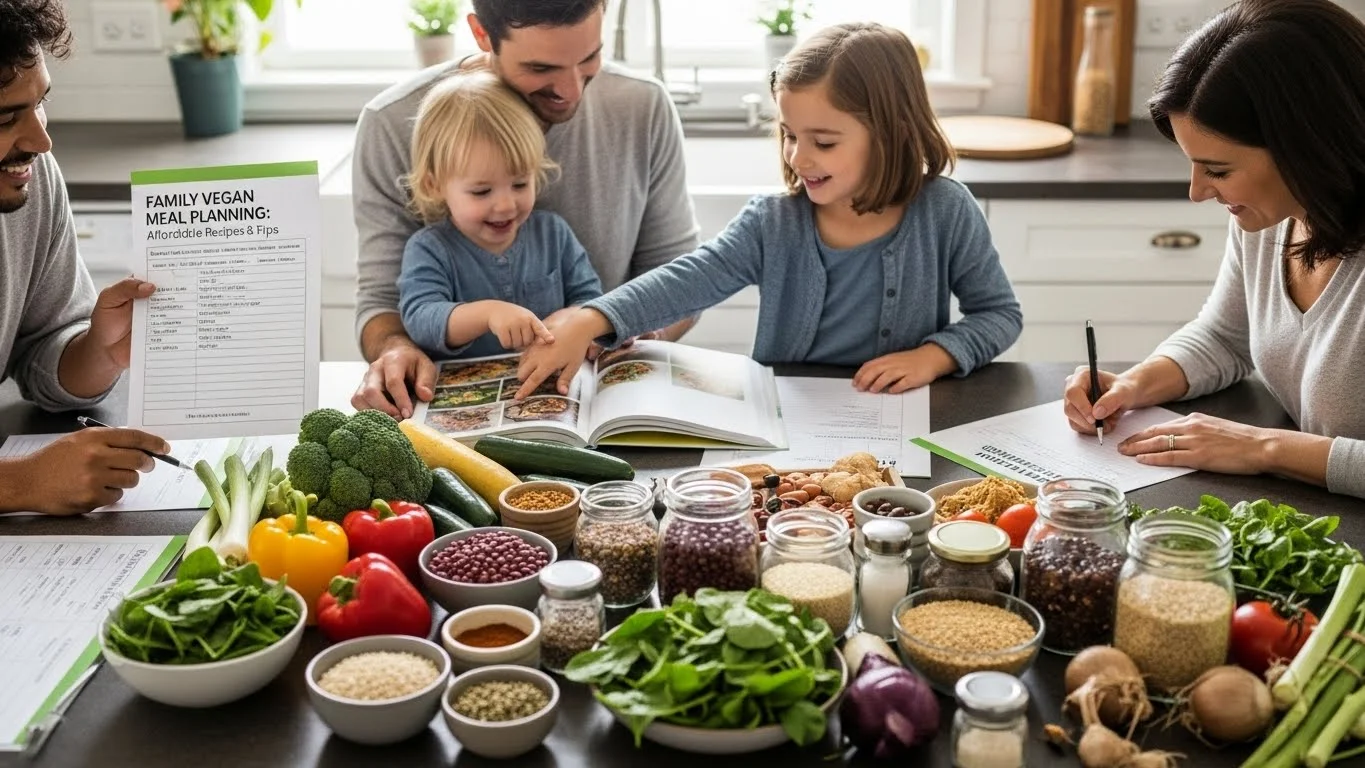
Planning Meals as a Family Activity
We’ve turned meal planning into a family activity, and it’s become a fun tradition. We sit down together each week and brainstorm meal ideas. My kids love sharing their thoughts on what they want to eat, and it’s a great way to teach them about balance and nutrition in our meals. Plus, when they have a say in what we cook, they’re more likely to eat it!
Teaching Kids About Nutrition and Veganism
Teaching my kids about nutrition and the reasons behind our vegan lifestyle has been essential. I’ve found that when they understand the benefits of plant-based eating, they’re more enthusiastic about trying new foods. We often have discussions about where our food comes from and how it affects our health and the planet. It’s rewarding to see them develop an appreciation for our choices.
Resources for Vegan Meal Planning
Useful Apps for Meal Planning
There are some fantastic apps available that can simplify meal planning. I’ve tried several, but my favorites allow me to input ingredients I have on hand and generate recipe ideas. They also help me create shopping lists, making grocery trips much easier. Technology can be a real ally when it comes to staying organized!
Websites and Blogs for Vegan Recipes
Some of my favorite websites and blogs offer a treasure trove of vegan recipes. I love exploring new blogs where fellow vegan families share their experiences and recipes. It’s inspiring to see how others incorporate plant-based eating into their lives, and I often find new ideas to try out in our kitchen.
Books on Vegan Cooking for Families
Books on vegan cooking have also been a great resource for us. I’ve added several family-friendly cookbooks to our collection that provide not just recipes but also tips for transitioning to a vegan lifestyle. These books often include fun stories and anecdotes that resonate with kids, making mealtime feel fun and engaging.
Final Thoughts
Transitioning to a vegan lifestyle with my family has been a journey filled with growth, exploration, and delicious meals. I believe that with some planning, creativity, and a positive attitude, anyone can embrace this lifestyle without feeling overwhelmed. It’s about finding balance, enjoying wholesome foods, and making the experience fun for everyone involved. I hope this guide inspires you to embark on your own vegan adventure, creating meals that nourish your family and the planet. We’ve discovered not only new flavors but also a deeper connection with what we eat and how it affects our health and the environment. Let’s keep exploring the wonderful world of plant-based living together!
Frequently Asked Questions
What is veganism?
Veganism is a lifestyle choice that eliminates all animal products, including meat, dairy, eggs, and honey. It revolves around compassion for animals and the environment while encouraging the exploration of a variety of plant-based foods.
What are the health benefits of a vegan diet for families?
A vegan diet can lower the risk of chronic diseases such as heart disease, diabetes, and certain cancers. It is high in fiber, vitamins, and minerals, which are essential for growing children, and can lead to increased energy levels and a diverse palate.
How can families get started with meal planning?
To get started with meal planning, families should review their weekly schedule, involve everyone in meal selection, create a grocery list based on the planned meals, and organize the list by categories to make shopping easier.
What are some essential pantry staples for vegan cooking?
Essential pantry staples for vegan cooking include rice, pasta, beans, lentils, canned tomatoes, spices, herbs, nut butters, and plant-based milks. These ingredients are versatile and budget-friendly.
How can families save money on a vegan diet?
Families can save money on a vegan diet by buying seasonal produce, shopping at local farmers’ markets, planning meals around sales and discounts, using coupons and cashback apps, and purchasing items in bulk.
What are some sample vegan meals for a family?
Sample vegan meals for a family include chickpea salad wraps, vegan tacos, stir-fried tofu with vegetables, pasta with marinara sauce, homemade veggie pizza, quinoa bowls with roasted vegetables, and hearty vegetable soup.
How can leftovers be incorporated into meal planning?
Leftovers can be repurposed into new meals, such as turning leftover stir-fried tofu and veggies into fried rice. Cooking larger batches of grains or legumes can also help use leftovers creatively throughout the week.
What are some easy vegan snacks for kids?
Easy vegan snacks for kids include apple slices with almond butter, trail mix made of nuts, seeds, and dried fruits, and popcorn tossed with nutritional yeast for a cheesy flavor.
How can families involve children in meal planning and cooking?
Families can involve children in meal planning by brainstorming meal ideas together and assigning simple cooking tasks. Teaching kids about nutrition and the reasons behind veganism can also foster enthusiasm for trying new foods.
What resources are available for vegan meal planning?
Useful resources for vegan meal planning include apps that generate recipe ideas and shopping lists, websites and blogs that share vegan recipes, and family-friendly cookbooks that provide tips for transitioning to a vegan lifestyle.