
As a parent who loves backpacking, I know firsthand how important it is to be prepared for anything that might happen on the trail. Understanding first aid basics can make a world of difference in keeping our little adventurers safe. First Aid Basics for Kids: Keep Your Family Safe on Adventures is a great resource to help parents learn more.
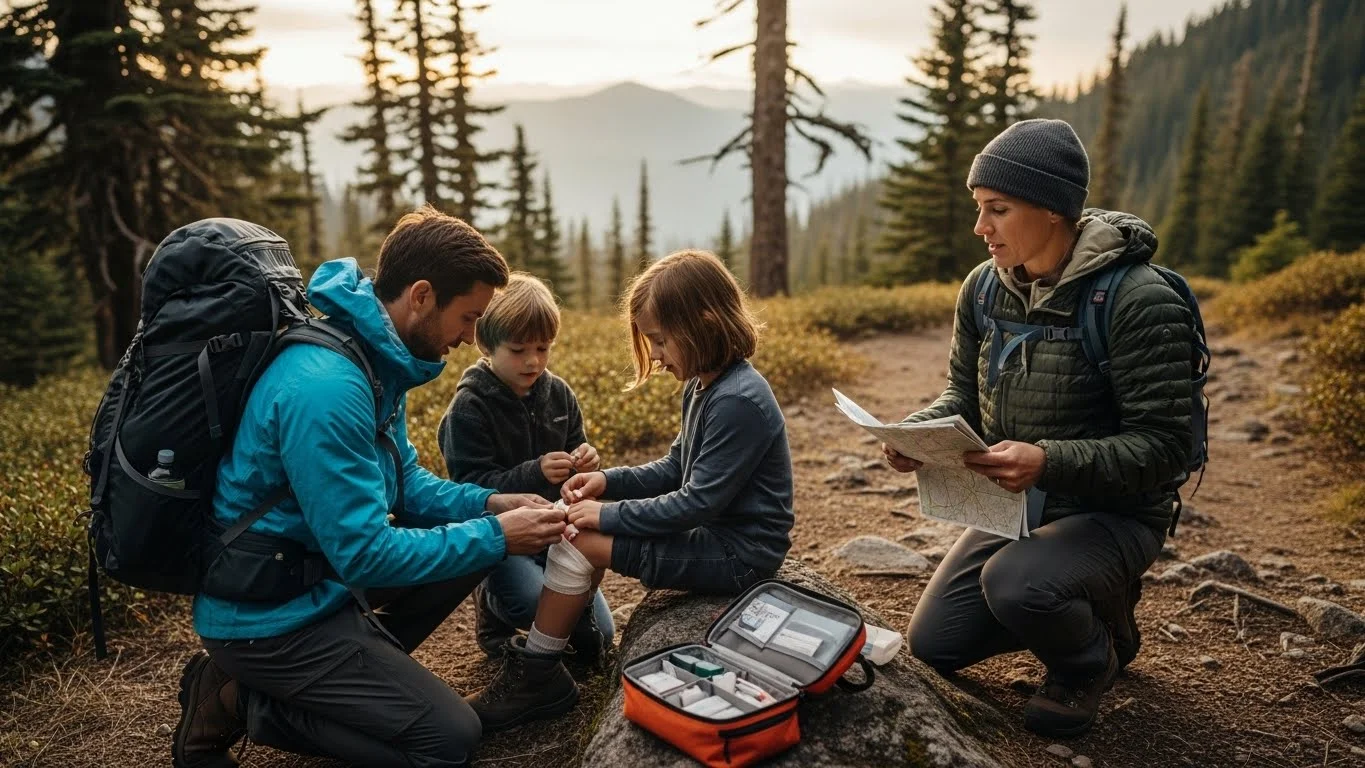
Understanding First Aid Essentials
What is First Aid?
First aid refers to the immediate assistance provided to someone who is injured or suddenly ill. It’s often the first line of defense before professional medical help arrives. For us parents, this means being equipped to handle minor injuries, like scrapes or insect bites, while we’re out exploring nature with our kids. I remember a time when my son took a tumble on a rocky path. Fortunately, I was able to clean and bandage his knee right away, which kept him calm and allowed us to continue enjoying our hike.
Importance of First Aid for Parents
As parents, we have the responsibility to ensure our children’s safety, especially when we venture into the great outdoors. First aid knowledge empowers us to respond effectively to any situation that arises. Whether it’s a small cut or a more significant issue, knowing what to do can prevent further complications. In my experience, I’ve found that being prepared not only helps in managing injuries but also gives my kids a sense of security when they know that I can handle emergencies. It’s comforting to see their faces relax when I pull out our first aid kit, knowing I’m ready to tackle any bumps along the way.
Common First Aid Myths
There are several myths about first aid that I’ve come across over the years, and it’s crucial to debunk them for the safety of our families. One common misconception is that we should always use alcohol or hydrogen peroxide to clean a wound. While it might seem logical, these substances can actually harm the tissue and delay healing. Instead, I’ve learned that rinsing the wound gently with clean water is often the best approach.
Another myth I’ve encountered is the belief that we should apply butter or ointments on burns. This can trap heat and worsen the injury. Instead, running cool water over a burn for about 10 to 20 minutes is the most effective way to soothe it. I remember the first time my daughter accidentally touched a hot surface while cooking. Staying calm and using cool water made all the difference in her recovery.
There’s also a tendency to think that every injury requires a trip to the doctor. While some situations do warrant professional care, many minor injuries can be effectively treated at home. As I’ve learned, knowing when to seek help is just as important as knowing how to treat injuries.
Essential First Aid Supplies for Backpacking
First Aid Kit Components
Having a well-stocked first aid kit is essential for any backpacking trip. When I pack our family’s kit, I make sure it includes items that cater to potential injuries we might face on the trail. A basic kit usually consists of adhesive bandages, antiseptic wipes, gauze pads, adhesive tape, and scissors. I’ve found that having a small pair of tweezers is also helpful for removing splinters or ticks, which can sometimes happen during our hikes. Top First Aid Gear for Budget Travelers and Backpackers can provide more insights on essential items.
Choosing the Right First Aid Kit for Families
When selecting a first aid kit for family backpacking trips, I always look for one that is specifically designed for outdoor use. These kits typically include specialized items like insect bite relief, burn cream, and even a first-aid manual tailored for hiking and camping. I remember the time we upgraded our kit for a longer trip into the wilderness. It was a game changer! Having everything we needed in one place gave me peace of mind.
Recommended Items for Backpacking Trips
Here are some items I recommend including in your backpacking first aid kit:
- Adhesive bandages in various sizes
- Gauze and adhesive tape
- Antiseptic wipes
- Antihistamines for allergic reactions
- Pain-relief medications (like ibuprofen or acetaminophen)
- Cold packs for sprains and strains
- Burn ointment
- First aid manual or guide
- Emergency blanket
Over the years, I’ve learned that having these essentials can make all the difference during our outdoor adventures. It’s not just about having the supplies; it’s about feeling prepared and knowing I can manage whatever comes our way. Essential First Aid Tips for Parents on Budget Trips can also help you save on costs while ensuring safety.
Common Injuries and How to Treat Them
Scrapes and Cuts
Scrapes and cuts are probably the most frequent injuries we encounter while backpacking, especially with kids who love to explore. I can’t count how many times my children have come back with minor scrapes after darting off the trail to investigate something shiny or interesting. When treating these injuries, my go-to approach is simple. First, I rinse the area with clean water to remove any dirt or debris. Then, I gently pat it dry with a clean cloth. I’ve found that keeping things clean helps prevent infections.
Next, I apply an antiseptic wipe to the scraped area. It’s important not to skip this step! I’ve made that mistake before, and it usually leads to more trouble later on. After that, I cover it with an adhesive bandage. I always let my kids pick out their favorite bandage, which makes it less of a chore for them and helps them feel more involved in the process. It’s amazing how a simple cartoon character can make a scraped knee feel better!
Sprains and Strains
With all the running around on uneven surfaces, sprains and strains are common on our family hikes. When I first learned how to identify these injuries, it made a huge difference in how I responded. If one of my kids twists an ankle or strains a muscle, I know to look for swelling or tenderness in the affected area. The first thing I do is have them sit down and rest.
Applying ice is crucial. I’ve learned to carry a small cold pack in our first aid kit for this very purpose. I apply it for about 15 to 20 minutes, which helps reduce swelling and numbs the pain. Elevating the injured area is another step I take, and I usually prop their leg up on my backpack or a nearby log. I gently wrap it with a compression bandage if it seems necessary. In my experience, most sprains and strains heal with rest and care, but if the pain is severe or doesn’t improve, I know it’s time to seek professional help.
Insect Bites and Stings
Insect bites and stings are almost a given while we’re out in nature, especially in the warmer months. It’s something I’ve come to accept as part of the adventure. When one of my kids gets bitten or stung, I try to stay calm, which helps them feel more secure. My first step is to identify the bite or sting. If it’s a bee sting, I carefully remove the stinger with tweezers to prevent more venom from entering the skin.
I’ve learned that applying a cold pack can help reduce swelling and relieve pain. For mosquito bites, I usually apply a bit of antihistamine cream from our first aid kit. I remember a hike where my daughter was swarmed by mosquitoes, and using the cream made a world of difference in her comfort. Teaching my kids not to scratch the bites is another important lesson, as it can lead to infections.
Sunburn and Heat Exhaustion
Being outdoors means we need to be mindful of the sun. I can’t tell you how many sunburns I’ve treated over the years! When we head out, I always apply sunscreen before we start our hikes, but sometimes I miss a spot or forget to reapply. If I notice that one of my kids is getting red, I immediately find shade and cool them down with water. A cool, damp cloth on their skin can work wonders.
For serious sunburns, I’ve learned that aloe vera gel is soothing and helps with recovery. I always keep a small bottle in our first aid kit just for this reason. Heat exhaustion is something I take seriously, especially on hot days. If a child starts feeling dizzy or overly fatigued, I know to have them sit down, drink water, and cool off in the shade. It’s essential to keep an eye out for signs of dehydration, like dry lips or extreme fatigue.
Allergic Reactions
Allergic reactions can be scary, especially if they happen while we’re deep in the woods. I’ve had a few experiences with my kids reacting to certain plants or foods. The first time it happened, I was caught off guard. Now, I’m more prepared. I always ask about allergies before we head out and keep antihistamines on hand in our first aid kit. If one of my children starts showing signs of an allergic reaction—like itching, swelling, or difficulty breathing—I know to act quickly.
If it’s mild, I usually give them an antihistamine. However, if I see more severe symptoms, like swelling of the face or trouble breathing, I’ve learned it’s crucial to call for emergency help right away. Preparing for these situations not only gives me peace of mind but also teaches my children the importance of being aware of their bodies and any reactions they may have.
Basic First Aid Techniques Every Parent Should Know
CPR Basics
Cardiopulmonary resuscitation (CPR) is one of those skills that, honestly, every parent should know. I remember the first time I took a CPR class; I was nervous but left feeling empowered. It’s amazing how a little knowledge can prepare you for the worst-case scenario. In case of a cardiac emergency, the focus is on providing chest compressions and rescue breaths. If you find yourself in a situation where someone is unresponsive, the first thing to do is call for help. Then, if you feel prepared, you can start CPR.
The basic steps I learned are simple: for adults, you want to push hard and fast in the center of the chest at a rate of 100-120 compressions per minute. For kids, the compression depth is about two inches, while for infants, it’s about one and a half inches. It’s vital to maintain a rhythm, and I’ve found that singing a song like “Stayin’ Alive” in my head helps keep the right pace. I feel that knowing this technique can truly be a lifesaver and gives me a sense of confidence while hiking or camping with my kids.
How to Use an AED
An Automated External Defibrillator (AED) is another tool that I’ve learned about through my first aid training. These devices are becoming more common in public places, including parks where we sometimes hike. The first time I saw an AED, I was unsure how to use it, but I quickly learned that they are designed to be user-friendly. If someone collapses and isn’t breathing, you should call for emergency services and then grab the AED if it’s nearby.
Once you have the AED, turn it on, and it will guide you through the process with voice prompts. You simply attach the pads to the person’s chest as indicated and follow the instructions. I find it reassuring that these devices can analyze the heart’s rhythm and deliver a shock if necessary. The idea that I can provide such crucial help in an emergency is empowering, especially during our family adventures.
Choking Relief Techniques
Choking is a scary thought, especially when kids are involved. I’ve always made it a point to learn how to handle choking emergencies. The Heimlich maneuver is the go-to technique for adults and older children. For younger kids, I know that back blows and chest thrusts are more effective. If I see one of my children struggling to breathe, I try to remain calm and act quickly. For an adult or a child over one year old, I stand behind them, wrap my arms around their waist, and give quick, inward and upward thrusts just above the belly button.
For infants, I learned that flipping them over and giving five back blows between the shoulder blades followed by five chest thrusts is the proper method. It feels good to have these techniques in my back pocket. Knowing how to respond can make a significant difference in a tense situation, especially when we’re far from immediate medical help.
Wound Cleaning and Dressing
Cleaning and dressing wounds properly is essential, especially when we’re outdoors. I remember one hike when my daughter scraped her leg pretty badly. I had to act fast to prevent infection, and I was grateful for my first aid knowledge. First, I rinsed the wound with clean water to remove any dirt and debris. It’s important to do this gently to avoid causing more damage. After cleaning, I applied an antiseptic wipe to ensure that any bacteria were killed off. I’ve learned that proper cleaning is key to preventing infections down the line.
Once the wound was clean, I covered it with a sterile bandage or gauze. For deeper cuts, I usually hold the gauze against the wound for a few minutes to stop any bleeding before applying tape or a bandage. I try to explain the steps to my kids as I do them, so they understand the importance of care and can learn to manage their own injuries someday.
Responding to Emergencies
Assessing the Situation
When an emergency happens, taking a moment to assess the situation can be incredibly helpful. I remember a time when my son tripped and fell while we were hiking. At first glance, it looked serious, but I quickly checked to see if he was conscious and able to move. I’ve learned that staying calm and collected is crucial. It allows me to think clearly and make the right decisions. I always ask my kids questions about what they feel and where it hurts to gather more information.
By being thorough in my assessment, I can determine whether we need to treat the injury on-site or if we need to seek medical help immediately. I find that it’s essential to keep an eye on their overall appearance and responsiveness, as these can be indicators of how serious the situation may be.
When to Call for Help
Knowing when to call for help is a skill I’ve developed through experience. If an injury seems severe—like a deep cut, suspected broken bone, or signs of a serious allergic reaction—I don’t hesitate to call for emergency services. I remember a hike where my daughter fell and complained of severe pain in her wrist. I realized that even if I was unsure, it’s better to err on the side of caution. Calling for help was the right choice, and it gave me peace of mind knowing that professionals were on their way to assist us.
Handling Medical Emergencies in Remote Areas
Being in a remote area can complicate emergencies. I’ve found that being prepared with a plan is essential. When we set out on a hike, I always inform someone of our route and expected return time. If anything goes wrong, this information can be critical. In case we encounter a serious injury, I make sure to have a communication device like a fully charged phone or a satellite messenger, depending on the area we’re in.
Having a well-stocked first aid kit is also vital, as it allows me to manage most injuries on the spot. In my experience, knowing basic navigation and first aid skills can help us stay safe and minimize risks while we explore the great outdoors together as a family.
Frequently Asked Questions
What is first aid?
First aid refers to the immediate assistance provided to someone who is injured or suddenly ill. It’s the first line of defense before professional medical help arrives, allowing parents to handle minor injuries while exploring nature with their kids.
Why is first aid knowledge important for parents?
First aid knowledge empowers parents to respond effectively to injuries or emergencies. It helps in managing injuries and provides a sense of security for both the parents and the children when they know help is available.
What are some common myths about first aid?
Common myths include the belief that alcohol or hydrogen peroxide should always be used to clean wounds, which can harm tissue. Another myth is that butter or ointments should be applied to burns, when cool water is actually more effective. Additionally, not every injury requires a trip to the doctor, as many minor injuries can be treated at home.
What essential items should be included in a first aid kit for backpacking?
A first aid kit for backpacking should include adhesive bandages, antiseptic wipes, gauze pads, adhesive tape, scissors, tweezers, insect bite relief, burn cream, a first-aid manual, antihistamines, pain-relief medications, cold packs, and an emergency blanket.
How should scrapes and cuts be treated?
To treat scrapes and cuts, rinse the area with clean water, gently pat it dry, apply an antiseptic wipe, and cover it with an adhesive bandage. Keeping the wound clean helps prevent infections.
What steps should be taken for treating sprains and strains?
For sprains and strains, have the injured person sit down and rest, apply ice for 15-20 minutes to reduce swelling, elevate the injured area, and wrap it with a compression bandage if necessary. Seek professional help if the pain is severe or does not improve.
How can insect bites and stings be managed?
For insect bites and stings, identify the type (like bee stings), remove the stinger with tweezers, apply a cold pack to reduce swelling, and use antihistamine cream for mosquito bites. Teach kids not to scratch the bites to avoid infections.
What should be done in case of sunburn or heat exhaustion?
For sunburn, find shade, cool the affected area with water, and apply aloe vera gel for serious burns. For heat exhaustion, have the child sit down, drink water, and cool off in the shade, watching for signs of dehydration.
What basic first aid techniques should every parent know?
Every parent should know CPR basics, how to use an AED, choking relief techniques, and how to properly clean and dress wounds. These skills can be crucial in emergencies, especially in remote areas.
When should a parent call for help during an emergency?
A parent should call for help if an injury seems severe, such as a deep cut, suspected broken bone, or serious allergic reaction. It’s better to err on the side of caution and seek professional assistance when unsure.