
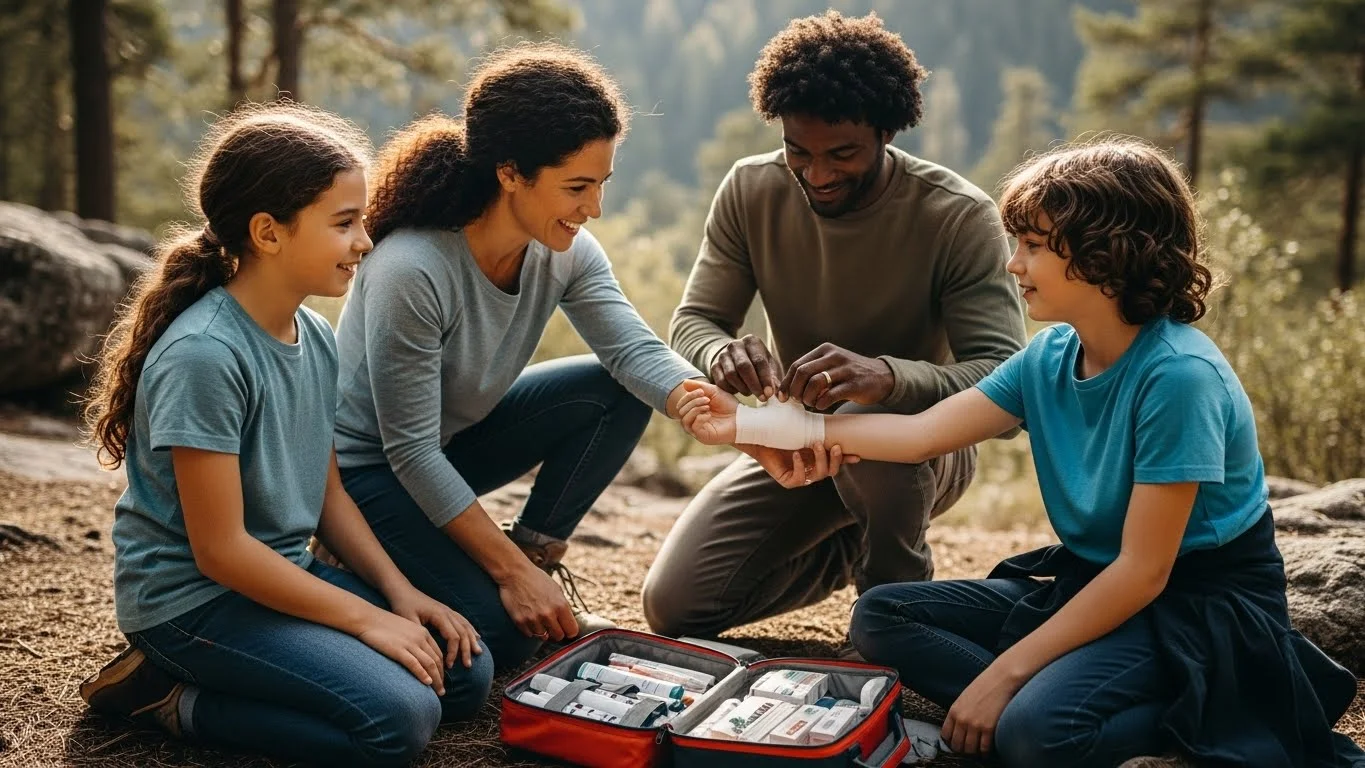
Going on adventures with kids can be a thrilling experience, but it also comes with its share of risks. Learning the basics of first aid can empower us to handle unexpected situations and keep our families safe! To get started, master basic first aid for kids to ensure you’re prepared for any mishap.
Understanding First Aid for Kids
What is First Aid?
First aid is the immediate care provided to someone who has been injured or suddenly taken ill. It’s all about giving initial help until professional medical assistance arrives. I remember the first time I had to use first aid; my little one took a tumble while riding a bike. I quickly realized that knowing how to assess the situation and provide basic care made a huge difference in how we both felt. It’s not just about treating injuries but also about providing comfort and reassurance during a stressful time.
Importance of First Aid Knowledge for Families
Having a good grasp of first aid basics is crucial for every family, especially when we venture outdoors. I’ve noticed that the more prepared we are, the calmer we feel during our adventures. It’s not uncommon for kids to get scrapes, insect bites, or even minor burns, especially during playtime in the park or while hiking. Understanding how to handle these situations can significantly impact how quickly and effectively we respond. I believe it gives us peace of mind and helps us enjoy our outings without unnecessary worry.
It’s empowering to be able to respond promptly. I remember teaching my kids about first aid; their eyes lit up with curiosity. They became interested in learning what we could do together if something happened. Knowing we could face any little mishap made our adventures even more enjoyable. For more tips, check out quick first aid tips for kids.
Essential First Aid Supplies for Family Adventures
First Aid Kit Basics
Having a well-stocked first aid kit is essential for any family adventure. I can’t stress enough how important it is to be prepared. A basic first aid kit should include items like adhesive bandages, sterile gauze pads, antiseptic wipes, and adhesive tape. These items cover the most common injuries. In our family, we’ve added a few personal touches to our kit, based on our experiences.
It’s a good idea to check your first aid kit regularly. I’ve learned that things can expire or get used up without us noticing. After a camping trip, I realized that we were out of antiseptic wipes, which would have been very handy. Keeping it organized and topped up ensures we’re always ready.
Recommended Items for Kids
When preparing a first aid kit for kids, I think it’s essential to include items specifically tailored to their needs. Here are some items I always include:
- Kid-friendly adhesive bandages with fun designs.
- Children’s pain reliever (like liquid acetaminophen or ibuprofen).
- A digital thermometer, because kids often get fevers.
- Hydrocortisone cream for itching from insect bites.
- Saline solution for cleaning cuts or scrapes.
Including items like these not only makes the kit functional but also helps kids feel more comfortable if they need to use it. I’ve found that my children are much more willing to clean a scrape if they get to pick a colorful bandage!
How to Customize Your First Aid Kit
Every family has unique needs, so customizing your first aid kit is a great idea. I suggest considering any allergies or medical conditions your family members might have. For example, if anyone in your family has a severe allergy, having an epinephrine auto-injector is crucial. Also, if you have a little one with a tendency to get motion sickness, include some motion sickness tablets or ginger candies in your kit.
It’s also helpful to have a small first aid manual or guide in the kit. I’ve found it reassuring to have quick reference materials that outline basic first aid procedures. You can easily find printable guides online or even purchase a small manual to keep with your supplies. For a deeper dive, read about essential first aid techniques every parent should know.
In our case, we also like to incorporate a few comfort items, like a favorite toy or a small blanket, to help soothe kids if they’re upset after an injury. This way, we’re ready not just for physical needs but emotional ones too!
Common Injuries and Emergencies
Cuts and Scrapes
Cuts and scrapes are probably the most common injuries I’ve dealt with when my kids are playing. It seems like a routine day at the park can quickly turn into a first aid moment! I remember the time my youngest scraped his knee while chasing a butterfly. I rushed over, and the first thing I did was check the wound to see how serious it was. For minor cuts, it’s usually just a matter of cleaning the area and applying a bandage, but it’s important to stay calm to reassure the kids. I always tell them that a little bit of cleaning will help it heal faster, and they love picking out a fun bandage. It’s amazing how something so small can turn into a big lesson in resilience and care.
Burns
Burns can be frightening, especially when they happen accidentally while cooking or playing outdoors. I’ve had my fair share of close calls. One time while we were roasting marshmallows, my son accidentally brushed against the hot grill. I quickly remembered what I learned about treating burns: cool the burn under running water for at least 10 minutes. This makes such a difference! I also keep a burn cream in our first aid kit, which helps soothe the pain afterward. It’s important to stay calm in these situations so that the kids don’t panic. I’ve found that explaining what happened and how we can treat it helps them feel more secure.
Insect Bites and Stings
Insect bites and stings can feel like a rite of passage for kids spending time outdoors. I can’t count the number of times my children have come home from a picnic with red, itchy bumps. I learned early on that a little bit of antihistamine can go a long way. We always keep hydrocortisone cream in our first aid kit for those pesky itches and swelling. When one of my kids gets bitten, I make a point of staying calm and treating the area quickly. I also remind them to wear long sleeves and use insect repellent when we’re in buggy areas. It’s all about prevention and knowing how to react when things happen.
Sprains and Strains
Active kids are prone to sprains and strains, especially if they’re playing sports or running around outside. I remember watching my daughter fall while trying to leap from one rock to another at a nature park. It was a tough moment, and I had to assess if it was a serious injury. I gently helped her to sit down and elevated her ankle while applying ice wrapped in a cloth. It was a good reminder that sometimes rest is the best medicine. I always encourage my kids to listen to their bodies and take breaks when needed. Now, they know to come to me if they feel any pain after play, and it’s helped them understand the importance of caring for their bodies.
Allergic Reactions
Allergic reactions can be scary, especially if they happen suddenly. I remember when we were at a family barbecue, and my son took a bite of something that had peanuts in it. Fortunately, I was prepared, having learned about his allergies. I always carry an epinephrine auto-injector with me. When he started showing signs of an allergic reaction, I stayed calm and quickly administered the injector, all while explaining what was happening to him. It’s essential for all of us to stay aware of potential allergens when we’re out and about. I believe it’s a good idea to inform anyone who is preparing food about any allergies, just to be safe.
Head Injuries
Head injuries can be particularly concerning, especially when kids are running and playing. I had a moment of panic once when my daughter fell off her bike and hit her head. I immediately checked for any signs of a concussion, such as confusion or dizziness. I learned to ask her simple questions to gauge her awareness. If you ever find yourself in a similar situation, it’s important not to panic. I always recommend keeping an ice pack ready for bumps and bruises and monitoring the child closely for any changes in behavior. We’ve had plenty of discussions about being cautious while riding bikes and playing hard, but accidents happen. It’s part of being a kid!
First Aid Techniques Every Parent Should Know
Cleaning and Dressing Wounds
Knowing how to clean and dress wounds properly is something every parent should feel confident doing. I remember the first time I had to clean a wound—it was nerve-wracking! I learned to start by washing my hands first, then gently cleaning the wound with soap and water. I always keep sterile gauze and adhesive bandages handy for dressing the wound afterward. I find it helpful to explain to my kids what I’m doing as I go. It not only helps them understand the process but also makes them feel involved. The more they know, the less scared they seem!
How to Treat Burns
When it comes to treating burns, my approach is to stay calm and assess the situation. I learned that the best first step is to cool the burn with running water for at least 10 minutes. After cooling it down, I apply a burn ointment if available. I always remind my kids not to pop any blisters that form; it’s important to keep the area clean. We’ve had a few close calls with burns, so I make sure we talk about being cautious around hot surfaces, especially in the kitchen or when grilling.
Managing Allergic Reactions
Managing allergic reactions is something that requires quick thinking. I always make sure to have an action plan in place. For my child with food allergies, I’ve taught him about reading food labels and asking about ingredients when eating out. If an allergic reaction occurs, I know that using the epinephrine auto-injector promptly can be lifesaving. It’s not a pleasant topic to discuss, but I believe it’s crucial for kids to know what to do in case they accidentally encounter allergens.
Basic CPR for Kids
Learning basic CPR has been one of the most empowering skills for me as a parent. I remember taking a class and feeling a bit overwhelmed at first, but practicing on a mannequin made it feel manageable. I learned the importance of checking for responsiveness, calling for help, and starting chest compressions if needed. I’ve found that teaching my older kids about CPR gives them the confidence to help others, and it’s a great bonding experience for us. It’s a skill that could truly make a difference someday.
Choking Relief Techniques
Choking can be a terrifying experience, and I always feel it’s important to know what to do. I’ve practiced the Heimlich maneuver with my kids, using a pillow to simulate the action. We talk about how to recognize when someone is choking and what steps to take to help. Having these conversations makes me feel more prepared. I think it’s crucial for families to know how to respond in emergencies like choking because you just never know when it might happen.
When to Seek Professional Medical Help
Signs of Serious Injuries
Knowing when to seek professional medical help is a vital part of first aid, and I’ve found it can sometimes be tricky. There have been moments when I thought I could handle the situation, but looking back, I realized I should have called in the experts. For example, if a cut is deep, won’t stop bleeding, or if you notice any signs of infection, such as redness, swelling, or pus, it’s time to get help. I also learned that if a child has difficulty breathing, persistent pain, or a severe headache, it’s essential to seek medical attention immediately. I’ve had to remind myself that it’s always better to be safe than sorry, and trusting my instincts has often led me to the right decision.
Emergency Contact Information
Having a list of emergency contacts readily available is something I truly believe every family should prioritize. I’ve created a small card that lives in our first aid kit, which includes not just our doctor’s number but also nearby urgent care centers and the nearest hospital. I even included poison control’s number, just in case! It can be a bit overwhelming thinking about emergencies, but having this information at our fingertips brings a sense of calm. I also make sure that everyone in the family knows where to find this information, just so we’re all on the same page in case of an emergency.
Local Medical Facilities and Resources
Familiarizing ourselves with local medical facilities has been a game-changer for our family. I remember my first time visiting our neighborhood urgent care; I was surprised by how simple and quick it was to get help. I’ve since taken the time to map out where the closest hospitals and urgent care centers are, which gives me peace of mind when we’re out exploring. It’s also helpful to learn about their hours of operation and whether they have pediatric services. I’ve even talked to other parents in the community to get their recommendations. Knowing these resources are just a phone call away can make a world of difference in those frantic moments.
Teaching Kids About First Aid
Age-Appropriate First Aid Education
Teaching kids about first aid is an enriching experience for both them and me. I believe it’s essential to tailor the information based on their age and understanding. With my little ones, we start with simple concepts like recognizing injuries and knowing when to come to an adult for help. As they grew older, I began introducing more complex topics, like how to clean a wound or what to do during an allergic reaction. I find that engaging them in conversations about first aid helps demystify it. They become more curious and willing to learn when they know they’re part of the process. Seeing their excitement when they remember something we discussed fills me with pride.
Fun Activities to Learn First Aid
Learning doesn’t have to be boring! I’ve discovered that incorporating fun activities into our first aid lessons makes the process enjoyable. We’ve played games where they role-play as doctors or patients, which not only helps them learn but also teaches empathy. I also found some great first aid-themed craft projects online, where they can make their own bandages or design their own first aid kits. These hands-on activities allow them to express creativity while reinforcing essential skills. I think it’s amazing how much more they retain when they’re actively engaged!
Creating a Family First Aid Plan
Creating a family first aid plan has been another important step for us. I remember sitting down with my family and discussing various scenarios we might encounter during our adventures. We talked about how we would handle different situations and designated roles for each family member. For example, one of my kids would be in charge of grabbing the first aid kit, while another would help in putting together a list of emergency contacts. I’ve found that having a plan not only prepares us for the unexpected but also boosts our confidence when heading out. It’s reassuring to know we’re all on the same page and ready to support each other.
Safety Tips for Outdoor Adventures
Preparing for Different Environments
Every outdoor adventure brings its unique set of challenges, and I think preparation is key. I’ve learned that different environments require different safety measures. For example, when hiking in the woods, I always emphasize wearing sturdy shoes and bringing plenty of water. We also talk about the importance of staying on marked trails. At the beach, I stress the need for sunscreen and understanding the water conditions. I remember one trip where we got caught in a sudden rainstorm, and I wished I had checked the weather beforehand. Now, I always keep an eye on the forecast and pack accordingly, ensuring we’re ready for whatever nature throws our way!
Identifying Potential Hazards
As we venture out, I’ve come to realize that identifying potential hazards can save us a lot of trouble. Whether it’s loose rocks on a hiking trail or sharp objects in a park, I make it a point to scan our surroundings. I’ve encouraged my kids to do the same, teaching them to be aware of their environment. We often have conversations about being cautious around unfamiliar animals or even plants that could be poisonous. I think it’s essential for them to understand that not everything is safe, and being vigilant can help us avoid unnecessary accidents.
Emergency Procedures While on the Go
It’s always wise to have emergency procedures in place while we’re on the go. I remember a family outing where one of my kids got separated from us for a brief moment, and I felt a rush of panic. Since then, I’ve set some ground rules for our outings. We always agree on a meeting place in case anyone gets lost, and I’ve taught them to approach a trusted adult if they can’t find us. We also practice simple communication strategies, like making sure phones are charged and discussing how to stay visible in crowded areas. I believe that having these procedures helps everyone feel safer and more confident while we explore.
Frequently Asked Questions
What is first aid?
First aid is the immediate care provided to someone who has been injured or suddenly taken ill, giving initial help until professional medical assistance arrives.
Why is first aid knowledge important for families?
Having a good grasp of first aid basics is crucial for families, especially during outdoor adventures, as it helps in responding effectively to common injuries, providing peace of mind, and enjoying outings without unnecessary worry.
What items should be included in a basic first aid kit for families?
A basic first aid kit should include adhesive bandages, sterile gauze pads, antiseptic wipes, and adhesive tape. It’s also recommended to check the kit regularly to ensure it is well-stocked.
What specific items should be included in a first aid kit for kids?
A first aid kit for kids should include kid-friendly adhesive bandages, children’s pain reliever, a digital thermometer, hydrocortisone cream, and saline solution for cleaning cuts or scrapes.
How can I customize my family’s first aid kit?
Customizing a first aid kit involves considering family members’ unique needs, such as allergies or medical conditions, and including specific items like an epinephrine auto-injector or motion sickness tablets, along with a small first aid manual or guide.
What are some common injuries that may occur during outdoor activities?
Common injuries include cuts and scrapes, burns, insect bites and stings, sprains and strains, allergic reactions, and head injuries.
What basic first aid techniques should every parent know?
Every parent should know how to clean and dress wounds, treat burns, manage allergic reactions, perform basic CPR, and apply choking relief techniques.
When should I seek professional medical help for my child?
Seek professional medical help if a cut is deep, won’t stop bleeding, there are signs of infection, difficulty breathing, persistent pain, or a severe headache.
How can I teach my kids about first aid?
Teach kids about first aid by tailoring information based on their age, engaging them in fun activities like role-playing, and creating a family first aid plan that includes discussing various scenarios and designated roles for each member.
What safety tips should I follow for outdoor adventures?
Preparation for different environments, identifying potential hazards, and having emergency procedures in place are key safety tips for outdoor adventures.