
Traveling with kids can bring endless joy, but it also comes with its share of bumps and scrapes. Knowing how to handle common injuries while on the go can ensure our adventures remain fun and safe! Read Interesting article: Master Basic First Aid for Kids: Safety Tips for Parents
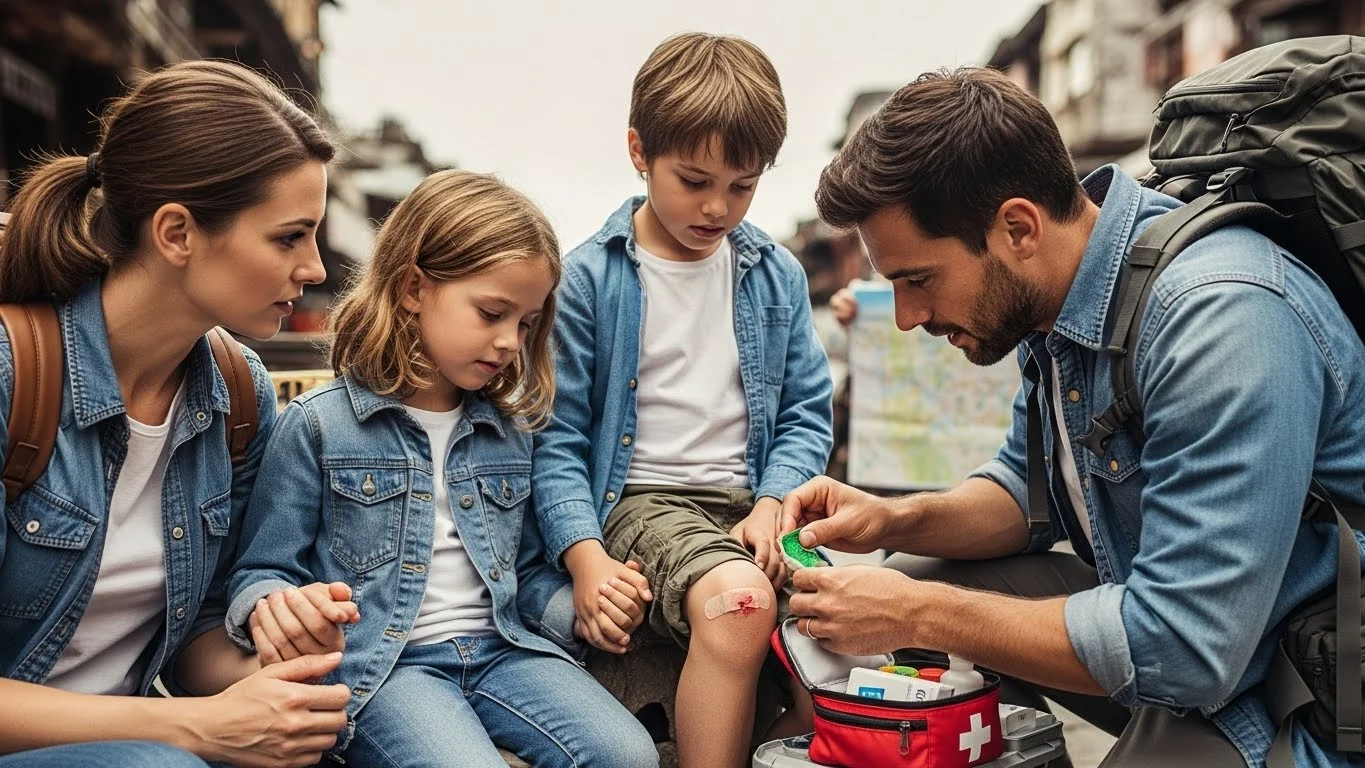
Understanding Common Injuries in Kids While Traveling
As a parent, I’ve learned that kids can be surprisingly resilient yet equally vulnerable to injuries during travel. The excitement of exploring new places can lead to a variety of common injuries, from minor cuts to more serious incidents. Understanding these injuries can empower us to act quickly and effectively when they happen.
Types of Injuries
During our family trips, I’ve seen a range of injuries that seem to pop up more frequently than I’d like to admit. Here are some of the common types:
- Cuts and Scrapes: These are perhaps the most frequent injuries, often resulting from falls or rough play.
- Burns: Whether from hot surfaces or sunburn, burns can occur more easily than we expect.
- Sprains and Strains: Kids are naturally active, and sometimes their enthusiasm can lead to twisted ankles or strained muscles.
- Allergic Reactions: Traveling often exposes children to new foods, plants, and insects, which can lead to unexpected allergies.
- Insect Bites and Stings: From mosquitoes to bees, bites and stings are common nuisances that can cause discomfort.
- Gastrointestinal Issues: Changes in diet and environment can lead to tummy troubles, like diarrhea or constipation.
Common Causes of Injuries
Reflecting on our travels, I’ve noticed that many injuries stem from a few specific causes:
- Rushed Situations: Whether it’s trying to catch a bus or rushing to a photo opportunity, a little haste can lead to accidents.
- New Environments: Kids might be more adventurous in unfamiliar places, leading to risky behavior.
- Lack of Supervision: While I always keep an eye on my kids, sometimes, even a moment of distraction can lead to an accident.
- Weather Conditions: Slippery surfaces from rain or hot surfaces under the sun can increase the risk of injuries.
When it comes to caring for our kids, it’s essential to anticipate these risks. Educating ourselves about common injuries and their causes can help us be better prepared during our travels.
Essential First Aid Supplies for Family Travel
Having a well-stocked first aid kit is something I consider a must for any family vacation. It’s like having a safety net; when injuries happen, I feel more at ease knowing I have the supplies I need close by. For a detailed guide on essential supplies, check out Essential First Aid Tips for Common Kids’ Injuries.
Basic First Aid Kit Components
Here’s what I usually include in our family first aid kit:
- Adhesive Bandages: These are great for covering small cuts and scrapes.
- Gauze Pads and Adhesive Tape: For larger wounds that need more protection.
- Antiseptic Wipes: These help clean wounds and prevent infection.
- Antibiotic Ointment: I like to apply this on cuts after cleaning them.
- Pain Relievers: Ibuprofen or acetaminophen can be lifesavers for headaches or other minor pains.
- Thermometer: Useful for checking if a child has a fever.
- Tweezers: Good for removing splinters or ticks.
- Scissors: Handy for cutting tape or gauze.
Child-Specific Items to Include
Beyond the basics, I also make sure to have child-specific items in our kit:
- Child-Friendly Pain Relievers: Always check the dosage based on their age and weight.
- Hydrocortisone Cream: This can help soothe itchy rashes or insect bites.
- Kids’ Sunblock: Protecting delicate skin from sunburn is crucial during our outdoor adventures.
- Allergy Medications: If your child has known allergies, make sure to pack their medication.
Having these supplies not only gives me peace of mind, but it also helps me respond quickly when minor accidents happen. It makes those little bumps in the road feel much more manageable, allowing us to focus on making memories instead of worrying about injuries.
How to Handle Cuts and Scrapes
When we’re out exploring the world, it’s almost a given that my kids will end up with a cut or scrape at some point. Whether they’re climbing trees, running on the beach, or just being their playful selves, accidents happen. Knowing how to properly handle these minor injuries has been invaluable for me as a parent, and I believe it can be for you too.
Steps for Cleaning and Dressing Wounds
The first time my daughter got a scrape while we were hiking, I panicked a little. But over time, I learned a straightforward process that helps me stay calm and collected. Here’s what I do:
- Stay Calm: I remind myself that these situations are common. Taking a deep breath helps me focus on the next steps.
- Assess the Wound: I take a close look at the injury. Is it just a superficial scrape, or does it look deeper? This helps me decide how to treat it.
- Wash My Hands: Hygiene is crucial. Before I touch the wound, I wash my hands thoroughly with soap and water to prevent infection.
- Clean the Wound: I gently rinse the cut or scrape under clean, running water. I’ve found that using antiseptic wipes can also be effective. I prefer to avoid using alcohol, as it can sting and upset the kids.
- Apply Antibiotic Ointment: Once the wound is clean, I apply a thin layer of antibiotic ointment. This helps protect the wound from infection.
- Dress the Wound: I cover the scraped area with an adhesive bandage or gauze. If it’s a larger cut, I use gauze pads and secure them with adhesive tape.
- Monitor the Wound: I check the injury daily. If I notice any changes like increased redness, swelling, or pus, I know it’s time to take further action.
Having this routine has made treating cuts and scrapes so much easier and less stressful for both me and my kids. They know what to expect, and I feel prepared to handle the situation.
When to Seek Medical Attention
While most cuts and scrapes are minor, there are times when it’s important to seek medical help. I’ve learned to watch for specific signs that indicate we need professional assistance:
- Deep Wounds: If the cut is deep or won’t stop bleeding after applying pressure for 10 minutes, it’s time to head to the doctor.
- Signs of Infection: Redness, warmth, swelling, or pus are all red flags. If I notice any of these symptoms, I take them seriously.
- Wounds from Animal Bites: Any injury caused by an animal bite should be checked, as these can lead to serious infections.
- Foreign Objects: If there’s something embedded in the wound that I can’t remove easily, it’s best to get medical help.
- Inadequate Tetanus Protection: If my child’s cut is from a dirty or rusty object, I consider their tetanus immunization history to see if a booster is needed.
By knowing when to seek help, I feel more empowered as a parent and can ensure my kids get the care they need without unnecessary worry.
Dealing with Burns: First Aid Tips
Burns are another common injury kids can experience, especially while we’re out on summer adventures or cooking together. Understanding how to handle burns has been a game-changer for me, especially when my son accidentally touched a hot surface while helping out in the kitchen.
Identifying Burn Severity
Recognizing the severity of a burn is crucial. I’ve found that burns can generally be classified into three categories:
- First-Degree Burns: These affect the outer layer of skin, causing redness and minor pain. I’ve noticed these often happen from sunburn.
- Second-Degree Burns: These burns penetrate deeper and can cause blisters. They can be quite painful, and I always take these seriously.
- Third-Degree Burns: These are the most severe, damaging all layers of skin and possibly affecting underlying tissues. If my child has a burn that looks white, charred, or leathery, I know this requires immediate medical attention.
Immediate First Aid Steps for Burns
When my children get a burn, I quickly follow these steps to help alleviate the pain:
- Cool the Burn: I immediately run cool (not cold) water over the burned area for about 10-20 minutes. This helps reduce pain and swelling.
- Do Not Pop Blisters: If blisters form, I remind myself and my kids not to pop them. They protect the underlying skin and help prevent infection.
- Cover the Area: After cooling, I apply a clean, non-stick bandage to protect the burn from dirt and further injury.
- Over-the-Counter Pain Relief: I give my child a child-friendly pain reliever if they’re in discomfort.
- Seek Medical Attention for Severe Burns: If I suspect a second or third-degree burn, I don’t hesitate to seek medical care.
With these strategies, I feel equipped to handle burn incidents effectively. It’s reassuring to know that a little knowledge can go a long way in keeping our travels safe and enjoyable.
Managing Sprains and Strains
During our family adventures, I’ve noticed that sprains and strains are common injuries, especially when my kids are running around, climbing, or jumping. I remember the time my son twisted his ankle while racing down a hill. It felt like we were on a quest to find a way to ease his pain and get him back to playing. Understanding how to manage these injuries is essential for keeping our trips enjoyable.
Recognizing Symptoms
Spotting a sprain or strain can be tricky sometimes, but I’ve learned to look out for specific symptoms. Here’s what I usually check for:
- Pain: My kids often complain of pain around a joint or muscle, which is usually the first sign that something’s not right.
- Swelling: If I notice swelling or tenderness around the affected area, it’s a clear indicator that they might have a sprain or strain.
- Bruising: Sometimes, there’s visible bruising that appears shortly after an injury, which can help identify the severity.
- Limited Range of Motion: If my child struggles to move the injured area or winces in pain while trying, it’s definitely time to take a closer look.
Being aware of these symptoms helps me assess the situation quickly and determine the next steps for treatment.
R.I.C.E. Method: Rest, Ice, Compression, Elevation
Once I suspect a sprain or strain, I follow the R.I.C.E. method, which has been a lifesaver for us. Here’s how I apply it:
- Rest: I encourage my child to take a break from any physical activity. Sitting down and resting is crucial to prevent further injury.
- Ice: I apply an ice pack wrapped in a cloth to the injured area for about 15-20 minutes every hour. I’ve found that this helps reduce swelling and numbs the pain.
- Compression: Using an elastic bandage, I wrap the injured area snugly (but not too tight). This support can help minimize swelling and provide comfort.
- Elevation: I have my child elevate the injured limb above the level of the heart whenever possible. This position aids in reducing swelling.
Implementing the R.I.C.E. method has been effective in managing sprains and strains, letting my kids recover faster and safely return to their playful selves.
Addressing Allergic Reactions
Traveling often brings my family into contact with new foods, plants, and insects, which can lead to unexpected allergic reactions. I remember the time my daughter had a reaction after trying a local dish that contained nuts, which she’s allergic to. Being prepared for such situations is crucial.
Common Allergens Encountered While Traveling
During our travels, I’ve discovered a few common allergens that we need to be cautious of:
- Food Allergens: Nuts, dairy, seafood, and gluten are some of the most prevalent allergens I’ve encountered. I always ask about ingredients when trying new foods.
- Pollen: If we’re visiting nature parks or rural areas, pollen from flowers and trees can trigger allergies, leading to sneezing and itchy eyes.
- Insect Stings: Bees and wasps can be a significant threat, especially for my child who has had allergic reactions in the past.
- Medications: Sometimes, new medications prescribed by doctors can cause unexpected reactions. It’s important to be aware of any potential allergies.
Having a keen awareness of these allergens helps me navigate our travel dining and activities with more confidence.
Signs of Allergic Reactions
Recognizing the signs of an allergic reaction quickly is key to effective intervention. Here’s what I look for:
- Itching or Hives: My child might start scratching or develop raised, itchy bumps on their skin.
- Swelling: If I notice swelling in their face, lips, or throat, it’s a serious concern that requires immediate attention.
- Breathing Difficulties: Any wheezing, coughing, or trouble breathing can indicate an anaphylactic reaction, which is life-threatening.
- Stomach Issues: Symptoms like vomiting, diarrhea, or severe stomach pain after eating something new could suggest an allergic reaction.
Being aware of these signs has helped me react promptly and get my child the help they need.
When to Use an EpiPen
For children with known severe allergies, having an EpiPen is essential. I make sure I always carry it with us when we travel. Here’s how I know when to use it:
- If my child begins experiencing swelling of the throat or tongue, I know it’s time to act quickly.
- Any signs of difficulty breathing or a rapid drop in blood pressure are clear indicators that I need to administer the EpiPen.
- If they show multiple symptoms of a severe allergic reaction, I don’t hesitate; I use the EpiPen and then call for emergency help.
Having this knowledge and the proper tools on hand gives me peace of mind and ensures that we can enjoy our travels without fear of allergic reactions ruining our fun.
Handling Insect Bites and Stings
Insect bites and stings can put a damper on our outdoor adventures. I can’t count the number of times my kids have come home with a few pesky red marks after a day at the park or a family camping trip. It’s vital to know how to manage these bites and stings, especially since some can cause more than just annoyance.
First Aid for Mild Reactions
When my child gets bitten or stung, I follow a few simple steps to ease their discomfort. Here’s what I usually do:
- Clean the Area: I start by washing the bite or sting site with soap and water. Keeping it clean helps prevent infection.
- Apply a Cold Compress: Using a cold pack or a cloth soaked in cold water for about 10-15 minutes helps reduce swelling and numbs the area.
- Use Antihistamines: If there’s itching or swelling, I often give my kids an oral antihistamine. I always check the appropriate dosage based on their age and weight.
- Topical Treatments: I’ve found that applying hydrocortisone cream or calamine lotion can relieve itching and irritation.
- Monitor the Reaction: I make sure to keep an eye on the bite or sting area, as well as my child’s overall condition, to see if any additional symptoms develop.
These steps have helped my kids bounce back quickly from minor insect bites and stings, allowing us to continue enjoying our outdoor experiences.
Recognizing Serious Reactions
While most insect bites are harmless, I’ve learned to be cautious of more serious reactions. Here are some signs that suggest we need to seek medical help:
- Severe Allergic Reactions: If my child shows symptoms like swelling of the face or throat, difficulty breathing, or hives, it’s time to act fast and seek emergency assistance.
- Infection Signs: If the bite or sting area becomes increasingly red, warm, or swollen, or if there’s pus, I know it could be infected and needs medical care.
- Multiple Stings: If my child is stung multiple times, especially by bees or wasps, I take it seriously as they can cause a more severe allergic reaction.
Being aware of serious reactions has helped me respond swiftly and keep the kids safe during our travels.
Managing Gastrointestinal Issues
Traveling can sometimes lead to unexpected tummy troubles. I remember a family trip where my son experienced stomach cramps after trying street food for the first time. Managing gastrointestinal issues while traveling is essential for keeping our spirits high.
Common Travel-Related Digestive Problems
Some common digestive problems we’ve encountered include:
- Diarrhea: Often caused by changes in diet or unfamiliar foods, this can hit out of nowhere. I always pack extra clothes just in case!
- Constipation: A change in routine or diet can lead to this, especially during long car rides or flights.
- Upset Stomach: Eating too much or trying new foods can sometimes upset stomachs, leading to nausea or discomfort.
Being aware of these issues helps me prepare and respond effectively when they happen.
When to Administer Medication
When gastrointestinal issues arise, I’ve learned to take the following steps:
- Monitor Symptoms: I keep an eye on how my child is feeling. If it’s mild, I may encourage them to rest and drink clear fluids.
- Hydration: Keeping them hydrated is crucial, especially if they have diarrhea. I offer electrolyte solutions or clear liquids.
- Over-the-Counter Medications: If necessary, I may give them age-appropriate medications like loperamide for diarrhea or fiber supplements for constipation, but I always consult with a healthcare professional if I have any doubts.
These strategies have helped us navigate gastrointestinal issues during our travels, enabling us to focus on making memories instead of worrying about discomfort.
Preventive Measures While Traveling
Prevention is always better than cure, and I’ve found that teaching my kids about safety can go a long way in avoiding injuries while traveling. It’s all about preparing them for the unexpected.
Teaching Kids About Safety
I encourage my kids to be aware of their surroundings. Here are some things I focus on:
- Be Cautious: Whether we’re hiking or playing at a park, I remind them to be careful and watch where they’re going.
- Stay Together: I always emphasize the importance of staying close to us, especially in crowded places.
- Ask Before Trying New Foods: I teach my kids to ask about ingredients before trying something new, especially if they have allergies.
By instilling these safety habits, I believe we can minimize the risks and ensure our travel experiences are positive.
Choosing Safe Destinations
When planning our trips, I also consider safety. I try to choose destinations known for being family-friendly and safe for kids. This means researching local medical facilities, checking travel advisories, and reading reviews from other families. I feel that knowing we’re heading to a safe place adds to our overall peace of mind.
Understanding When to Seek Professional Help
Even with all the preparation, sometimes professional help is necessary. Knowing when to seek that help has been crucial in my parenting journey.
Signs Indicating a Need for Medical Attention
I’ve learned to recognize several signs that indicate it’s time to consult a medical professional:
- Persistent Symptoms: If my child has a high fever or their symptoms don’t improve after a couple of days, I seek help.
- Severe Pain: If my child is experiencing severe pain that doesn’t go away with basic care, I know it’s time for a doctor.
- Dehydration: If they show signs of dehydration, like not producing urine, I don’t hesitate to seek medical advice.
Finding Local Healthcare Facilities
Before we travel, I always research local healthcare facilities. Knowing where to go in case of an emergency gives me confidence. I’ve also found that asking locals or hotel staff for recommendations can be incredibly helpful. Having a plan in place ensures we can focus on enjoying our time together, no matter what comes our way.
Traveling with Special Medical Needs
Some families, like ours, may need to consider special medical needs when traveling. Preparing for kids with chronic conditions can be a bit more challenging, but it’s absolutely manageable with the right planning.
Preparing for Kids with Chronic Conditions
I always make sure to plan ahead if my child has any specific medical needs. This includes packing any necessary medications and equipment. I also ensure I have enough supplies to last the duration of our trip, plus a little extra just in case. It’s vital to communicate with any caregivers or friends who might be traveling with us about these needs.
Essential Documentation and Medications
Having documentation is also key. I always carry a list of medications with dosages and any medical conditions my child has. This can be invaluable if we need to seek medical help while away from home. I’ve learned that being organized and prepared can make all the difference in ensuring a smooth travel experience.
Final Thoughts
Traveling with kids is an adventure filled with joy, discovery, and yes, a few bumps along the way. By understanding common injuries, equipping ourselves with the right first aid supplies, and being prepared for various situations, I believe we can make our journeys both memorable and safe. Safety isn’t merely about avoiding risks but about being ready to handle whatever comes our way. With a little preparation and knowledge, I know we can focus on what truly matters—making beautiful memories together. Read Interesting article: Backpacking with Kids: First Aid for Common Injuries
Frequently Asked Questions
What are some common injuries kids experience while traveling?
Common injuries include cuts and scrapes, burns, sprains and strains, allergic reactions, insect bites and stings, and gastrointestinal issues.
What are the common causes of injuries in kids during travel?
Injuries often stem from rushed situations, new environments, lack of supervision, and adverse weather conditions.
What should be included in a basic first aid kit for family travel?
A basic first aid kit should include adhesive bandages, gauze pads and adhesive tape, antiseptic wipes, antibiotic ointment, pain relievers, a thermometer, tweezers, and scissors.
What specific items should be included in a first aid kit for children?
Child-specific items should include child-friendly pain relievers, hydrocortisone cream, kids’ sunblock, and allergy medications.
When should I seek medical attention for my child’s injuries?
Seek medical attention for deep wounds, signs of infection, wounds from animal bites, foreign objects in wounds, or inadequate tetanus protection.
What steps should I take to handle cuts and scrapes on my child?
To handle cuts and scrapes, stay calm, assess the wound, wash hands, clean the wound, apply antibiotic ointment, dress the wound, and monitor it regularly.
How do I manage burns that my child might get while traveling?
For burns, cool the burn with running water, do not pop blisters, cover the area with a clean bandage, provide pain relief, and seek medical attention for severe burns.
What is the R.I.C.E. method for managing sprains and strains?
The R.I.C.E. method involves Resting the injured area, applying Ice, using Compression, and Elevating the injured limb to reduce swelling.
What symptoms indicate an allergic reaction in kids?
Symptoms of an allergic reaction include itching or hives, swelling in the face or throat, breathing difficulties, and stomach issues like vomiting or diarrhea.
What precautions can I take to prevent injuries while traveling with kids?
To prevent injuries, teach kids about safety, encourage cautious behavior, ensure they stay together, and ask about ingredients before trying new foods.