
Backpacking isn’t just about the places we visit; it’s about the people we meet along the way. Engaging in open conversations can transform our journeys into unforgettable experiences filled with laughter, learning, and connection. Read Interesting article: Unlocking Travel Secrets: How to Encourage Open Dialogue
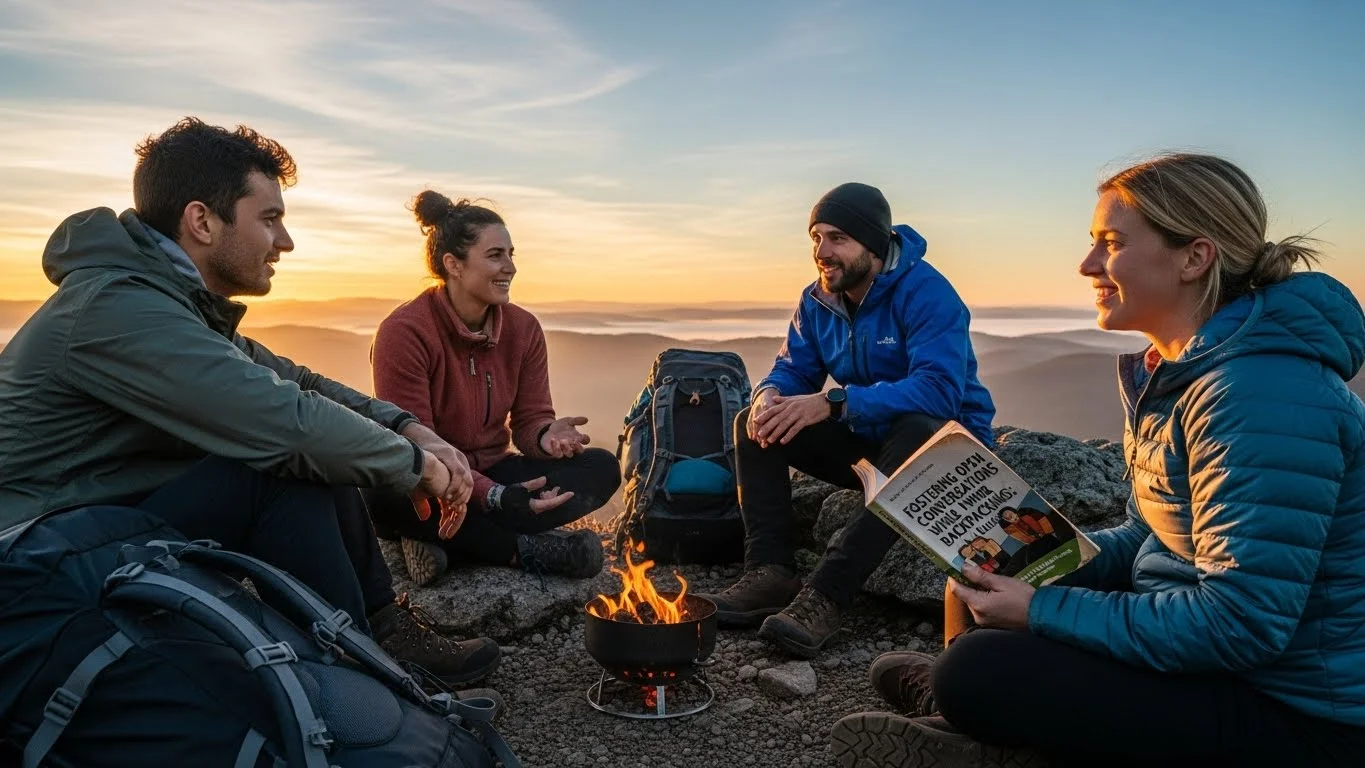
Understanding the Importance of Open Conversations While Backpacking
When I think back on my own backpacking adventures, the most cherished moments often revolve around the conversations I’ve had with fellow travelers and locals. It’s fascinating how a simple chat can change our perspective, broaden our horizons, and create lasting friendships. Open conversations while backpacking are essential, and here’s why.
Benefits of Engaging with Fellow Travelers
Engaging with fellow travelers can feel like a breath of fresh air. I remember sitting in a hostel common room, sharing stories with a group of backpackers from different corners of the globe. We shared tips about hidden gems in the cities we were visiting, and I learned about their cultures and traditions. This exchange of stories created a bond that made my travels richer and more meaningful.
When we connect with others, we not only learn about their journeys but also reflect on our own. For me, each conversation became a mini adventure, filled with laughter, insights, and sometimes even a little bit of vulnerability. It’s incredible how sharing experiences can dissolve barriers and foster a sense of camaraderie among strangers. Read Interesting article: Mastering Difficult Conversations While Backpacking Abroad
Building Cultural Connections
One of the most rewarding aspects of backpacking is the opportunity to immerse ourselves in new cultures. I’ve found that open conversations serve as a bridge to understanding different viewpoints and traditions. Whether it’s discussing local cuisine with a street vendor or learning about regional customs from fellow travelers, these interactions deepen our appreciation for the places we visit.
For instance, I once had a heartfelt conversation with a local family in a small village. They invited me to join them for dinner, and we spent the evening sharing stories about our lives. I learned about their customs, their challenges, and their dreams. That connection opened my eyes to a world I wouldn’t have fully understood just by visiting. It reminded me that we are all more alike than different, and it sparked a desire in me to always seek out those connections.
Overcoming Language Barriers
Language can sometimes be a hurdle, but I’ve learned that it doesn’t have to stop us from connecting with others. Open conversations can often thrive despite language differences. I remember my travels in Southeast Asia, where I found myself speaking with locals using a mix of gestures, broken phrases, and lots of smiles. It’s amazing how a sincere effort to communicate can lead to understanding, even when words fail us.
Utilizing translation apps on my phone has been a game-changer for me. They’ve allowed me to bridge communication gaps, making it easier to ask questions and share experiences. Plus, I’ve discovered that people appreciate when I attempt to speak their language, even if it’s just a simple greeting or thank you. It’s all about the effort, and that effort can lead to heartwarming connections that you never saw coming.
Open conversations also help in learning essential phrases in the local language. I often find that the more I engage with locals, the more I pick up on their language, which enhances my travel experience. Each interaction brings a new word or phrase that I carry with me, enriching not just my vocabulary but also my understanding of that culture.
In my experience, the importance of open conversations while backpacking cannot be overstated. They are the lifeblood of our journeys, transforming ordinary trips into extraordinary adventures. So, as you pack your bags and set out on your next adventure, remember to keep your heart and mind open to the conversations that await. They might just lead you to unforgettable experiences and friendships that last beyond your travels.
Preparing for Open Conversations
Choosing the Right Backpacking Destinations
Every destination has its own vibe, and I’ve learned that choosing the right place can set the stage for richer conversations. Some cities or towns are bustling with travelers and locals alike, creating a melting pot of cultures and ideas. For me, places like Barcelona and Tokyo have been fantastic for meeting people. Their energy draws travelers in, and the atmosphere encourages interaction. The streets are alive with stories waiting to be shared.
On the other hand, smaller towns often offer a different, yet equally beautiful experience. I remember backpacking through a quaint village in Italy where the pace was slow, and the locals were eager to share their lives. The intimate setting made conversations feel more personal, almost like catching up with old friends. When planning my trips, I look for places that seem welcoming and lively, as they tend to be more conducive to open dialogues.
Essential Communication Tools
Having the right tools can make a world of difference when it comes to engaging in conversations while backpacking. Over the years, I’ve found a few essentials that I always carry with me. A good translation app on my phone is at the top of my list. It’s helped me break down language barriers, allowing me to dive into conversations that I might have otherwise missed. I can’t tell you how many times I’ve pulled up my app to ask for directions, or even to compliment someone on their food.
Another handy tool is a small notebook and pen. I like to jot down interesting phrases I learn from locals or even doodle maps that show me the best places to visit. Sometimes, I use my notebook to write down questions I want to ask people. It may seem simple, but having these prompts can help ease any nerves I might feel before starting a conversation. Plus, it’s a great way to remember all those little nuggets of wisdom I gather along the way.
Understanding Local Cultures and Customs
One of the best ways to prepare for open conversations is to do a little homework on the local culture. I’ve found that understanding customs can make a big difference in how my conversations unfold. For example, in some cultures, it’s respectful to greet elders first or to ask about someone’s family before diving into other topics. These little nuances can show respect and openness, making my interactions much smoother.
Before I travel, I often spend some time reading about the customs and traditions of the places I’m visiting. I’ve found it helpful to learn a few key phrases in the local language, even if it’s just “hello” or “thank you.” When I make an effort to use these words, I’ve noticed people’s faces light up with appreciation. It’s like opening a door to deeper conversations, and it shows that I value their culture.
Engaging with local customs also means being aware of what might be considered taboo. I remember being in a country where discussing politics was a sensitive topic. Being aware of this helped me navigate conversations more carefully, allowing me to build rapport without stepping on any toes. Understanding local cultures enriches our travels and prepares us for more meaningful interactions.
Where to Start Conversations While Backpacking
Hostels and Shared Accommodations
One of the best places to start conversations is at hostels or shared accommodations. These spaces are often bustling with travelers from around the world, all seeking connection. I recall one evening in a hostel in Prague, where I joined a group of backpackers in the communal kitchen. We all started cooking together, sharing recipes and cooking tips. Before we knew it, we were swapping travel stories, and I felt like I had found a little family for that moment in time.
Hostels provide a unique environment where conversations come naturally. Whether it’s in common areas or during group activities, there are countless opportunities to engage with others. I’ve made some of my best travel friends in these settings, often bonding over shared adventures and dreams of the future.
Cafés and Restaurants
Cafés and restaurants are another prime spot for open conversations. I love settling down with a cup of coffee or a plate of local cuisine and just observing the world around me. Sometimes, I strike up conversations with fellow diners or even the staff. I remember sitting in a small café in Buenos Aires, where the barista shared insights about the local food scene and recommended must-try dishes. That simple exchange turned into a delightful afternoon filled with laughter and new friendships.
Eating alone can feel intimidating, but I’ve found that it’s the perfect opportunity to engage with others. I often ask the locals for their recommendations or share my experiences with the dishes I’ve tried. It’s amazing how food can be a conversation starter, bringing people together in the most unexpected ways. Read Interesting article: Backpacking with Kids: Boost Their Social Skills Abroad
Transportation Hubs and Public Transit
Transportation hubs, like bus stations or train platforms, are also great places to start conversations. During my travels, I’ve found that waiting for a bus or train can lead to some of the most random and memorable interactions. I remember chatting with a fellow traveler at a train station in India, where we ended up sharing tips on navigating the local transportation system. That conversation not only filled the waiting time but also gave me a sense of camaraderie as we both embarked on similar journeys.
Public transit is another opportunity to engage with locals. I’ve had some lively conversations with people sitting next to me on buses or trains. Whether discussing travel plans or local attractions, these interactions often lead to valuable insights and recommendations that I wouldn’t have found in a guidebook.
Outdoor Activities and Tours
Participating in outdoor activities and tours can also facilitate open conversations. Whether it’s hiking, biking, or joining a city tour, these experiences often bring together people who share common interests. I remember joining a guided hike in the Swiss Alps, where my fellow hikers and I bonded over the stunning views and the physical challenges of the trek. By the end, we were sharing our travel stories, and I felt a genuine connection with each person.
Outdoor activities encourage teamwork and collaboration, which can naturally lead to conversations. I’ve found that being in a group setting allows us to bond over shared experiences, making it easier to engage in more personal discussions as well.
Conversation Starters and Techniques
Open-Ended Questions
One of the best ways to kick off a meaningful conversation is by asking open-ended questions. I’ve found that these types of questions invite deeper discussions and allow the other person to share more about themselves. Instead of asking, “Did you like that museum?” I might say, “What was your favorite part of the museum?” This approach not only gives them the space to elaborate but also opens the door for a richer dialogue.
I remember having a fantastic conversation in a park in Lisbon, where I asked a local artist what inspired their work. This simple question led to a fascinating discussion about their creative process, the challenges of living in the city, and even the influence of Portuguese culture on art. By asking open-ended questions, I discovered layers of their experiences that I wouldn’t have learned otherwise.
Sharing Personal Stories
Sharing our stories can be just as powerful as asking questions. I’ve noticed that when I open up about my travels, it encourages others to do the same. It’s like a little dance of sharing; one person shares, and the other feels comfortable to reciprocate. I often begin by telling a fun or quirky experience from my travels, which not only lightens the mood but also sets a friendly tone for the conversation.
For instance, I once shared a humorous story about getting lost in a market in Morocco. The laughter that followed made it easier for others to jump in with their own travel mishaps. These shared experiences create bonds and help us realize that we all have our own adventures and misadventures.
Utilizing Humor and Light-Heartedness
Humor can be a fantastic icebreaker. I believe that laughter transcends language barriers and can make conversations feel more relaxed and enjoyable. On my travels, I often try to incorporate light-hearted jokes or funny observations about the places I visit. I remember chatting with a group of travelers in a café in Berlin, and I made a light-hearted comment about how I managed to order dessert instead of dinner. Everyone burst into laughter, and suddenly we were all sharing our culinary blunders and the oddities of food in different countries.
Using humor not only cultivates a friendly atmosphere but also makes it easier to connect with others. I’ve found that laughter can be a universal language, creating a comfortable space for deeper discussions to unfold. Just be mindful of the cultural context—what’s funny in one culture might not resonate in another, so I always try to gauge the crowd first.
Active Listening Skills
Active listening is a crucial skill that often gets overlooked. I’ve realized that the way we engage in conversations can greatly influence how connected we feel with others. When I focus on truly listening—nodding, maintaining eye contact, and responding thoughtfully—I can feel the difference in the interaction. It shows that I value what the other person is saying, and this often encourages them to open up even more.
During a train ride in Italy, I met a fellow traveler who had an incredible story about volunteering abroad. I made an effort to listen attentively, asking follow-up questions and reflecting on what they shared. The conversation flowed naturally, and by the end of the ride, I felt like I had gained a new friend and a wealth of knowledge about volunteer travel.
Active listening can transform a simple exchange into a meaningful connection. When we show genuine interest in others, we create an inviting environment that encourages more profound conversations. I recommend practicing this skill in all interactions, whether with fellow travelers or locals, as it enriches our experiences and builds lasting relationships.
Overcoming Challenges in Conversations
Dealing with Shyness and Introversion
For those of us who are shy or introverted, starting conversations can feel daunting. I used to struggle with this, often feeling nervous about approaching strangers. However, I’ve learned a few techniques that have helped me break through that barrier. One approach is to remind myself that many people are just as eager to connect and may share my feelings of shyness.
When I find myself feeling anxious, I often start by observing my surroundings and seeking common ground. For instance, if I notice someone reading a book I love, I’ll mention it. This allows me to ease into the conversation without feeling too forced. I’ve discovered that sometimes, simply saying “Hi” and sharing a smile can be the first step toward a great conversation.
Navigating Cultural Sensitivities
Navigating cultural sensitivities can be a challenge, but it’s essential for fostering positive conversations. I’ve learned to approach discussions with a respectful curiosity about the local customs and cultural norms. If I’m unsure about a topic, I’ll often start by asking broad questions about their culture or traditions. This not only shows my interest but also allows the other person to guide the conversation toward areas they feel comfortable discussing.
For example, while traveling in Japan, I was aware that certain topics might be sensitive. Instead of jumping into personal questions, I began by asking about their favorite local festivals. This led to a rich discussion about Japanese traditions and celebrations, where I learned so much without crossing any boundaries.
Handling Disagreements or Misunderstandings
Disagreements or misunderstandings can happen, especially when traveling in diverse cultural settings. I’ve encountered situations where my intentions were misinterpreted or where I accidentally offended someone. When this happens, I’ve learned that addressing the situation openly and with humility is key. Apologizing sincerely and expressing my genuine intentions can help clear the air.
One memorable experience occurred while chatting with locals in a market. I made a comment that was misunderstood, and I noticed the shift in their demeanor. Instead of brushing it off, I took a moment to clarify what I meant and apologized for the misunderstanding. This openness not only eased the tension but also led to a fascinating discussion about cultural differences in humor.
By embracing these challenges and learning how to navigate them, I’ve found that conversations can lead us to unexpected connections and insights, enriching our journeys even further.
Frequently Asked Questions
What is the significance of open conversations while backpacking?
Open conversations while backpacking are essential as they transform journeys into unforgettable experiences filled with laughter, learning, and connection. They help create lasting friendships and broaden our horizons.
How can engaging with fellow travelers enhance the backpacking experience?
Engaging with fellow travelers allows for the sharing of stories, tips, and cultural insights, creating a bond that enriches travels and fosters a sense of camaraderie.
What are some benefits of building cultural connections while backpacking?
Building cultural connections through conversations helps deepen appreciation for the places visited and offers a chance to understand different viewpoints and traditions, making the travel experience more fulfilling.
How can language barriers be overcome during conversations while traveling?
Language barriers can be overcome by using gestures, broken phrases, and translation apps, which facilitate communication and help establish connections, even when words may fail.
What tools are recommended for preparing for open conversations while backpacking?
Essential tools include a good translation app for overcoming language barriers and a small notebook for jotting down interesting phrases, questions, or experiences to facilitate engaging conversations.
Where are the best places to start conversations while backpacking?
Hostels, cafés, restaurants, transportation hubs, and during outdoor activities or tours are great places to start conversations, as these environments naturally encourage interaction among travelers and locals.
What are effective conversation starters while backpacking?
Effective conversation starters include asking open-ended questions, sharing personal stories, incorporating humor, and practicing active listening to foster a deeper connection.
How can shy or introverted travelers initiate conversations?
Shy or introverted travelers can initiate conversations by observing their surroundings for common ground, starting with a simple greeting, and reminding themselves that many others are also eager to connect.
What should travelers keep in mind regarding cultural sensitivities during conversations?
Travelers should approach discussions with respectful curiosity about local customs and traditions, starting with broad questions to gauge comfort levels and avoid sensitive topics.
How should disagreements or misunderstandings be handled during conversations?
Disagreements or misunderstandings should be addressed openly and with humility. Apologizing sincerely and clarifying intentions can help ease tensions and lead to richer discussions.