
Watching a child evolve from babbling sounds to forming real words is truly a miracle. Understanding these language milestones can help us support and celebrate their journey. Essential Language Milestones Every Parent Should Know provides valuable insights into this process.
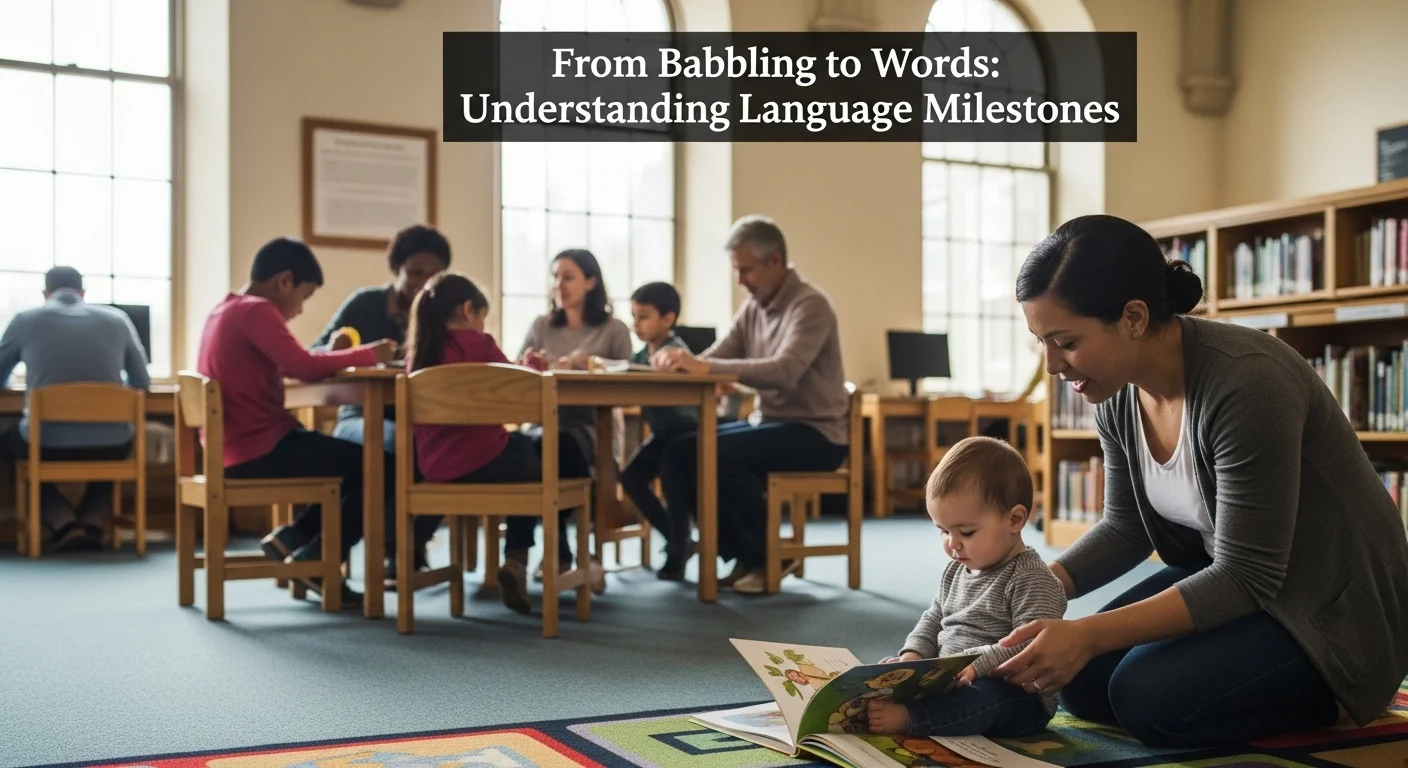
Overview of Language Development Milestones
What are Language Milestones?
Language milestones are those key points in a child’s early development that indicate they are acquiring language skills. I remember the first time my little one cooed in response to me; it was as if a light bulb had turned on. These milestones outline a typical path that children follow as they learn to understand and use language, starting with simple sounds and progressing to complex sentences. From babbling to first words, each stage is a building block in their communication skills.
Importance of Language Development
Language development is crucial for a child’s overall growth. I’ve seen firsthand how language skills affect social interactions, emotional wellbeing, and cognitive development. When children express themselves verbally, they build relationships, share thoughts, and understand the world around them. For instance, my child’s ability to name objects during playtime opened up new avenues for exploration and learning. Language lays the groundwork for literacy and academic success later in life. By nurturing these skills early on, we help our children thrive in social settings and educational environments. Unlocking Language: Key Milestones in Toddler Speech Development discusses how to foster these important skills.
Stages of Language Development
Pre-linguistic Stage
The pre-linguistic stage is where it all begins. From birth to around 12 months, I noticed my baby was not just a passive observer but an active participant in communication. During this stage, babies engage in cooing and babbling. They experiment with sounds, even though they don’t yet form recognizable words. I remember mimicking my baby’s sounds, and it felt like we were having our own little conversation. This stage is essential for developing the auditory skills needed for language acquisition. Babies also respond to tone and rhythm, which are critical elements of communication. Their ability to recognize voices and respond with smiles or coos is the first step toward understanding language.
First Words Stage
As we moved into the first words stage, typically around 12 months, I felt a surge of excitement when my child uttered “mama” or “dada.” It was a moment of pure joy! During this time, children begin to attach meaning to words. They often start with simple words related to their immediate environment, like “ball” or “milk.” It’s fascinating to see how quickly they learn to label objects and express their needs. I found that repeating words and associating them with actions or items helped reinforce my child’s understanding. This stage can also involve gestures, like pointing, which adds another layer of communication. I realized that encouraging these early words can pave the way for more complex language skills.
Two-Word Combinations Stage
Next came the two-word combinations stage, usually between 18 to 24 months. I can still recall the excitement when my toddler formed phrases like “more juice” or “big truck.” It felt like discovering a secret code! During this stage, children begin to connect words to express simple ideas. They start to understand basic grammar and can convey more complex thoughts. For me, it was a joy to engage in conversations where my child would respond with two-word phrases that made perfect sense in context. I learned that providing a rich language environment by narrating our daily activities helped foster this development. Encouraging them to combine words is critical for their progression toward more sophisticated language use.
Complex Sentences Stage
Finally, around the age of three, children enter the complex sentences stage. I was amazed at how quickly my child moved from simple phrases to using full sentences. Suddenly, we were having real conversations! Children begin to use more varied vocabulary and start to grasp the structure of sentences. They may express opinions, ask questions, and tell stories. I remember feeling proud when my child could say, “I want to play outside with my friend.” It’s during this period that they also start to understand the nuances of language, like using verbs in the correct tense. Engaging in daily conversations and reading storybooks together proved invaluable during this stage, as it expanded their vocabulary and comprehension.
Key Language Milestones by Age
Milestones from Birth to 12 Months
During the first year of life, I found that babies are like little sponges, soaking up sounds, tones, and rhythms. From birth to 12 months, I noticed that my baby would respond differently to various intonations in my voice. By around two months, they began cooing and making gurgling sounds, which felt like early baby chatter. By six months, my little one was babbling with more variety, producing sounds like “ba-ba” and “da-da.” I remember thinking, “Is this the start of their first word?” At about eight to nine months, babies start to understand simple words and commands, responding to “no” or “bye-bye” with recognition. It’s truly fascinating to witness their growing awareness of language during this stage!
Milestones from 12 to 24 Months
As my child reached the 12 to 24 months mark, I felt like I was watching a language explosion. They began to say their first meaningful words, often related to family members or favorite toys, as I mentioned before. By 18 months, I noticed they could say 10 to 15 words, and their comprehension was even more impressive; they could follow simple instructions like “come here” or “give me the ball.” This period is when I realized the importance of labeling objects and actions during our daily routines. It felt rewarding to see my child make connections between words and their meanings—like when they pointed to a dog and exclaimed, “doggy!”
Milestones from 2 to 3 Years
Between the ages of 2 and 3, my child entered a whirlwind of language development. I was amazed to see them expand their vocabulary rapidly, often using 50 to 100 words by age two. This was a time of experimentation; my toddler started combining words into simple sentences. I can still recall the pride I felt when they confidently said, “I want cookie!” Around this age, they begin to grasp the idea of questions, frequently asking “why?” or “what?” This curiosity opened up a world of conversations. I learned that talking to them about everything we did—like cooking or grocery shopping—helped enhance their vocabulary and comprehension skills. It was a constant reminder that each word they learned was a step toward more complex communication.
Milestones from 3 to 5 Years
As we approached the ages of 3 to 5, I could see how my child was no longer just communicating needs but engaging in rich conversations. They began to use more complex sentences, often including plurals and past tense. I remember one day when my child narrated an entire story about a trip to the park, complete with characters and actions. It was delightful to hear them using language to express their imagination! By age five, their vocabulary exploded to over 1,500 words, and they could follow multi-step directions. I realized that encouraging storytelling and asking open-ended questions significantly contributed to their language growth. This stage was not just about learning words; it was about nurturing creativity and self-expression.
Factors Influencing Language Development
Genetic Factors
I’ve often wondered how much our genes play a role in language development. Research shows that genetics can influence a child’s ability to acquire language skills. Some children naturally pick up words faster or have a knack for pronunciation. I’ve seen this in my own family; my siblings and I all had different paces in our language development. While I was a chatterbox early on, one of my siblings took a bit longer to start speaking. It’s fascinating how genetics can shape our communication styles and abilities, even at such a young age.
Environmental Influences
Beyond genetics, environment plays a massive role in how children learn to communicate. I found that my child thrived in a language-rich environment filled with books, songs, and conversations. I made a conscious effort to talk frequently with them, narrating our day-to-day activities. It was incredible to see how their surroundings, including interactions with family members and peers, impacted their language skills. I’ve come to realize that a nurturing environment filled with encouragement and exposure to diverse vocabulary can make a significant difference. Exploring the World: Language Acquisition Strategies for Toddlers offers helpful strategies for creating such an environment.
Parental Interaction
My interactions with my child were crucial during their language journey. The more I engaged in back-and-forth conversations, the more my little one responded and learned. I remember playing games that involved naming objects and encouraging them to express their thoughts. This dynamic interaction fostered their confidence in using language. I’ve learned that active participation from parents, such as reading stories or even just chatting about our day, can significantly enrich a child’s language development.
Socioeconomic Status
Socioeconomic status can also influence a child’s exposure to language. In my observations, children from wealthier backgrounds often have access to more resources like books, educational toys, and enriching experiences. However, I’ve seen that regardless of socioeconomic background, loving and attentive caregivers can make a substantial difference. I believe that regardless of circumstances, providing consistent language exposure and support at home can help bridge the gap in language development.
Signs of Delayed Language Development
Common Warning Signs
As a parent, it can be challenging to navigate the waters of language development, and sometimes it’s hard to know what’s normal. I’ve learned that there are specific signs that can indicate a delay in language skills. For instance, if a child isn’t cooing by six months or doesn’t say any words by their first birthday, it might be a sign to pay closer attention. By 18 months, they should be able to say at least a few words, and by two years, they should be combining words into simple sentences.
Other warning signs I’ve noticed include a lack of response to their name being called or difficulty following simple commands. If a child struggles to engage in back-and-forth interactions or doesn’t show interest in communicating, it’s important to take note. I remember being concerned at one point when my child wasn’t using as many words as friends their age. I found comfort in recognizing these signs early, as they helped me decide when to seek advice.
It’s also worth mentioning that if a child does not seem to understand simple questions or lacks interest in playing with other children, it might be time to explore these concerns further. Each child is unique, and while some may develop at a different pace, being vigilant can help ensure they receive the support they need.
When to Seek Help
Feeling unsure about a child’s language development is entirely normal, but knowing when to seek help can make a world of difference. I’ve learned that if you notice multiple warning signs or if concerns persist, it’s a good idea to consult with a pediatrician or a speech-language pathologist. I remember feeling a mix of anxiety and relief when I finally reached out for advice regarding my child’s speech development. The professionals were incredibly supportive and provided me with valuable insights.
In general, if a child is not meeting the milestones discussed earlier—such as saying words by their first birthday or combining words by age two—it’s beneficial to seek an evaluation. Early intervention can lead to better outcomes, and I found that having a professional involved helped me understand how to better support my child’s growth. It’s not about labeling a child but about ensuring they have the right tools to thrive in their communication journey.
Activities to Support Language Development
Reading Aloud
One of my favorite activities to support my child’s language development is reading aloud together. I quickly realized that making storytime a daily routine not only introduced new vocabulary but also sparked imagination. I remember curling up on the couch with my little one, exploring colorful picture books, and discussing the stories as we went along. Asking questions like “What do you think will happen next?” or “Who is your favorite character?” encouraged them to think critically and express their thoughts.
Choosing a variety of books, from rhymes to stories with rich narratives, helped expand their language skills. I found that even reading the same book repeatedly was beneficial, as it reinforced familiarity with the words and phrases. It’s incredible how quickly children absorb language when they’re immersed in it through engaging stories!
Engaging in Conversations
I’ve discovered that simply engaging in conversations with my child can be immensely beneficial. I made it a point to talk about our daily activities, narrating as we went along. Whether we were cooking, shopping, or playing, I would describe what we were doing. I noticed that my child loved to imitate me and would often repeat words they heard during these moments. It was delightful to see them practice their growing vocabulary in context!
Encouraging open-ended questions during our chats allowed them to express themselves more freely. Instead of asking questions that lead to a simple “yes” or “no,” I would ask things like, “What was your favorite part of the day?” This not only helped with language skills but also built our bond, creating a safe space for them to share their thoughts and feelings.
Using Music and Songs
Music has always been a significant part of our household. I found that incorporating songs and nursery rhymes into our daily routine was a fun way to promote language development. Singing catchy tunes or clapping along to rhythmic songs helped my child learn new words and phrases while also improving their memory and listening skills. I remember dancing around the living room while singing along to our favorites, and it felt like a joyful way to bond and learn together.
Using music with repetitive lyrics helped my child gain confidence in their pronunciation and rhythm. I also loved how it encouraged movement and interaction, making learning feel playful and engaging. It’s amazing how a simple song can spark joy and language growth simultaneously!
Interactive Play
Interactive play has been a cornerstone of my child’s language development. I found that playing games that involve talking, like role-playing or using puppets, encouraged my child to express themselves creatively. I remember setting up a little pretend grocery store, where we would take turns being the cashier and the customer. This sort of imaginative play allowed my child to practice language skills in a fun context.
Playing with toys that have names, like animals or vehicles, also helped expand vocabulary. By incorporating language into play, I saw firsthand how my child connected words with actions and objects. I loved watching their eyes light up when they learned the names of new toys, and it felt rewarding to see them use those words in our conversations.
Resources for Parents and Caregivers
Books on Language Development
As I embarked on my journey of supporting my child’s language development, I found a wealth of resources incredibly helpful. Books focused on language acquisition can provide insight and strategies. I remember picking up titles like “The Whole-Brain Child” by Daniel J. Siegel and Tina Payne Bryson, which emphasizes how understanding brain development can enhance parenting techniques. There’s also “The Early Language Milestone Scale,” which outlines key milestones and developmental strategies. Reading these books helped me grasp what to expect at different stages and how to encourage my child effectively.
Apps and Online Tools
In today’s digital age, there are numerous apps and online tools designed to support language development. I discovered interactive apps like “Endless Alphabet” and “Starfall,” which make learning fun through games and engaging activities. These platforms are not only educational but also keep my child entertained while learning new words. I found that blending screen time with educational content can be beneficial, as long as it’s balanced with interactive play and real-life conversations.
Support Groups and Professional Help
Connecting with other parents and accessing professional help can be invaluable. I joined local parenting groups where we shared experiences and tips on language development. Hearing from others who faced similar challenges was comforting and reassuring. Additionally, I never hesitated to reach out to speech-language pathologists when I had concerns. They offered assessments and tailored strategies that made a significant difference in my child’s communication skills. I learned that seeking help is a sign of strength and can pave the way for better outcomes.
Final Thoughts
Reflecting on my journey through my child’s language development, I realize just how important it is to be attuned to their progress. Each milestone is a beautiful step forward, and as parents, we play a crucial role in nurturing these skills. I’ve found that engaging with our children through conversations, reading, and interactive play creates a rich environment for learning. It’s essential to celebrate their achievements, no matter how small, and to remain patient during the challenging phases. I believe that by being proactive and supportive, we can help our children build a solid foundation for effective communication that will serve them well throughout their lives. Let’s continue to foster their love for language and watch them blossom!
Frequently Asked Questions
What are language milestones?
Language milestones are key points in a child’s early development that indicate they are acquiring language skills, starting with simple sounds and progressing to complex sentences.
Why is language development important?
Language development is crucial for a child’s overall growth, affecting social interactions, emotional wellbeing, and cognitive development. It lays the groundwork for literacy and academic success later in life.
What are the stages of language development?
The stages of language development include the pre-linguistic stage (birth to 12 months), first words stage (around 12 months), two-word combinations stage (18 to 24 months), and complex sentences stage (around age three).
What are common milestones for infants from birth to 12 months?
During the first year, infants coo and babble, respond to tone and rhythm, and start to understand simple words and commands by around eight to nine months.
At what age do children typically start saying their first meaningful words?
Children typically start saying their first meaningful words around 12 months, often related to family members or favorite toys.
What are some signs of delayed language development?
Signs of delayed language development can include not cooing by six months, not saying any words by their first birthday, and a lack of response to their name or difficulty following simple commands.
When should parents seek help regarding their child’s language development?
Parents should seek help if they notice multiple warning signs, such as not meeting language milestones or persistent concerns about their child’s speech development.
What activities can support language development?
Activities that can support language development include reading aloud, engaging in conversations, using music and songs, and interactive play that encourages expression.
What resources are recommended for parents to support language development?
Recommended resources include books on language development, educational apps, online tools, and support groups for parents, as well as consulting with speech-language pathologists when needed.
What role do parental interactions play in language development?
Parental interactions are crucial during a child’s language journey, as engaging in conversations, playing games, and reading together significantly enrich a child’s language development.