
Helping our toddlers develop strong social communication skills can be an exciting journey. Engaging them in fun activities not only makes learning enjoyable but also strengthens their ability to express themselves and connect with others. Read Interesting article: Backpacking with Toddlers: Boosting Social Skills on the Road
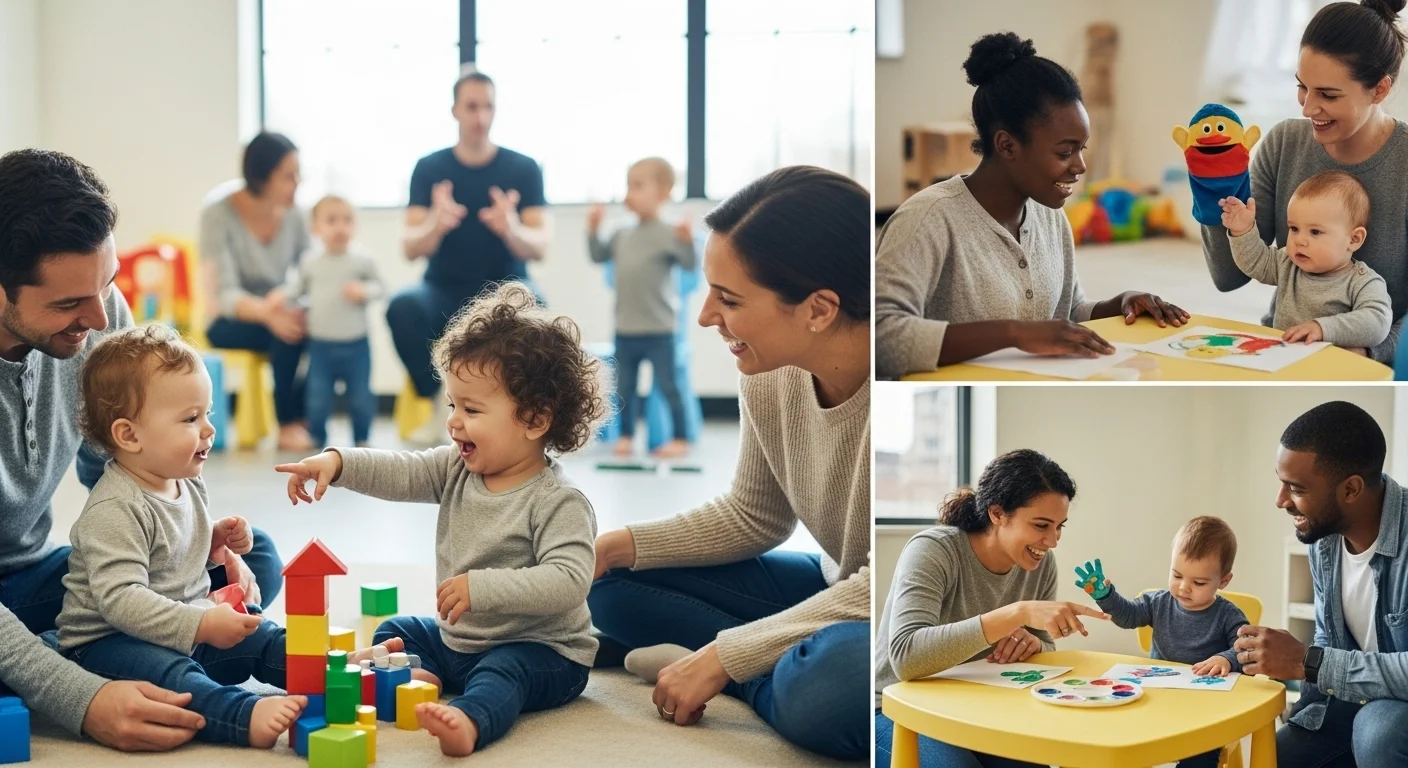
Understanding Social Communication Skills in Toddlers
What Are Social Communication Skills?
Social communication skills encompass how toddlers express themselves and interact with others. These skills include both verbal and non-verbal communication—how they use words, gestures, facial expressions, and body language to convey their thoughts and feelings. For instance, when my child waves goodbye or shares a toy, they’re not just being cute; they’re practicing essential skills that will help them communicate with friends and family.
Importance of Social Communication Skills for Toddlers
I can’t stress enough how vital these skills are for toddlers as they grow. Strong social communication skills lay the foundation for future relationships and academic success. When toddlers can express their needs and understand others, they’re less likely to feel frustrated or isolated. I’ve noticed that when my child interacts with peers, it not only boosts their confidence but also helps them develop empathy and teamwork skills. These early interactions teach them what it means to be part of a community, setting them up for positive social experiences in the future.
Signs of Developing Communication Skills
As a parent, I’m always on the lookout for signs that my toddler is developing their communication skills. Some signs include their ability to name familiar objects, follow simple directions, and engage in simple conversations. I remember when my toddler first started using two-word phrases—it was like a light bulb went off! Other signs can include pointing to things they want or using gestures to express feelings. These moments are thrilling; they show that my child is making progress in their ability to communicate effectively.
Play-Based Activities to Enhance Communication
Role-Playing Games
One of my favorite ways to help my toddler develop their communication skills is through role-playing games. We often dress up and pretend to be different characters, such as superheroes or animals. This imaginative play allows them to experiment with language and practice conversation in a stress-free environment. I’ve noticed that my child enjoys taking on various roles, which encourages them to use different vocabulary and expressions. For example, when pretending to be a doctor, they might say, “It’s time for your check-up!” This not only fosters creativity but also helps them learn how to communicate in different scenarios.
Interactive Storytelling
Interactive storytelling is another wonderful activity we’ve embraced. I love to read stories to my toddler, but we’ve found that taking it a step further makes it even more engaging. Instead of just reading the text, I ask questions about the illustrations or encourage them to predict what might happen next. This interactive approach has proven to be a delightful way for my child to express their thoughts and feelings. The more involved they are in the story, the more they want to talk about it. It truly brings the characters to life and makes communication a joyous experience.
Group Play Activities
Group play activities can be incredibly beneficial for boosting toddlers’ social communication skills. Organizing playdates with a few friends has brought so much joy to my child. Watching them navigate sharing toys and taking turns is both heartwarming and educational. I often see them negotiating who gets to play with a certain toy first. While it can be a bit chaotic, these moments are where real learning happens. They practice expressing their needs and emotions, and it often leads to laughter and bonding. Read Interesting article: Fun Activities to Boost Toddler Sharing Skills on Adventures
Creative Arts and Crafts
Engaging in creative arts and crafts is one of my toddler’s favorite activities. Not only does it stimulate their creativity, but it also provides a platform for them to communicate their ideas. I find that while we’re painting or crafting, they often describe what they’re making or ask questions about colors and shapes. This kind of interaction builds their vocabulary and confidence. When we create something together, like a collage, I encourage them to explain their artwork. It’s amazing how much they can express when they are passionate about what they are doing!
Structured Activities to Encourage Interaction
Circle Time Activities
Circle time has always been a fantastic way for my toddler to engage with peers in a structured setting. I remember when we started participating in a local playgroup that included circle time. It was amazing to see how my child learned to sit in a group, take turns speaking, and listen to others. We sing songs, share stories, and even pass around a talking stick to ensure everyone gets a chance to share. This simple structure fosters communication and teaches the value of listening, which is just as important as speaking. I noticed my toddler became more confident in expressing their thoughts, and I believe it has helped them understand the dynamics of group communication.
Group Singing and Dancing
Music is such a powerful tool for enhancing communication skills! I love incorporating group singing and dancing into our routine. Whether we’re at home or at a playgroup, singing familiar songs together creates a joyful atmosphere. I’ve seen my child not only learn new words but also express themselves through movement. Dancing along with others encourages them to observe and mimic actions, which can boost their non-verbal communication skills. I have to admit, watching them make up their own dance moves is one of my favorite sights. It’s an unfiltered expression of joy, and it opens up so many avenues for verbal and non-verbal communication.
Board Games for Toddlers
Board games designed for toddlers are a great way to teach communication in a fun way. We often pull out games that require taking turns and following simple instructions. Games like “Candy Land” or “Chutes and Ladders” have been a hit in our household. I find that while playing these games, my child learns to articulate their thoughts and feelings, especially when they win or lose! I encourage them to express their excitement or disappointment, which has been an essential part of their emotional development. Plus, playing together strengthens our bond and encourages cooperative play. It’s wonderful to witness them building their social skills while engaging in friendly competition.
Simple Team Sports
Incorporating simple team sports into our weekly routine has been another effective way to boost my toddler’s social communication skills. Whether it’s kicking a soccer ball or playing a game of catch, these activities teach important lessons about teamwork and collaboration. I remember the first time my child joined a toddler soccer class; they were a bit shy at first, but as they got comfortable, I could see them communicate with other kids by cheering each other on or passing the ball. It was thrilling to see them develop a sense of belonging while learning to communicate their needs and emotions. Engaging in sports not only enhances physical skills but also fosters friendships, making it a win-win situation!
Outdoor Activities for Social Skill Development
Playdates in the Park
One of my go-to activities for enhancing my toddler’s social skills is organizing playdates in the park. There’s something magical about the fresh air and open space that encourages kids to interact. When we invite friends over, I notice how much more willing my child is to share toys and engage in group games like tag or hide-and-seek. These playdates allow toddlers to navigate social interactions naturally, and I often hear my child enthusiastically calling out to friends, negotiating the rules of a game, or expressing excitement over a shared experience. It’s heartwarming to see friendships blossoming through these interactions.
Outdoor Treasure Hunts
Outdoor treasure hunts are another favorite of ours. I love setting up little scavenger hunts in our backyard or at the park, with clues that encourage my toddler to work with friends to solve puzzles. This activity not only sparks curiosity but also fosters teamwork and communication. I’ve noticed that as they search for hidden treasures, they learn to share ideas and listen to each other, which are crucial skills for effective communication. Plus, the thrill of discovering a hidden prize is a great motivator for them to engage with their peers!
Nature Walks and Exploration
Nature walks have become a cherished ritual for us. I believe that exploring the outdoors opens up so many communication opportunities. When we walk through a park or a nature trail, I encourage my child to observe their surroundings—flowers, birds, and even insects! Asking questions like, “What do you see?” or “How does that make you feel?” prompts them to express their thoughts and fosters a love for learning. It’s delightful to watch them point out interesting things and share their ideas about nature. These walks not only promote physical activity but also enhance their ability to articulate their observations and emotions.
Using Technology to Foster Communication Skills
Educational Apps for Toddlers
In today’s digital age, I find that certain educational apps can be wonderful tools for fostering communication skills in toddlers. We’ve discovered apps that focus on storytelling, vocabulary building, and interactive games that encourage verbal expression. I like to sit with my child while they navigate these apps, discussing what they see and hear. This shared experience allows me to guide their learning and encourage them to articulate their thoughts. It’s a great way to blend technology with meaningful interaction, and I believe it helps my child become more comfortable with language in various contexts.
Interactive Videos and Shows
There are also many interactive children’s shows that engage toddlers and prompt them to respond. We often watch programs that encourage audience participation, where my child can sing along or answer questions posed by the characters. I love how these shows invite children to think and respond, making them more active participants rather than passive viewers. It’s wonderful to see my toddler excitedly shouting answers or mimicking actions, which reinforces their communication skills while having fun!
Virtual Playdates
With technology, virtual playdates have become an option, especially when meeting up in person isn’t feasible. We’ve organized video calls with friends where the kids can play games, read stories, or even just chat. I’ve found that my toddler still enjoys connecting with peers this way, as they can share their toys and talk about their day. It’s been a fantastic way for them to maintain friendships and keep communicating, even from a distance. I think these virtual interactions have helped my child adapt to different forms of communication, which is a valuable skill in our increasingly digital world.
Tips for Parents to Encourage Social Communication
Modeling Communication Skills
One of the most impactful ways I’ve found to help my toddler develop their social communication skills is by modeling effective communication myself. I believe that children learn a lot by watching us, so I make a conscious effort to use clear language and express myself openly. When I talk about my day or share my feelings, I can see my child paying attention and absorbing those lessons. For instance, I might say, “I felt happy when we played at the park today!” This not only teaches them vocabulary but also shows them how to articulate their emotions. I’ve noticed that when I model these skills, my child feels more encouraged to express their own thoughts and emotions in similar ways.
Encouraging Turn-Taking and Sharing
Turn-taking and sharing are essential components of social communication, and I try to incorporate these practices into our daily activities. During playtime, whether we’re playing games or just engaging with toys, I emphasize the importance of taking turns. I often use a timer or a fun song to signal when it’s time to switch roles. For example, we play a game where we pass a ball back and forth, and I always cheer when it’s their turn. It’s amazing how this simple practice not only helps them learn patience but also encourages them to communicate their needs and feelings. I believe that these moments teach valuable lessons about respect and cooperation.
Creating a Safe and Supportive Environment
Fostering a safe and supportive environment is crucial for my toddler’s development. I want my child to feel comfortable expressing themselves without fear of judgment. I encourage open dialogue by being an attentive listener and validating their feelings. Whenever they attempt to express themselves, I make it a point to respond positively, even if they stumble over their words. For instance, if my child says, “I want… the bear!” I’ll respond with, “Oh, you want the bear! That’s great!” This reassures them that their efforts to communicate are recognized and appreciated. I’ve seen how this safe space allows my child to take risks with language and gradually become more confident in their communication skills.
When to Seek Professional Help
Signs Your Toddler May Need Extra Support
As a parent, I know how important it is to keep an eye on my child’s development. There are certain signs that might indicate a need for extra support in communication. If my child struggles to make eye contact or seems to have difficulty following simple directions, I take note. I also look for signs of frustration during communication attempts or if they consistently use gestures instead of words to express their needs. If I notice my toddler isn’t engaging in conversations with peers or seems to avoid social interactions, these are also red flags. I feel that being aware of these signs helps me to take proactive steps and seek guidance if necessary.
Resources for Parents
Finding the right resources can make a world of difference. I’ve discovered various parenting books, websites, and local community programs that focus on communication skills. Many libraries offer free workshops or parenting classes that provide tips and strategies for enhancing social skills in toddlers. Additionally, I’ve found online forums and groups where parents share experiences and advice. These resources create a sense of community and support, reminding me that I’m not alone in this journey. I encourage other parents to explore these options, as they can provide valuable insights and encouragement. Read Interesting article: Top Tips for Teaching Your Toddler Essential Communication Skills
Working with Speech-Language Pathologists
If I ever feel that my child needs more specialized help, I wouldn’t hesitate to consult a speech-language pathologist (SLP). These professionals can assess my child’s communication skills, identify any challenges, and create a tailored plan to support their development. I’ve learned that early intervention can be incredibly beneficial, and SLPs often incorporate play-based activities in therapy, making it fun for the child. I think it’s essential to view seeking help as a positive step towards helping our toddlers thrive socially. Knowing that support is available can alleviate some of the worries I feel as a parent, allowing me to focus on fostering a nurturing environment for my child.
Frequently Asked Questions
What are social communication skills in toddlers?
Social communication skills encompass how toddlers express themselves and interact with others, including both verbal and non-verbal communication, such as the use of words, gestures, facial expressions, and body language.
Why are social communication skills important for toddlers?
Strong social communication skills lay the foundation for future relationships and academic success, helping toddlers express their needs and understand others, which reduces frustration and isolation.
What are some signs that a toddler is developing communication skills?
Signs of developing communication skills include the ability to name familiar objects, follow simple directions, engage in simple conversations, use two-word phrases, point to things they want, and use gestures to express feelings.
What role do play-based activities have in enhancing communication skills?
Play-based activities such as role-playing games, interactive storytelling, and group play activities provide a fun environment for toddlers to experiment with language, practice conversation, and develop their social communication skills.
How can circle time activities benefit toddlers’ communication skills?
Circle time activities encourage toddlers to engage with peers, take turns speaking, listen to others, and participate in group discussions, which enhances their confidence and understanding of group communication dynamics.
What types of outdoor activities can help develop social skills in toddlers?
Outdoor activities like playdates in the park, treasure hunts, and nature walks provide opportunities for toddlers to interact, share, and communicate naturally while enjoying the benefits of fresh air and exploration.
How can technology be used to foster communication skills in toddlers?
Educational apps, interactive videos, and virtual playdates can help toddlers develop communication skills by engaging them in storytelling, vocabulary building, and prompting responses during interactive shows.
What are effective ways for parents to encourage their toddlers’ communication skills?
Parents can encourage communication skills by modeling effective communication, promoting turn-taking and sharing, and creating a safe and supportive environment where toddlers feel comfortable expressing themselves.
When should parents seek professional help for their toddler’s communication skills?
Parents should consider seeking professional help if their toddler shows signs such as difficulty making eye contact, following simple directions, engaging in conversations, or expressing needs through gestures rather than words.
What resources are available for parents seeking to improve their toddlers’ communication skills?
Parents can explore parenting books, websites, local community programs, workshops, and online forums that share experiences and advice, as well as consider consulting a speech-language pathologist for specialized support.