
Encouraging language skills in toddlers can be both fun and rewarding. Engaging in playful activities helps them learn and connect with the world around them. Let’s explore how we can make language development an enjoyable journey!
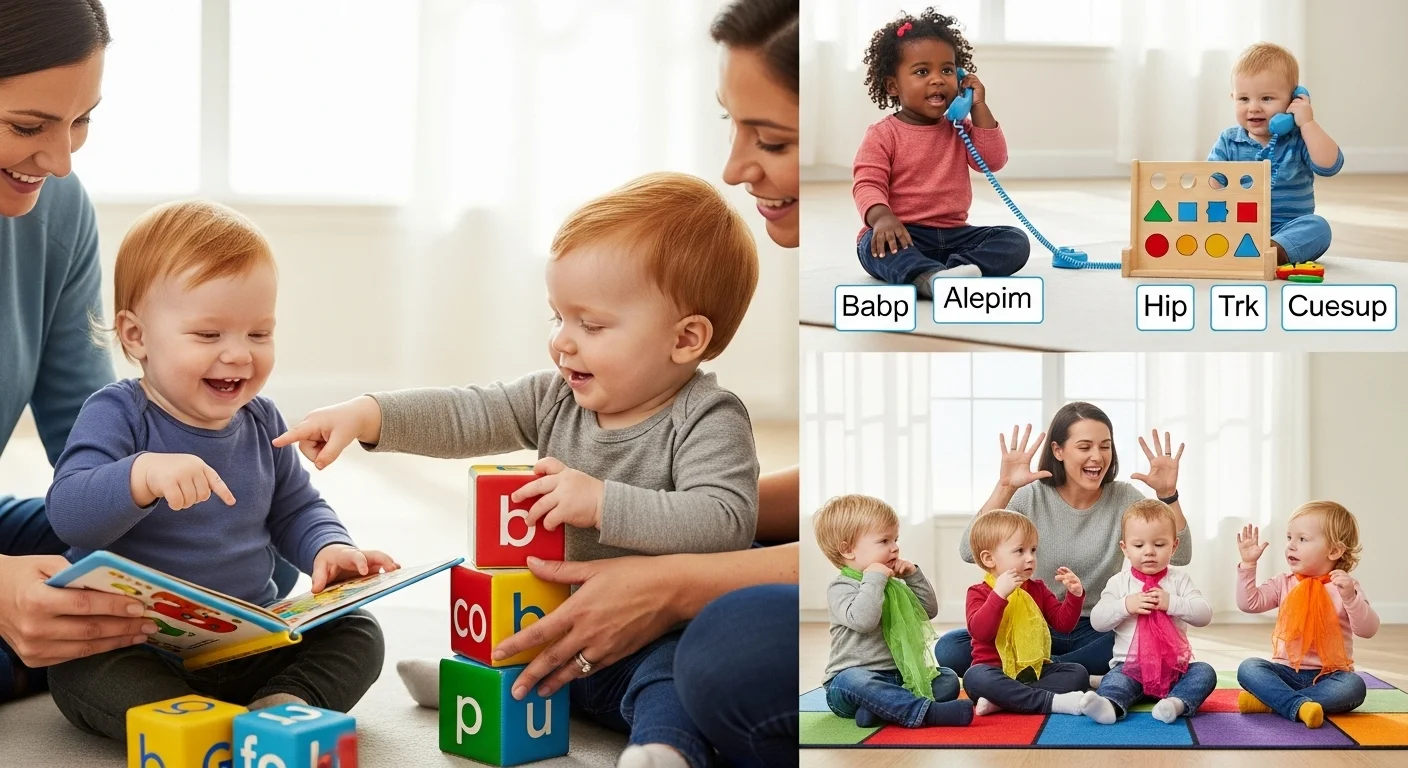
Understanding Language Development in Toddlers
When I first became a parent, I was amazed at how quickly my little one picked up new words and phrases. It’s fascinating to observe how toddlers evolve in their ability to communicate. Understanding the stages of language development can help us support our children effectively. For more insights, check out Tracking Your Toddler’s Language Development Milestones Easily.
The Stages of Language Development
Language development in toddlers typically unfolds in distinct stages. I remember when my child began babbling, experimenting with sounds and trying to imitate what they heard. This is often the first stage, starting from around 6 months. As they approach their first birthday, they begin to say simple words—like “mama” and “dada.” It was such a joy to hear those first words!
By the time they reach 18 months, many toddlers can say several words and may even start combining two words into short phrases. I found that encouraging this stage meant repeating words and phrases often while pointing to objects. For example, when we were outside, I would say, “Look at the big tree!” This helped them associate words with their meanings. Around age two, my child entered the next stage, where vocabulary rapidly expands, and sentences become a little more complex. This is such an exciting time, as their personality starts to shine through their language!
Importance of Early Language Skills
Language skills are crucial for a child’s overall development. I’ve learned that strong communication abilities can lead to better social interactions and academic success later on. When toddlers can express their needs, thoughts, and feelings, they are less likely to become frustrated. I noticed that my child was much happier and more confident when they could communicate effectively, even if it was just a few words at first.
Moreover, language development is closely tied to cognitive skills. As toddlers learn to talk, they also learn to think critically and solve problems. Engaging them in conversations helps expand their vocabulary and comprehension skills. I found that the more I talked to my child, the more curious they became about the world around them. This curiosity is a great driver for learning! For more effective methods, consider reading Effective Strategies to Enhance Toddler Language Acquisition.
Interactive Activities to Boost Vocabulary
To help toddlers enhance their vocabulary, I discovered that interactive activities work wonders. I’ve experimented with various methods and found that some are especially effective and fun for both of us.
Storytime Adventures
One of my favorite activities has always been storytime. Choosing colorful picture books and engaging stories captures my child’s attention. I noticed that when I animated the characters and added voices, my child was not only entertained but also eager to participate. They would point at pictures and try to guess what happened next. This kind of interaction fosters a love for reading and helps build vocabulary.
We often visit the library for storytime sessions where they read aloud to a group of toddlers. Watching my child engage with other kids while listening to stories has been heartwarming. It’s a wonderful way to introduce new words in a social setting.
Flashcards and Picture Books
Flashcards have also been a valuable tool in our home. I made a set with pictures of everyday objects and animals. While playing, I would show a flashcard and encourage my child to say the word. It’s amazing how quickly they learn when it feels like a game! My child loves to shout out the names and even create sentences using those words, like “That’s a big dog!”
Picture books are another fantastic resource. I often let my child choose a book, and as we read together, I point out objects and ask questions. For instance, “What color is the cat?” or “Can you find the ball?” This not only enhances vocabulary but also encourages critical thinking.
Word Games and Puzzles
Incorporating word games into our playtime has been incredibly engaging. Simple games like “I Spy” can be both fun and educational. I would say, “I spy with my little eye, something that is green,” and my child would search the room, learning to describe and identify objects. It’s delightful to see their excitement as they guess correctly!
Puzzles with words and images also encourage vocabulary growth. I introduced simple jigsaw puzzles that have both pictures and words. As we pieced them together, I would say the words aloud, helping my child learn through visual and tactile engagement. This combined approach really solidified their understanding of the words.
Through these interactive activities, I’ve seen firsthand how language skills blossom in my child. It’s all about making learning a joyful experience that fosters curiosity and communication. In the next section, we’ll dive into how creative play can further enhance communication skills. Stay tuned for more fun ideas!
Creative Play to Enhance Communication
Creative play has always been one of the most enjoyable aspects of parenting for me. It’s not just about having fun; it’s an incredible way to boost language skills in toddlers. I found that when we engage in imaginative play, my child becomes more expressive and willing to communicate. Here are some activities that have worked wonders for us.
Role-Playing and Pretend Play
Role-playing is something I absolutely loved when I was a child, and now I get to share that joy with my little one. We often set up scenarios where we can pretend to be different characters, whether it’s playing house, being superheroes, or even pretending to be animals. I remember one time, we turned the living room into a doctor’s office. My child took turns being both the doctor and the patient. This playful interaction encouraged them to use new vocabulary related to feelings and activities, like “I feel sick” or “Let’s check your heart!”
Each time we role-play, I notice my child experimenting with language and phrases that they might not use otherwise. It’s a wonderful way to introduce new words in context, making them more memorable. Plus, it fosters creativity, which is a bonus!
Arts and Crafts with Descriptive Language
Arts and crafts have become another favorite activity in our home. When we create something together, I always encourage my child to describe what they’re making. I’ll ask questions like, “What colors are you using?” or “Can you tell me about your picture?” I’ve seen how this simple practice enhances their vocabulary and encourages them to express their thoughts more clearly.
One day, we decided to make friendship cards for family members. While drawing and crafting, we talked about the shapes and colors we were using. I noticed that my child started to incorporate those words into their everyday language. It’s amazing how linking creative activities with descriptive language can open up a whole new world of communication!
Music and Song Activities
Music plays a significant role in my child’s development, and I can’t stress enough how much fun it can be for language skills. Singing songs and nursery rhymes is not just entertaining; it’s also educational. I remember when we first started singing “Itsy Bitsy Spider.” The repetitive lyrics helped my child pick up words quickly, and the accompanying hand motions made it even more engaging.
We often have mini dance parties where we sing along to our favorite tunes. I find that incorporating actions into the songs helps reinforce language learning. My child loves to join in, and it’s heartwarming to see their excitement as they learn new words through music. I even let them create their own silly songs, which sparks creativity and strengthens their confidence in using language.
Outdoor Activities for Language Engagement
Getting outdoors is another fantastic way to support language development. Nature itself is full of opportunities for exploration and communication, and I’ve found that outdoor activities can really enhance our interactions.
Nature Walks and Descriptive Exploration
One of my favorite things to do is take nature walks with my child. These walks are not just about getting fresh air; they become exciting adventures! I encourage my child to look around, observe, and describe what they see. “Can you tell me about that flower? What color is it?” I’ve noticed that these questions lead to rich conversations and vocabulary building.
We often collect leaves, rocks, or flowers, and when we get home, we talk about our findings. This helps reinforce the names and characteristics of the objects we discovered. It’s like a mini science lesson wrapped in fun, and it encourages my child to express themselves more clearly and confidently.
Playground Games that Encourage Dialogue
The playground is another treasure trove for language development. I remember playing games like “Simon Says” with my child, which not only promotes listening skills but also encourages them to follow directions. These games often lead to laughter and excitement, reinforcing learning in a joyful way.
As we play, I use descriptive language to talk about what we’re doing. For instance, when we’re climbing the jungle gym, I might say, “Let’s climb to the very top and see the view!” This not only enhances their vocabulary but also builds a bond between us as we share these experiences together.
Interactive Scavenger Hunts
Scavenger hunts have been a highlight in our playtime activities. I created lists of items for my child to find in the park or backyard, like “a round pebble” or “a yellow flower.” This activity gets them moving while also encouraging them to communicate what they find. “Look, Mom! I found a big rock!” These little moments of discovery always lead to discussions about colors, shapes, and textures, further enriching their vocabulary.
Through creative and outdoor play, I’ve seen how language skills can flourish. Engaging in these activities makes learning language natural and enjoyable, and I’m excited to explore more ways to enhance communication skills in the next section!
Social Activities to Foster Conversational Skills
Social interactions play a pivotal role in enhancing a toddler’s language skills. I’ve seen how engaging with peers can boost my child’s ability to express thoughts and feelings more effectively. Here are some social activities that have made a difference for us.
Playdates and Group Activities
Setting up playdates has been one of the best decisions I made as a parent. Watching my child interact with other kids brings so much joy. During these playdates, they naturally engage in conversations and learn to share and negotiate. I remember one afternoon when we had a few friends over, and they started playing with blocks. I noticed how they took turns, asked questions, and even helped each other build their structures. This kind of collaborative play encourages them to use language in a real-world context.
During these gatherings, I often facilitate activities that require teamwork, like group games or art projects. I noticed that when they work together, they are more willing to express their ideas and feelings. It’s fascinating to see how much they learn from each other, and I definitely recommend setting up regular playdates if you can!
Parent-Child Classes or Workshops
Participating in parent-child classes has been a game changer for my family. These classes, whether they focus on music, dance, or art, provide an excellent opportunity for socialization. I enrolled my child in a music class, and it was amazing to see them interact with other children while exploring sounds and rhythms. The structured environment encourages kids to sing along and communicate, which naturally enhances their language skills.
These workshops not only allow my child to learn new things but also help them develop friendships, making language learning more enjoyable. Plus, I get to meet other parents and share experiences, which has been invaluable for my parenting journey.
Storytelling Circles
Storytelling circles offer another fantastic way to boost conversational skills. I’ve participated in some community events where kids gather to share stories. I remember the first time my child told a story in front of others—it was both thrilling and nerve-wracking! The atmosphere is always supportive, with kids encouraged to express themselves without fear of judgment. This kind of setting gives them the confidence to speak, listen, and respond to their peers.
We often practice storytelling at home, too. I’ll start a story and encourage my child to add details or create the next part. This not only sparks their imagination but also helps them learn how to construct sentences and use descriptive language. Watching their creativity flow during these moments is incredibly rewarding!
Technology-Assisted Language Learning
In this digital age, I’ve found that technology can be a powerful ally in supporting language development. While I maintain a balance and ensure screen time is limited, there are some fantastic resources that have helped my child learn and grow.
Educational Apps and Games
There are a plethora of educational apps designed specifically for toddlers that focus on language skills. I remember downloading a few interactive games that teach vocabulary through fun activities. My child loves them! Each time we play, I see how engaged they are, and it feels like learning is happening effortlessly.
One of my favorites features games that prompt kids to match words with pictures. I noticed that my child not only starts recognizing words but also begins to use them in sentences during our conversations. It’s a great way to reinforce what they learn in a fun, relaxed atmosphere.
Interactive E-Books
Interactive e-books have also been a hit in our household. These digital books often include read-aloud features, animations, and sound effects that keep my child captivated. I love how they can tap on words or pictures to hear their names, which helps reinforce vocabulary in context. Reading together has become a delightful experience, as my child eagerly engages with the story and asks questions about the characters and events.
Whenever we finish a book, I encourage my child to retell the story in their own words. This practice has not only improved their recall abilities but also helped them express their thoughts more clearly.
Video Calls with Family and Friends
Connecting with family and friends through video calls has been another excellent way to enhance language skills. I love seeing the excitement on my child’s face when they get to chat with grandparents or cousins. These virtual interactions provide opportunities for conversation and interaction that they might not otherwise have.
During these calls, I’ve noticed how my child learns to ask questions and respond to others. Family members often encourage them to share stories or describe their day, which boosts their confidence and conversational skills. It’s heartwarming to see how these connections strengthen their language development while also nurturing family bonds.
Exploring social activities and leveraging technology has been an exciting part of our language development journey. I’m eager to share more tips that have worked for us in the next section, focusing on how we can create a supportive environment at home for language learning!
Frequently Asked Questions
What are the initial stages of language development in toddlers?
Language development in toddlers typically unfolds in distinct stages, starting with babbling around 6 months, then saying simple words like “mama” and “dada” by their first birthday. By 18 months, many can say several words and may start combining them into short phrases.
Why are early language skills important for toddlers?
Early language skills are crucial for a child’s overall development as they lead to better social interactions and academic success. When toddlers can express their needs and thoughts, they are less likely to become frustrated and are generally happier and more confident.
What activities can boost vocabulary in toddlers?
Interactive activities such as storytime, using flashcards, and playing word games can significantly enhance a toddler’s vocabulary. Engaging with colorful picture books, asking questions during reading, and incorporating games like “I Spy” are particularly effective. You can also find Top 10 Tips to Boost Your Toddler’s Language Skills for more ideas.
How does creative play enhance language skills in toddlers?
Creative play, such as role-playing and arts and crafts, encourages toddlers to use new vocabulary in context. These activities make language learning enjoyable and help children express their thoughts and feelings more clearly.
What role does music play in language development for toddlers?
Music plays a significant role in language development as singing songs and nursery rhymes helps toddlers pick up words quickly. Incorporating actions with songs enhances engagement and reinforces language learning.
How can outdoor activities support language development in toddlers?
Outdoor activities like nature walks and playground games provide opportunities for exploration and communication. Asking descriptive questions during these activities encourages rich conversations that build vocabulary.
What are some effective social activities for enhancing conversational skills?
Playdates, parent-child classes, and storytelling circles are effective social activities that foster conversational skills. These interactions allow toddlers to practice language in a real-world context and build confidence in expressing themselves.
How can technology assist in language learning for toddlers?
Technology can support language development through educational apps and interactive e-books. These resources can engage toddlers in fun activities that promote vocabulary learning and comprehension.
What benefits do video calls offer for toddlers’ language skills?
Video calls with family and friends provide toddlers with opportunities for conversation and interaction, encouraging them to ask questions and respond, which boosts their confidence and conversational skills.
What is the overall approach to making language learning enjoyable for toddlers?
The approach to making language learning enjoyable involves engaging toddlers in playful and interactive activities that foster curiosity and communication. By creating a supportive and fun environment, language skills can flourish naturally.