
Getting kids involved in healthy meal prep can be a delightful adventure! It not only teaches them valuable skills but also encourages healthy eating habits. Here are some fun ways to make meal prep an engaging family activity. Read Interesting article: Budget-Friendly Nutritious Snacks to Keep Kids Energized
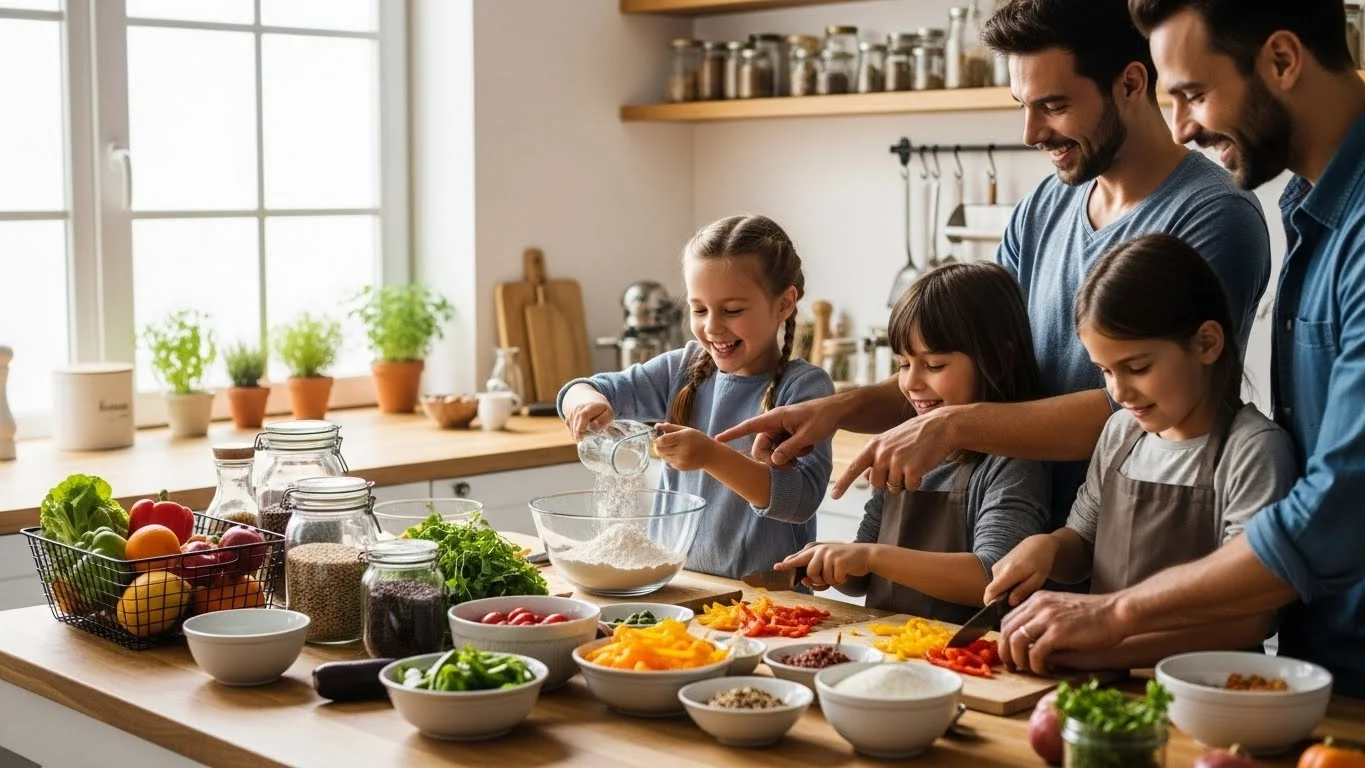
Understanding the Importance of Involving Kids in Meal Prep
When I think back to my childhood, I remember the joy of cooking with my parents. Those moments were not just about preparing food; they were lessons in nutrition, creativity, and teamwork. Involving kids in meal prep is essential for many reasons, and I’ve seen firsthand how it shapes their relationship with food.
The Benefits of Cooking with Kids
Cooking with kids is a fantastic bonding experience. I’ve noticed that when we cook together, the kitchen transforms into a playground of flavors and colors. Kids learn to be more confident in the kitchen, and they develop essential life skills like measuring, mixing, and following directions. From my experience, these skills translate into other areas of their lives, fostering independence and responsibility.
Moreover, cooking can enhance their understanding of math and science. Measuring ingredients introduces them to fractions, and the cooking process itself can lead to discussions about chemical reactions. I remember the excitement on my niece’s face when she saw how baking soda and vinegar reacted—she was so proud to be a little scientist in the kitchen!
How Involvement Promotes Healthy Eating
One of the most significant advantages of involving kids in meal prep is its impact on their eating habits. I’ve found that children who help prepare meals are more likely to try new foods and develop a preference for healthier options. When they chop, mix, and sauté, they take ownership of what they eat, which can lead to better nutritional choices.
For instance, my son used to be skeptical about eating vegetables until I allowed him to pick colorful produce at the grocery store and then prepare them at home. Now, he proudly declares that broccoli is his favorite! I believe that by letting kids participate in the cooking process, we empower them to make healthier choices for themselves. Read Interesting article: Healthy Snack Ideas for Kids on a Budget: Quick and Fun
Fun and Educational Activities to Engage Kids
Creating a fun and educational environment in the kitchen can turn meal prep into an enjoyable experience for everyone. I’ve found that when kids are engaged and having fun, they’re more likely to pay attention and learn. Here are some activities I recommend:
Creating a Kid-Friendly Kitchen Environment
Transforming the kitchen into a kid-friendly space is crucial. I remember rearranging our kitchen so my kids could reach the lower cabinets filled with fun kitchen tools and ingredients. We made a special “kids’ corner” where they could safely play with measuring cups, bowls, and spoons. This space sparked their creativity and encouraged exploration. I suggest adding colorful aprons and kid-sized utensils to make them feel like real chefs!
Simple Cooking Techniques for Little Chefs
Starting with simple techniques can boost kids’ confidence. I often teach my kids how to wash veggies, mix ingredients, and sprinkle seasonings. These tasks are manageable and allow them to feel accomplished. I remember the joy on my daughter’s face when she successfully mixed the batter for her first pancake. It’s all about starting small and celebrating those little victories!
Interactive Recipe Selection
Involving kids in selecting recipes can be a game-changer. I’ve found that when they choose what to make, they’re more excited about the process. We often peruse cookbooks or browse online for recipes that catch their eye. I encourage them to think about what they want to eat and how we can make it healthier. This practice not only teaches them decision-making skills but also gives them a sense of ownership over their meals.
For example, one time, my kids discovered a recipe for homemade nachos. They loved picking out fresh toppings like tomatoes, peppers, and guacamole. It became a family favorite, and I felt proud to see them so invested in creating a healthy version of a classic snack.
Creative Meal Prep Ideas for Kids
Once kids are engaged, it’s time to explore some creative meal prep ideas that make cooking even more fun. Here are some of my favorites:
Colorful Fruits and Vegetables: Making Choices Fun
Incorporating colorful fruits and vegetables can be a visual feast. I love to set out a rainbow of produce and let my kids choose which colors they want to include in their meals. Not only does this make the meal visually appealing, but it also teaches them about the importance of eating a variety of foods. I’ve noticed that when they see a vibrant plate, they’re more likely to dig in!
DIY Snack Stations
Creating a DIY snack station can turn healthy snacking into an exciting activity. We often set up a table with various healthy options like yogurt, fruit, nuts, and granola. My kids enjoy assembling their own creations, and it encourages them to try new flavors. I’ve found that they’re more adventurous when they feel in control of their snack choices! Read Interesting article: 10 Nutritious Snacks for Kids That Won’t Break the Bank
Building a Personal Pizza Night
Personal pizza night is a hit in our house! I love laying out different toppings and letting the kids create their own masterpieces. They take pride in choosing their ingredients, from whole-wheat crust to fresh veggies and lean proteins. It’s a fun way to get them to eat healthily while allowing them to express their creativity.
Crafting Homemade Smoothies
Making smoothies is another fun activity I’ve enjoyed with my kids. We gather various fruits, some leafy greens, and yogurt, and let them blend their concoctions. They love experimenting with different flavors, and I appreciate that they’re consuming more fruits and veggies. I remember the giggles when we added too much spinach to one of our smoothies—the color was quite the surprise!
Incorporating Themes into Meal Prep
One of the most enjoyable ways I’ve found to engage my kids in meal prep is by incorporating themes into our cooking activities. Themes not only make cooking fun but also provide an opportunity for learning about different cultures, seasons, and holidays. Here are some ideas that have worked wonders in our home.
International Cuisine Exploration
Exploring international cuisines can turn a regular meal prep day into an exciting culinary adventure. I remember one weekend, we decided to take a trip around the world through our taste buds. We chose a different country for each meal. My kids were thrilled at the thought of preparing tacos from Mexico, sushi from Japan, and pasta from Italy. As we cooked, I shared stories about the countries and their food traditions, making it educational as well.
We even dressed up in themed costumes to match the cuisine we were making! For instance, while preparing Italian dishes, we donned chef hats and aprons like the ones you see in movies. This little touch added a layer of excitement to our cooking and made them feel like real chefs from abroad. I encourage you to get creative with this idea. Allow your kids to pick the country or cuisine they’d like to explore, and then dive into cooking together!
Seasonal and Holiday-Themed Cooking Activities
Another great way to make meal prep exciting is by aligning it with the seasons or upcoming holidays. I’ve found that kids love getting into the spirit of the season, and cooking can be an excellent way to celebrate. For example, during fall, we focus on pumpkin recipes, like pumpkin bread or soup. My kids enjoy carving pumpkins too, but we always save the seeds to roast together afterward—it’s a delicious bonus!
During the winter holidays, we have a blast baking cookies and decorating them. I remember the year we made gingerbread houses; the kitchen was filled with laughter as we competed to create the most beautiful designs. Incorporating themed cooking activities not only teaches kids about seasonal ingredients but also creates memorable family traditions. I recommend planning ahead and involving your kids in the brainstorming process—let them suggest what they want to prepare for each holiday!
Fun Tools and Gadgets for Kids in the Kitchen
Having the right tools can make cooking with kids a lot more fun and safe. Over the years, I’ve discovered several kitchen gadgets that are perfect for little hands and add an element of excitement to our cooking adventures.
Kid-Safe Kitchen Tools
Investing in kid-safe kitchen tools has been a game changer for us. I remember the first time I bought a set of colorful, child-sized knives. They were specifically designed to cut soft fruits and veggies without being sharp. My kids were thrilled to chop up their own ingredients, and I felt a lot more comfortable knowing they were safe. We also use small cutting boards, measuring cups, and silicone baking molds that are just their size. These tools boost their confidence and make them feel like they’re truly part of the cooking process.
Additionally, I’ve found that using simple gadgets like a salad spinner or a handheld mixer makes tasks easier and more engaging. Kids love the idea of making their own whipped cream or mixing batter with a fun gadget. It’s amazing how much enthusiasm they show when they’re using tools that feel designed for them!
Fun Utensils and Equipment for Engaging Cooking
Beyond safety, I’ve discovered that introducing whimsical utensils can spark joy in cooking. For instance, we have a collection of cookie cutters in various shapes and sizes. They turn ordinary tasks into opportunities for creativity. My kids love using them to shape their pancakes or sandwiches into fun designs. It’s also a fantastic way to add a bit of flair to healthy meals, like cutting fruits into stars or hearts!
We also enjoy colorful mixing bowls and measuring spoons that make cooking visually appealing. I’ve noticed that when the kitchen feels lively and fun, my kids are more likely to engage in the cooking process. Consider investing in playful kitchen items that match your children’s interests. From dinosaur-shaped spatulas to rainbow-colored mixing bowls, these little touches can make a big difference in their willingness to help out.
Making Meal Prep a Family Bonding Experience
Turning meal prep into a family bonding experience is something I cherish. When everyone is involved, it creates opportunities for fun conversations, laughter, and teamwork. I’ve found that setting aside specific days for family meal prep has been incredibly fulfilling.
Setting a Weekly Meal Prep Day
We decided to dedicate Sundays to meal prep as a family. It’s a time when we all gather in the kitchen, each with our own tasks. I often assign roles based on their ages and skills. For example, my youngest might help wash vegetables, while my older child manages the oven. Having a regular meal prep day has become a cherished family tradition. We use this time not only to prepare meals but also to catch up on our week and share stories.
During these sessions, we often crank up the music and have a mini dance party in the kitchen. It’s a blast, and it makes the cooking process feel less like a chore and more like a celebration. I truly believe that setting aside time for family meal prep has strengthened our bond and created lasting memories.
Creating a Family Recipe Book
To make our meal prep even more meaningful, we started a family recipe book. Every time we cook together, we jot down our favorite recipes and the fun stories behind them. I love watching my kids take ownership of this project. They often doodle pictures or write little notes about what they enjoyed most during the cooking process. It’s a beautiful way to document our culinary journey and create a keepsake that we can cherish for years to come.
Each recipe also serves as a reminder of our time spent together in the kitchen, reinforcing the idea that cooking is not just about food but about family, love, and creativity. If you haven’t started a family recipe book, I highly recommend it. It’s a delightful way to celebrate your cooking adventures and pass down traditions to future generations.
Teaching Kids About Nutrition During Meal Prep
One of the best parts of involving kids in meal prep is the opportunity to teach them about nutrition. I’ve learned that when kids understand what goes into their food, they become more mindful about their choices. Here’s how I incorporate nutritional lessons into our cooking sessions.
Explaining Food Groups and Nutritional Value
When we’re prepping meals, I take the time to talk about the different food groups and what each contributes to our bodies. I remember one day when we were making a colorful salad; I pointed out the greens, reds, and yellows, explaining that each color represents different nutrients. My son was particularly fascinated to learn that carrots are good for his eyes because of their high beta-carotene content. Seeing their eyes light up with this newfound knowledge is incredibly rewarding!
I often use simple terms to describe complex concepts. For example, I describe proteins as the building blocks that help us grow strong, while fruits and veggies are like the superheroes that protect our bodies. This way, they can easily grasp the importance of having a balanced diet. I think it’s crucial to instill this knowledge at a young age, as it lays the foundation for a lifetime of healthy eating.
Label Reading and Ingredient Awareness
Another fun activity I’ve found is teaching my kids how to read food labels. When we’re grocery shopping, I encourage them to look at the labels of their favorite snacks. I remember the first time my daughter realized that some cereals had way too much sugar. Her reaction was priceless! We talked about how too much sugar isn’t great for our bodies and why it’s better to choose options with whole grains and less sugar.
At home, when we prepare meals, we often compare different brands of similar products. I guide them to look for healthier options, discussing ingredients like preservatives and artificial flavors. This practice has made them more selective about what they want to eat and has sparked thoughtful conversations about food choices. I believe that becoming aware of ingredients empowers them to make better decisions, even when I’m not around.
Overcoming Challenges: Keeping Kids Interested
While involving kids in meal prep can be a joyful experience, I also recognize that it comes with its challenges. Keeping kids interested and excited about cooking is vital, and I’ve learned a few tricks along the way.
Addressing Picky Eating Habits
Dealing with picky eaters can be daunting. I remember when my daughter refused to eat anything green. Instead of forcing her, I decided to turn it into a challenge. We made a “green food” night where she could pick any green ingredient to prepare. She chose zucchini, and I let her take the lead in cooking it. To my surprise, she loved it! By allowing her to have a say, I helped her feel more in control, and it opened the door for her to try other vegetables.
Another strategy I’ve found effective is involving them in the preparation of their meals. If they help make something, they’re often more willing to try it. For instance, we once made a smoothie with spinach, and I let them choose the fruits to add. Once blended, they couldn’t even taste the greens, and they were amazed at how delicious it was. I think it’s all about making the process fun and letting them experiment without pressure.
Incorporating Rewards for Participation
Sometimes, a little incentive can go a long way. I’ve created a reward system for my kids where they earn stars for participating in meal prep. After collecting a certain number of stars, they get to choose a fun family activity, like movie night, or even a trip to their favorite ice cream shop. This approach not only encourages them to engage in cooking but also teaches them the value of teamwork and contribution.
Additionally, I’ve noticed that positive reinforcement works wonders. When my kids help out, I make sure to praise them for their efforts, no matter how small. Hearing “You did a great job chopping those veggies!” motivates them to continue participating. Celebrating their achievements fosters a sense of pride and encourages them to keep trying new things in the kitchen.
Safety Tips for Cooking with Kids
As much as I love cooking with my kids, safety is always a top priority. I’ve learned that teaching them the importance of kitchen safety is essential for a smooth cooking experience.
Kitchen Safety Guidelines
Before we even begin cooking, I have a family discussion about kitchen safety rules. We talk about the importance of washing hands, keeping surfaces clean, and what to do in case of spills or accidents. I remember the first time my son accidentally dropped a bowl; instead of panicking, I calmly guided him through cleaning it up. This way, they feel more confident and responsible while working in the kitchen.
I also emphasize the importance of being careful around hot surfaces and sharp objects. I’ve shown them how to use knives safely, starting with child-safe options. I often remind them to keep their fingers tucked and to focus on what they’re doing. With these guidelines, I feel reassured that they are enjoying the cooking process while staying safe.
Age-Appropriate Tasks for Different Age Groups
Assigning age-appropriate tasks is another way to ensure safety while keeping kids engaged. For my youngest, washing vegetables and stirring batter are perfect tasks. My older child can handle more complex jobs, like chopping soft fruits or measuring ingredients. I’ve found that when I match tasks to their skill levels, they feel more accomplished and eager to participate. It’s important to remember that each child develops at their own pace, so I adapt the tasks as needed.
By creating a safe and fun cooking atmosphere, I believe we can cultivate a love for cooking while ensuring everyone is protected. In my experience, when kids feel secure, they are more likely to explore and express their creativity in the kitchen.
Frequently Asked Questions
Why is it important to involve kids in meal prep?
Involving kids in meal prep is essential as it teaches them valuable skills, encourages healthy eating habits, fosters independence and responsibility, and strengthens their relationship with food.
What benefits do kids gain from cooking with adults?
Cooking with adults provides kids with a bonding experience, enhances their confidence in the kitchen, and develops essential skills like measuring, mixing, and following directions. It also helps them understand concepts related to math and science.
How does meal prep involvement influence children’s eating habits?
Children who help prepare meals are more likely to try new foods and prefer healthier options. Engaging them in the cooking process allows them to take ownership of their meals, leading to better nutritional choices.
What are some fun activities to engage kids in meal prep?
Fun activities include creating a kid-friendly kitchen environment, teaching simple cooking techniques, involving kids in recipe selection, and exploring creative meal prep ideas like making personal pizzas or smoothies.
How can themes be incorporated into meal prep to make it more engaging?
Incorporating themes, such as exploring international cuisines or aligning cooking activities with seasonal or holiday themes, can make meal prep exciting and educational while allowing kids to learn about different cultures and traditions.
What are some kid-safe kitchen tools recommended for cooking with children?
Recommended kid-safe kitchen tools include colorful, child-sized knives for cutting soft fruits and veggies, small cutting boards, measuring cups, silicone baking molds, and fun gadgets like salad spinners and handheld mixers.
How can cooking be turned into a family bonding experience?
Cooking can become a family bonding experience by setting specific days for meal prep, assigning roles based on age, and creating a family recipe book to document favorite recipes and cooking stories.
What nutritional lessons can be taught during meal prep?
During meal prep, parents can teach kids about different food groups, the nutritional value of ingredients, and how to read food labels, helping them become more mindful about their food choices.
What strategies can help overcome challenges with picky eaters?
Strategies for overcoming picky eating include turning it into a fun challenge, allowing kids to choose and prepare their own meals, and creating a reward system for participation in meal prep.
What safety tips should be followed when cooking with kids?
Safety tips include discussing kitchen safety rules, emphasizing the importance of washing hands and being careful with hot surfaces and sharp objects, and assigning age-appropriate tasks to ensure safety while keeping kids engaged.